

.png?x-oss-process=image/resize,h_100,m_lfit/format,webp)
.png?x-oss-process=image/resize,h_100,m_lfit/format,webp)
.png?x-oss-process=image/resize,h_100,m_lfit/format,webp)

In the industrial field, tunnel kilns and other industrial kilns play a crucial role. The proper selection and masonry of refractory bricks are essential for the efficient and safe operation of these kilns. This article delves into the selection principles and masonry techniques of refractory bricks for tunnel kilns, with a focus on the advantages of high - precision mullite insulation bricks.
When selecting refractory bricks for tunnel kilns, several factors need to be considered. Firstly, the temperature resistance is a key factor. For example, in high - temperature tunnel kilns, bricks with a high melting point are required. Mullite insulation bricks can withstand temperatures up to 1700°C, making them suitable for most industrial kilns. Secondly, the thermal conductivity should be low to reduce heat loss. Mullite insulation bricks have a thermal conductivity of about 0.2 - 0.3 W/(m·K), which helps in energy conservation.
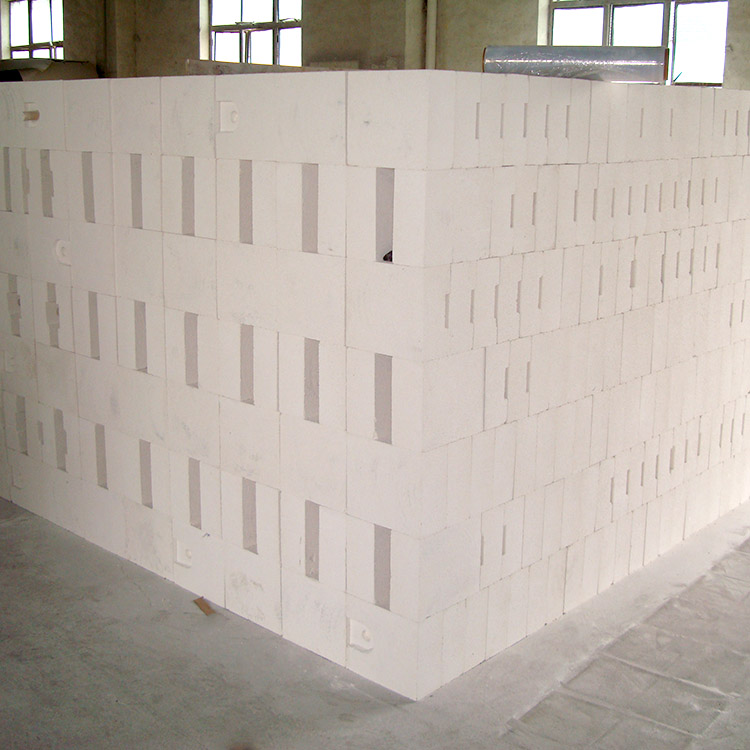
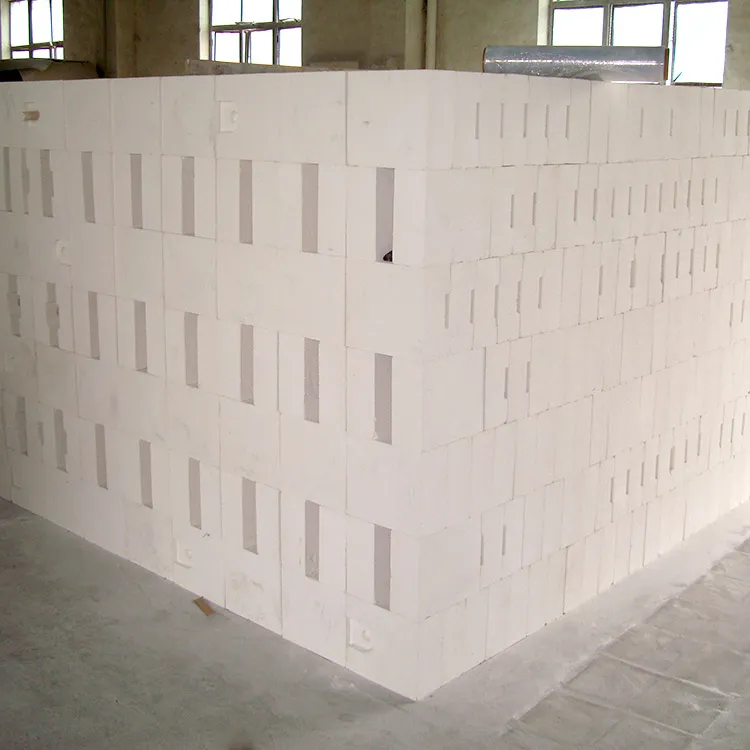
The dimensional accuracy of refractory bricks significantly affects the masonry efficiency. High - precision mullite insulation bricks have an error range of only ±0.5mm in length and width. This high accuracy allows for rapid masonry. In a case study of an electro - porcelain drawer kiln, using high - precision mullite insulation bricks reduced the masonry time by about 30% compared to traditional bricks. The precise dimensions also ensure a tighter fit between bricks, which is crucial for the overall stability of the kiln structure.
Reducing mortar usage not only saves costs but also improves the thermal performance of the kiln. High - precision mullite insulation bricks can achieve this goal. Since the bricks fit together tightly, less mortar is needed to fill the gaps. In practice, using these bricks can save about 20% - 30% of the mortar compared to standard bricks. Additionally, the type of mortar also matters. A high - quality refractory mortar with good adhesion and thermal stability should be selected.
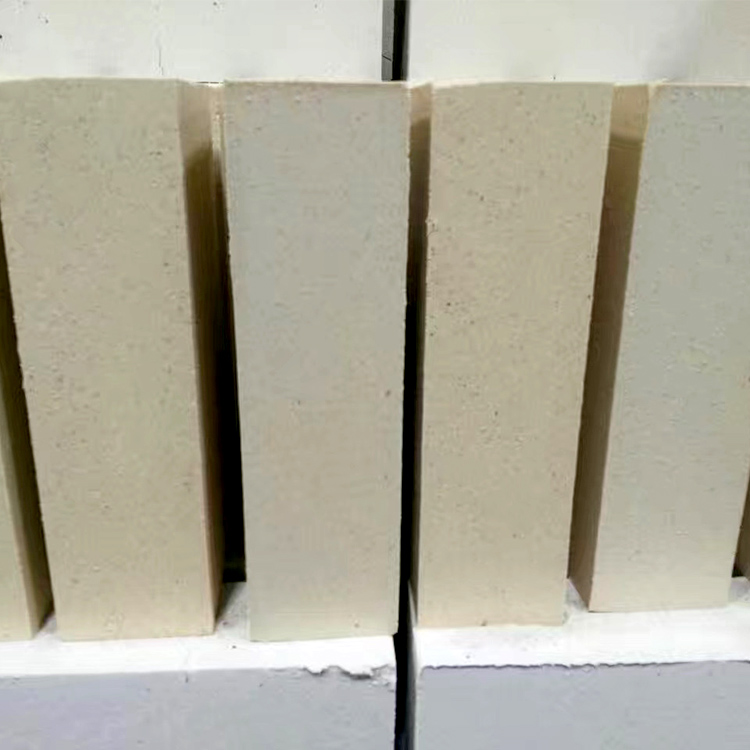
Thermal shock resistance is another important property of refractory bricks. Mullite insulation bricks have excellent thermal shock resistance, which can withstand rapid temperature changes without cracking. This is achieved through their unique crystal structure and material composition. In industrial kilns, where temperature fluctuations are common, high thermal shock resistance ensures the long - term stability and safety of the kiln.
The masonry process of refractory bricks includes several steps. First, thorough preparation is necessary. This involves cleaning the kiln foundation and ensuring its flatness. Then, the dimensions of the bricks should be carefully checked to ensure they meet the requirements. During the masonry process, the bricks should be laid in a regular pattern, and the mortar should be evenly applied. After masonry, proper curing and management are required to ensure the strength and stability of the masonry structure. In a ceramic roller kiln project, following these steps precisely led to a significant improvement in the kiln's performance and service life.
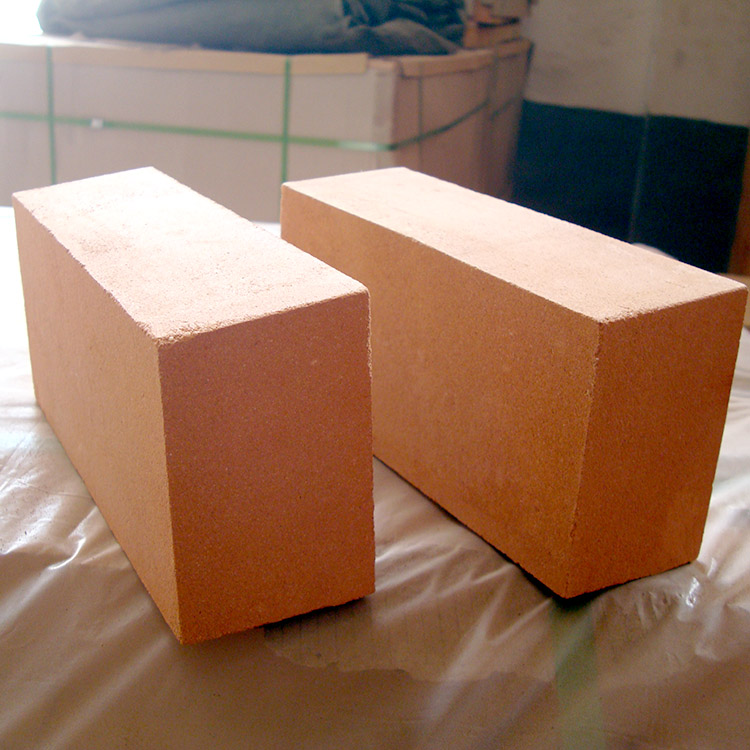
In conclusion, high - precision mullite insulation bricks offer many advantages in the construction of tunnel kilns and other industrial kilns. They can save mortar, enhance thermal performance, and improve the overall efficiency and safety of the kilns. If you are interested in learning more about our high - quality mullite insulation bricks and professional technical support, click here to explore further.
 high temperature furnace insulation
low thermal conductivity bricks
refractory brick installation
thermal shock resistant materials
energy-efficient furnace design
refractory insulating brick selection
fireclay brick for chemical furnace
1350°C refractory material
thermal shock resistant brick
furnace lining material comparison
energy-saving refractory bricks
high-strength insulating bricks
industrial furnace insulation materials
petrochemical cracking furnace refractory
metallurgical blast furnace lining
low thermal conductivity insulating refractory bricks
industrial furnace energy - saving renovation
mullite insulating bricks
refractory material selection guide
high - temperature furnace energy - saving solutions
Refractory material selection
High - alumina insulating bricks
Furnace service life extension
Thermal shock resistance
Industrial furnace energy conservation
high temperature furnace insulation
low thermal conductivity bricks
refractory brick installation
thermal shock resistant materials
energy-efficient furnace design
refractory insulating brick selection
fireclay brick for chemical furnace
1350°C refractory material
thermal shock resistant brick
furnace lining material comparison
energy-saving refractory bricks
high-strength insulating bricks
industrial furnace insulation materials
petrochemical cracking furnace refractory
metallurgical blast furnace lining
low thermal conductivity insulating refractory bricks
industrial furnace energy - saving renovation
mullite insulating bricks
refractory material selection guide
high - temperature furnace energy - saving solutions
Refractory material selection
High - alumina insulating bricks
Furnace service life extension
Thermal shock resistance
Industrial furnace energy conservation