

.png?x-oss-process=image/resize,h_100,m_lfit/format,webp)
.png?x-oss-process=image/resize,h_100,m_lfit/format,webp)
.png?x-oss-process=image/resize,h_100,m_lfit/format,webp)
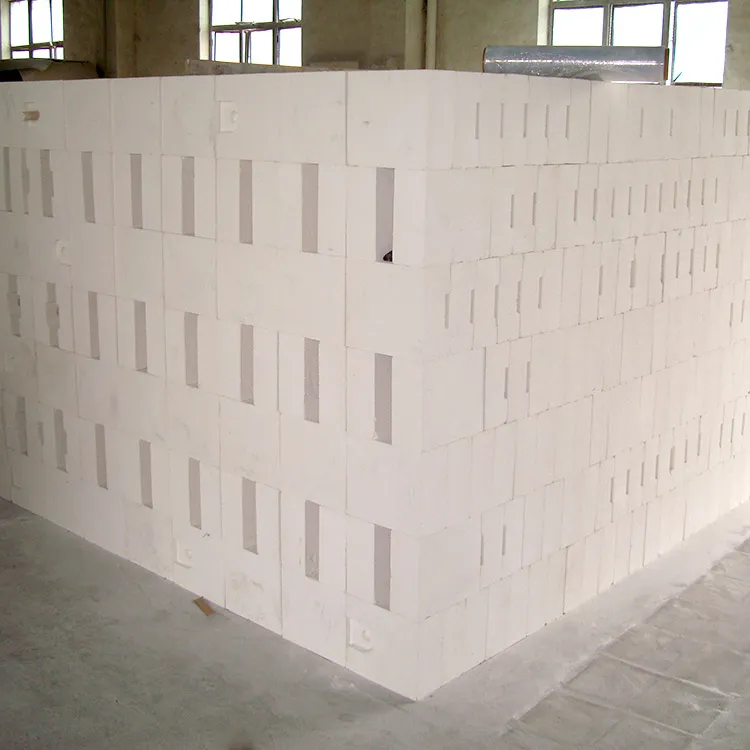
This article delves into the selection criteria and masonry techniques of tunnel kiln refractory bricks. It highlights the advanced technological advantages of our company's high - strength mullite insulation bricks and their wide - spread applications in industrial kilns.
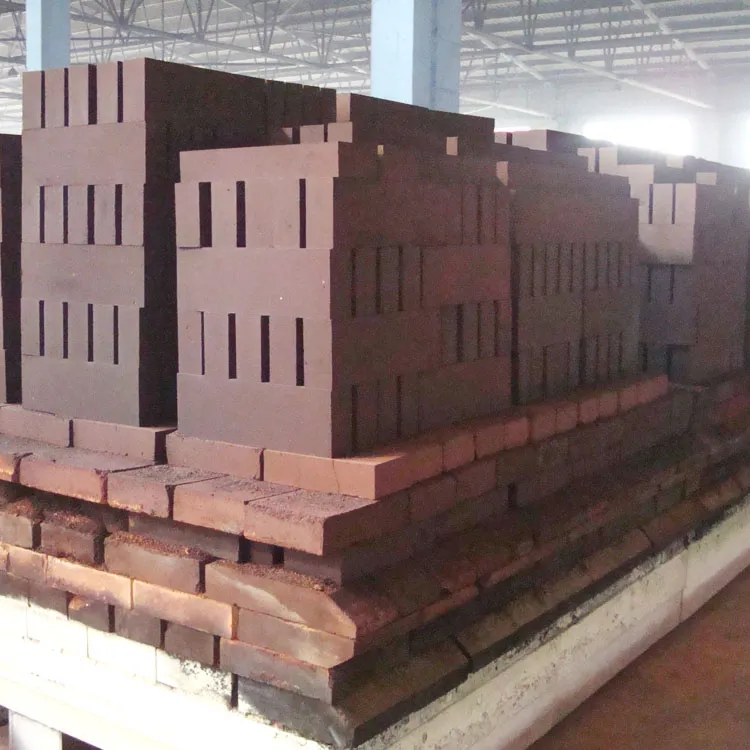
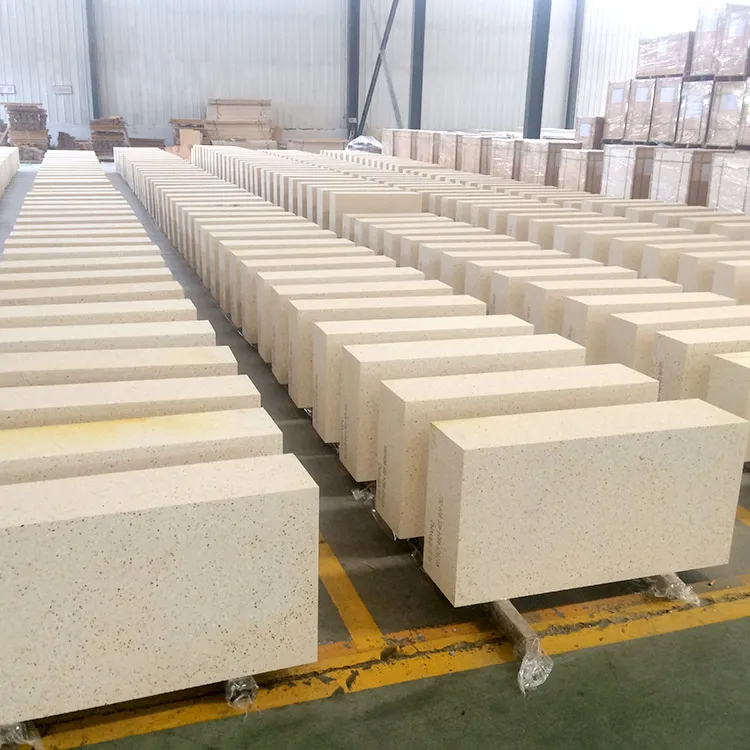
Mullite insulation bricks are made from carefully selected raw materials. Through advanced manufacturing processes, these bricks boast excellent thermal stability, high strength, and low thermal conductivity. For example, in the temperature range of 1200 - 1400°C commonly used in industrial kilns, mullite insulation bricks can maintain their structural integrity, reducing heat loss by up to 30% compared to traditional refractory bricks.
In industrial settings, there are various types of kilns such as electro - ceramic drawer kilns, tunnel kilns, and ceramic roller kilns. Each has different requirements for refractory bricks. For instance, in electro - ceramic drawer kilns, which have relatively small working spaces and frequent temperature changes, high - precision and heat - resistant mullite insulation bricks are preferred. In large - scale tunnel kilns with continuous high - temperature operations, bricks with high strength and long - term stability are more suitable.
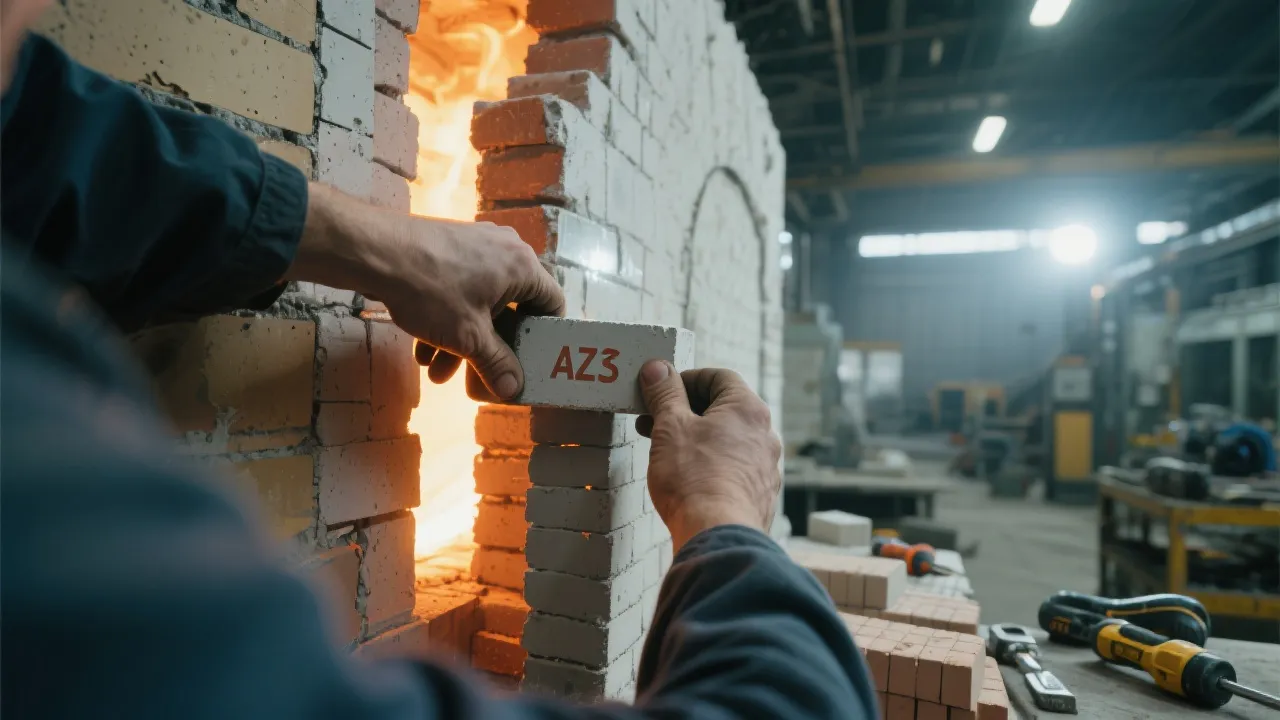
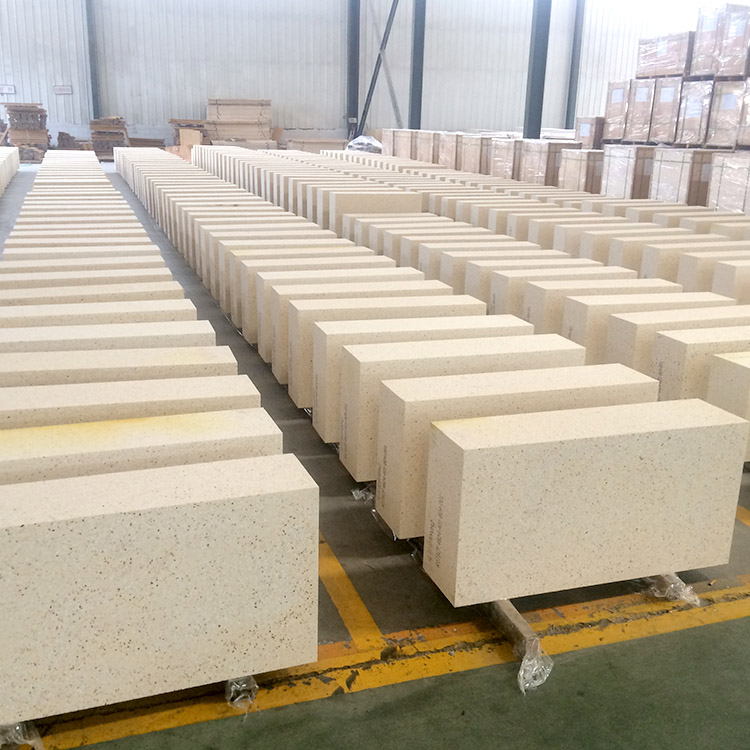
The masonry process of refractory bricks involves several key steps. First, thorough preparation is essential. This includes checking the quality of the bricks, ensuring the flatness of the base, and preparing the appropriate tools. Next, accurate dimension verification is crucial. The size error of the bricks should be controlled within ±1mm to ensure a tight fit during masonry. When it comes to the masonry order, it should start from the bottom and work upwards in an orderly manner. As for the selection of mortar, a high - performance refractory mortar that matches the properties of the bricks should be chosen. The curing time of the mortar is usually about 24 - 48 hours, during which the temperature and humidity should be well - controlled.
Dimension - precise mullite insulation bricks play a significant role in fast - paced masonry and mortar savings. Their precise dimensions allow for seamless connections, reducing the amount of mortar required. In practical projects, it has been found that using these precise bricks can save up to 20% of refractory mortar. Moreover, the tight connections enhance the overall structural stability of the kiln, reducing the risk of cracks and heat leakage.
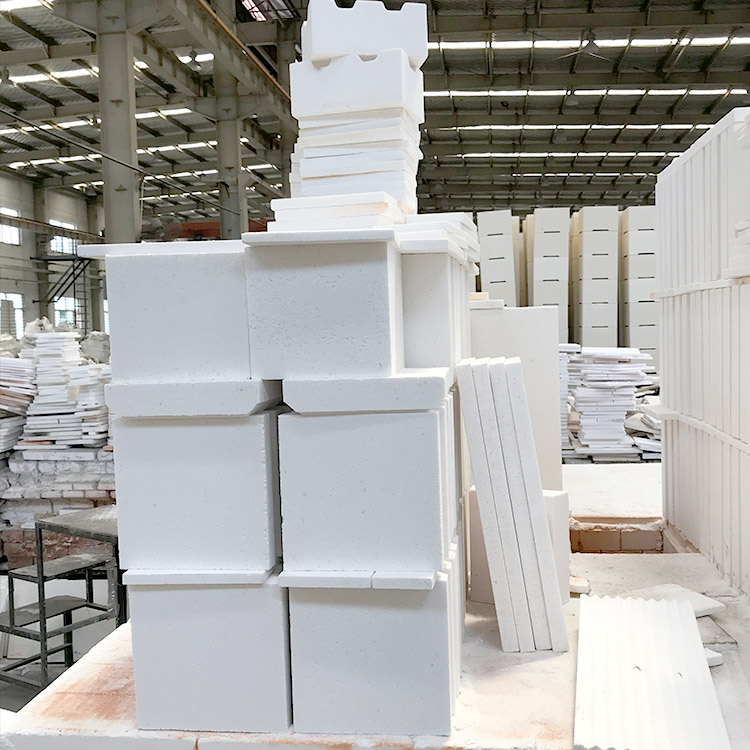
Here are some key technical points summarized. When handling refractory bricks, avoid rough operations to prevent damage. During masonry, ensure that the joints are uniform and the bricks are firmly bonded. Common problems such as brick cracking and mortar peeling can be solved by proper pre - heating of the bricks, correct mortar mixing ratios, and strict temperature control during the curing process.
If you are looking for high - quality refractory bricks and professional technical support for your industrial kiln projects, don't miss out! Our company offers top - notch mullite insulation bricks and comprehensive technical services. Click here to explore our products and get in touch with our technical experts now!
 Causes of refractory brick cracking
Prevention of thermal stress damage
Chemical furnace maintenance
Thermal shock - resistant refractory materials
Identification of thermal stress in refractory bricks
refractory material selection
high-alumina insulating bricks
industrial furnace lifespan extension
thermal shock resistance
high-temperature refractory materials
high alumina insulating bricks
mullite phase in refractories
corundum refractory properties
furnace lining failure prevention
refractory material selection guide
high-strength refractory clay insulation brick
chemical furnace lining materials
refractory brick selection
high-temperature furnace energy efficiency
thermal shock resistant refractory bricks
high alumina insulating brick
ISO ASTM refractory standards
porous refractory material
industrial furnace energy efficiency
refractory brick for export
Causes of refractory brick cracking
Prevention of thermal stress damage
Chemical furnace maintenance
Thermal shock - resistant refractory materials
Identification of thermal stress in refractory bricks
refractory material selection
high-alumina insulating bricks
industrial furnace lifespan extension
thermal shock resistance
high-temperature refractory materials
high alumina insulating bricks
mullite phase in refractories
corundum refractory properties
furnace lining failure prevention
refractory material selection guide
high-strength refractory clay insulation brick
chemical furnace lining materials
refractory brick selection
high-temperature furnace energy efficiency
thermal shock resistant refractory bricks
high alumina insulating brick
ISO ASTM refractory standards
porous refractory material
industrial furnace energy efficiency
refractory brick for export