

.png?x-oss-process=image/resize,h_100,m_lfit/format,webp)
.png?x-oss-process=image/resize,h_100,m_lfit/format,webp)
.png?x-oss-process=image/resize,h_100,m_lfit/format,webp)

Tunnel kiln refractory bricks are critical components in ensuring the longevity and efficiency of industrial kilns. Improper installation can significantly shorten the furnace lining’s service life and increase energy consumption. This article explores the application of mullite insulation bricks in tunnel kilns, highlighting essential construction techniques, optimization of refractory mortar usage, precise dimensional advantages, and solutions to common issues such as cracking, misalignment, and brick detachment. These insights aim to empower engineers to enhance construction speed while safeguarding kiln operational safety.
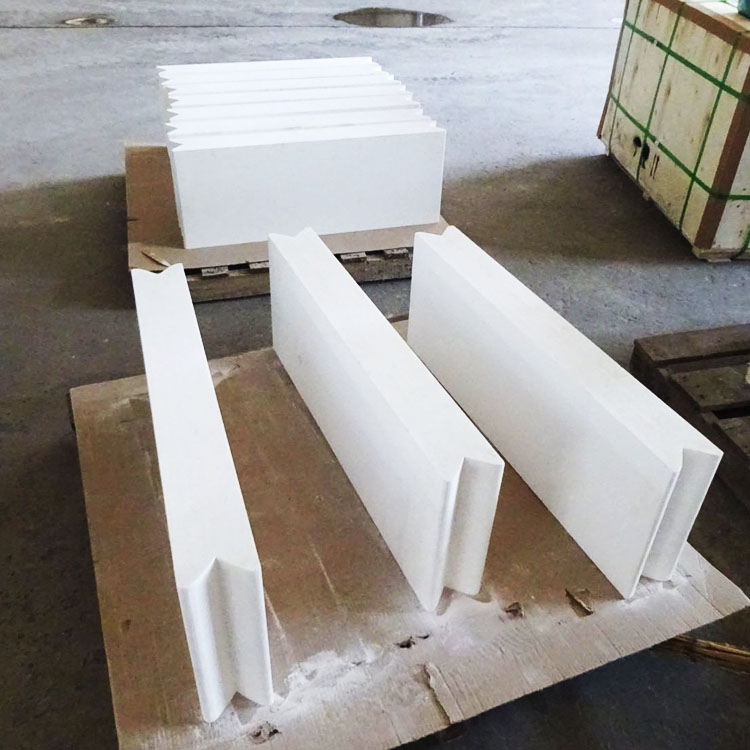
One of the fundamental benefits of mullite insulation bricks lies in their imported tabular alumina plus ultrafine powder technology, which ensures each brick is manufactured with high dimensional accuracy. This precision allows for rapid installation with minimal refractory mortar gaps, reducing mortar consumption by up to 30% compared to conventional bricks. Maintaining tight dimensional tolerances (±1 mm) also decreases the risk of misalignment and improves thermal insulation continuity within the refractory lining.
Careful control of mortar quantity during installation is imperative to uphold the brick bonding strength and thermal stability. Excessive mortar volume can cause uneven heat expansion and mortar shedding, while too little mortar compromises joint integrity. Recommended mortar thickness ranges between 3-5 mm for tunnel kiln applications, following standards such as YB/T 5012-2018 Refractory Materials Installation Guidelines
. Using high-quality refractory mortar compatible with mullite bricks further improves the thermal shock resistance of the lining.
Mullite insulation bricks exhibit superior thermal shock resistance due to their stable crystal structure and low thermal conductivity (~0.3 W/m·K at 1000°C). This combination ensures reduced heat loss and protects the kiln shell from thermal stress, significantly extending the furnace’s operating life. Optimal brick arrangement patterns and curing sequences further mitigate crack formation caused by abrupt temperature changes during startup and shutdown cycles.
The unique operational conditions of various kiln types necessitate specific masonry strategies:
Tailoring bricklaying techniques according to kiln-specific stresses enhances operational stability and energy efficiency.
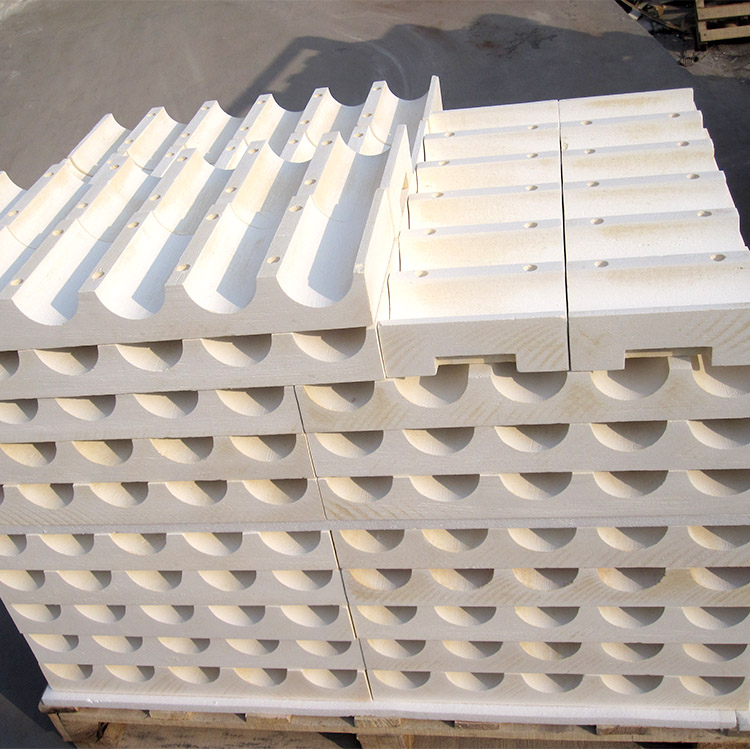
Implementing a robust construction workflow is essential:
Frequent error sources, such as insufficient curing, uneven mortar application, or deviation from specified dimensions, should be actively monitored and corrected through quality assurance protocols.
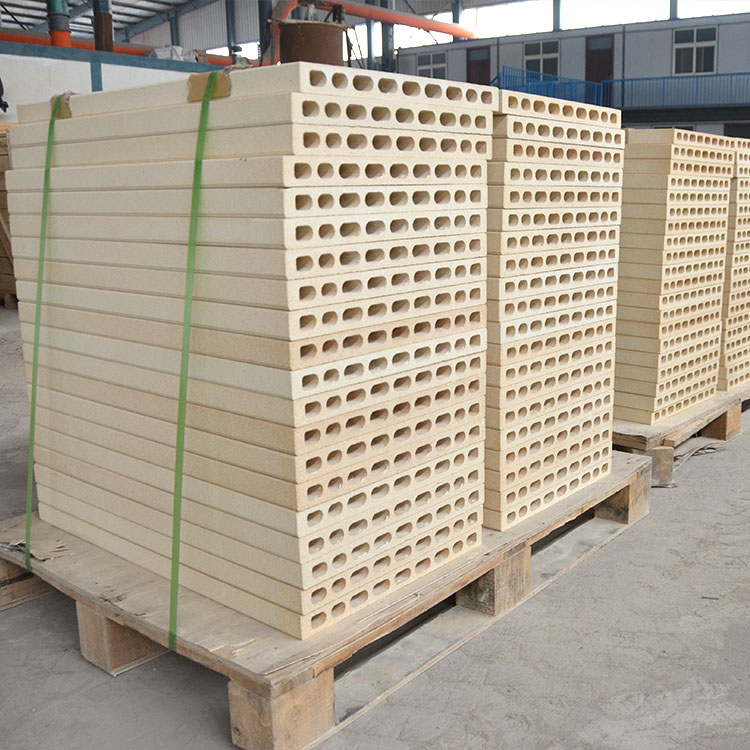
Engineers frequently encounter several challenge points during installation:
Preventive measures integrated within construction phases decrease rework rates and operational risk.
Leverage advanced refractory solutions designed for precision, durability, and energy efficiency.
 high alumina insulating brick
thermal shock resistant refractory
industrial furnace lining
mullite refractory brick
high frequency start stop furnace
Chemical furnace lining materials
Refractory insulation brick selection
High - strength refractory clay bricks
Chemical furnace refractory materials
Furnace lining material performance comparison
refractory brick cracking causes
thermal stress damage prevention
chemical furnace maintenance
high - strength refractory clay insulation bricks
thermal shock performance
high purity alumina insulation brick
petroleum cracking kiln energy saving
low thermal conductivity refractory
industrial furnace insulation
refractory material technology
insulating brick thermal shock resistance
kiln energy efficiency
high temperature refractory insulation
industrial furnace lining design
thermal stress management in kilns
high alumina insulating brick
thermal shock resistant refractory
industrial furnace lining
mullite refractory brick
high frequency start stop furnace
Chemical furnace lining materials
Refractory insulation brick selection
High - strength refractory clay bricks
Chemical furnace refractory materials
Furnace lining material performance comparison
refractory brick cracking causes
thermal stress damage prevention
chemical furnace maintenance
high - strength refractory clay insulation bricks
thermal shock performance
high purity alumina insulation brick
petroleum cracking kiln energy saving
low thermal conductivity refractory
industrial furnace insulation
refractory material technology
insulating brick thermal shock resistance
kiln energy efficiency
high temperature refractory insulation
industrial furnace lining design
thermal stress management in kilns