

.png?x-oss-process=image/resize,h_100,m_lfit/format,webp)
.png?x-oss-process=image/resize,h_100,m_lfit/format,webp)
.png?x-oss-process=image/resize,h_100,m_lfit/format,webp)

If your high-temperature furnace or kiln suffers from premature cracking, warping, or frequent maintenance, the culprit is often misunderstood. Over 90% of industry professionals overlook thermal shock resistance—a critical factor that governs the durability of refractory materials and ultimately dictates your kiln’s operational lifetime. Have you ever questioned why your refractory bricks fail under seemingly proper operation? The answer lies deep within heat shock resistance.
When cracks and spalling appear after repeated start-up and cool-down cycles, many blame handling or operational mistakes. However, technical analysis reveals that these symptoms often arise from inherent material limitations, namely:
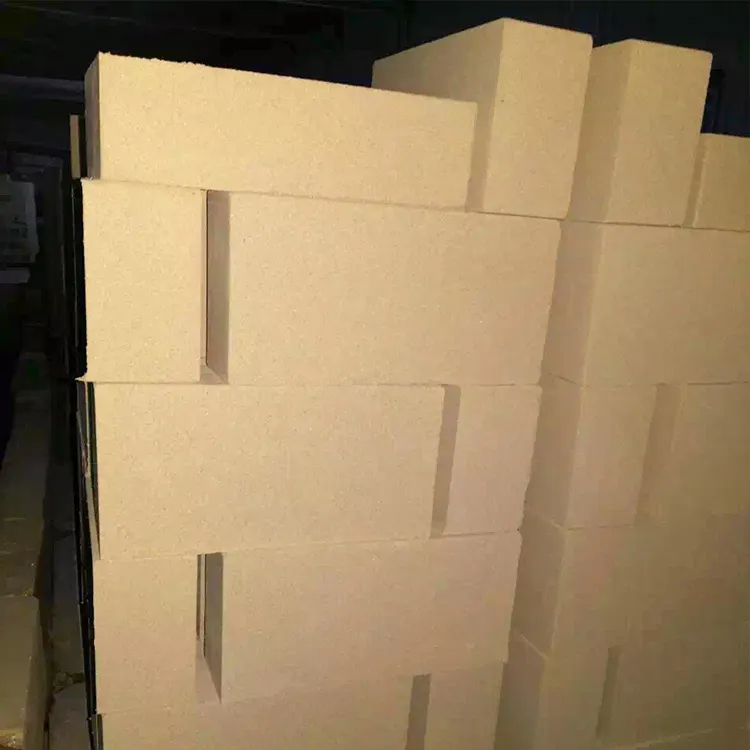
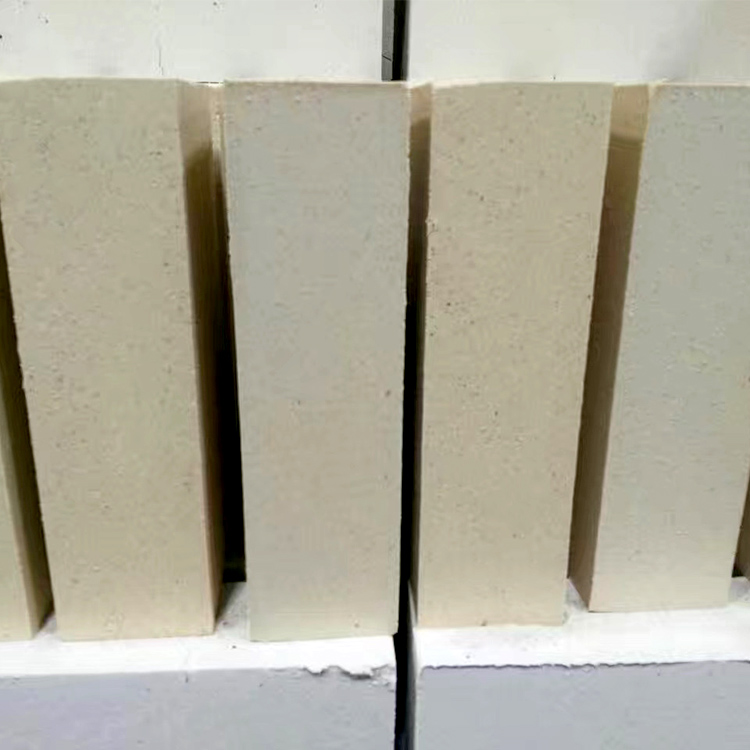
Thermal shock resistance describes a material’s ability to withstand sudden temperature variations without cracking. For kilns operating at temperatures up to 1650°C, selecting refractory bricks with a high alumina (Al₂O₃) content—typically ≥48%—is essential. Such bricks, particularly high-alumina insulation bricks, combine high mechanical strength with enhanced thermal stability.
For example, integrating mullite (3Al₂O₃·2SiO₂) and corundum (Al₂O₃) phases within brick microstructure acts like a "steel rebar" reinforcing the ceramic matrix, significantly improving creep resistance and reducing thermal expansion mismatch that causes cracking and delamination.
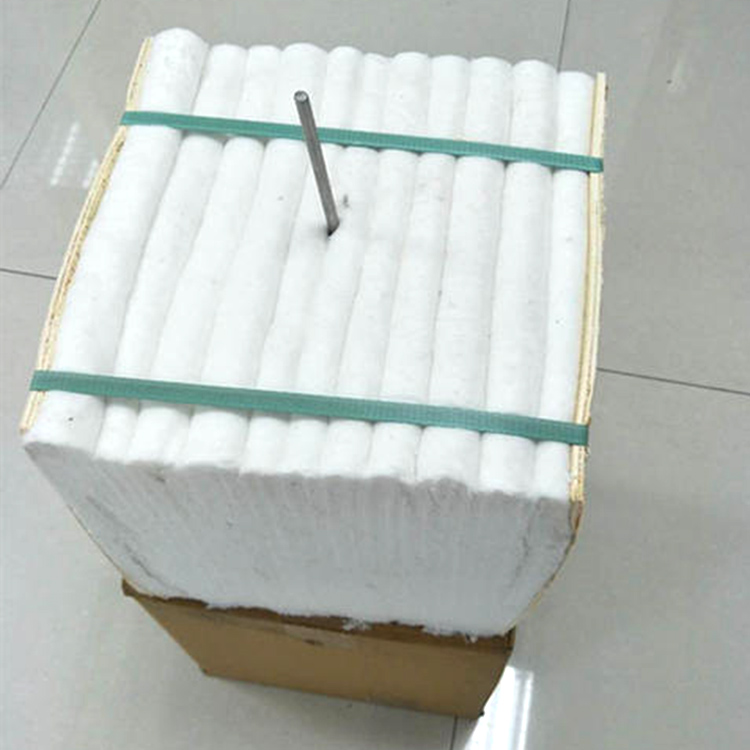
To assess whether your refractory material suits your process conditions, perform a visual inspection focused on:
Ask yourself: Does the observed cracking correspond to typical operational cycles or materials properties? Has the refractory brick endured temperature swings beyond its rated limits? Addressing these questions helps pinpoint if material upgrade or process adjustment is warranted.
In steelmaking converters and ceramic firing kilns, misselection of refractory materials leads to costly downtime. Studies show that adopting high-alumina bricks with refined microstructures increases operational cycles by over 30%, cutting maintenance expenses by nearly 30%. According to ISO 840:2014 and ASTM C704, thermal shock resistance can be quantified by the number of rapid heating-cooling cycles endured before failure.
Choosing bricks rated for ≥1650°C long-duration use with proven thermal shock performance can dramatically improve kiln lifespan and reliability, especially under fluctuating thermal loads common in petrochemical and metallurgy sectors.
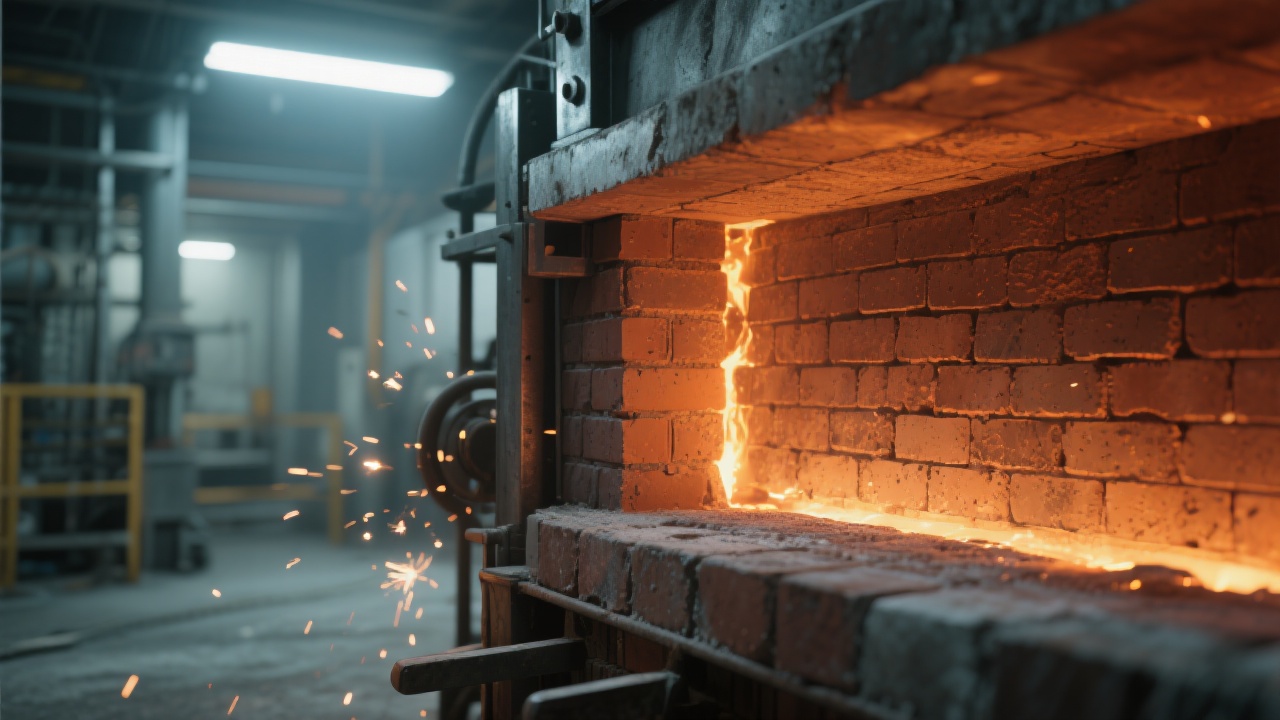
The industry truth is simple: choosing the right refractory bricks based on heat shock resistance saves you 30% in maintenance costs over the kiln’s life. When you select bricks with a scientifically validated microstructure and proven heat resistance, you minimize downtime and maximize productivity.
Rather than risking costly breakdowns, evaluate your current refractory lineup now—do the materials meet thermal shock resistance thresholds for your operating temperature swings? Is the alumina content sufficient? Are signs of thermal fatigue visible? These diagnostics ensure your kiln materials match your process needs precisely.
 refractory insulating brick selection
fireclay brick for chemical furnace
1350°C refractory material
thermal shock resistant brick
furnace lining material comparison
high-temperature furnace insulation
refractory brick installation
kiln thermal design
chemical industry energy saving
thermal shock resistant materials
Chemical furnace lining material selection
Performance comparison of refractory insulating bricks
Energy - saving transformation of high - temperature furnaces
Thermal shock - resistant refractory materials
High - strength refractory clay bricks
Refractory material selection
High - alumina insulating bricks
Furnace service life extension
Thermal shock resistance
Industrial furnace energy conservation
insulating brick thermal shock resistance
kiln energy efficiency
high temperature refractory insulation
industrial furnace lining design
thermal stress management in kilns
refractory insulating brick selection
fireclay brick for chemical furnace
1350°C refractory material
thermal shock resistant brick
furnace lining material comparison
high-temperature furnace insulation
refractory brick installation
kiln thermal design
chemical industry energy saving
thermal shock resistant materials
Chemical furnace lining material selection
Performance comparison of refractory insulating bricks
Energy - saving transformation of high - temperature furnaces
Thermal shock - resistant refractory materials
High - strength refractory clay bricks
Refractory material selection
High - alumina insulating bricks
Furnace service life extension
Thermal shock resistance
Industrial furnace energy conservation
insulating brick thermal shock resistance
kiln energy efficiency
high temperature refractory insulation
industrial furnace lining design
thermal stress management in kilns


.jpg?x-oss-process=image/resize,h_800,m_lfit/format,webp)