

.png?x-oss-process=image/resize,h_100,m_lfit/format,webp)
.png?x-oss-process=image/resize,h_100,m_lfit/format,webp)
.png?x-oss-process=image/resize,h_100,m_lfit/format,webp)
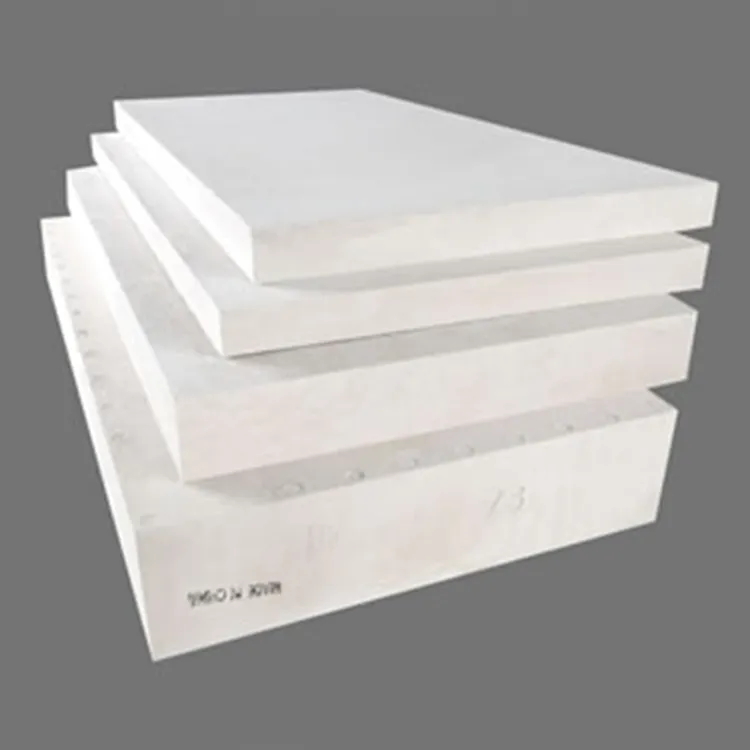
In the steel and ceramic industries, the short lifespan of steelmaking converters and high - temperature furnaces is a long - standing issue. Many often attribute it to operational problems. However, in fact, incorrect selection of refractory materials plays a significant role. According to industry research, up to 40% of furnace lifespan issues can be traced back to improper refractory material selection.
Thermal shock resistance is a crucial property of refractory materials. In high - temperature industrial environments, rapid temperature changes can cause internal stress in refractory materials, leading to cracks and damage. For example, in a steelmaking converter, the temperature can fluctuate from 1500°C to 2000°C within a short period. Materials with poor thermal shock resistance will quickly show signs of failure. ISO 18933 standard defines the test method for thermal shock resistance, and high - quality refractory materials should be able to withstand at least 10 - 15 thermal shock cycles without significant damage.
Long - term high - temperature stability refers to the ability of refractory materials to maintain their physical and chemical properties under continuous high - temperature conditions. ASTM C16 - 19 standard provides guidelines for evaluating the high - temperature performance of refractory materials. High - quality refractory materials can maintain their structural integrity and performance at temperatures above 1800°C for extended periods.
Thermal expansion matching is also important. When different layers of refractory materials in a furnace have inconsistent thermal expansion coefficients, it can lead to internal stress and separation between layers, reducing the overall performance and lifespan of the furnace lining. The ideal situation is that the thermal expansion coefficients of different materials are within a difference of less than 1×10⁻⁶/°C.
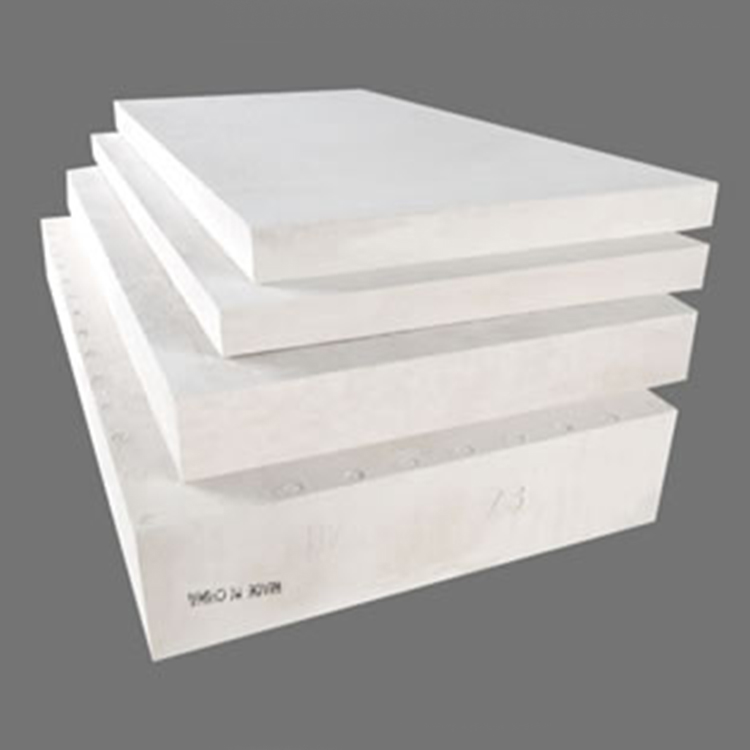
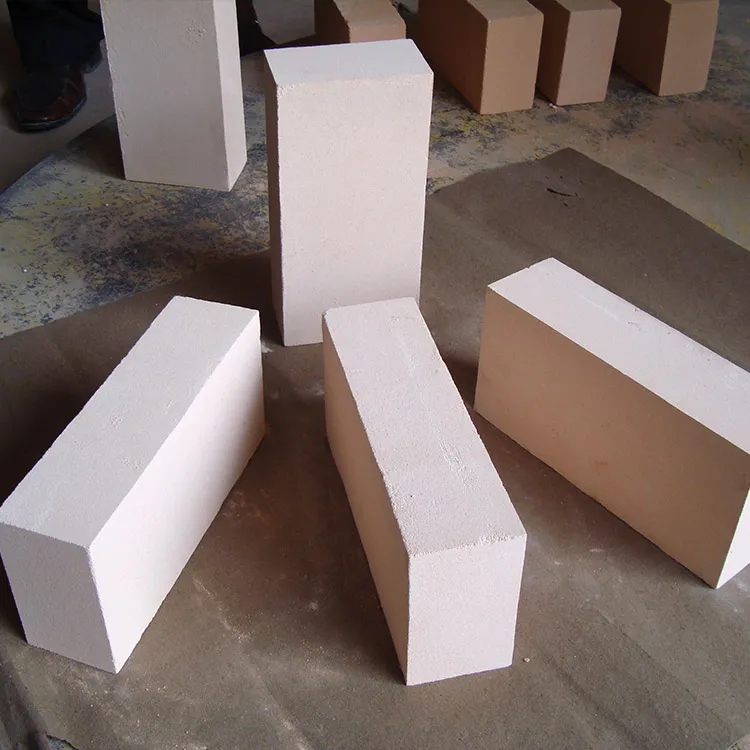
High - alumina insulating bricks are a popular choice in the industry. They are mainly composed of mullite and corundum main crystal phases, which endow them with excellent high - temperature resistance. Mullite has a melting point of about 1850°C, and corundum can withstand temperatures up to 2050°C. These high - temperature - resistant crystal phases ensure the stability of high - alumina insulating bricks in high - temperature environments.
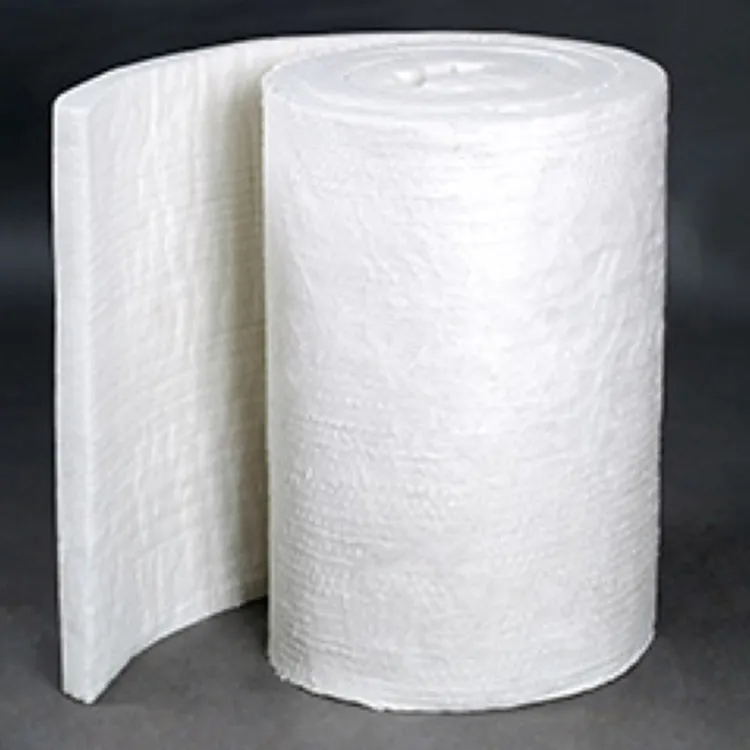
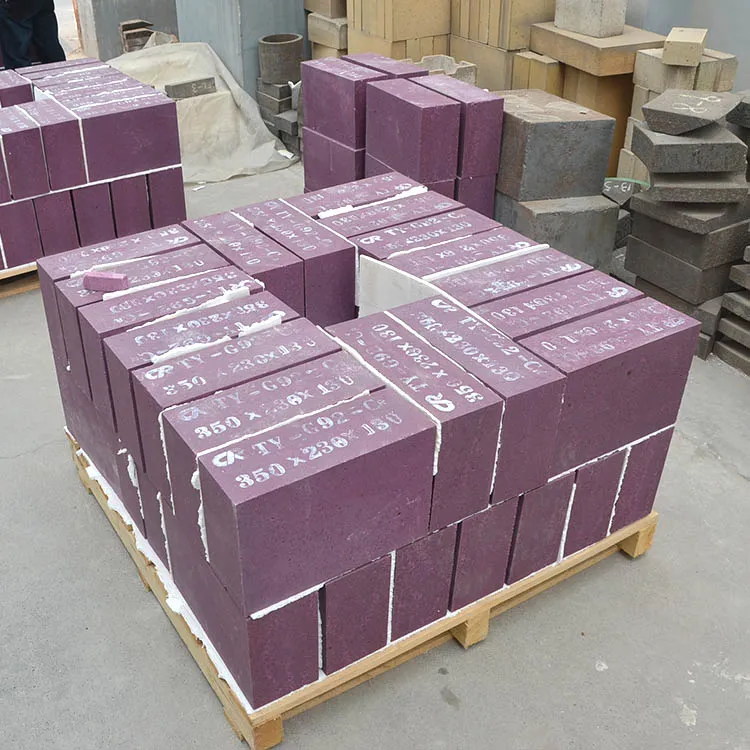
In different parts of the furnace, different types of refractory bricks should be used. For the inner layer of the steelmaking converter, which is in direct contact with molten steel, high - density magnesia - carbon bricks are recommended due to their excellent slag resistance and thermal shock resistance. For the middle layer, high - alumina insulating bricks can be used to reduce heat loss. For the outer layer, lightweight insulating bricks can be installed to further improve energy - saving performance.
Observation of "brick surface mesh cracks" and "spalling marks" is a simple and effective way to judge the suitability of refractory materials. If there are obvious mesh cracks or large - area spalling on the brick surface after a certain period of use, it indicates that the material may not be suitable for the current working conditions. By observing these signs early, enterprises can replace materials in time, avoiding longer - term damage to the furnace and reduced production efficiency.
Enterprises should consider their local working conditions, such as temperature, chemical environment, and mechanical stress when selecting refractory materials. By correctly selecting and matching refractory materials, enterprises can effectively extend the service life of furnaces, reduce maintenance costs, and achieve energy - saving and consumption - reduction goals. Our company's export - grade refractory materials are widely used around the world, helping numerous enterprises improve their competitiveness.
Discover the Best Refractory Materials for Your Furnaces Now!
 refractory brick cracking causes
thermal stress damage prevention
chemical furnace maintenance
refractory brick thermal shock resistance
refractory brick inspection guide
Thermal shock resistant refractory materials
High-frequency start-stop industrial furnaces
Thermal performance of high-alumina bricks
Refractory material selection guide
Energy-saving solutions for industrial furnaces
thermal shock resistance refractory bricks
chemical furnace maintenance
hollow sphere refractory materials
advanced clay refractory formulations
thermal stress damage prevention
refractory brick cracking reasons
thermal stress damage prevention
chemical furnace maintenance
high-strength refractory clay bricks
thermal shock-resistant refractory materials
high alumina insulating brick
ISO ASTM refractory standards
porous refractory material
industrial furnace energy efficiency
refractory brick for export
refractory brick cracking causes
thermal stress damage prevention
chemical furnace maintenance
refractory brick thermal shock resistance
refractory brick inspection guide
Thermal shock resistant refractory materials
High-frequency start-stop industrial furnaces
Thermal performance of high-alumina bricks
Refractory material selection guide
Energy-saving solutions for industrial furnaces
thermal shock resistance refractory bricks
chemical furnace maintenance
hollow sphere refractory materials
advanced clay refractory formulations
thermal stress damage prevention
refractory brick cracking reasons
thermal stress damage prevention
chemical furnace maintenance
high-strength refractory clay bricks
thermal shock-resistant refractory materials
high alumina insulating brick
ISO ASTM refractory standards
porous refractory material
industrial furnace energy efficiency
refractory brick for export