

.png?x-oss-process=image/resize,h_100,m_lfit/format,webp)
.png?x-oss-process=image/resize,h_100,m_lfit/format,webp)
.png?x-oss-process=image/resize,h_100,m_lfit/format,webp)
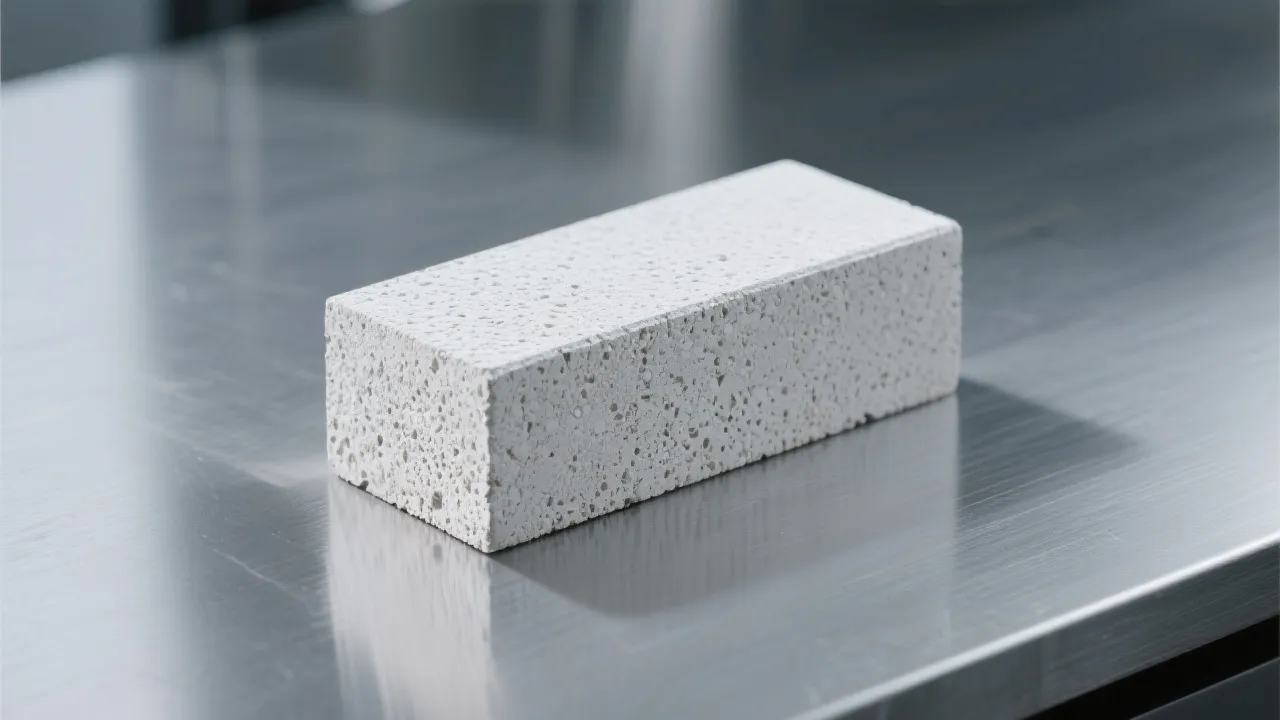
In the competitive landscape of industrial insulation, every technical parameter matters. Today, we delve into a critical specification for silica insulation bricks that often determines the efficiency and longevity of high-temperature industrial furnaces: volume density control below 1.2g/cm³. As engineers and procurement professionals seek to balance thermal performance, structural integrity, and energy efficiency, understanding the science behind this specification becomes paramount.
At the core of premium silica insulation bricks lies high-purity silicon dioxide (SiO₂), typically exceeding 96% in quality products like those from Sunrise. This exceptional purity directly contributes to two critical performance attributes:
But purity alone isn't sufficient. The magic happens when precise manufacturing processes—including controlled sintering and pore formation—create a microstructure that balances density, strength, and insulating properties.
Why specifically 1.2g/cm³? This critical threshold represents the optimal balance point where three essential properties intersect:
Density directly correlates with thermal conductivity. Tests show that silica bricks with density exceeding 1.2g/cm³ can increase heat transfer by up to 35%, leading to significant energy loss in industrial furnaces.
While lower density improves insulation, it can compromise structural integrity. Below 0.9g/cm³, compressive strength drops below the 15MPa minimum required for most industrial applications, increasing installation challenges and service life concerns.
The 1.0-1.2g/cm³ range optimizes the material's ability to withstand rapid temperature changes—a critical factor in furnaces with frequent cycling, reducing crack formation by up to 40% compared to denser alternatives.

"The 1.2g/cm³ density specification for silica insulation bricks represents decades of material science advancement. It's not arbitrary—it's the sweet spot where thermal efficiency and structural reliability converge to deliver real-world energy savings."
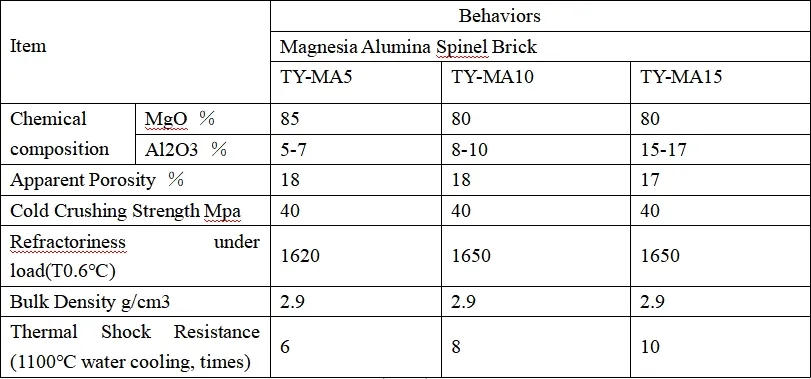
To understand the practical implications of density control, consider these comparative performance metrics across common density ranges:
| Density Range (g/cm³) | Thermal Conductivity (W/m·K at 800°C) | Compressive Strength (MPa) | Service Life Expectancy | Energy Savings Potential |
|---|---|---|---|---|
| 0.8-0.9 | 0.14-0.16 | 8-12 | 6-12 months | High, but short-lived |
| 1.0-1.2 | 0.16-0.22 | 15-22 | 2-3 years | Optimal balance |
| 1.3-1.5 | 0.24-0.29 | 25-30 | 3-4 years | 15-20% lower than optimal |
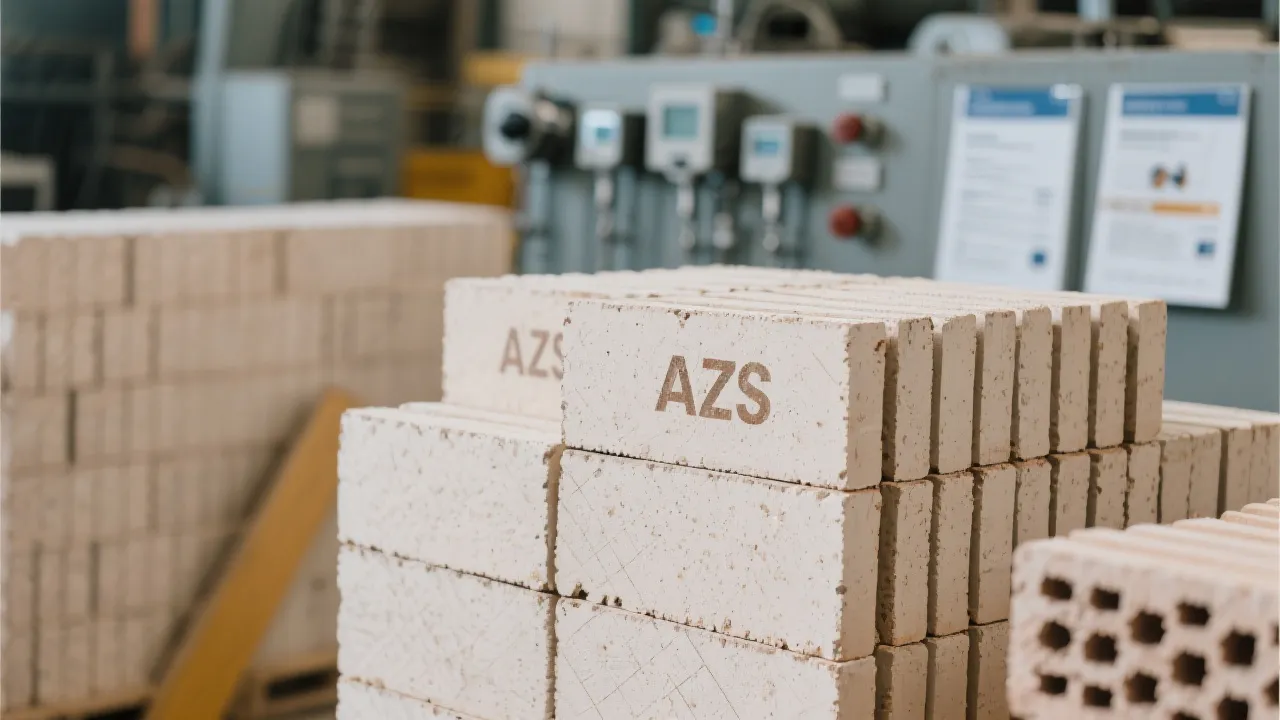
These data demonstrate why leading manufacturers like Sunrise maintain strict density control within the 1.0-1.2g/cm³ range—delivering the ideal combination of insulation performance, structural integrity, and long-term value.
Different industrial furnace applications present unique challenges that make precise density control critical:
In glass manufacturing, where temperatures exceed 1500°C and energy costs represent up to 30% of production expenses, silica insulation bricks with controlled density (1.1-1.2g/cm³) have been shown to reduce heat loss by 28-35% compared to conventional refractory linings. A recent case study at a major European glass producer documented annual energy savings of €240,000 after retrofitting their furnace with Sunrise silica insulation bricks.
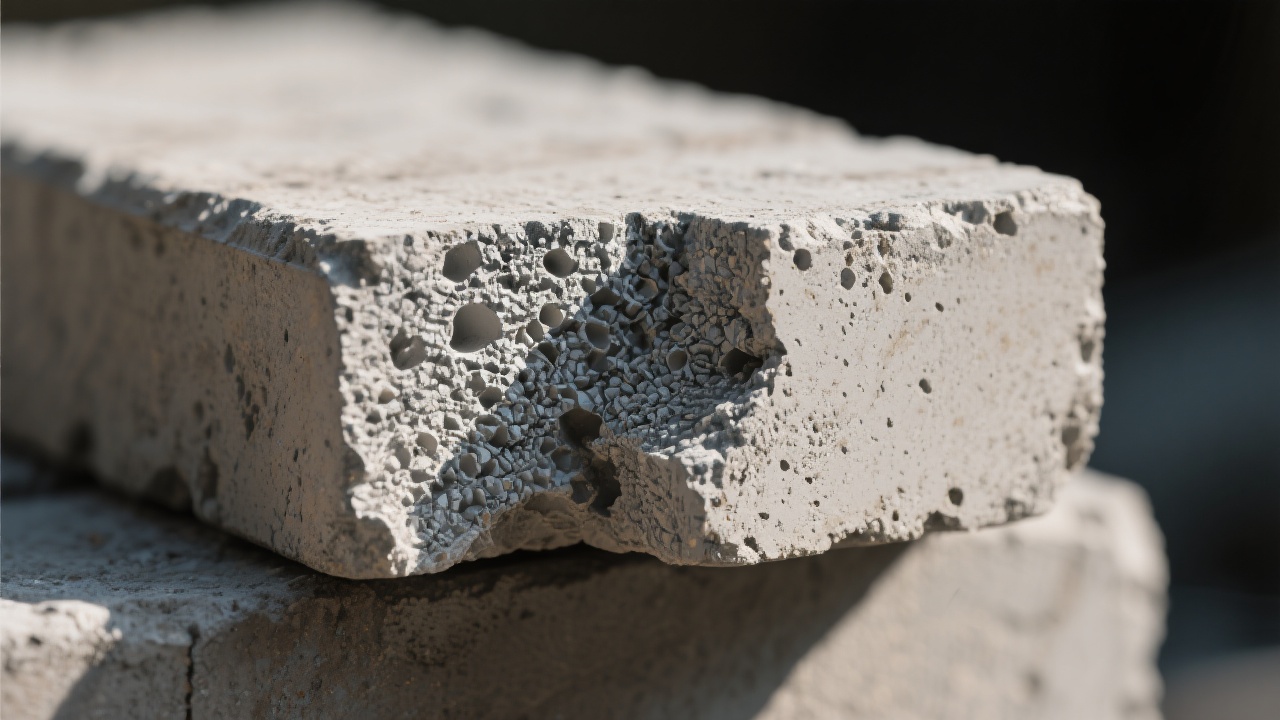
For coke production and carbon processing, where thermal cycling is frequent and operational temperatures range from 900-1200°C, the thermal shock resistance of properly densified silica bricks becomes critical. The 1.0-1.2g/cm³ density range provides the necessary flexibility to withstand rapid temperature changes while maintaining structural integrity. Steel producers report 30-40% longer service life compared to alternative insulation materials.
Many facilities unknowingly compromise on insulation performance by selecting bricks based solely on initial cost rather than density specifications. The resulting energy inefficiency often costs far more than the initial savings within the first year of operation.
To ensure you're receiving silica insulation bricks that meet the critical density specification, implement these verification steps:
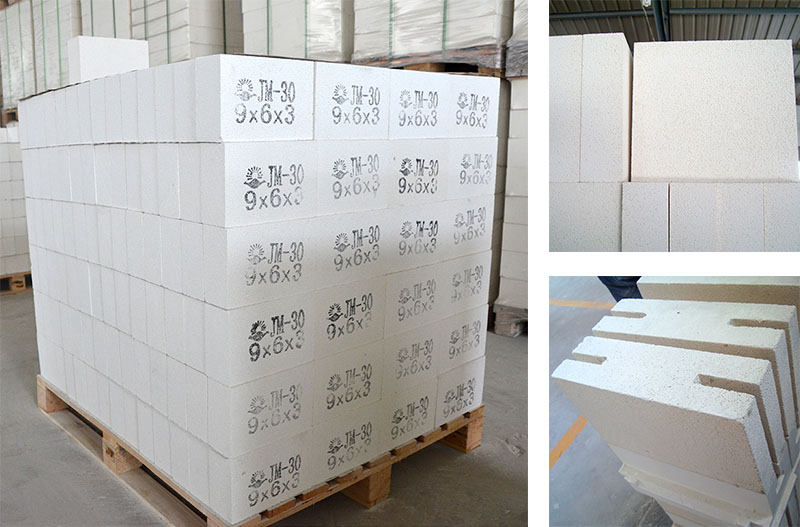
During installation, proper handling is crucial to maintaining brick integrity. Always allow for thermal expansion (typically 1.5-2.0mm per meter of length) and ensure mortar selection matches the brick's thermal properties. Improper installation can negate even the best material performance.
When specifying silica insulation bricks, procurement professionals often fall prey to these common misconceptions:
While lower density improves initial insulation, it significantly reduces structural strength and service life. The optimal balance at 1.0-1.2g/cm³ delivers better long-term value despite slightly higher thermal conductivity than ultra-low density alternatives.
Impurities, manufacturing processes, and quality control vary dramatically between producers. Sunrise's proprietary sintering process, for example, creates a more uniform pore structure that maintains insulation performance longer than conventional production methods.
Download our comprehensive Industrial Furnace Insulation Selection Guide to discover how controlled density silica bricks can reduce energy costs by 20-35% while extending equipment service life.
Get Your Free Guide NowAs industrial operations face increasing pressure to reduce energy consumption and improve sustainability, the technical specifications of insulation materials take on new importance. The 1.2g/cm³ density threshold for silica insulation bricks isn't just a number—it's a critical factor in achieving the delicate balance between thermal efficiency, structural integrity, and long-term performance. By prioritizing this specification and working with trusted manufacturers like Sunrise, industrial operators can achieve meaningful energy savings while enhancing furnace reliability and safety.
 Industrial kiln refractory brick masonry techniques
Electric porcelain drawer kiln construction optimization
High - temperature kiln energy - saving transformation
Mullite insulation brick application
Refractory material construction standards
Industrial kiln refractory bricks
Mullite insulation brick masonry
Electric porcelain drawer kiln refractory materials
High - temperature kiln energy - saving technology
Refractory brick rapid masonry techniques
Low thermal conductivity insulating refractory bricks
Industrial furnace energy-saving retrofit
Mullite insulating bricks
Refractory material technical advantages
High-temperature furnace energy-saving solutions
low thermal conductivity insulation bricks
mullite insulation bricks
industrial kiln energy efficiency
refractory materials
thermal shock stability
high-purity alumina brick
blast furnace refractory
low thermal conductivity refractory
industrial furnace insulation
refractory lining lifespan
Industrial kiln refractory brick masonry techniques
Electric porcelain drawer kiln construction optimization
High - temperature kiln energy - saving transformation
Mullite insulation brick application
Refractory material construction standards
Industrial kiln refractory bricks
Mullite insulation brick masonry
Electric porcelain drawer kiln refractory materials
High - temperature kiln energy - saving technology
Refractory brick rapid masonry techniques
Low thermal conductivity insulating refractory bricks
Industrial furnace energy-saving retrofit
Mullite insulating bricks
Refractory material technical advantages
High-temperature furnace energy-saving solutions
low thermal conductivity insulation bricks
mullite insulation bricks
industrial kiln energy efficiency
refractory materials
thermal shock stability
high-purity alumina brick
blast furnace refractory
low thermal conductivity refractory
industrial furnace insulation
refractory lining lifespan