

.png?x-oss-process=image/resize,h_100,m_lfit/format,webp)
.png?x-oss-process=image/resize,h_100,m_lfit/format,webp)
.png?x-oss-process=image/resize,h_100,m_lfit/format,webp)
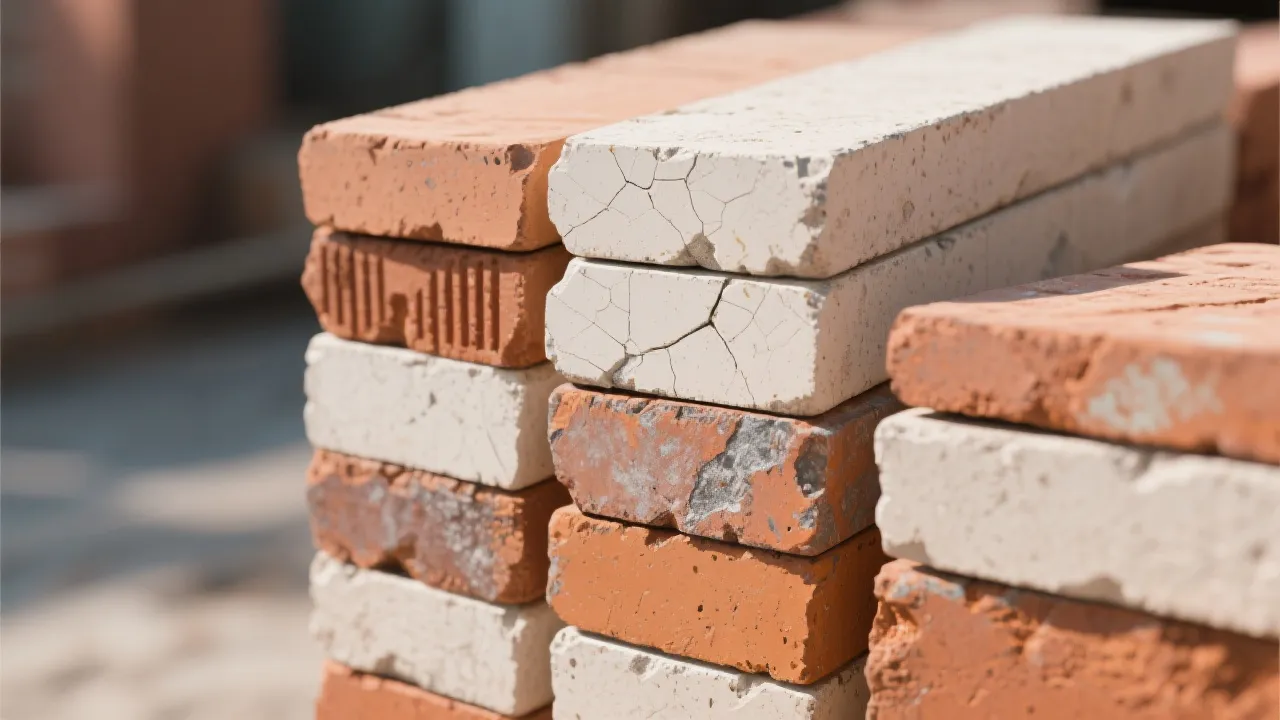
In today's industrial landscape, energy efficiency has become a critical factor for sustainable operations. For high-temperature industrial processes, the choice of thermal insulation materials directly impacts energy consumption, operational costs, and environmental footprint. Among the various options available, silica insulation bricks have emerged as a superior solution for high-temperature applications. This article explores how silica insulation bricks achieve exceptional thermal efficiency and identifies the three key parameters that determine their performance.
Silica insulation bricks, primarily composed of high-purity silicon dioxide (SiO₂), offer a unique combination of low thermal conductivity and high structural stability at elevated temperatures. Unlike conventional refractory materials, these specialized bricks are engineered to provide superior thermal insulation while maintaining sufficient mechanical strength to withstand industrial furnace environments.
Industrial furnaces operating at temperatures exceeding 1000°C can lose up to 30% of their energy through heat transfer to the environment. Sunrise's silica insulation solutions address this challenge by creating an effective thermal barrier that significantly reduces heat loss, potentially lowering energy consumption by 15-25% in typical applications.
ENGINEERING INSIGHT:
The thermal conductivity of silica insulation bricks typically ranges from 0.2 to 0.4 W/m·K at 1000°C, significantly lower than traditional firebricks which often exceed 1.0 W/m·K under the same conditions.
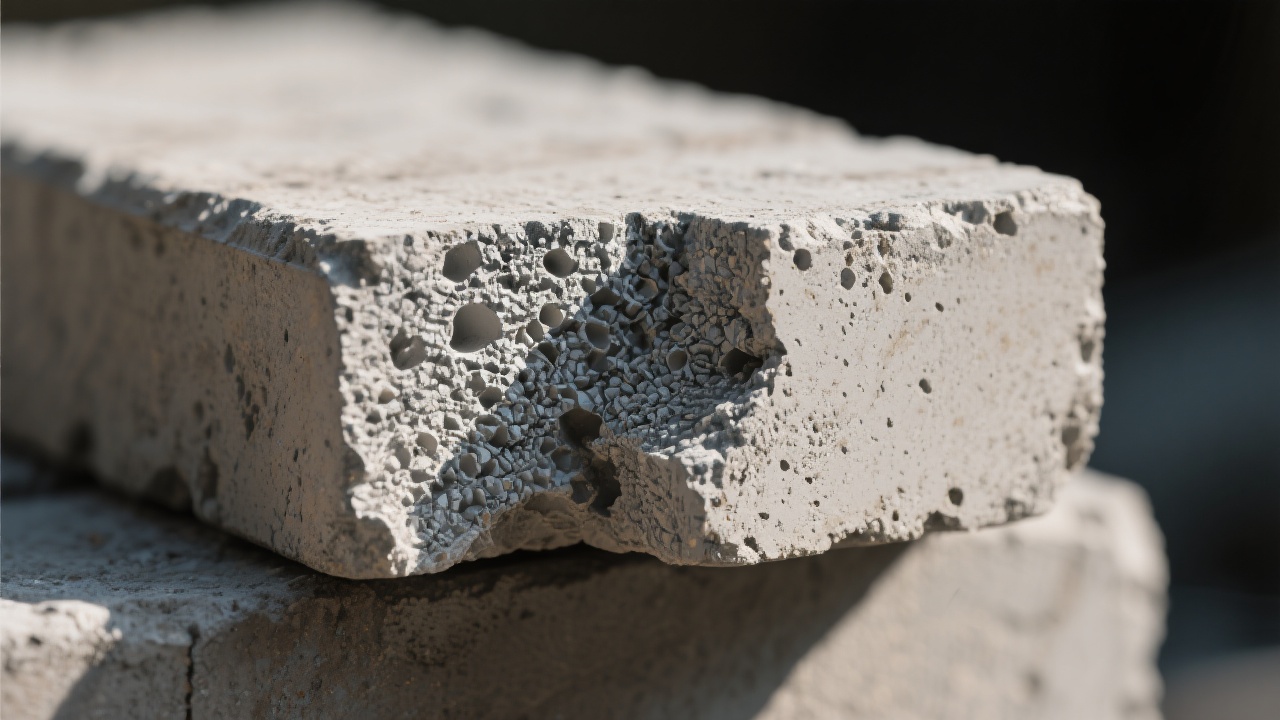
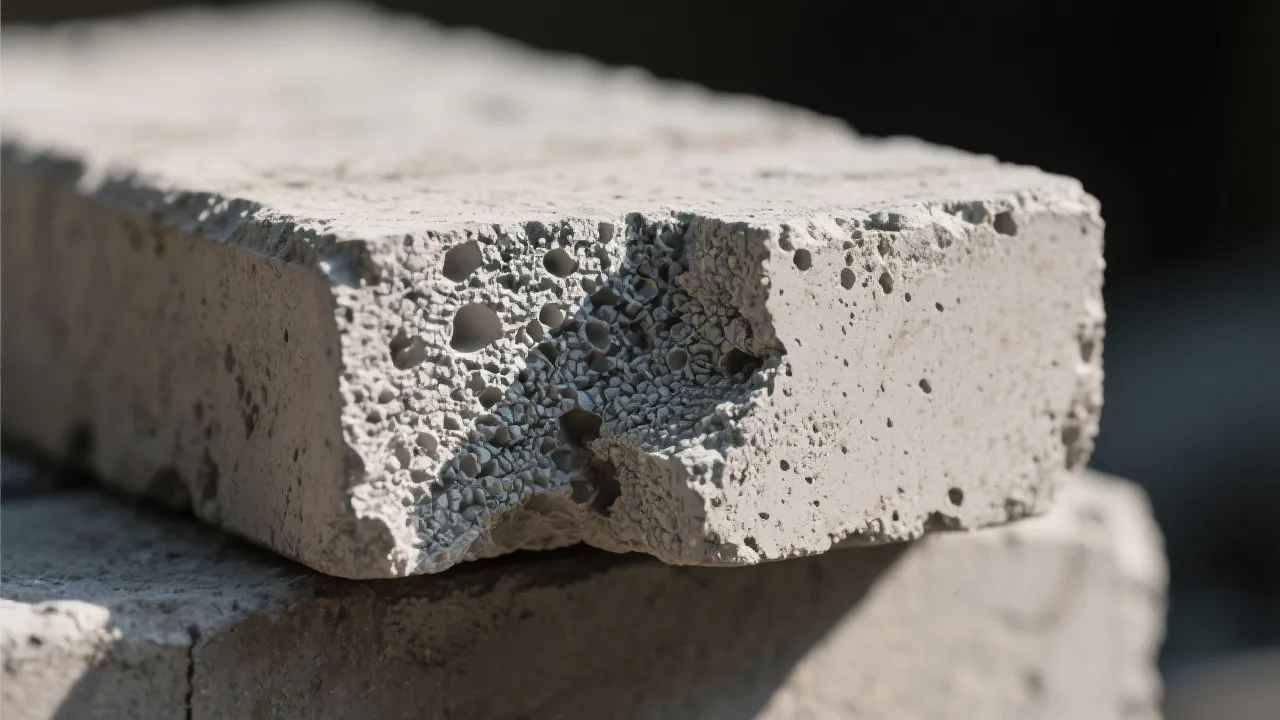
The purity of silicon dioxide directly influences the material's thermal properties and structural stability at high temperatures. Sunrise silica insulation bricks maintain a minimum SiO₂ content of 96%, ensuring optimal performance in extreme environments.
High purity levels prevent the formation of low-melting-point phases that can compromise structural integrity and increase thermal conductivity. Impurities such as alumina, iron oxides, and alkalis can form eutectic compositions that melt at temperatures as low as 1200°C, leading to premature failure and reduced insulation efficiency.
| SiO₂ Purity Level | Maximum Service Temperature | Thermal Conductivity (1000°C) |
|---|---|---|
| 92-94% | 1400°C | 0.35-0.45 W/m·K |
| 96-98% | 1600°C | 0.25-0.35 W/m·K |
| 99%+ | 1700°C | 0.20-0.30 W/m·K |
One of the most critical parameters in silica insulation brick performance is bulk density, which directly affects both thermal insulation efficiency and mechanical strength. Sunrise's advanced manufacturing process achieves a bulk density of 0.9-1.2 g/cm³, representing the optimal balance between insulation performance and structural integrity.
A lower bulk density typically indicates better insulation properties due to increased porosity, but excessive porosity can compromise structural strength. The carefully controlled density of Sunrise silica insulation bricks ensures they can withstand thermal cycling and mechanical stress while providing superior insulation.

Many engineers assume that higher density equals better performance in high-temperature applications. However, our case studies demonstrate that properly engineered low-density silica bricks (1.0-1.2 g/cm³) can reduce heat loss by up to 35% compared to conventional high-density firebricks (2.0-2.4 g/cm³), while maintaining sufficient structural stability for most industrial furnace applications.
Even small amounts of impurities can significantly impact the performance of silica insulation bricks. Sunrise maintains strict quality control to ensure total impurity content remains below 3%, with critical impurities such as Fe₂O₃ controlled to less than 0.5%.
These stringent purity standards prevent several performance issues:
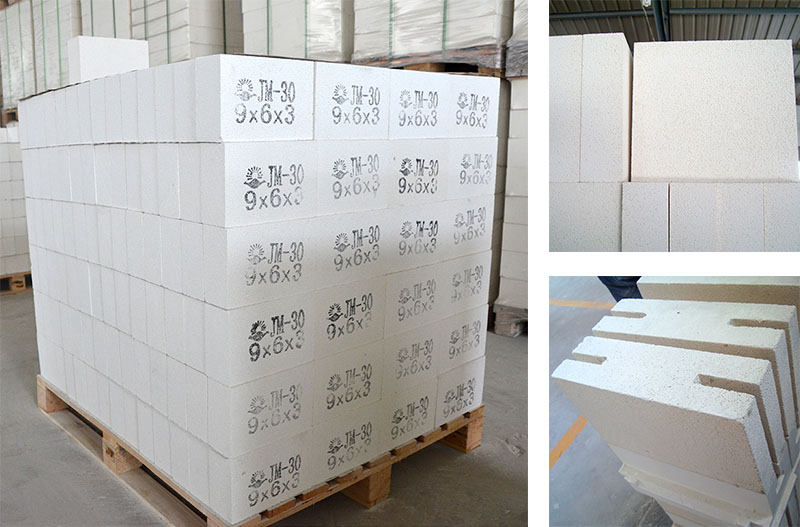
Different high-temperature industrial processes have unique requirements that influence silica insulation brick selection. Based on hundreds of successful installations, Sunrise recommends specific material parameters for common applications:
Recommended: High-purity (97%+ SiO₂), density 1.0-1.1 g/cm³
Expected Energy Savings: 18-22% compared to standard insulation
Recommended: Medium-purity (96% SiO₂), density 1.1-1.2 g/cm³
Expected Energy Savings: 15-18% with improved durability
Recommended: High-purity (98%+ SiO₂), density 0.9-1.0 g/cm³
Expected Energy Savings: 20-25% with excellent thermal shock resistance
Recommended: Medium-purity (96-97% SiO₂), density 1.0-1.1 g/cm³
Expected Energy Savings: 16-20% with consistent temperature control
Discover how Sunrise silica insulation solutions can reduce your energy costs while improving process stability and environmental performance.
Get Your Custom High-Temperature Efficiency AnalysisWhen selecting silica insulation bricks for your application, remember that the three critical parameters—purity, density, and impurity content—work together to determine performance. By choosing a trusted supplier like Sunrise that maintains strict control over these parameters, you can achieve significant energy savings, improve process efficiency, and extend furnace service life.
Proper installation and maintenance are also essential to maximizing performance. Ensure your installation team follows best practices for brick placement and joint filling, and implement a regular inspection program to monitor for signs of wear or degradation. With the right material selection and maintenance approach, silica insulation bricks can provide reliable performance for 5-8 years in most high-temperature industrial applications.
 high purity alumina insulation brick
petroleum cracking kiln energy saving
low thermal conductivity refractory
industrial furnace insulation
refractory material technology
Low thermal conductivity insulating refractory bricks
Industrial furnace energy-saving retrofit
Mullite insulating bricks
Refractory material technical advantages
High-temperature furnace energy-saving solutions
Mullite insulation bricks
Electric porcelain drawer kiln refractory bricks
Industrial kiln masonry techniques
High-temperature refractory material applications
Energy-saving refractory brick technology
High-strength insulating refractory bricks
Installation of refractory bricks for ceramic roller kilns
Industrial kiln refractory materials
Fast masonry technology
Energy-saving refractory bricks
low thermal conductivity insulating refractory bricks
industrial furnace energy - saving renovation
mullite insulating bricks
refractory material selection guide
high - temperature furnace energy - saving solutions
high purity alumina insulation brick
petroleum cracking kiln energy saving
low thermal conductivity refractory
industrial furnace insulation
refractory material technology
Low thermal conductivity insulating refractory bricks
Industrial furnace energy-saving retrofit
Mullite insulating bricks
Refractory material technical advantages
High-temperature furnace energy-saving solutions
Mullite insulation bricks
Electric porcelain drawer kiln refractory bricks
Industrial kiln masonry techniques
High-temperature refractory material applications
Energy-saving refractory brick technology
High-strength insulating refractory bricks
Installation of refractory bricks for ceramic roller kilns
Industrial kiln refractory materials
Fast masonry technology
Energy-saving refractory bricks
low thermal conductivity insulating refractory bricks
industrial furnace energy - saving renovation
mullite insulating bricks
refractory material selection guide
high - temperature furnace energy - saving solutions