

.png?x-oss-process=image/resize,h_100,m_lfit/format,webp)
.png?x-oss-process=image/resize,h_100,m_lfit/format,webp)
.png?x-oss-process=image/resize,h_100,m_lfit/format,webp)

In today's energy-intensive industrial landscape, selecting the right thermal insulation materials isn't just a technical decision—it's a strategic investment in operational efficiency, safety, and long-term profitability. For high-temperature applications ranging from glass furnaces to coke ovens, silica insulation bricks have emerged as a material of choice, offering an exceptional balance between thermal resistance and structural integrity.
At the heart of these specialized bricks lies high-purity silicon dioxide (SiO₂), typically exceeding 96% purity. This chemical composition is fundamental to their performance, as silica exhibits remarkable thermal stability even under extreme temperatures exceeding 1600°C. Unlike conventional refractory materials, Sunrise silica insulation bricks are engineered to maintain their structural integrity while providing superior thermal insulation properties.
Achieving optimal insulation without compromising structural stability presents a unique engineering challenge. Sunrise has mastered this balance by producing silica insulation bricks with a controlled bulk density of less than 1.2g/cm³—significantly lower than traditional dense refractories while maintaining impressive mechanical strength. This density range delivers thermal conductivity values as low as 0.25 W/m·K at operating temperatures, translating to substantial energy savings.
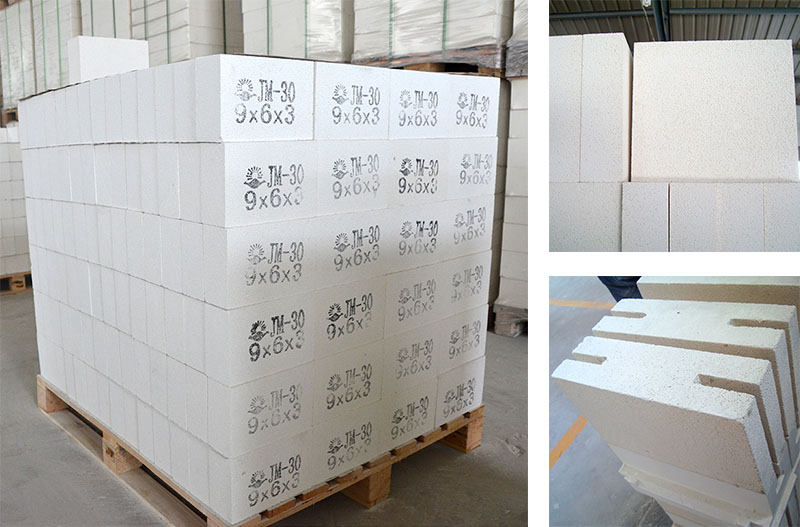
In industrial furnace applications, thermal shock—caused by rapid temperature fluctuations—represents one of the most common failure mechanisms for refractory materials. Silica insulation bricks demonstrate exceptional thermal shock resistance, typically withstanding temperature differentials of 300°C or more without cracking or spalling.
| Performance Parameter | Silica Insulation Brick | Traditional Refractory |
|---|---|---|
| Bulk Density (g/cm³) | < 1.2 | 1.8 - 2.6 |
| Max Service Temperature (°C) | 1600 - 1700 | 1400 - 1600 |
| Thermal Conductivity (W/m·K at 1000°C) | 0.25 - 0.35 | 0.8 - 1.2 |
| Thermal Shock Resistance (cycles) | >50 | 20 - 30 |
Often overlooked in material selection, impurity content directly impacts both thermal performance and service life. Even small amounts of impurities like alumina, iron oxides, or alkalis can create low-melting phases that compromise structural integrity at high temperatures. Sunrise's advanced purification processes ensure impurity levels remain below 3%, significantly reducing the risk of premature failure and maintaining consistent thermal properties throughout the material's lifespan.
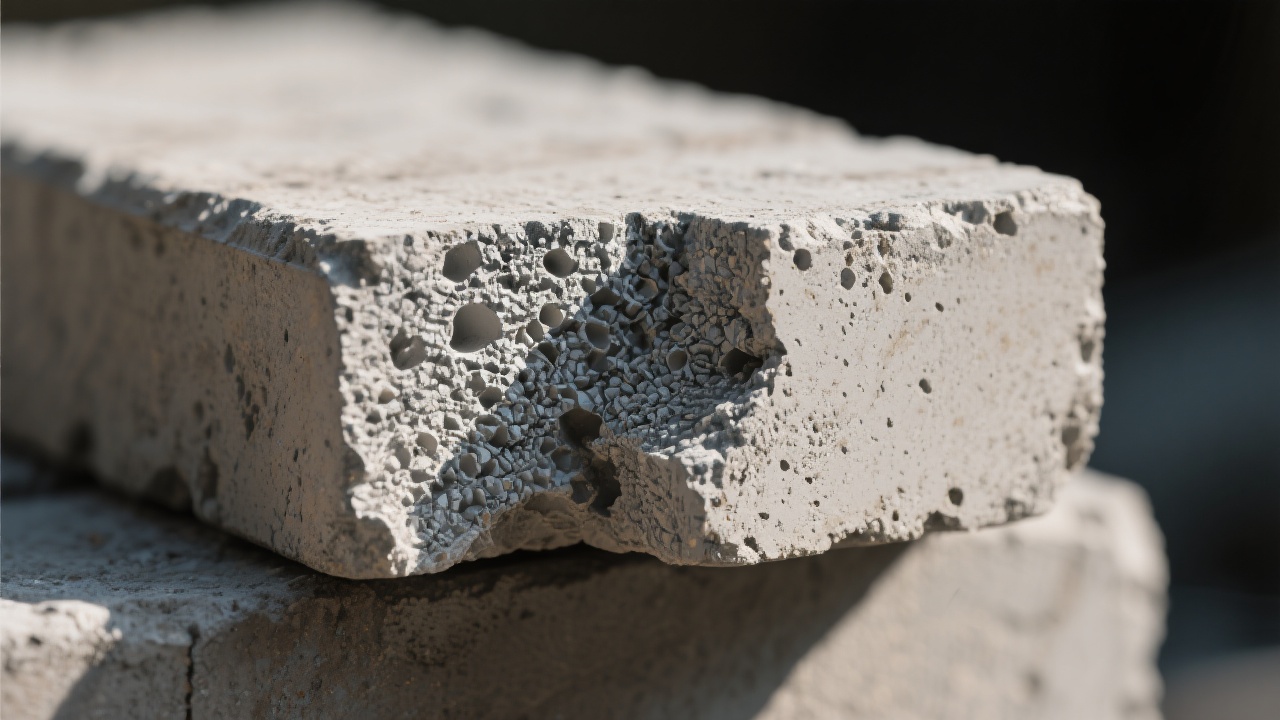
A recent retrofit project at a European glass manufacturing facility replaced conventional refractory linings with Sunrise silica insulation bricks. The results were striking: furnace heat loss decreased by 32%, resulting in annual energy savings of approximately 2,800 MWh—equivalent to reducing CO₂ emissions by 1,500 tons per year while extending maintenance intervals by 40%.
Not all silica insulation bricks are created equal. Different industrial applications demand specific material characteristics:
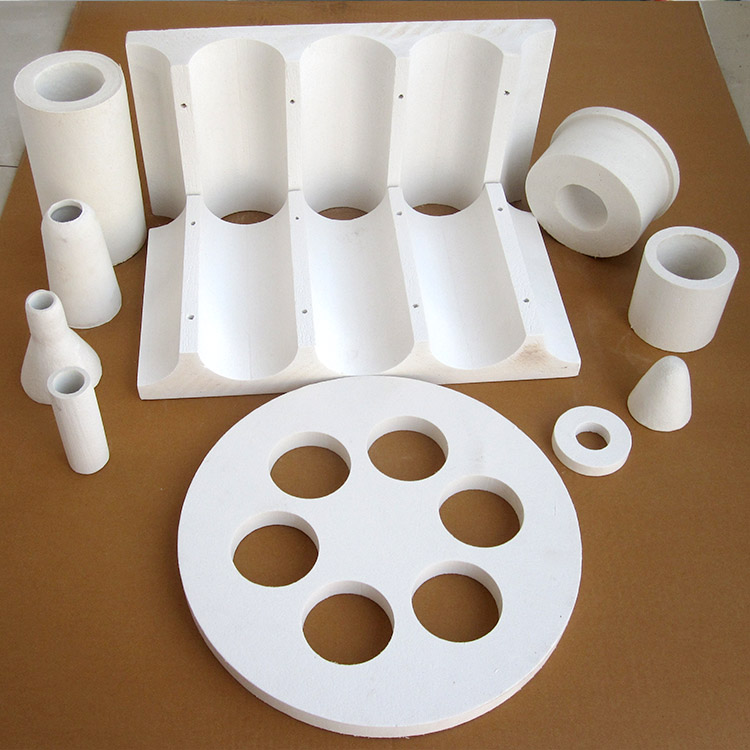
When evaluating silica insulation bricks, engineering teams should look beyond basic specifications. Reputable suppliers like Sunrise provide comprehensive material testing documentation, including:
ASTM C177 or ISO 8302 compliant measurements across temperature ranges relevant to your application
ASTM C1171 procedures with documented cycle counts and failure modes
Full elemental composition including trace impurities that could affect performance
The right insulation material can transform your energy efficiency, reduce downtime, and extend equipment lifespan. Don't settle for generic solutions when your operation demands precision-engineered materials.
Download Sunrise's Silica Insulation Brick Technical Selection GuideNote: Proper installation and maintenance are critical to achieving optimal performance from silica insulation bricks. Always follow manufacturer guidelines and industry best practices for handling and installation in high-temperature environments.
 insulating firebrick efficiency
refractory mortar reduction
high-strength insulation brick
industrial kiln optimization
mullite refractory brick
Industrial kiln refractory brick masonry techniques
Electric porcelain drawer kiln construction optimization
High - temperature kiln energy - saving transformation
Mullite insulation brick application
Refractory material construction standards
industrial kiln refractory bricks
mullite insulating bricks
high-efficiency masonry technology
refractory mortar reduction
kiln energy-saving retrofit
low thermal conductivity refractory brick
mullite insulation brick
blast furnace refractory
thermal shock resistance
industrial furnace energy saving
mullite insulating brick
low thermal conductivity refractory
industrial furnace energy saving material
shuttle kiln sintering process
ultrafine powder additive technology
insulating firebrick efficiency
refractory mortar reduction
high-strength insulation brick
industrial kiln optimization
mullite refractory brick
Industrial kiln refractory brick masonry techniques
Electric porcelain drawer kiln construction optimization
High - temperature kiln energy - saving transformation
Mullite insulation brick application
Refractory material construction standards
industrial kiln refractory bricks
mullite insulating bricks
high-efficiency masonry technology
refractory mortar reduction
kiln energy-saving retrofit
low thermal conductivity refractory brick
mullite insulation brick
blast furnace refractory
thermal shock resistance
industrial furnace energy saving
mullite insulating brick
low thermal conductivity refractory
industrial furnace energy saving material
shuttle kiln sintering process
ultrafine powder additive technology