


.png?x-oss-process=image/resize,h_100,m_lfit/format,webp)
.png?x-oss-process=image/resize,h_100,m_lfit/format,webp)
.png?x-oss-process=image/resize,h_100,m_lfit/format,webp)
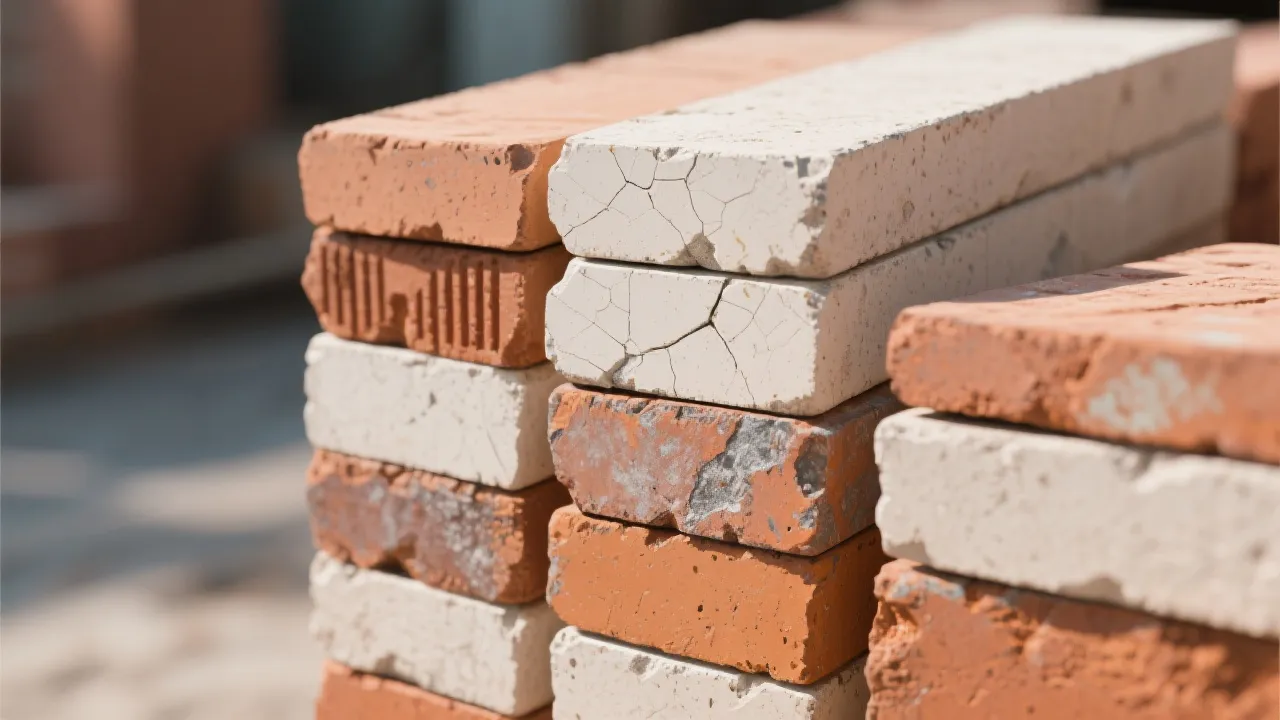
When it comes to industrial furnace efficiency, every degree of heat retained translates directly to bottom-line savings. In high-temperature operations like glass melting, coke production, and carbon forging, the choice of thermal insulation material can mean the difference between operating at a profit or loss. Silica insulation bricks have emerged as a game-changing solution, but their performance is deeply influenced by specific technical parameters that are often misunderstood.
"In high-temperature industrial processes, up to 30% of energy input can be lost through inefficient insulation systems. Selecting the right silica insulation brick isn't just a technical decision—it's a strategic investment in long-term operational efficiency."
At the core of every high-performance silica insulation brick lies high-purity silicon dioxide (SiO₂), typically exceeding 96%. This exceptional purity forms the foundation for the material's remarkable thermal stability. Unlike conventional refractory materials, Sunrise silica insulation bricks are engineered to maintain structural integrity even under extreme temperature fluctuations commonly found in industrial furnace environments.
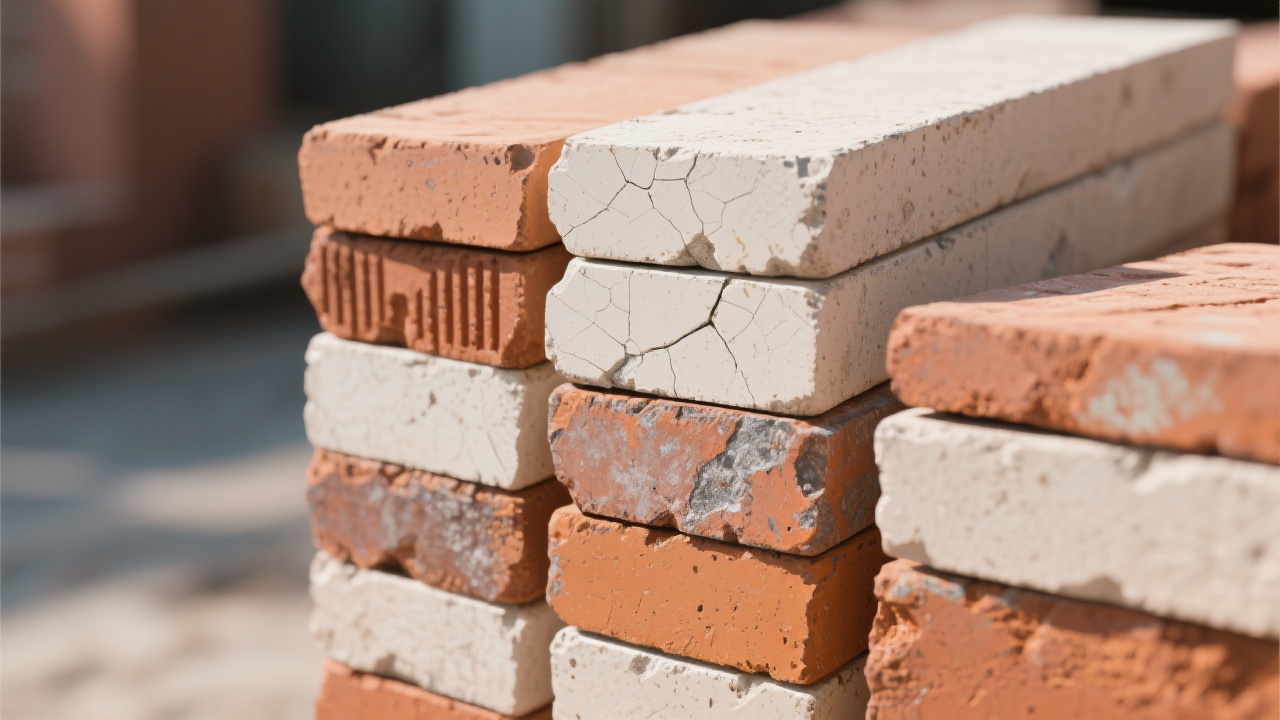
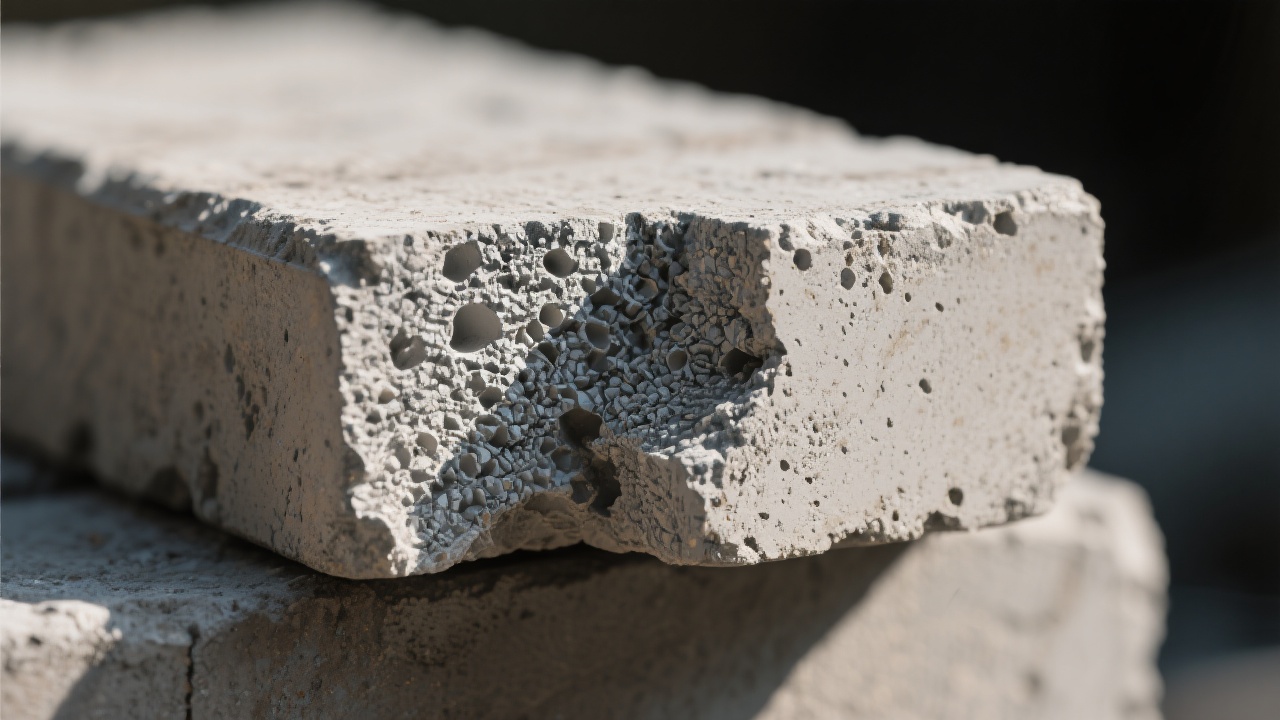
One of the most misunderstood parameters in silica insulation brick selection is bulk density. While many assume "lower density equals better insulation," the reality is far more nuanced. The optimal bulk density range of less than 1.2g/cm³ represents a carefully engineered balance between three critical factors:
Engineering studies show that silica insulation bricks with bulk density between 0.9-1.2g/cm³ typically achieve thermal conductivity values as low as 0.25-0.45 W/(m·K) at 1000°C, representing a 30-40% improvement over traditional firebricks.
Thermal conductivity (λ) is the definitive measure of a material's ability to transfer heat. For silica insulation bricks, this parameter is influenced by:

"Density isn't everything when selecting silica insulation bricks. A brick with density 0.8g/cm³ might seem superior to one at 1.1g/cm³, but if it lacks structural stability, it will fail prematurely—costing far more in replacement and downtime than the initial energy savings."
The optimal silica insulation brick specification varies significantly across different industrial applications:
| Furnace Type | Recommended Density Range | Key Performance Requirement |
|---|---|---|
| Glass Melting Furnaces | 1.0-1.2g/cm³ | High thermal shock resistance |
| Coke Ovens | 0.9-1.1g/cm³ | Low thermal conductivity + mechanical strength |
| Carbon Forging Furnaces | 1.1-1.2g/cm³ | Structural stability under load |
Even the highest quality silica insulation bricks will underperform without proper installation. Key considerations include:
Expansion joint calculation is critical, as silica insulation bricks expand approximately 0.6-0.8% at operating temperatures. For a furnace operating at 1300°C, this means allowing 6-8mm of expansion space per meter of brick length. Improper joint spacing is the leading cause of premature brick failure in industrial applications.
Correct选材 = 节能降本 + 安全运行. Let every ton of fuel deliver maximum value to your operation.
Get Your Custom Sunrise Silica Insulation SolutionHave you experienced insulation failure in your high-temperature processes? What challenges have you faced in selecting the right thermal insulation materials? Share your experiences in the comments below—our technical team regularly responds to industry questions.
 high-strength insulation bricks
ceramic roller kiln
refractory material application
industrial kiln construction
energy-efficient refractory brick
high purity alumina insulation brick
petroleum cracking kiln energy saving
low thermal conductivity refractory
industrial furnace insulation
refractory material technology
refractory brick masonry
mullite insulation brick
tunnel kiln stability
industrial furnace construction
refractory mortar optimization
mullite insulating brick
low thermal conductivity refractory
industrial furnace energy saving material
shuttle kiln sintering process
ultrafine powder additive technology
low thermal conductivity firebrick
insulating refractory brick
industrial kiln energy saving
fused alumina refractory
high temperature shuttle kiln sintering
high-strength insulation bricks
ceramic roller kiln
refractory material application
industrial kiln construction
energy-efficient refractory brick
high purity alumina insulation brick
petroleum cracking kiln energy saving
low thermal conductivity refractory
industrial furnace insulation
refractory material technology
refractory brick masonry
mullite insulation brick
tunnel kiln stability
industrial furnace construction
refractory mortar optimization
mullite insulating brick
low thermal conductivity refractory
industrial furnace energy saving material
shuttle kiln sintering process
ultrafine powder additive technology
low thermal conductivity firebrick
insulating refractory brick
industrial kiln energy saving
fused alumina refractory
high temperature shuttle kiln sintering