

.png?x-oss-process=image/resize,h_100,m_lfit/format,webp)
.png?x-oss-process=image/resize,h_100,m_lfit/format,webp)
.png?x-oss-process=image/resize,h_100,m_lfit/format,webp)

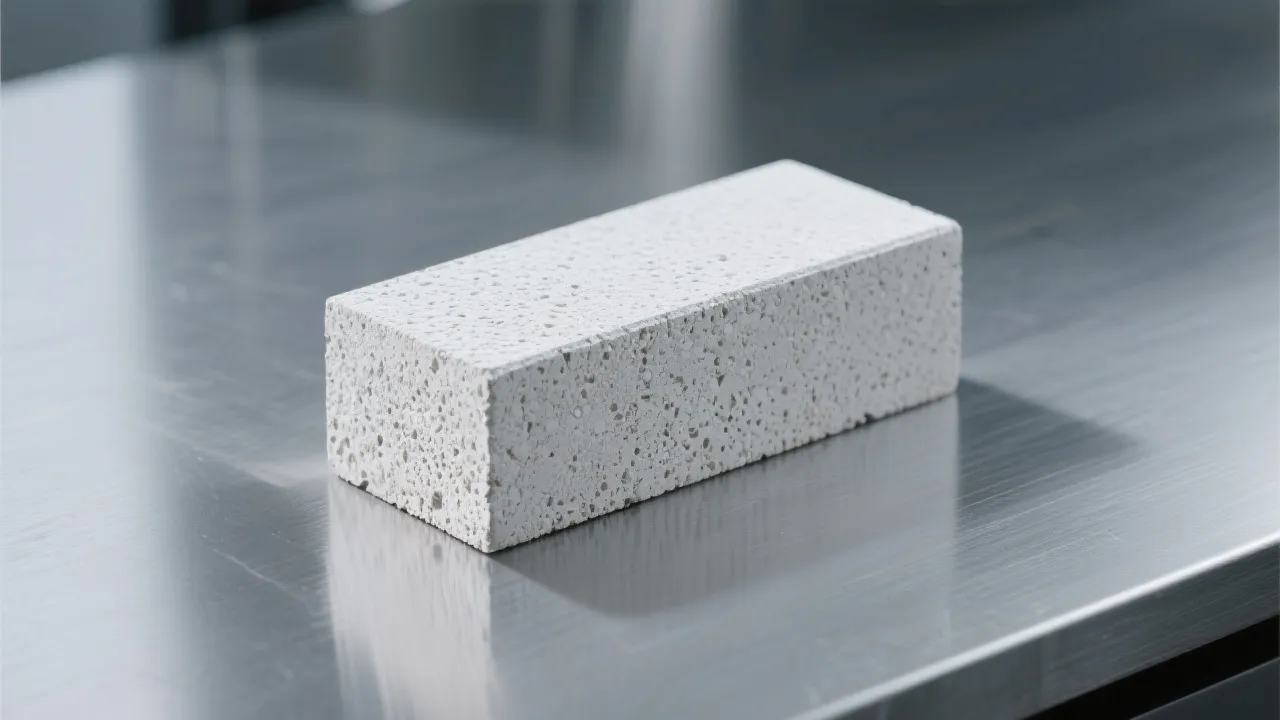
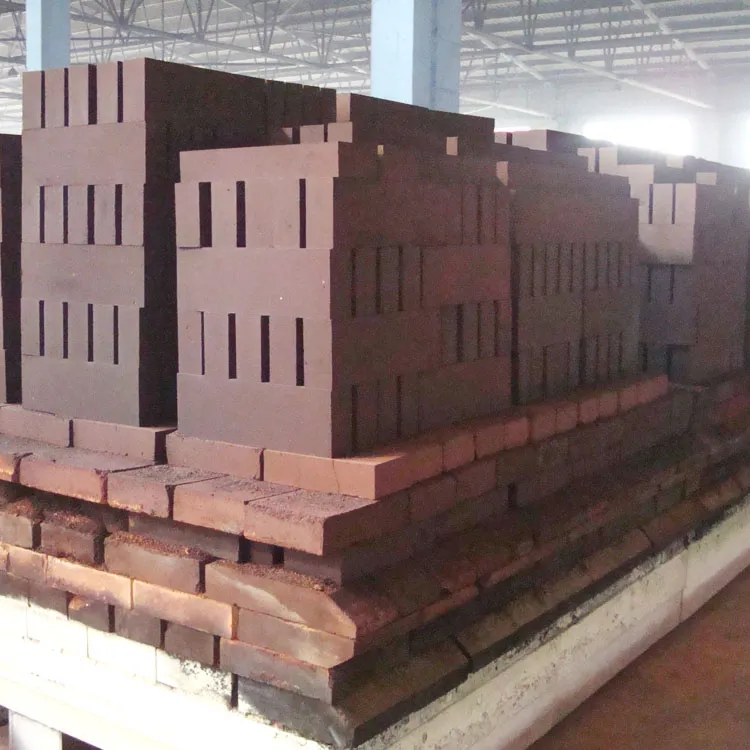
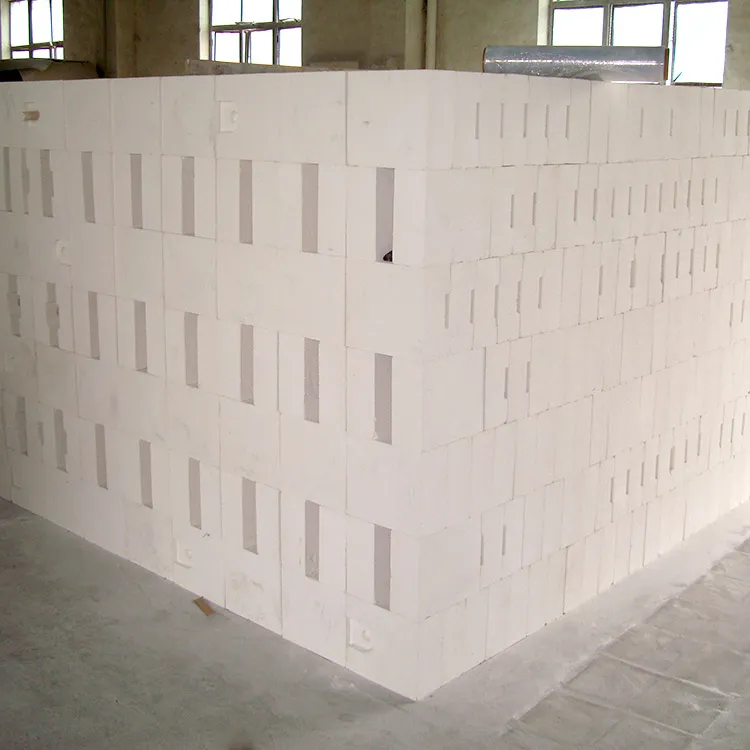
Choosing the right insulating firebrick for ceramic roller kilns isn’t just about material strength—it’s a critical decision that impacts thermal efficiency, structural integrity, and long-term operational safety. In industrial settings like electric porcelain drawer kilns, tunnel kilns, and roller hearth kilns, even a 5% improvement in insulation performance can reduce energy consumption by up to 12%, according to data from the International Journal of Refractories (2023).
Unlike generic refractory bricks, high-strength insulating firebricks designed for ceramic roller kilns must meet exacting dimensional tolerances—typically within ±1.5 mm across all sides. This precision allows for faster installation, reduces mortar waste by up to 18%, and minimizes gaps that lead to heat loss or hot spots during operation.
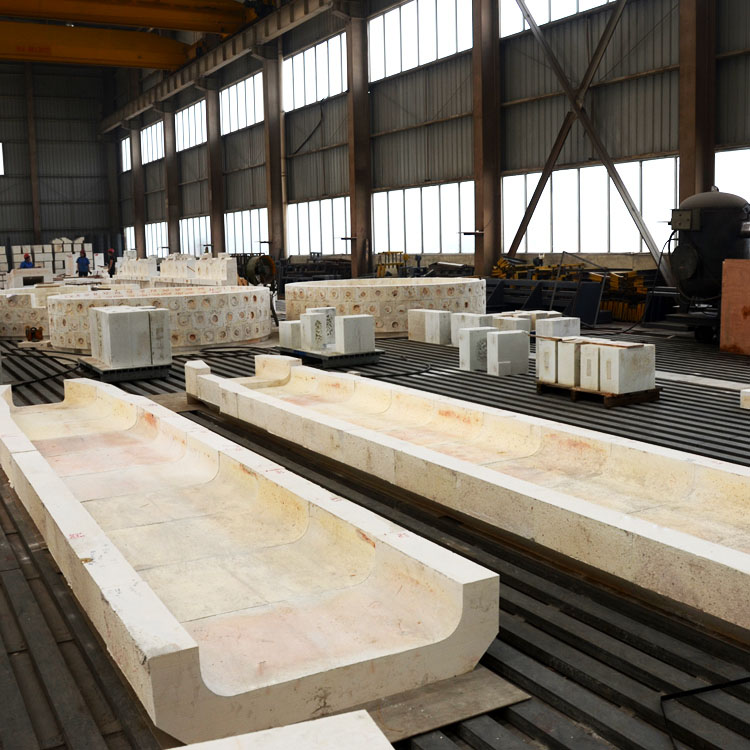
Each type of kiln demands different properties:
A successful installation starts with proper preparation:
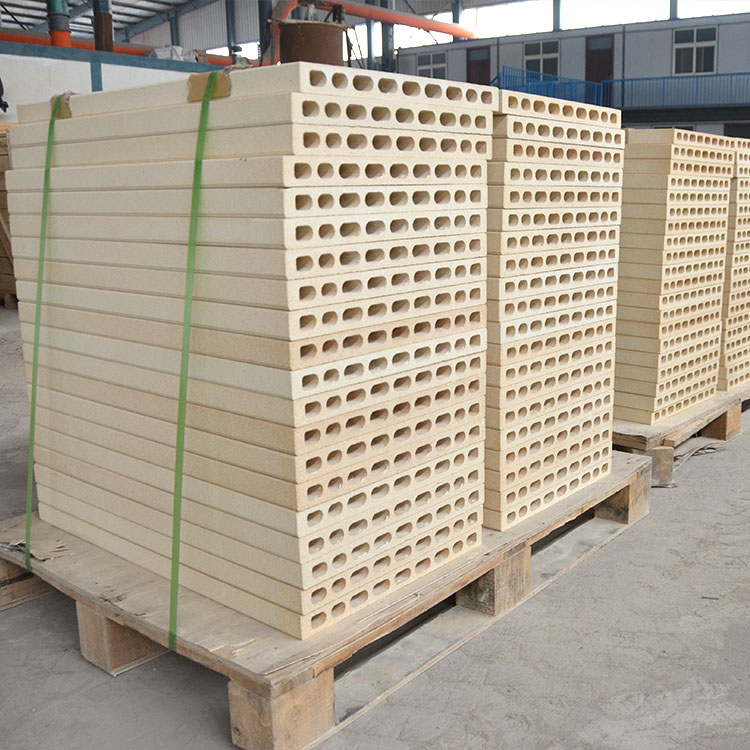
Properly installed bricks not only extend kiln life by 2–3 years but also reduce maintenance costs significantly. For example, one European tile manufacturer reported saving €14,000 annually after switching to precision-cut, high-strength insulating bricks in their roller kiln system.
Get expert advice and high-performance insulating firebricks tailored to your ceramic kiln needs.
Explore Our Product Range & Technical Support
 industrial furnace insulation
fireclay brick performance
thermal conductivity reduction
refractory lining longevity
energy-efficient furnace design
refractory material selection
high-alumina insulating bricks
industrial furnace lifespan extension
thermal shock resistance
high-temperature refractory materials
Refractory material selection guide
High-alumina insulating brick application
Furnace lifespan extension techniques
Thermal shock-resistant refractory bricks
Industrial furnace energy saving and consumption reduction
low thermal conductivity refractory brick
mullite insulation brick
blast furnace refractory
thermal shock resistance
industrial furnace energy saving
High - temperature furnace energy saving
Insulation brick construction skills
Refractory clay brick application
Furnace insulation layer design
Thermal shock - resistant refractory materials
industrial furnace insulation
fireclay brick performance
thermal conductivity reduction
refractory lining longevity
energy-efficient furnace design
refractory material selection
high-alumina insulating bricks
industrial furnace lifespan extension
thermal shock resistance
high-temperature refractory materials
Refractory material selection guide
High-alumina insulating brick application
Furnace lifespan extension techniques
Thermal shock-resistant refractory bricks
Industrial furnace energy saving and consumption reduction
low thermal conductivity refractory brick
mullite insulation brick
blast furnace refractory
thermal shock resistance
industrial furnace energy saving
High - temperature furnace energy saving
Insulation brick construction skills
Refractory clay brick application
Furnace insulation layer design
Thermal shock - resistant refractory materials