

.png?x-oss-process=image/resize,h_100,m_lfit/format,webp)
.png?x-oss-process=image/resize,h_100,m_lfit/format,webp)
.png?x-oss-process=image/resize,h_100,m_lfit/format,webp)

In the high - temperature industrial sector, the short lifespan of high - temperature furnaces is a persistent headache for many enterprises. Often, this issue is wrongly attributed to improper operation. However, in reality, the key culprit is the incorrect selection of refractory materials. This article aims to provide a comprehensive guide to help businesses make informed decisions when choosing refractory materials, with a focus on high - alumina insulating bricks.
Many companies currently believe that operational errors are the main reason for the short lifespan of high - temperature furnaces. But statistics show that up to 70% of furnace failures can be traced back to improper refractory material selection. For example, in a steel plant, they used to experience frequent furnace shutdowns due to lining damage. After a detailed analysis, it was found that the refractory bricks they used did not match the operating temperature and thermal cycle of the furnace. Once they switched to more suitable high - alumina insulating bricks, the furnace's service life increased by 30%.
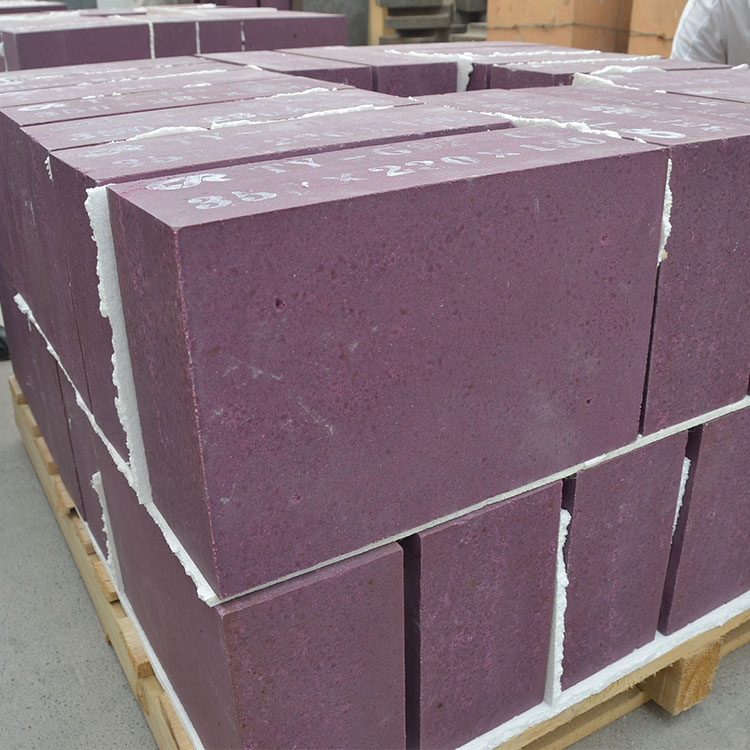
Thermal shock resistance is crucial for refractory materials in high - temperature furnaces. When the furnace is heated and cooled rapidly, the material must withstand the resulting stress without cracking or spalling. High - alumina insulating bricks with excellent thermal shock resistance can endure up to 100 thermal cycles between 1000°C and room temperature without significant damage. For instance, in a glass melting furnace, high - alumina insulating bricks with good thermal shock resistance can maintain their integrity during the repeated heating and cooling processes, ensuring the continuous operation of the furnace.
Refractory materials need to maintain their physical and chemical properties under long - term high - temperature conditions. High - alumina insulating bricks can typically withstand continuous temperatures of up to 1500°C without significant degradation. In a ceramic firing kiln, where the temperature remains high for long periods, high - alumina insulating bricks can provide stable insulation and structural support, reducing heat loss and improving energy efficiency.
Matching the thermal expansion coefficient of the refractory material with the furnace structure is essential. A mismatch can lead to internal stress, causing cracks and premature failure. High - alumina insulating bricks have a carefully controlled thermal expansion coefficient, which can be adjusted according to different furnace designs. In an industrial annealing furnace, by using high - alumina insulating bricks with proper thermal expansion matching, the risk of lining damage is significantly reduced.
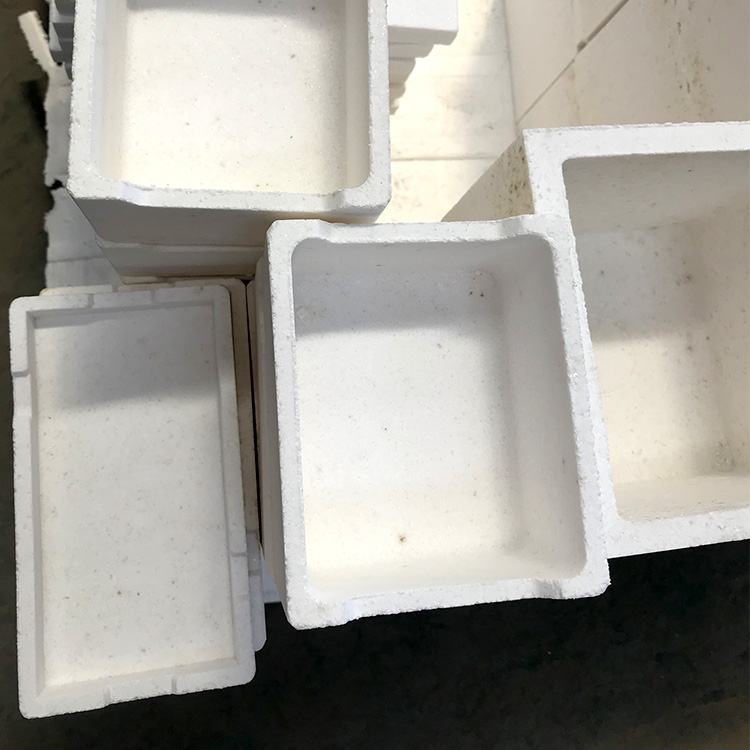
To accurately assess the suitability of refractory materials, companies can use on - site inspection methods. By observing the cracks and spalling on the brick surface, they can quickly evaluate the material's condition. For example, if there are large cracks or extensive spalling on the high - alumina insulating bricks, it may indicate that the material is not suitable for the current operating conditions. Regular inspections can help companies detect problems early and take timely measures to replace or repair the refractory materials.
In conclusion, high - alumina insulating bricks are the key refractory materials for industrial furnaces. With their excellent performance in thermal shock resistance, long - term high - temperature stability, and thermal expansion matching, they can effectively improve the service life and stability of high - temperature furnaces. Our high - alumina insulating bricks are internationally certified, ensuring high - quality and reliable performance. If you are looking for a reliable solution to extend the lifespan of your high - temperature furnaces, click here to learn more about our high - alumina insulating bricks.
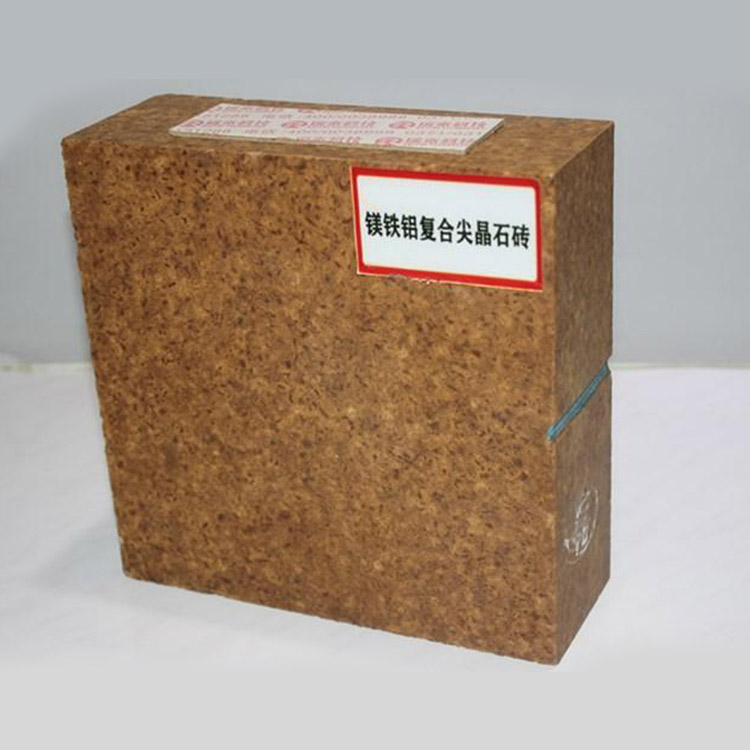
 refractory brick cracking causes
thermal stress damage prevention
chemical furnace maintenance
refractory brick inspection methods
heat-resistant refractory materials
refractory material selection
furnace life extension
high alumina insulating brick
thermal shock resistance
high temperature refractories
high-temperature furnace insulation
refractory brick installation
kiln thermal design
chemical industry energy saving
thermal shock resistant materials
high alumina insulating brick
ISO ASTM refractory standards
porous refractory material
industrial furnace energy efficiency
refractory brick for export
thermal shock resistant refractory materials
high alumina refractory brick
electric arc furnace lining
annealing furnace insulation
refractory material selection criteria
refractory brick cracking causes
thermal stress damage prevention
chemical furnace maintenance
refractory brick inspection methods
heat-resistant refractory materials
refractory material selection
furnace life extension
high alumina insulating brick
thermal shock resistance
high temperature refractories
high-temperature furnace insulation
refractory brick installation
kiln thermal design
chemical industry energy saving
thermal shock resistant materials
high alumina insulating brick
ISO ASTM refractory standards
porous refractory material
industrial furnace energy efficiency
refractory brick for export
thermal shock resistant refractory materials
high alumina refractory brick
electric arc furnace lining
annealing furnace insulation
refractory material selection criteria