

.png?x-oss-process=image/resize,h_100,m_lfit/format,webp)
.png?x-oss-process=image/resize,h_100,m_lfit/format,webp)
.png?x-oss-process=image/resize,h_100,m_lfit/format,webp)

Industrial furnaces are often plagued by frequent shutdowns and costly maintenance, largely due to accelerated wear and failure of refractory lining. Selecting the right refractory material, especially high-alumina insulating bricks, can drastically extend furnace lifespan while minimizing operational disruptions. This guide delves into three easy-to-apply visual assessment techniques that help maintenance teams rapidly judge whether refractory bricks are compatible with current furnace operating conditions—empowering smarter maintenance decisions and enhanced energy efficiency.
Furnace lining failures typically originate from three critical material performance gaps:
High-alumina insulating bricks typically contain 48-70% alumina (Al₂O₃), offering superior thermal shock resistance, higher softening temperatures (up to 1770°C), and better thermal expansion compatibility with steel furnace shells. Their unique microstructure – dominated by corundum and mullite phases – delivers excellent resistance to chemical attack and mechanical erosion, making them ideal for fluctuating thermal cycles and prolonged service life.
Case in point: Leading steel producers have reported furnace lifespan extensions from 12 months to over 20 months after switching to premium high-alumina insulating bricks, reducing unplanned downtime by nearly 40%.
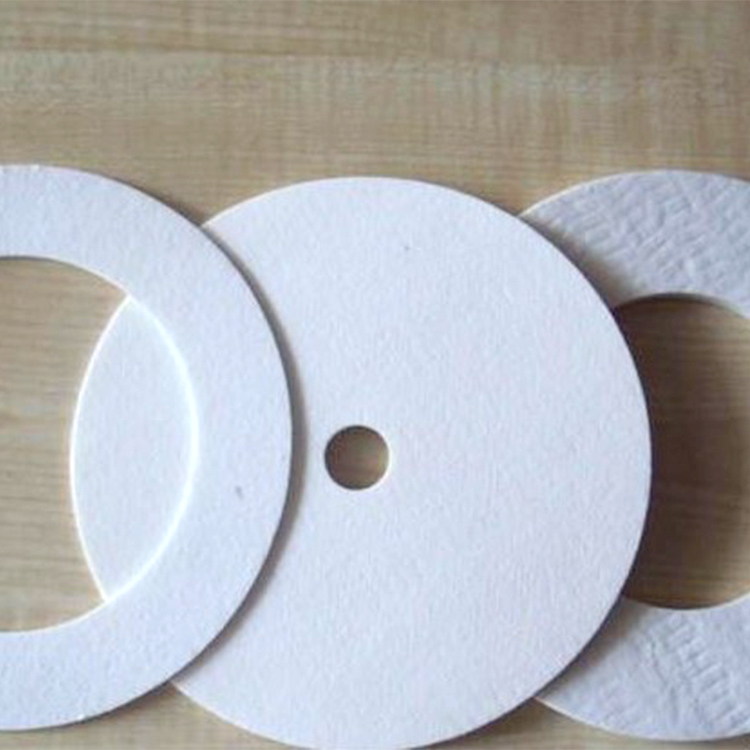
Fine, spiderweb-like cracks spreading across the surface suggest repeated rapid cooling and heating cycles—classic signs of poor thermal shock resistance. If these cracks propagate in a network pattern, replacing bricks with materials exhibiting superior shock tolerance is advised to avoid catastrophic lining failure.
Warping, sagging, or glossy spots on brick surfaces usually indicate exposure to temperatures beyond the brick's softening point. Such deformation reduces load-bearing capacity and indicates the brick grade does not match peak furnace temperatures. Switching to higher-alumina or fireclay bricks with higher refractoriness helps maintain shape stability.
Gaps or cracking along mortar joints easily indicate thermal expansion mismatch between bricks and the furnace structure. Consistent gaps widening under thermal cycling cause accelerated heat loss and mechanical stress. Employing bricks with thermal expansion coefficients closer to the furnace shell—like high-alumina varieties—reduces these stresses and prolongs lining integrity.
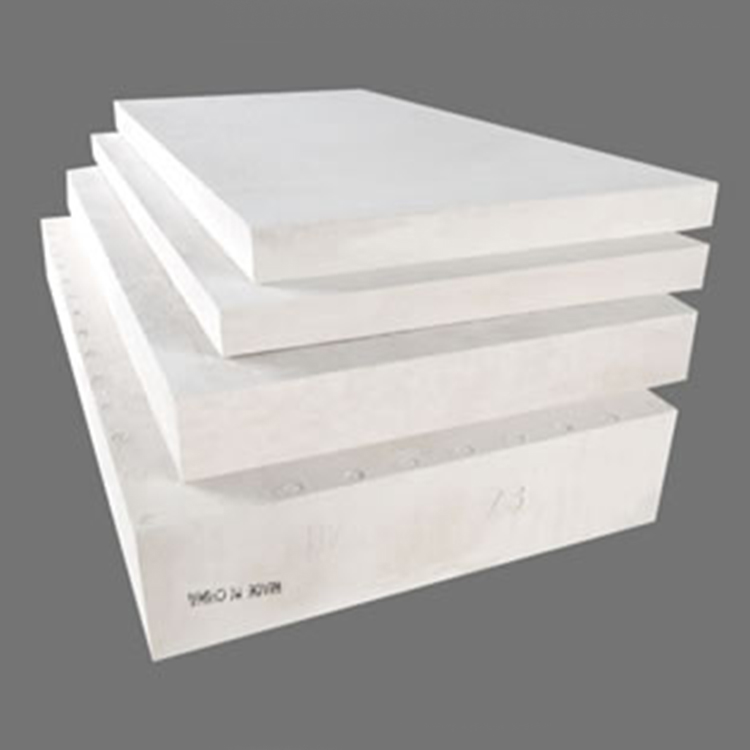
Deploying these three straightforward inspection methods during routine furnace checks equips maintenance teams to make data-driven decisions, ensuring refractory bricks remain suited to the operational environment, and helping to avoid premature brick failures.
Combining technical understanding with practical assessment empowers facilities to minimize downtime and energy waste. Selecting premium high-alumina insulating bricks tailored to specific furnace types and thermal cycles, paired with vigilant condition monitoring, can increase operational stability while reducing lifecycle costs.
Industry benchmarks indicate that adopting best practice refractory management and superior material choices can yield energy savings up to 5%, while cutting maintenance expenditure by 15–20% annually—key drivers for global leaders pursuing operational excellence.