

.png?x-oss-process=image/resize,h_100,m_lfit/format,webp)
.png?x-oss-process=image/resize,h_100,m_lfit/format,webp)
.png?x-oss-process=image/resize,h_100,m_lfit/format,webp)

Industrial facilities face unique thermal challenges that directly impact operational costs and sustainability goals. Among these, thermal bridging represents a significant yet often underestimated issue. Studies show that poorly addressed thermal bridges can increase building energy consumption by 15-30%, leading to higher utility bills and reduced HVAC system efficiency. For manufacturing plants and warehouses with large surface areas, this translates to thousands of dollars in unnecessary annual expenses.
Did you know? A typical 50,000 sq ft industrial facility can lose up to 2.8 million BTUs daily through unaddressed thermal bridges—equivalent to heating 35 average-sized homes for a full day.
Thermal bridging occurs when materials with high thermal conductivity create pathways for heat transfer through the building envelope. In industrial settings, common culprits include metal structural elements, improperly sealed joints, and penetrations for utilities. These thermal weak points not only compromise energy efficiency but can also lead to condensation issues, mold growth, and structural degradation over time.
Industrial environments present specific challenges due to their often complex layouts, heavy machinery, and specialized operational requirements. Traditional insulation methods frequently fail to account for these unique conditions, resulting in thermal bridges that undermine even the most sophisticated energy management systems.
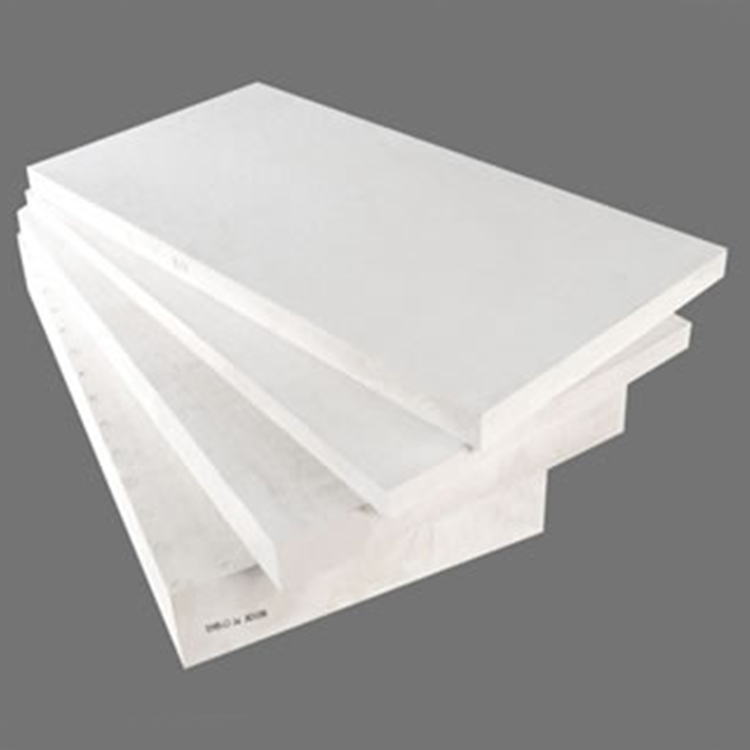
Calcium silicate boards have emerged as a superior solution for industrial thermal management. Their unique composition offers low thermal conductivity (typically 0.07-0.10 W/m·K) combined with exceptional structural integrity and fire resistance—critical factors in industrial applications. When properly installed, Sunrise calcium silicate boards create a continuous thermal barrier that significantly reduces heat transfer through building assemblies.
The key advantages of calcium silicate boards in thermal bridge prevention include:
Achieving optimal thermal performance requires meticulous attention to installation details. Even the highest quality calcium silicate boards will fail to prevent thermal bridging if improperly installed. Based on analysis of over 100 industrial projects, the following techniques have proven most effective:

Joints between boards represent potential thermal weak points. Industry best practice involves using specialized high-temperature sealants with thermal conductivity below 0.25 W/m·K. The sealant application should be 3-5mm wider than the joint itself, ensuring complete coverage when boards are pressed together.
Metal fasteners can create thermal bridges if not properly specified. Use thermally broken fasteners with spacing no greater than 300mm along board edges and 450mm in field areas. For metal frame applications, consider plastic thermal washers to further reduce heat transfer.
Special attention must be paid to transitions between calcium silicate boards and structural metal components. This often requires custom-shaped insulation pieces and double-sealing techniques. In one manufacturing facility case study, proper transition detailing reduced localized heat loss by 67% compared to standard methods.
A food processing plant in Ohio experienced persistent condensation issues despite recent insulation upgrades. Investigation revealed three critical installation errors:
Correcting these issues with Sunrise calcium silicate boards resulted in a 22% reduction in heating costs and eliminated condensation-related product quality issues.
Industrial environments demand robust quality control processes. Implementing a structured inspection protocol at key installation stages ensures thermal performance is maintained throughout the building lifecycle. Critical inspection points include:
Regular thermal imaging inspections during and after installation can identify hidden thermal bridges before they become costly problems. Industry data suggests that facilities implementing comprehensive quality control programs experience 35% fewer thermal-related issues over the building's lifespan.
Our team of industrial insulation specialists can help you identify thermal bridging issues and implement effective solutions tailored to your specific operational needs.
Schedule a Technical Consultation with Sunrise ExpertsTake the first step toward reducing energy costs and improving facility performance today.
Industrial facilities represent significant investments that require ongoing protection and optimization. By addressing thermal bridging through proper material selection and installation techniques, facility managers can achieve substantial energy savings while creating more comfortable and productive working environments. The key lies in understanding the unique thermal challenges of each facility and implementing targeted solutions that account for both immediate performance and long-term durability.
 low thermal conductivity refractory brick
mullite insulating brick
furnace lining stability
industrial furnace energy efficiency
thermal shock resistant refractory
Tunnel kiln refractory bricks
Mullite insulation bricks
Industrial kiln masonry
Refractory mortar saving
Kiln structure stability
electric porcelain drawer kiln refractory brick installation
mullite insulating brick techniques
industrial kiln structural stability
high-temperature kiln energy saving
refractory materials construction guide
energy-saving refractory bricks
high-strength insulating bricks
industrial furnace insulation materials
petrochemical cracking furnace refractory
metallurgical blast furnace lining
high-purity alumina brick
blast furnace refractory
low thermal conductivity refractory
industrial furnace insulation
refractory lining lifespan
low thermal conductivity refractory brick
mullite insulating brick
furnace lining stability
industrial furnace energy efficiency
thermal shock resistant refractory
Tunnel kiln refractory bricks
Mullite insulation bricks
Industrial kiln masonry
Refractory mortar saving
Kiln structure stability
electric porcelain drawer kiln refractory brick installation
mullite insulating brick techniques
industrial kiln structural stability
high-temperature kiln energy saving
refractory materials construction guide
energy-saving refractory bricks
high-strength insulating bricks
industrial furnace insulation materials
petrochemical cracking furnace refractory
metallurgical blast furnace lining
high-purity alumina brick
blast furnace refractory
low thermal conductivity refractory
industrial furnace insulation
refractory lining lifespan