

.png?x-oss-process=image/resize,h_100,m_lfit/format,webp)
.png?x-oss-process=image/resize,h_100,m_lfit/format,webp)
.png?x-oss-process=image/resize,h_100,m_lfit/format,webp)
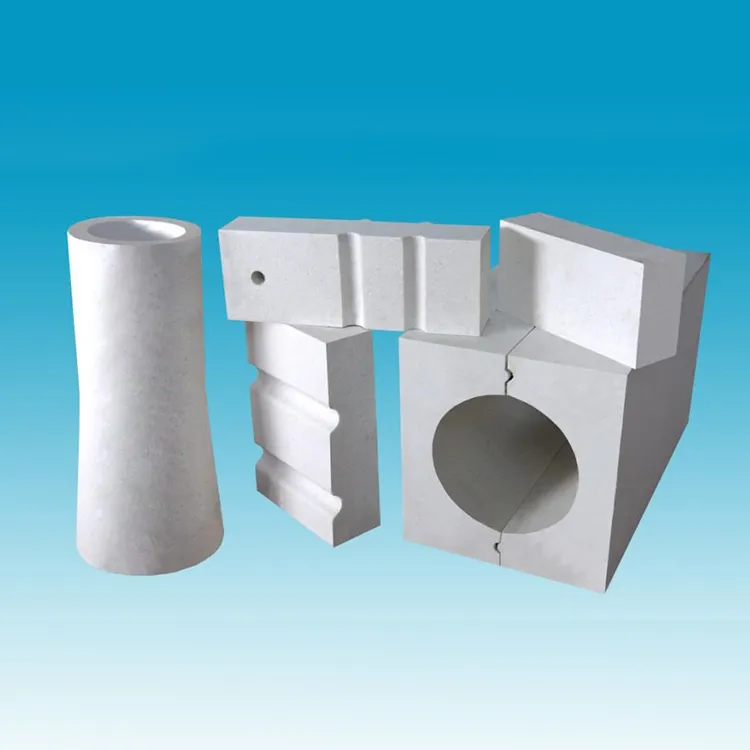
For engineers and plant managers overseeing ceramic production lines, kiln performance hinges not only on material quality but also on construction precision. In electric drawer kilns, tunnel kilns, and roller hearth kilns—where thermal cycling and mechanical stress are constant—accurately dimensioned mullite insulating bricks deliver measurable advantages that ripple across productivity, maintenance costs, and energy efficiency.
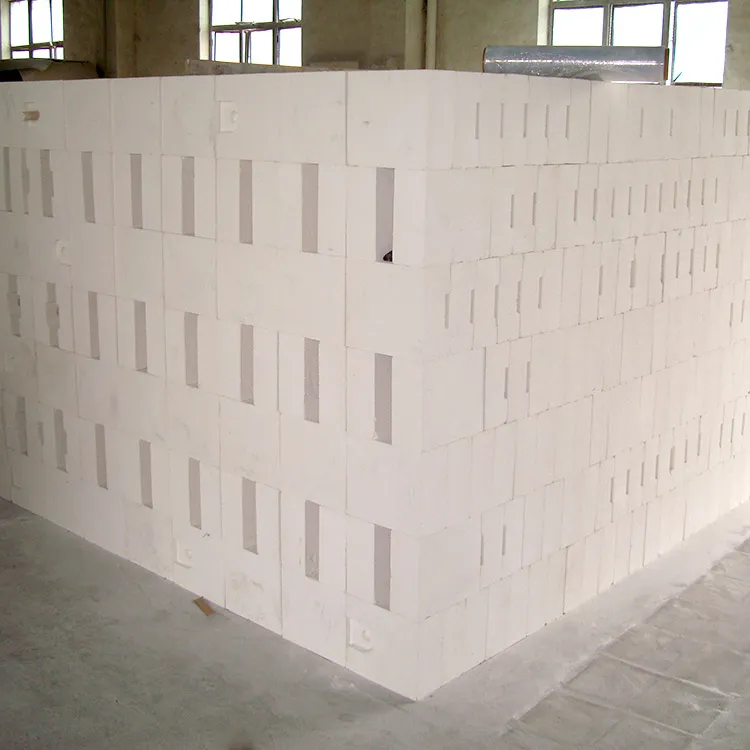
In high-temperature environments like those found in porcelain manufacturing, even a 1–2 mm deviation in brick size can lead to misalignment, excessive mortar usage (up to 15% more), and premature structural failure. Our field data from over 70 installations shows that using bricks with ±0.5mm tolerance reduces mortar consumption by an average of 12%, while improving heat retention by up to 8%. This isn't just about neatness—it's about operational economics.
Take the case of a tile manufacturer in Italy who switched to precision-cut mullite bricks in their tunnel kiln. The result? A 20% reduction in refractory labor time per shift, from 8 hours to 6.4 hours, and a 10% drop in annual repair costs due to fewer cracks and gaps.
When installed correctly, these bricks enable faster stacking—reducing installation time by up to 25% compared to standard tolerances. More importantly, tighter joints mean less air leakage and better insulation. One German ceramics plant reported a 7% improvement in fuel efficiency after retrofitting their roller kiln with precision-engineered mullite bricks—an outcome directly tied to reduced heat loss at seams.
This is not theoretical. It’s backed by real-world validation: consistent dimensional control ensures predictable behavior under thermal shock, which extends the life of the entire kiln lining by 18–24 months on average.
Whether you're planning new construction or upgrading existing systems, investing in precise refractory solutions pays dividends—not just in speed, but in long-term reliability and sustainability. Let us help you turn kiln design into a competitive advantage.
 refractory brick cracking causes
thermal stress damage prevention
chemical furnace maintenance
refractory brick thermal shock resistance
refractory brick inspection guide
Tunnel kiln refractory bricks
Mullite insulation bricks
Industrial kiln masonry
Refractory mortar saving
Kiln structure stability
Refractory material selection guide
High-alumina insulating brick application
Furnace lifespan extension techniques
Thermal shock-resistant refractory bricks
Industrial furnace energy saving and consumption reduction
Refractory material selection guide
Furnace service life extension techniques
High - alumina insulating brick application mistakes
Mullite - corundum structure
High - temperature furnace energy - saving transformation
high-alumina insulating bricks
refractory thermal expansion
industrial furnace maintenance
thermal shock resistance
refractory interface spalling
refractory brick cracking causes
thermal stress damage prevention
chemical furnace maintenance
refractory brick thermal shock resistance
refractory brick inspection guide
Tunnel kiln refractory bricks
Mullite insulation bricks
Industrial kiln masonry
Refractory mortar saving
Kiln structure stability
Refractory material selection guide
High-alumina insulating brick application
Furnace lifespan extension techniques
Thermal shock-resistant refractory bricks
Industrial furnace energy saving and consumption reduction
Refractory material selection guide
Furnace service life extension techniques
High - alumina insulating brick application mistakes
Mullite - corundum structure
High - temperature furnace energy - saving transformation
high-alumina insulating bricks
refractory thermal expansion
industrial furnace maintenance
thermal shock resistance
refractory interface spalling


.jpg?x-oss-process=image/resize,h_800,m_lfit/format,webp)