

.png?x-oss-process=image/resize,h_100,m_lfit/format,webp)
.png?x-oss-process=image/resize,h_100,m_lfit/format,webp)
.png?x-oss-process=image/resize,h_100,m_lfit/format,webp)

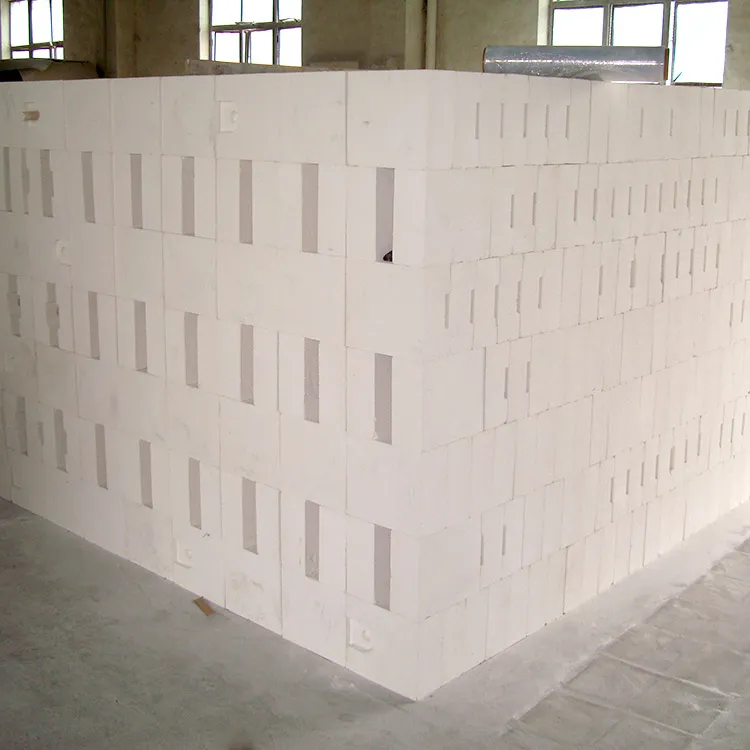
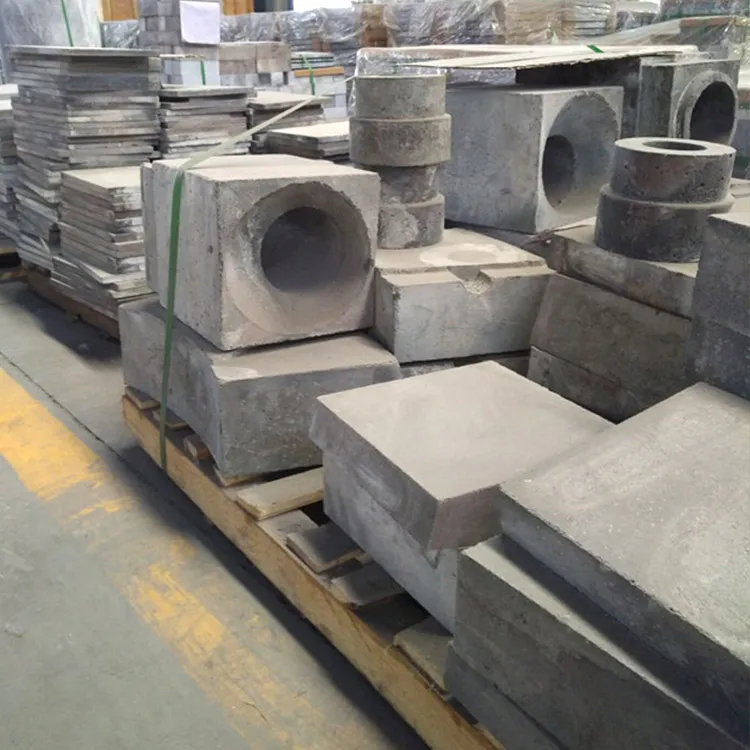
In industrial kiln operations—from petroleum cracking furnaces to metallurgical blast furnaces—every millimeter matters. The precision of refractory brick dimensions directly impacts installation speed, material efficiency, and long-term structural integrity. This article explores how our high-strength mullite insulation bricks, engineered with exacting tolerances, deliver measurable gains in both productivity and cost savings.
Our energy-efficient mullite bricks boast:
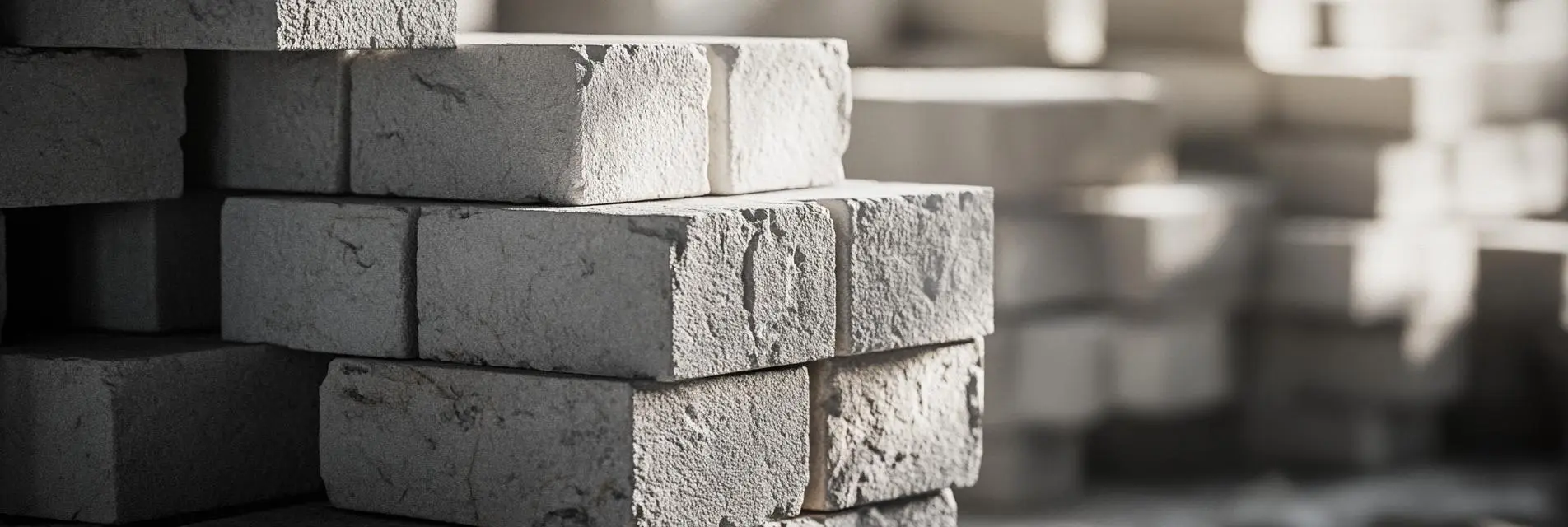
Traditional refractory bricks often vary by ±2–3 mm across units. This inconsistency forces installers to spend extra time grinding, aligning, and adjusting joints—slowing down the process and increasing mortar consumption.
| Parameter | Standard Bricks | Precision Mullite Bricks |
|---|---|---|
| Installation Speed | ~120 pcs/hr | ~180 pcs/hr (+50%) |
| Mortar Usage per m² | 18–22 kg | 12–15 kg (-30%) |
| Labor Cost Reduction | Baseline | Up to 20% lower labor hours |
“After switching to these precision-cut mullite bricks, we reduced mortar usage by 32% on our glass furnace project—and completed the job two days ahead of schedule.”
—— John K., Plant Engineer, European Glass Manufacturing Co.
In ceramic roller kilns and regenerative glass melting tanks, where even minor thermal gradients can cause cracks or premature failure, consistent brick geometry ensures uniform stress distribution. Our clients report:
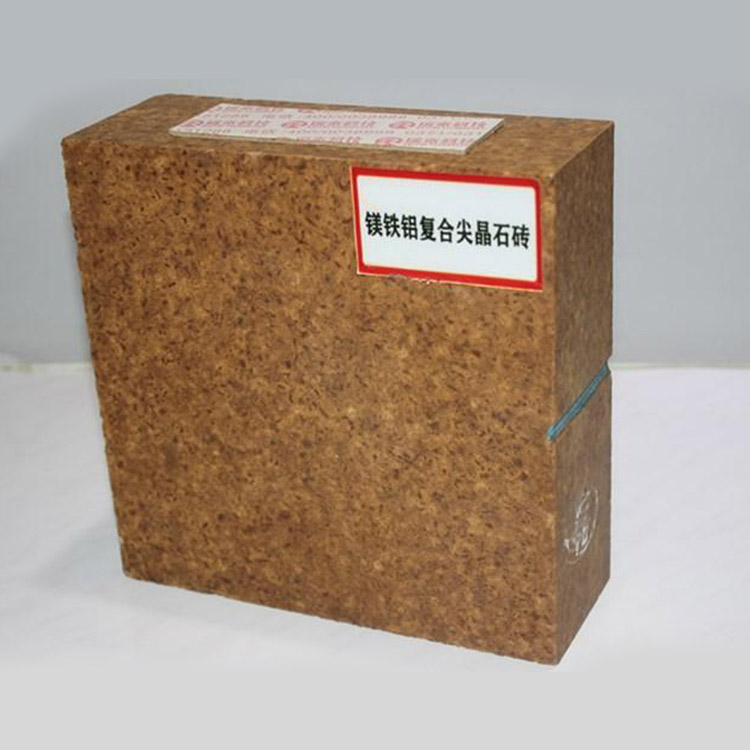
These results aren’t just theoretical—they’re backed by third-party lab tests from the International Ceramic Society (ICS) and verified in real-world installations across North America, Europe, and Southeast Asia.
Download our free technical whitepaper detailing case studies, mortar savings calculations, and customization options for your specific application.
Get Your Customized Solution Now refractory brick cracking causes
thermal stress damage prevention
chemical furnace maintenance
refractory brick thermal shock resistance
refractory brick inspection guide
Refractory insulation brick selection
Chemical furnace lining materials
Hollow sphere refractory bricks
High - alumina refractory brick comparison
Clay insulation brick performance
Mullite insulation bricks
Industrial kiln refractory bricks
Rapid masonry
Energy - saving refractory materials
Kiln maintenance costs
High - temperature furnace energy conservation
Insulation brick construction techniques
Refractory clay insulation bricks
Furnace lining energy - saving design
High - temperature furnace thermal efficiency improvement
refractory insulation brick selection
chemical furnace lining materials
thermal shock resistant refractories
high alumina refractory comparison
refractory clay brick applications
refractory brick cracking causes
thermal stress damage prevention
chemical furnace maintenance
refractory brick thermal shock resistance
refractory brick inspection guide
Refractory insulation brick selection
Chemical furnace lining materials
Hollow sphere refractory bricks
High - alumina refractory brick comparison
Clay insulation brick performance
Mullite insulation bricks
Industrial kiln refractory bricks
Rapid masonry
Energy - saving refractory materials
Kiln maintenance costs
High - temperature furnace energy conservation
Insulation brick construction techniques
Refractory clay insulation bricks
Furnace lining energy - saving design
High - temperature furnace thermal efficiency improvement
refractory insulation brick selection
chemical furnace lining materials
thermal shock resistant refractories
high alumina refractory comparison
refractory clay brick applications