

.png?x-oss-process=image/resize,h_100,m_lfit/format,webp)
.png?x-oss-process=image/resize,h_100,m_lfit/format,webp)
.png?x-oss-process=image/resize,h_100,m_lfit/format,webp)

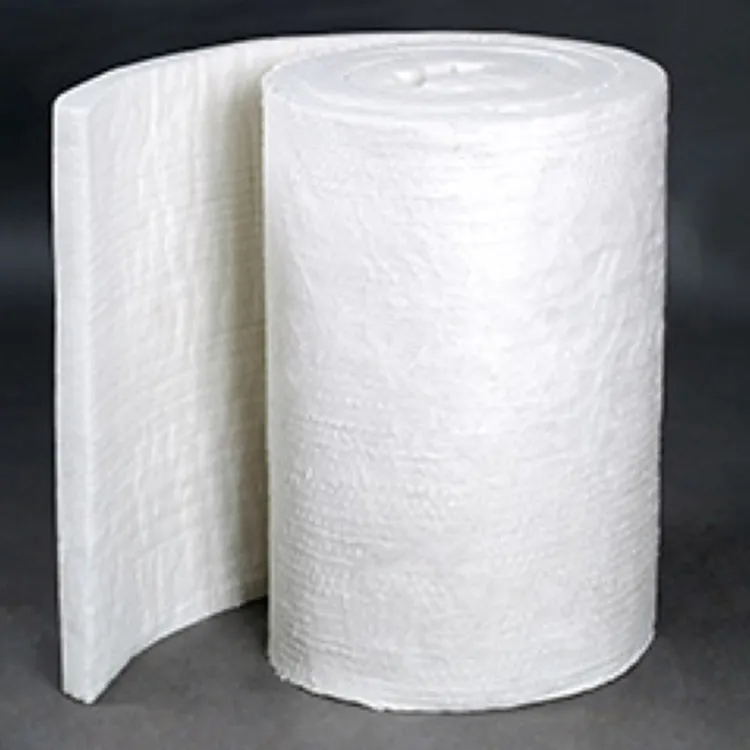
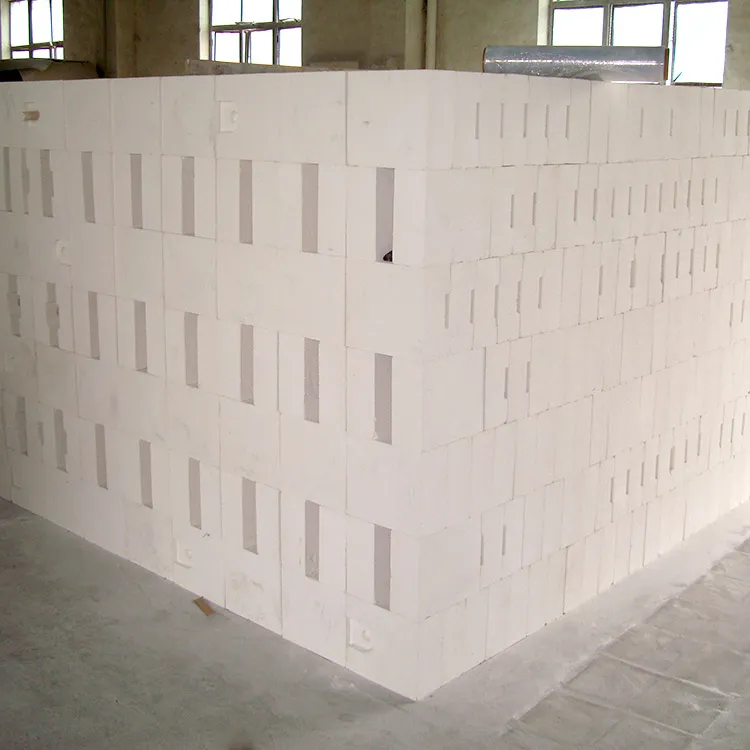
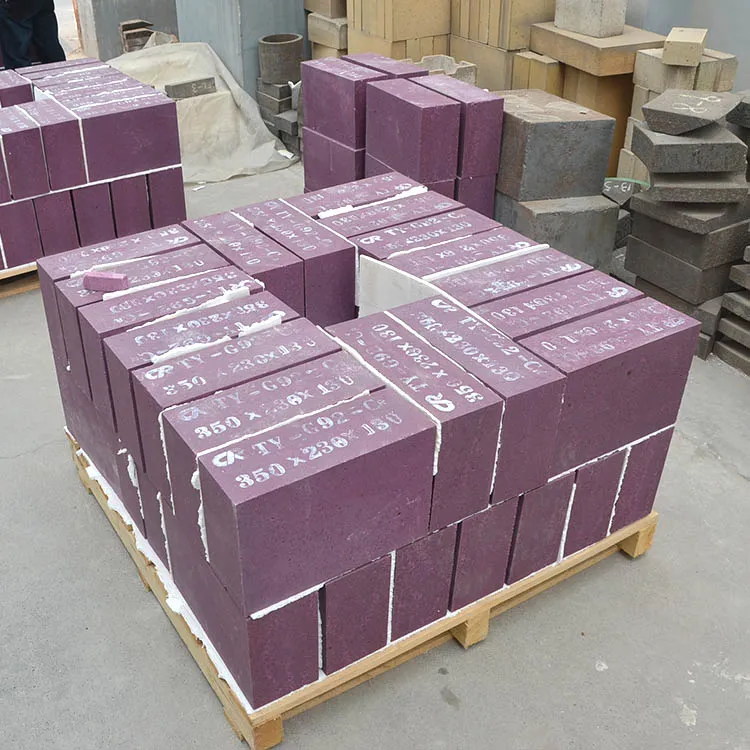
Industrial operators across oil refining and petrochemical sectors are increasingly prioritizing energy efficiency improvements—not just for cost savings, but also to meet global sustainability standards. One of the most impactful upgrades lies in replacing traditional refractory linings with advanced high-purity fused alumina and imported tabular alumina-based insulating bricks. These materials aren’t just an upgrade—they’re a performance transformation.
Standard firebricks often have thermal conductivity values around 1.2–1.5 W/m·K, while our engineered low-conductivity bricks achieve as low as 0.6 W/m·K—a reduction of up to 50%. This means less heat loss from the furnace wall, translating directly into lower fuel consumption and reduced CO₂ emissions. In real-world applications, refineries report saving 8–12% on natural gas usage after switching to optimized insulation systems.
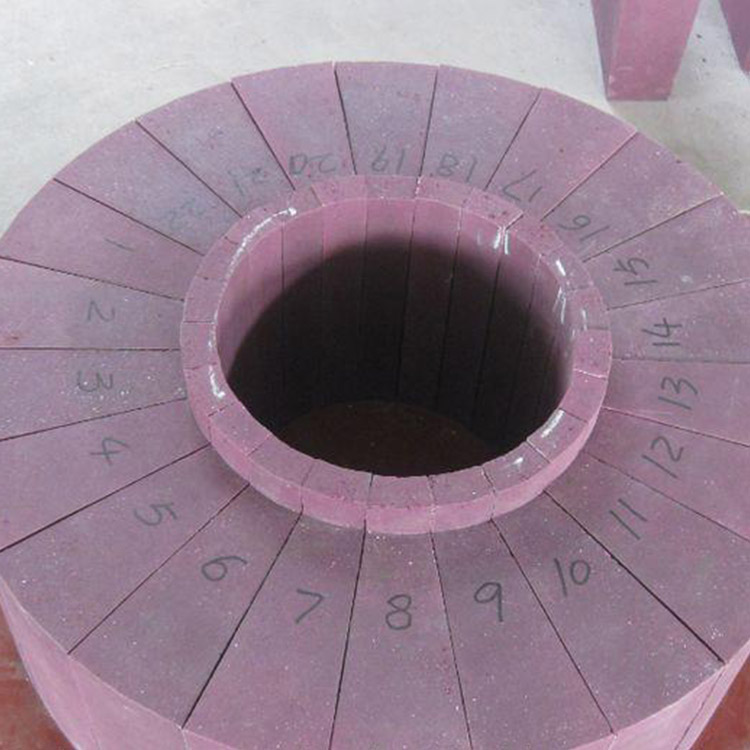
The secret behind these results lies in two key innovations:
These processes result in bricks with exceptional properties: a refractoriness under load (RUL) above 1700°C, minimal linear change (< 0.5%) after 10 cycles between 1000°C and ambient, and dimensional accuracy within ±0.5 mm per block—critical for seamless installation and long-term structural integrity.
“After installing the new insulation system, our cracking furnace maintained consistent output for over 18 months without major lining repairs—a significant improvement from previous 12-month intervals.”
— Process Engineer, Middle East Refinery
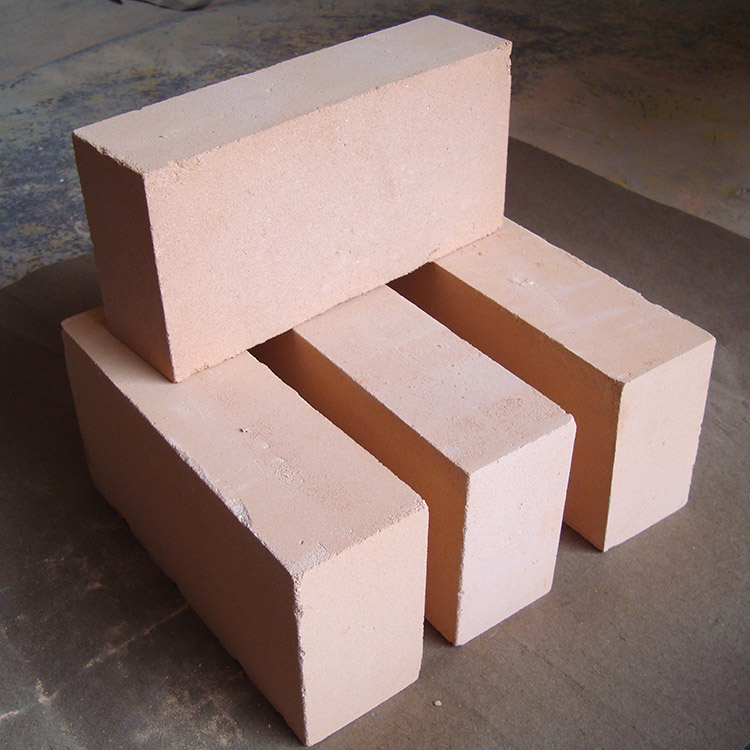
Whether it’s a petroleum cracking furnace, a blast furnace, or a glass melting tank, the principle remains the same: better insulation = longer life + higher efficiency. Our case studies show that users typically see a 30–40% increase in furnace lifespan when using this technology compared to conventional alternatives.
If you're evaluating options for your next furnace retrofit or planning a capital improvement project, now is the time to explore how modern refractory solutions can deliver measurable ROI—not just in energy savings, but in operational reliability and environmental compliance.
Get detailed technical specs, application guides, and personalized support tailored to your facility's needs.
Explore Product Details & Technical Support refractory brick cracking prevention
thermal stress damage control
chemical furnace maintenance
refractory material thermal shock resistance
furnace lining protection
refractory brick cracking reasons
thermal stress damage prevention
chemical furnace maintenance
thermal shock-resistant refractory bricks
refractory material maintenance
Tunnel kiln refractory bricks
Mullite insulation bricks
Industrial kiln masonry
Refractory mortar saving
Kiln structure stability
refractory material failure causes
high alumina insulating brick
thermal shock resistant refractories
steel converter lining optimization
refractory selection guide
high-alumina insulating bricks
refractory thermal expansion
industrial furnace maintenance
thermal shock resistance
refractory interface spalling
refractory brick cracking prevention
thermal stress damage control
chemical furnace maintenance
refractory material thermal shock resistance
furnace lining protection
refractory brick cracking reasons
thermal stress damage prevention
chemical furnace maintenance
thermal shock-resistant refractory bricks
refractory material maintenance
Tunnel kiln refractory bricks
Mullite insulation bricks
Industrial kiln masonry
Refractory mortar saving
Kiln structure stability
refractory material failure causes
high alumina insulating brick
thermal shock resistant refractories
steel converter lining optimization
refractory selection guide
high-alumina insulating bricks
refractory thermal expansion
industrial furnace maintenance
thermal shock resistance
refractory interface spalling




.jpg?x-oss-process=image/resize,h_800,m_lfit/format,webp)