

.png?x-oss-process=image/resize,h_100,m_lfit/format,webp)
.png?x-oss-process=image/resize,h_100,m_lfit/format,webp)
.png?x-oss-process=image/resize,h_100,m_lfit/format,webp)

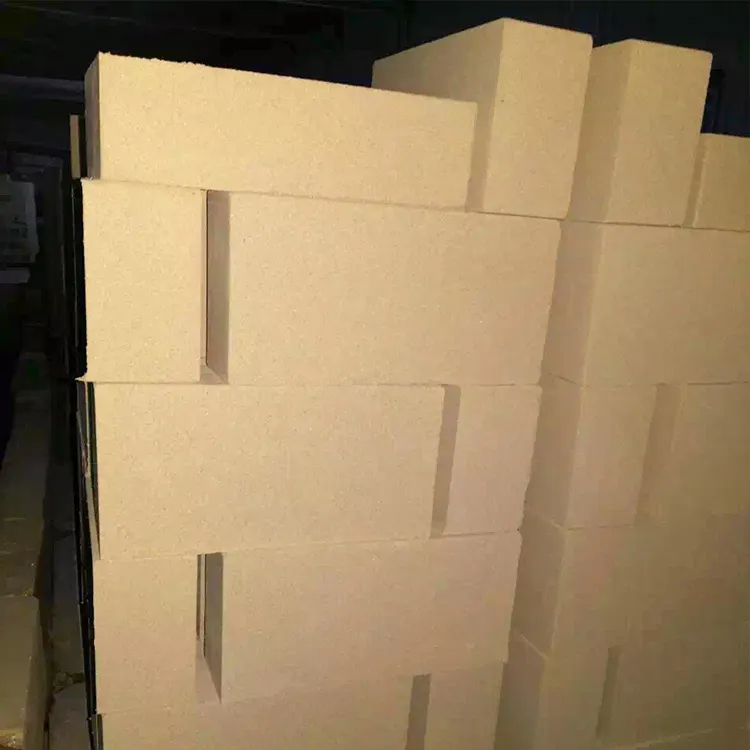
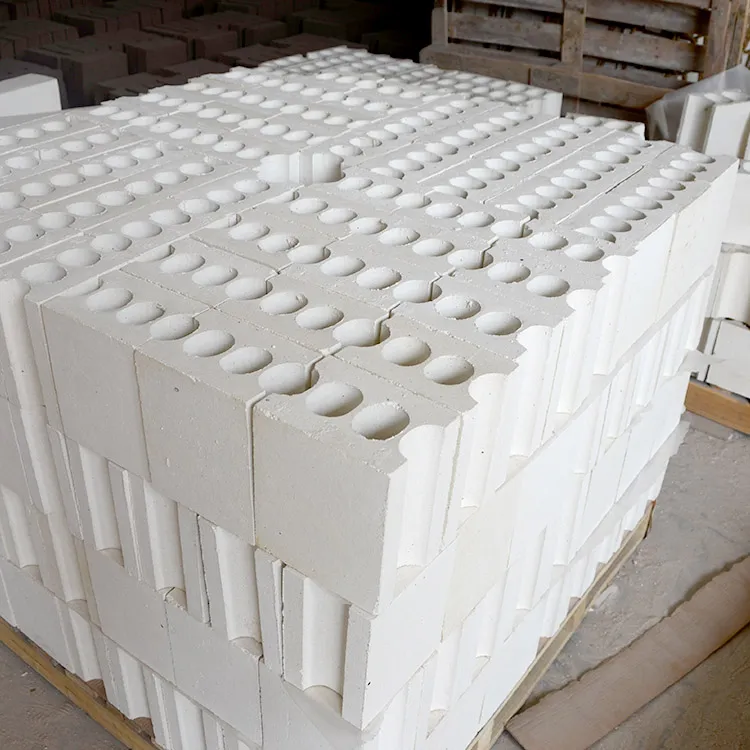
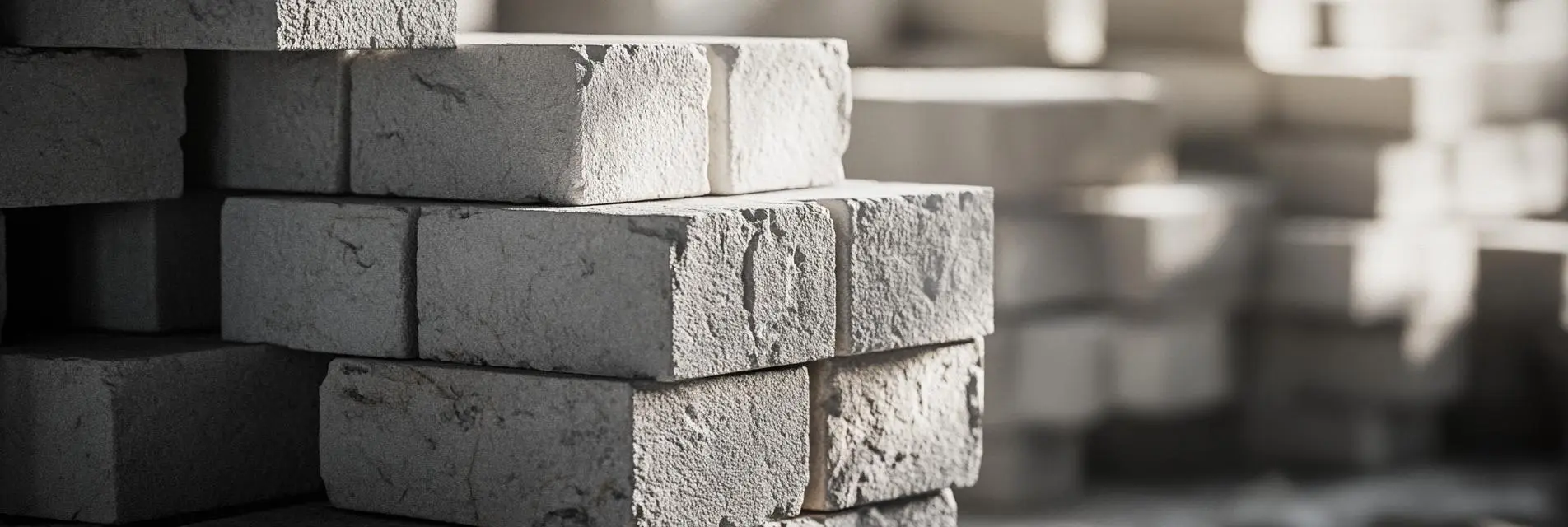
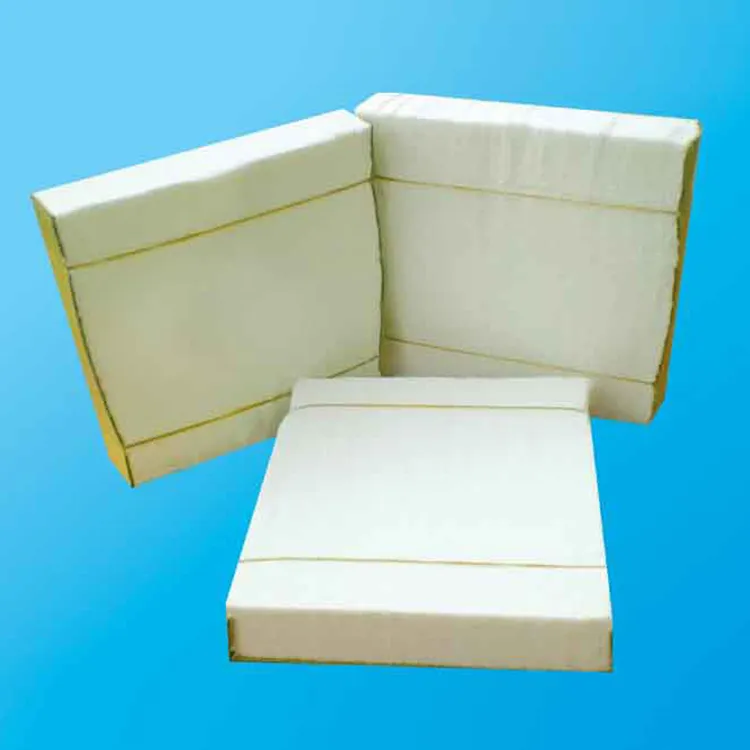
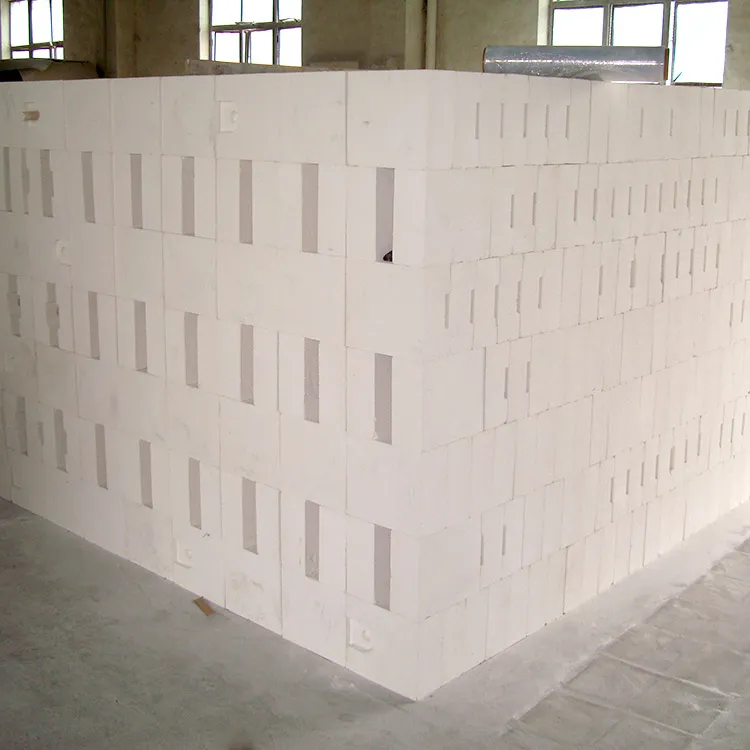
In the pursuit of energy efficiency and cost reduction in industrial kilns, low thermal conductivity insulating refractory bricks have emerged as a game - changer. This article delves into the core value of these bricks in industrial kiln energy conservation, exploring their raw material selection, technological advantages, real - world applications, and offering practical selection advice.
The low thermal conductivity insulating refractory bricks start with a meticulous selection of raw materials. They combine high - purity fused corundum and imported tabular corundum. High - purity fused corundum is known for its high melting point and excellent chemical stability, while imported tabular corundum provides a dense crystal structure. This combination forms a strong base for the bricks' high - performance characteristics.
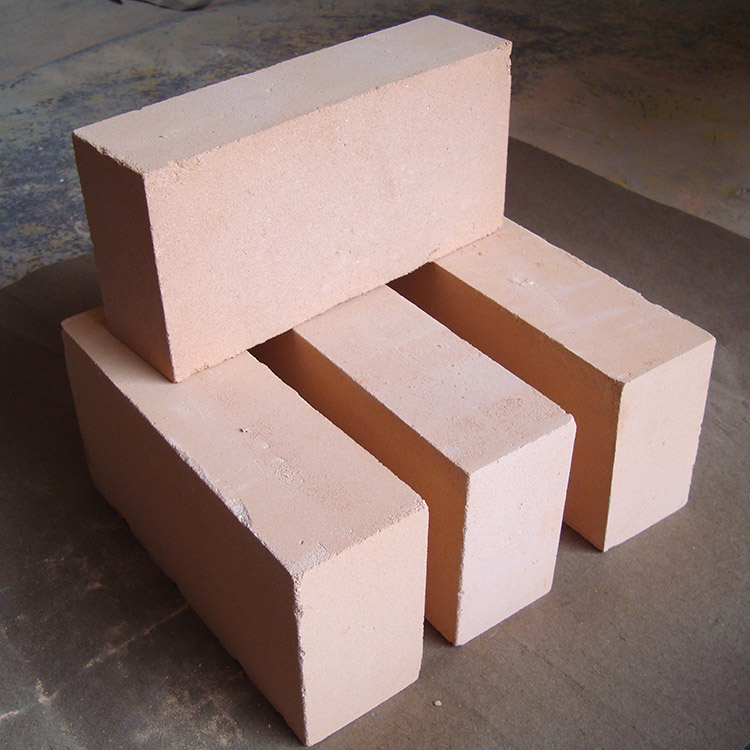
Two key technologies, the addition of ultrafine powder and precision sintering in high - temperature shuttle kilns, have brought significant performance breakthroughs. The addition of ultrafine powder fills the microscopic pores in the bricks, enhancing their density and reducing thermal conductivity. The high - temperature shuttle kiln sintering process ensures uniform heating and a stable crystal structure, further improving the bricks' overall performance.
Let's look at some real - world applications. In a ceramic roller kiln, after replacing the traditional refractory bricks with low thermal conductivity insulating refractory bricks, the energy consumption decreased by 15% and the service life of the kiln lining increased by 20%. A steel plant reported that using these bricks in its blast furnace led to a 18% reduction in heat loss, according to actual measurements.
"A steel plant reported that using these bricks in its blast furnace led to a 18% reduction in heat loss, according to actual measurements."

When selecting low thermal conductivity insulating refractory bricks, users should consider their specific working conditions, such as the operating temperature, temperature fluctuation range, and chemical environment of the kiln. Different types of kilns, like petroleum cracking kilns and glass melting furnaces, have different requirements. By providing detailed information about their kilns, users can make more scientific decisions.
Some common questions include: "What is the maximum operating temperature of these bricks?" and "How do these bricks compare with traditional refractory bricks in terms of cost?" The answers to these questions can help users better understand the products and make informed choices.
In conclusion, the low thermal conductivity insulating refractory bricks offer a comprehensive solution for industrial kiln energy conservation. Their advanced raw materials, innovative technologies, and proven performance in real - world applications make them the preferred choice for global industrial customers. 立即获取免费技术白皮书,助您轻松完成窑炉节能升级
 Energy-saving refractory bricks
High-strength insulating bricks
Industrial kiln energy saving
Mullite insulating bricks
High-temperature shuttle kiln sintering
refractory material selection
furnace life extension
high alumina insulating brick
thermal shock resistance
high temperature refractories
refractory insulating brick selection
chemical furnace lining materials
high-temperature furnace energy efficiency
refractory material performance comparison
thermal shock resistant bricks
high-alumina insulating bricks
porous refractory materials
industrial furnace energy saving
ceramic tunnel kiln retrofit
energy-efficient refractory bricks
low thermal conductivity insulating refractory bricks
industrial furnace energy-saving
fused corundum refractory materials
thermal shock stability
energy-saving refractory materials application
Energy-saving refractory bricks
High-strength insulating bricks
Industrial kiln energy saving
Mullite insulating bricks
High-temperature shuttle kiln sintering
refractory material selection
furnace life extension
high alumina insulating brick
thermal shock resistance
high temperature refractories
refractory insulating brick selection
chemical furnace lining materials
high-temperature furnace energy efficiency
refractory material performance comparison
thermal shock resistant bricks
high-alumina insulating bricks
porous refractory materials
industrial furnace energy saving
ceramic tunnel kiln retrofit
energy-efficient refractory bricks
low thermal conductivity insulating refractory bricks
industrial furnace energy-saving
fused corundum refractory materials
thermal shock stability
energy-saving refractory materials application