

.png?x-oss-process=image/resize,h_100,m_lfit/format,webp)
.png?x-oss-process=image/resize,h_100,m_lfit/format,webp)
.png?x-oss-process=image/resize,h_100,m_lfit/format,webp)

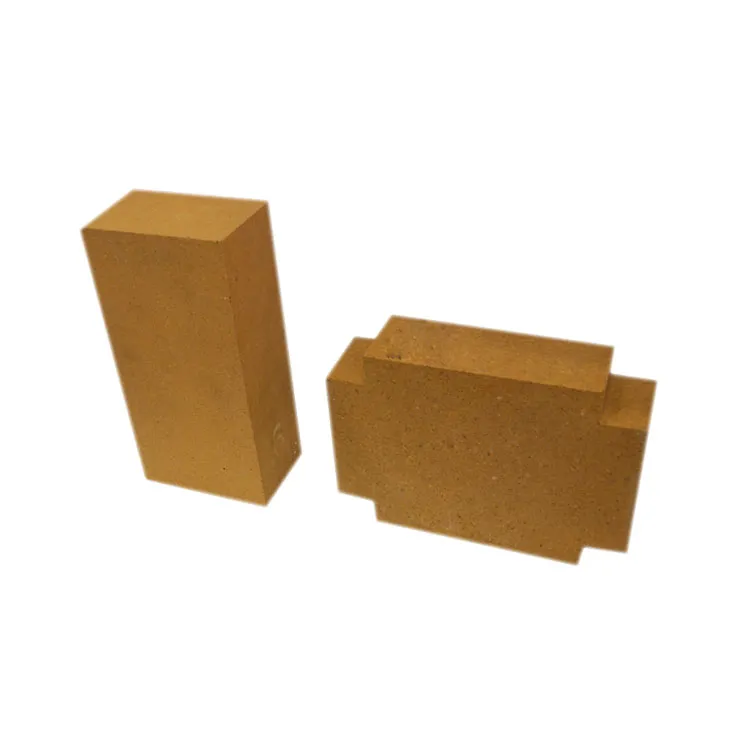
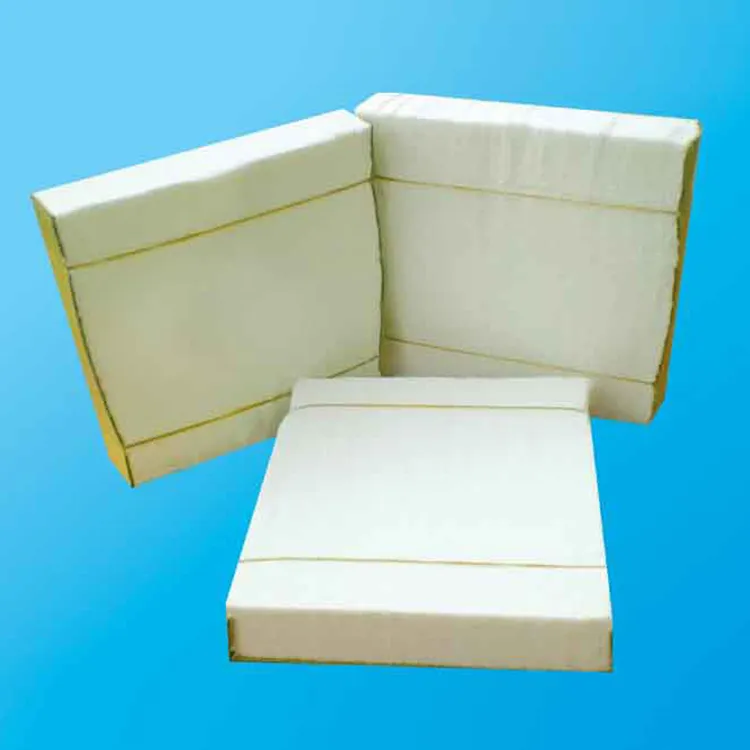
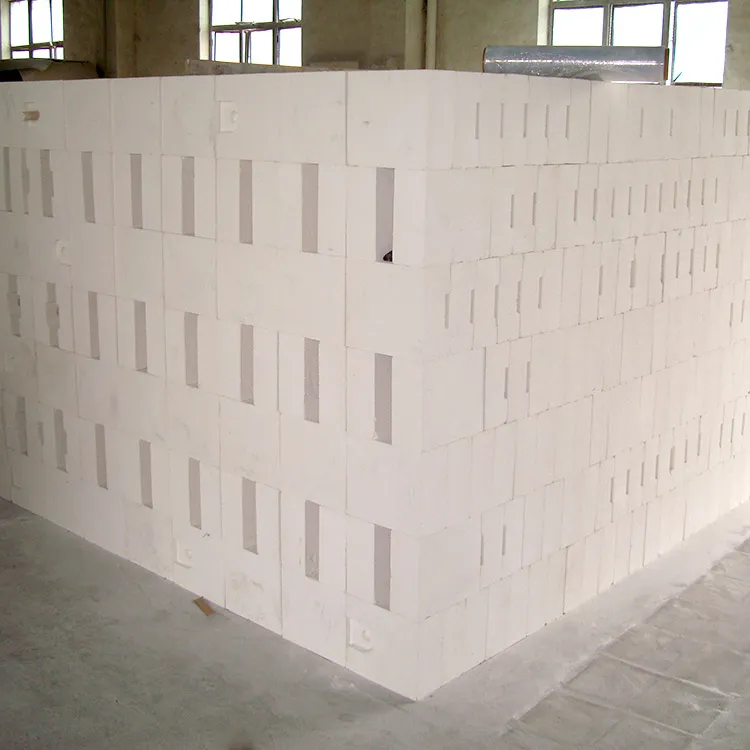
Industrial kilns in sectors like petrochemical refining, steelmaking, and ceramics demand materials that combine thermal efficiency with structural durability. Enter mullite insulating bricks—a breakthrough in refractory technology built on two core innovations: ultrafine powder addition and precision sintering in a high-temperature shuttle kiln.
The foundation of any superior mullite brick lies in its raw composition. Typically, it includes alumina (Al₂O₃), silica (SiO₂), and additives such as zirconia or boron nitride. These components are selected not just for their chemical stability but also for how they interact at the microstructural level. For example, adding 3–5% ultrafine alumina powder (<0.5 μm) significantly reduces pore size and increases density without compromising insulation properties—a key factor behind achieving a thermal conductivity as low as 0.45 W/m·K at 1000°C.
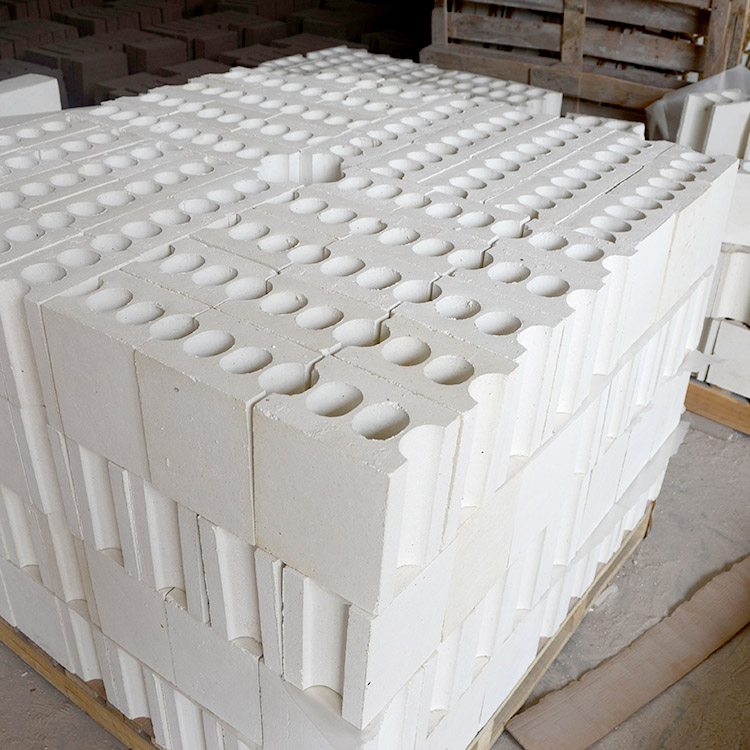
By introducing ultrafine powders during batching, manufacturers achieve uniform particle distribution across the matrix. This minimizes defects and creates a more homogeneous microstructure—critical for reducing heat transfer paths. In lab tests, bricks made with optimized ultrafine powder blends showed up to 18% lower thermal conductivity compared to conventional formulations, while maintaining compressive strength above 25 MPa.
| Property | Standard Brick | Advanced Mullite Brick |
|---|---|---|
| Thermal Conductivity (W/m·K @ 1000°C) | 0.65–0.75 | 0.45–0.52 |
| Refractoriness (°C) | ≥1600 | ≥1700 |
| Thermal Shock Resistance (1100°C → water) | ≤3 cycles | ≥20 cycles |
Unlike traditional tunnel kilns, shuttle kilns offer precise control over temperature gradients and atmosphere. During sintering at 1550–1650°C, this process ensures complete densification while minimizing grain growth—resulting in consistent dimensions and mechanical integrity. A case study from a Chinese steel plant reported a 30% reduction in brick replacement frequency after switching to our precision-sintered mullite bricks.
“We saw immediate energy savings in our ceramic roller kiln within six months—we’re now using 12% less fuel per batch.” — Mr. Ahmed Khalil, Procurement Manager, Middle East Ceramics Co.
Whether you're upgrading a glass furnace or optimizing a metallurgical blast furnace, these bricks deliver measurable benefits:
Get your free technical manual detailing real-world performance data, installation guidelines, and custom application support.
Download Technical Manual Now – Start Saving Energy Today! High - temperature furnace energy saving
Insulation brick construction techniques
Refractory clay insulation bricks
Furnace energy consumption reduction
High thermal shock resistance insulation materials
refractory brick cracking causes
thermal stress damage prevention
chemical furnace maintenance
refractory brick inspection methods
heat-resistant refractory materials
high temperature furnace insulation
fireclay insulating brick
thermal conductivity reduction
furnace energy efficiency
thermal shock resistant refractory
High - temperature furnace energy conservation
Refractory insulating bricks
Insulating brick construction techniques
Furnace lining energy - saving design
Thermal shock - resistant insulating materials
High-alumina insulation energy-saving
Porous structure refractory materials
Industrial furnace energy consumption reduction
Ceramic tunnel kiln energy-saving case
Insulating brick thermal conductivity
High - temperature furnace energy saving
Insulation brick construction techniques
Refractory clay insulation bricks
Furnace energy consumption reduction
High thermal shock resistance insulation materials
refractory brick cracking causes
thermal stress damage prevention
chemical furnace maintenance
refractory brick inspection methods
heat-resistant refractory materials
high temperature furnace insulation
fireclay insulating brick
thermal conductivity reduction
furnace energy efficiency
thermal shock resistant refractory
High - temperature furnace energy conservation
Refractory insulating bricks
Insulating brick construction techniques
Furnace lining energy - saving design
Thermal shock - resistant insulating materials
High-alumina insulation energy-saving
Porous structure refractory materials
Industrial furnace energy consumption reduction
Ceramic tunnel kiln energy-saving case
Insulating brick thermal conductivity