

.png?x-oss-process=image/resize,h_100,m_lfit/format,webp)
.png?x-oss-process=image/resize,h_100,m_lfit/format,webp)
.png?x-oss-process=image/resize,h_100,m_lfit/format,webp)

In high-temperature industrial environments like tunnel kilns, ceramic rollers, and electric porcelain drawer furnaces, structural integrity isn’t just a technical detail—it’s a safety imperative. A poorly constructed refractory lining can lead to thermal stress cracks, premature failure, and costly downtime. Recent field data shows that up to 30% of furnace failures in Asia-Pacific regions are linked to suboptimal bricklaying practices, not material quality.
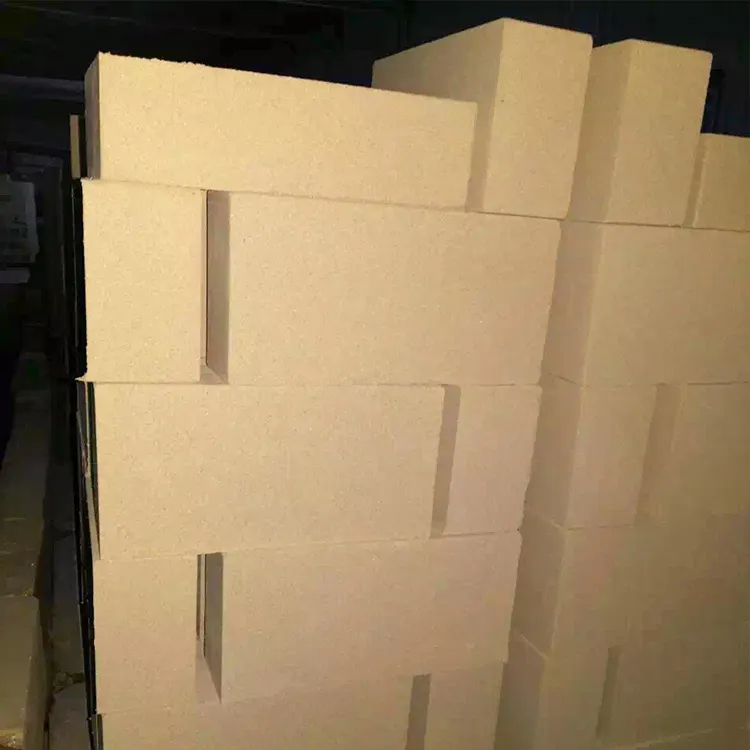
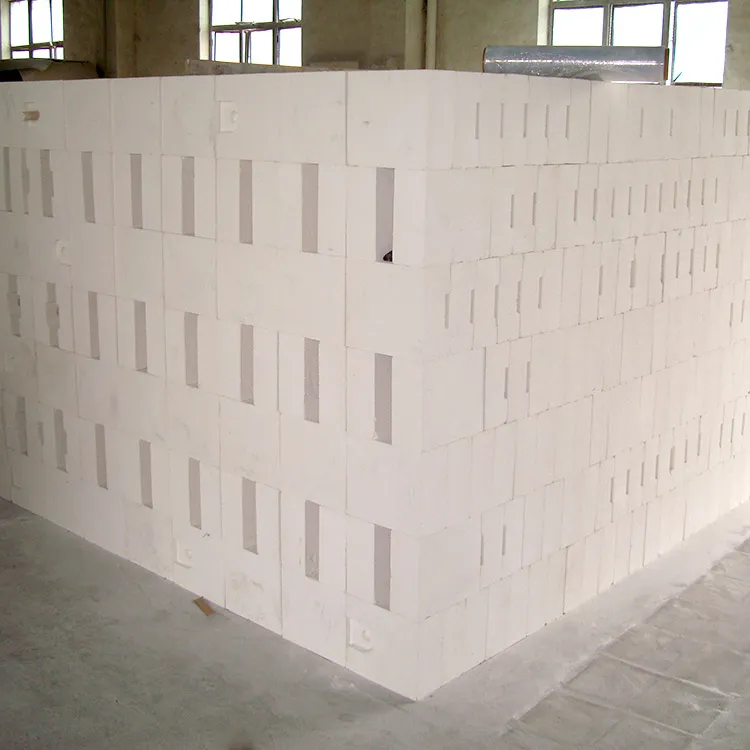
Unlike standard bricks, precision-cut high-strength mullite insulating bricks offer consistent dimensions—typically ±0.5mm tolerance—which dramatically reduces mortar consumption by up to 22% (based on comparative studies from China’s National Institute of Building Materials). This means less waste, faster installation, and improved thermal efficiency across the entire kiln structure.
Our engineers at [Your Company Name] have observed that when technicians follow a standardized workflow—starting with dimensional verification, then precise placement using calibrated jigs—the average installation time drops from 7 days per section to just 4.5 days, while reducing rework incidents by over 40%.
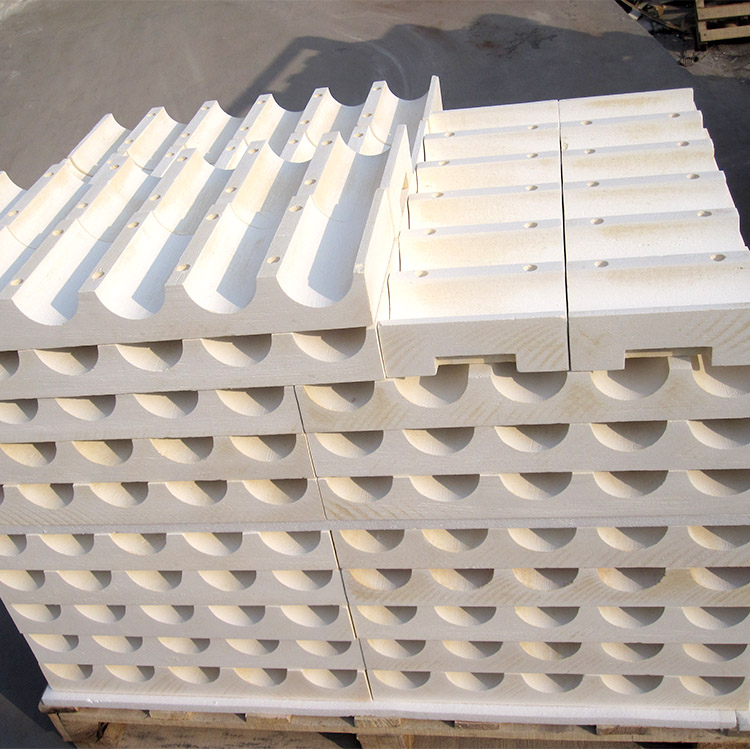
These steps aren't just best practice—they're proven. One European ceramics manufacturer reported a 27% reduction in energy loss after implementing our recommended mullite brick installation protocol, directly translating into lower CO₂ emissions and higher throughput.
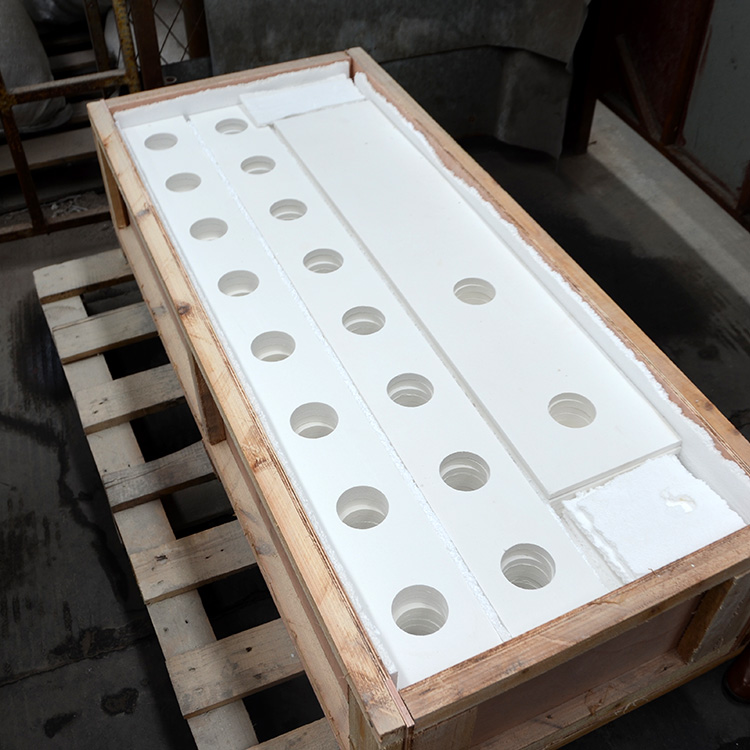
For professionals seeking deeper insights into optimizing refractory systems—not just for tunnel kilns but also roller hearth and batch furnaces—we’ve compiled real-world case studies, including before-and-after thermal imaging reports and cost-benefit analyses. These resources help you make smarter decisions about material selection, labor planning, and long-term performance.
Explore how our precision-engineered mullite bricks and expert support can transform your refractory projects—from initial setup to full operational stability.
Get Technical Guidance & Free Installation ChecklistThis article was developed in collaboration with industry experts from manufacturing plants across Germany, India, and Southeast Asia. All data reflects actual field results from 2022–2024.
 high alumina insulating brick
refractory material selection guide
kiln life extension techniques
thermal shock resistance
thermal expansion matching
low thermal conductivity refractory brick
mullite insulation brick
blast furnace refractory
thermal shock resistance
industrial furnace energy saving
high alumina brick thermal performance
thermal shock resistance refractory
industrial furnace lining longevity
refractory material selection guide
mullite corundum composite structure
High - alumina insulation energy - saving
Porous structural refractory materials
Thermal conductivity reduction
Industrial furnace energy conservation
International standards for refractory bricks
high alumina brick thermal shock resistance
industrial furnace refractory selection
mullite refractory brick
thermal conductivity refractory material
intermittent furnace lining
high alumina insulating brick
refractory material selection guide
kiln life extension techniques
thermal shock resistance
thermal expansion matching
low thermal conductivity refractory brick
mullite insulation brick
blast furnace refractory
thermal shock resistance
industrial furnace energy saving
high alumina brick thermal performance
thermal shock resistance refractory
industrial furnace lining longevity
refractory material selection guide
mullite corundum composite structure
High - alumina insulation energy - saving
Porous structural refractory materials
Thermal conductivity reduction
Industrial furnace energy conservation
International standards for refractory bricks
high alumina brick thermal shock resistance
industrial furnace refractory selection
mullite refractory brick
thermal conductivity refractory material
intermittent furnace lining