

.png?x-oss-process=image/resize,h_100,m_lfit/format,webp)
.png?x-oss-process=image/resize,h_100,m_lfit/format,webp)
.png?x-oss-process=image/resize,h_100,m_lfit/format,webp)

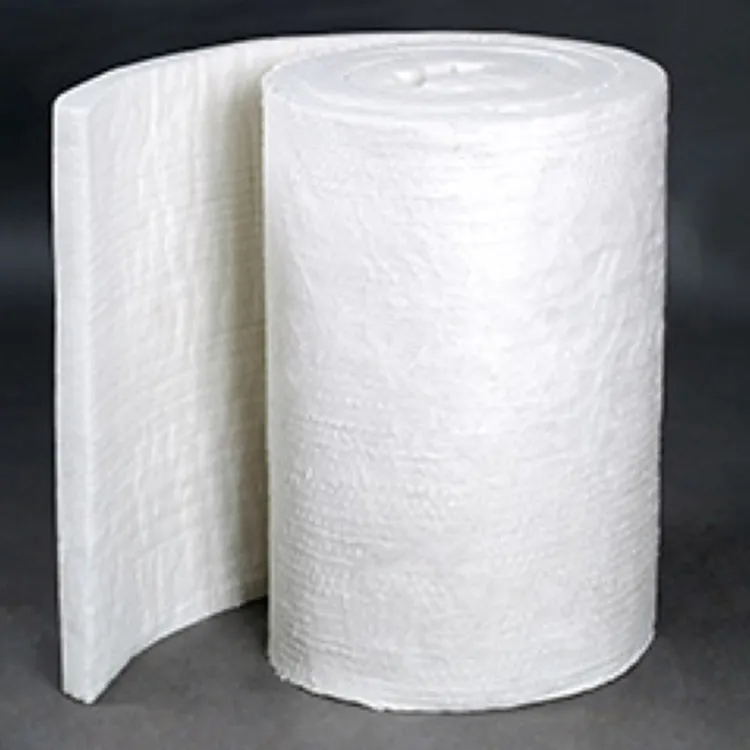
In the realm of industrial kilns, energy efficiency and operational longevity are paramount. Low thermal conductivity mullite insulating bricks have emerged as a game - changer in this field. Let's delve into the details of this remarkable refractory material.
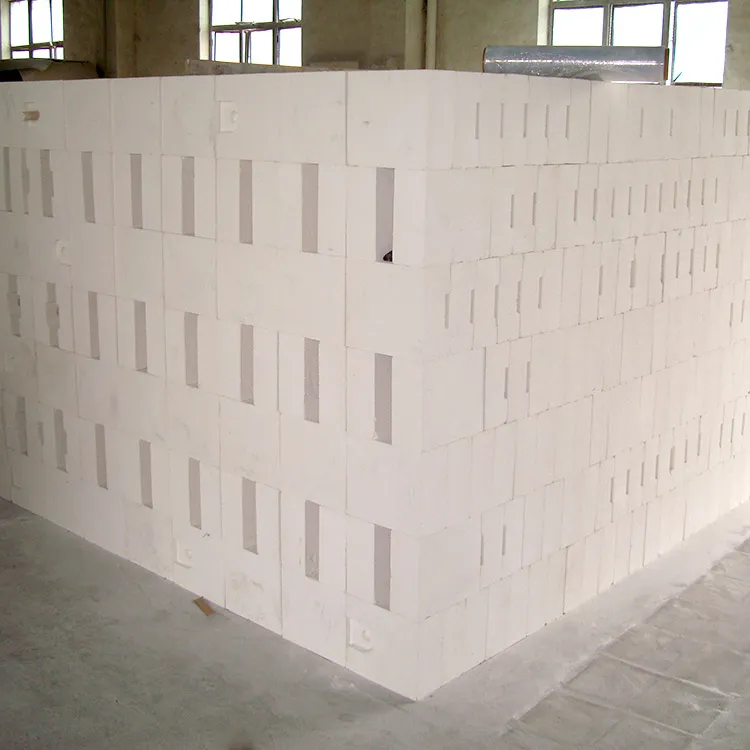
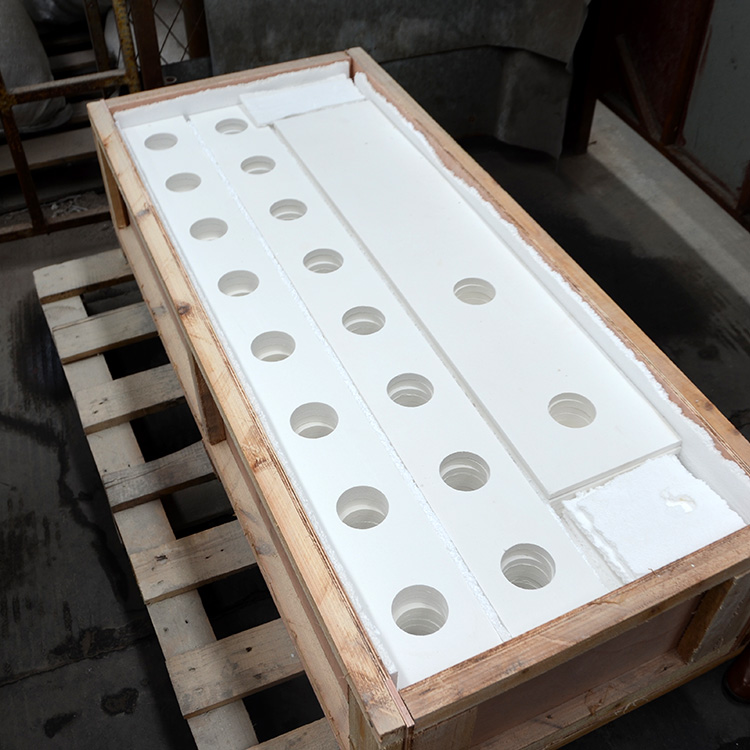
These insulating bricks are crafted using imported tabular corundum and high - purity fused corundum as the core raw materials. The addition of ultrafine powder technology further enhances their performance. The manufacturing process involves precision sintering in a high - temperature shuttle kiln. This unique process ensures that the bricks possess exceptional properties.
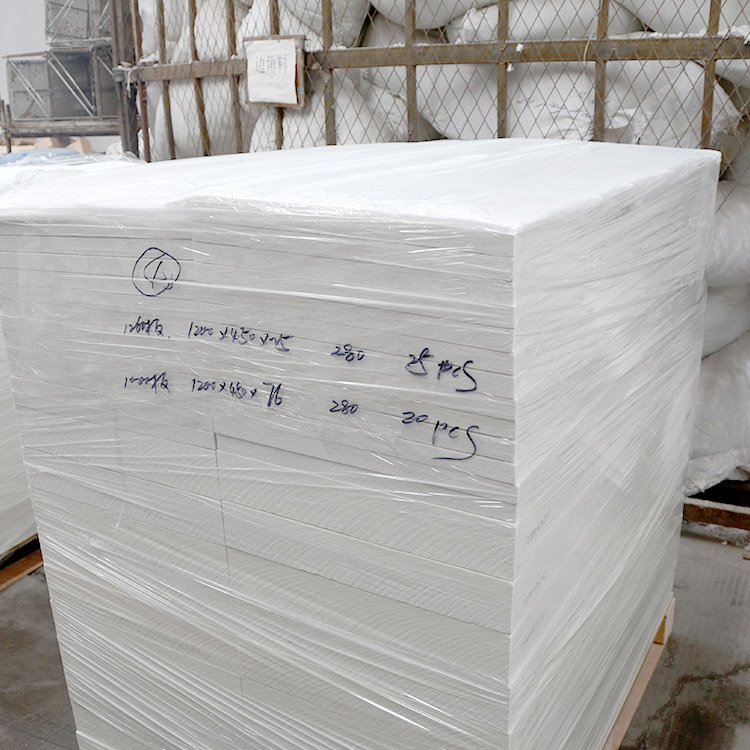
The use of imported tabular corundum provides high strength and excellent chemical stability. High - purity fused corundum contributes to the high refractoriness of the bricks. The ultrafine powder addition fills the gaps between the particles, improving the density and overall performance of the bricks. The high - temperature shuttle kiln sintering process allows for precise control of temperature and atmosphere, resulting in bricks with consistent quality.
The low thermal conductivity mullite insulating bricks exhibit outstanding performance in several aspects. Firstly, they have a high refractoriness, with a refractoriness under load (RUL) of up to 1700°C. This means they can withstand extremely high temperatures without significant deformation, ensuring the stability of the kiln lining structure.
Secondly, their excellent thermal shock stability is a key advantage. They can endure rapid temperature changes without cracking or spalling. Tests have shown that they can withstand more than 50 thermal shock cycles from room temperature to 1000°C, which is much higher than many traditional refractory materials.
In addition, these bricks are manufactured with precise dimensions. The dimensional tolerance is within ±0.5mm, which greatly improves the masonry efficiency. It reduces the time and cost of installation and also enhances the overall structural stability of the kiln lining.
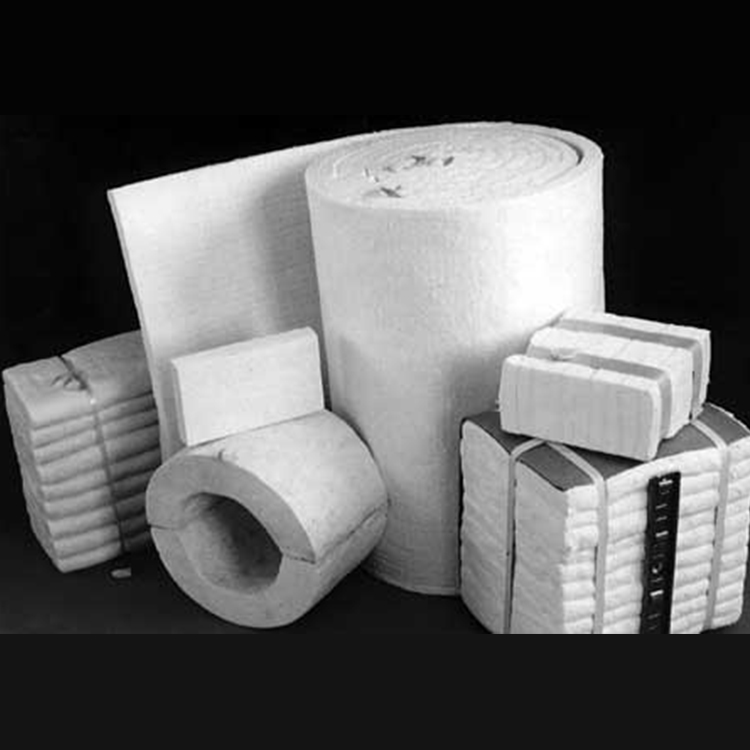
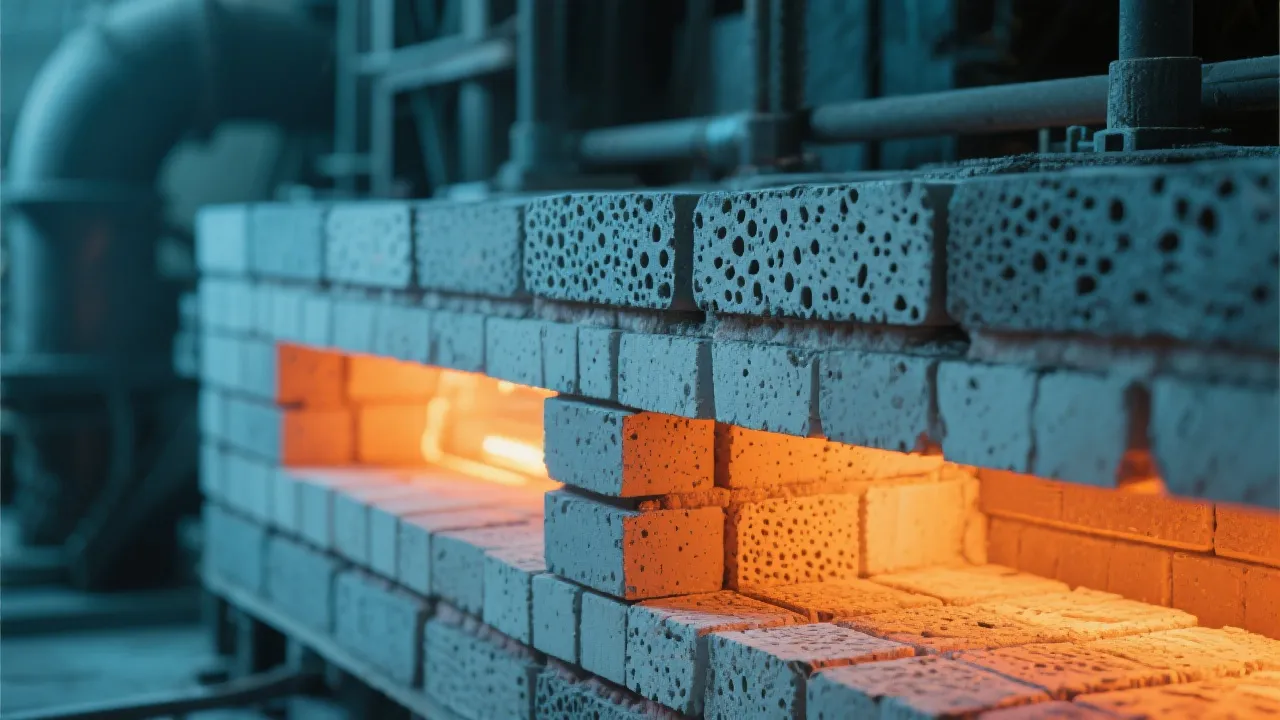
Let's look at some typical applications. In petroleum cracking kilns, the use of these insulating bricks can extend the lining life by up to 30%. This is because their high refractoriness and thermal shock stability can better withstand the harsh operating conditions of the kiln. Moreover, they can reduce the heat loss by about 20%, resulting in significant energy savings.
In metallurgical blast furnaces, the bricks can improve the operating efficiency of the furnace. They help to maintain a more stable temperature distribution inside the furnace, which is beneficial for the smelting process. The lining life can be extended by about 25%, and the energy consumption can be reduced by 15%.
When selecting low thermal conductivity mullite insulating bricks, users should consider factors such as the operating temperature, thermal shock frequency, and chemical environment of the kiln. Our technical team can provide professional guidance based on your specific requirements.
For energy - saving transformation, we recommend a comprehensive evaluation of the existing kiln system. Our products can be used to replace the old refractory materials in a phased manner to achieve better energy - saving results.
If you are interested in learning more about how our low thermal conductivity insulating bricks can revolutionize your industrial kiln operations, click here to contact our technical support team and explore the possibilities for your business.
 high alumina insulating bricks
mullite phase in refractories
corundum refractory properties
furnace lining failure prevention
refractory material selection guide
High-alumina insulation energy-saving
Porous structure refractory materials
Industrial furnace energy-saving
Ceramic tunnel kiln renovation
Refractory material international standards
insulating brick for furnace insulation
thermal shock resistant refractory
energy-efficient furnace design
refractory brick installation best practices
industrial furnace energy savings
Refractory material selection
High - alumina insulating bricks
Furnace service life extension
Thermal shock resistance
Industrial furnace energy conservation
thermal shock resistant refractory materials
high-frequency start-stop industrial furnaces
high-alumina brick thermal performance
industrial furnace refractory selection
mullite structure refractory bricks
high alumina insulating bricks
mullite phase in refractories
corundum refractory properties
furnace lining failure prevention
refractory material selection guide
High-alumina insulation energy-saving
Porous structure refractory materials
Industrial furnace energy-saving
Ceramic tunnel kiln renovation
Refractory material international standards
insulating brick for furnace insulation
thermal shock resistant refractory
energy-efficient furnace design
refractory brick installation best practices
industrial furnace energy savings
Refractory material selection
High - alumina insulating bricks
Furnace service life extension
Thermal shock resistance
Industrial furnace energy conservation
thermal shock resistant refractory materials
high-frequency start-stop industrial furnaces
high-alumina brick thermal performance
industrial furnace refractory selection
mullite structure refractory bricks


.jpg?x-oss-process=image/resize,h_800,m_lfit/format,webp)