

.png?x-oss-process=image/resize,h_100,m_lfit/format,webp)
.png?x-oss-process=image/resize,h_100,m_lfit/format,webp)
.png?x-oss-process=image/resize,h_100,m_lfit/format,webp)

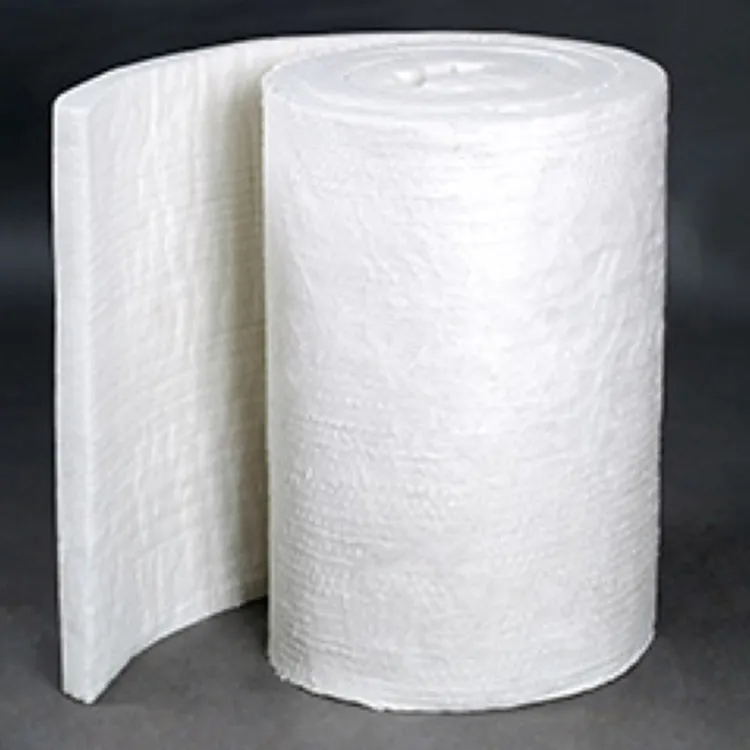
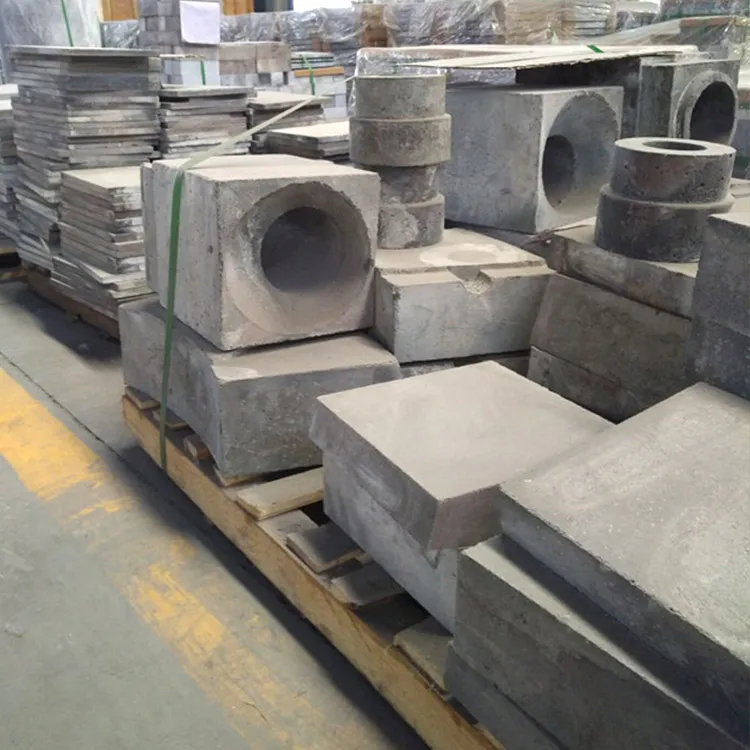
In the high-temperature industrial sector, where every degree of heat and every kilowatt-hour of energy matters, material innovation becomes the cornerstone of operational efficiency. Today, we delve into a revolutionary solution that's transforming energy consumption patterns in glass furnaces, coke ovens, and carbon forging furnaces: low-density siliceous insulating firebricks. This advanced refractory material, championed by industry leader Sunrise, represents a significant leap forward in thermal management technology.
At the heart of this material's exceptional performance lies a precise combination of chemical composition and structural engineering. With a silica content exceeding 91%, these bricks offer remarkable thermal stability even in the most demanding environments. What truly sets them apart, however, is their ultra-low density—measuring less than 1.2g/cm³—achieved through a specialized manufacturing process that creates uniform, microscopic air pockets within the brick structure.
These properties translate to a material that not only withstands extreme temperatures but actively works to contain heat within industrial processes, dramatically reducing energy loss and associated costs.
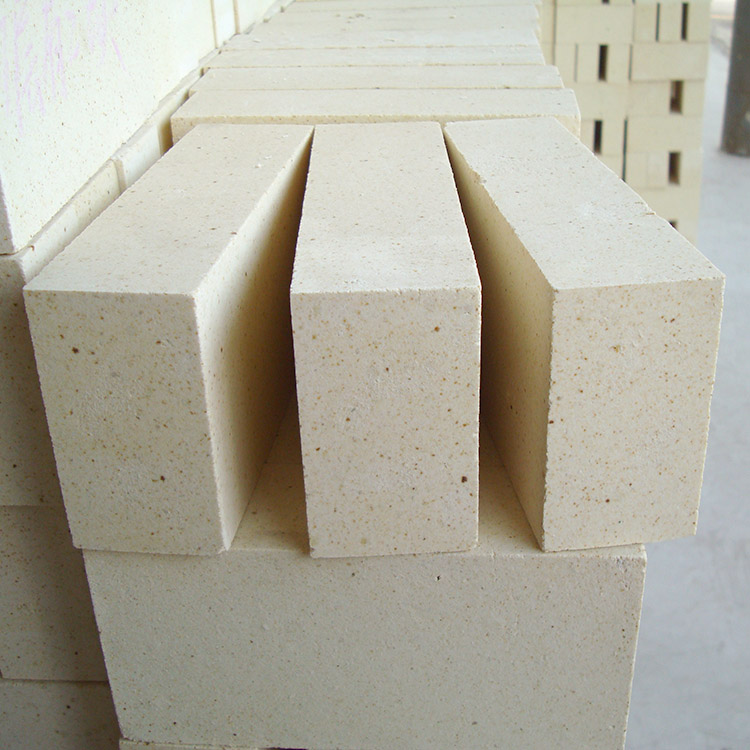
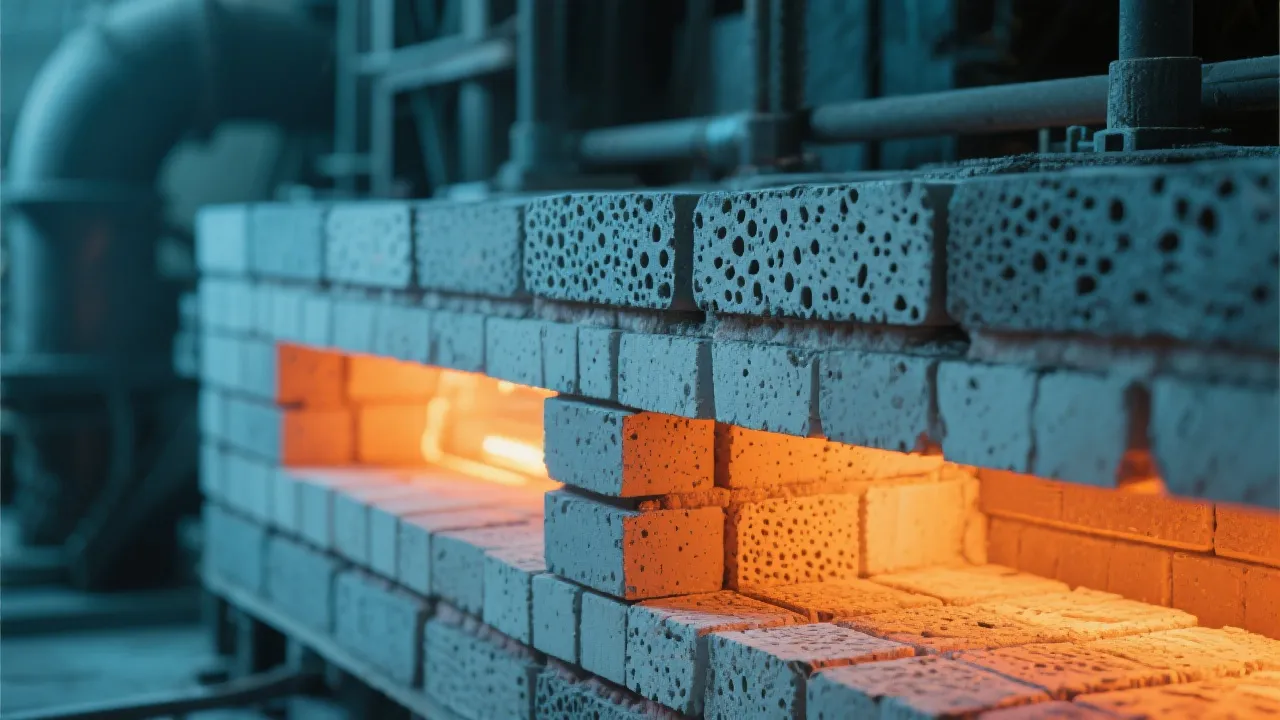
In glass furnace applications, where maintaining precise temperatures is critical for product quality and energy efficiency, Sunrise's low-density siliceous insulating firebricks have demonstrated remarkable results. By lining the furnace crown and sidewalls with these advanced bricks, heat retention is significantly improved, allowing for more stable internal temperatures and reduced fuel consumption.
Industry Case Study: A leading European glass manufacturer reported a 12% reduction in natural gas consumption after retrofitting their furnace with low-density siliceous insulating firebricks. This translated to annual savings of approximately €140,000 and a corresponding reduction in CO₂ emissions by 320 tons per year.
The demanding conditions of coke ovens and carbon forging furnaces require materials that can withstand not only extreme heat but also mechanical stress and chemical corrosion. The low thermal conductivity of these siliceous bricks reduces heat transfer to the oven walls, minimizing thermal stress and extending equipment lifespan by up to 30% compared to traditional refractory solutions.
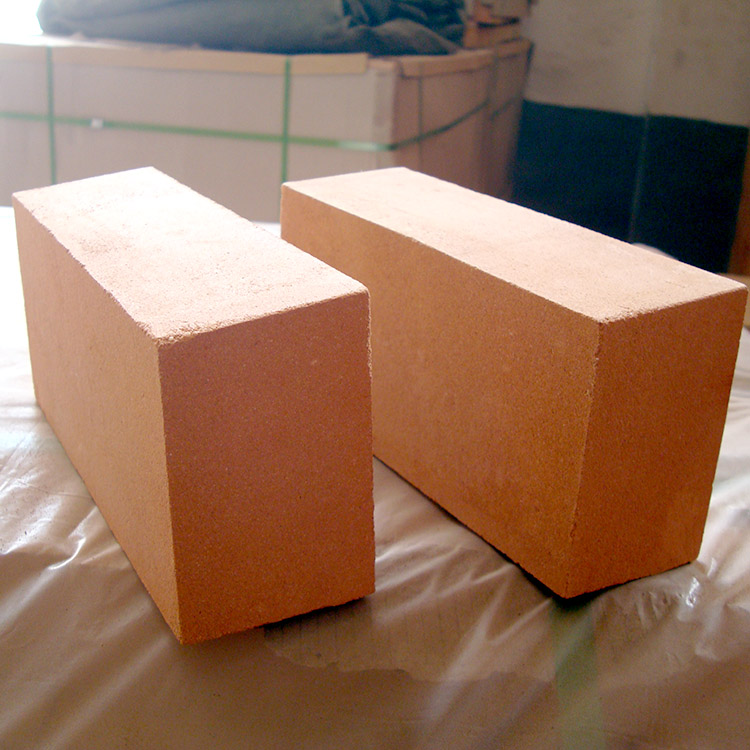
Choosing the right insulating firebrick requires careful consideration of specific operating conditions. Factors such as maximum temperature, thermal cycling frequency, chemical environment, and structural requirements all play a role in determining the optimal brick density and configuration.
| Application | Recommended Density Range | Key Benefit |
|---|---|---|
| Glass Furnace Crown | 0.9-1.1 g/cm³ | Maximum thermal insulation, reduced energy loss |
| Coke Oven Walls | 1.1-1.2 g/cm³ | Balanced insulation and structural strength |
| Carbon Forging Furnaces | 1.0-1.15 g/cm³ | Excellent thermal shock resistance |
| Hot Air Ducts | 0.85-1.0 g/cm³ | Lightweight with superior insulation |
Engineers and technical managers often raise important questions when considering a switch to low-density siliceous insulating firebricks. Let's address some of the most frequently asked:
Q: How do these bricks compare in installation to traditional firebricks?
A: While slightly more delicate during handling, the lightweight nature of these bricks can actually reduce installation time by up to 25%. Specialized mortar and installation techniques ensure proper sealing and structural integrity.
Q: What maintenance schedule is required?
A: Under normal operating conditions, inspection every 6 months is recommended, with expected service life of 5-7 years, depending on operating temperature and thermal cycling frequency.
Q: Are there any compatibility issues with existing refractory systems?
A: When properly installed with compatible transition materials, these bricks can be integrated into most existing refractory systems without compatibility issues.
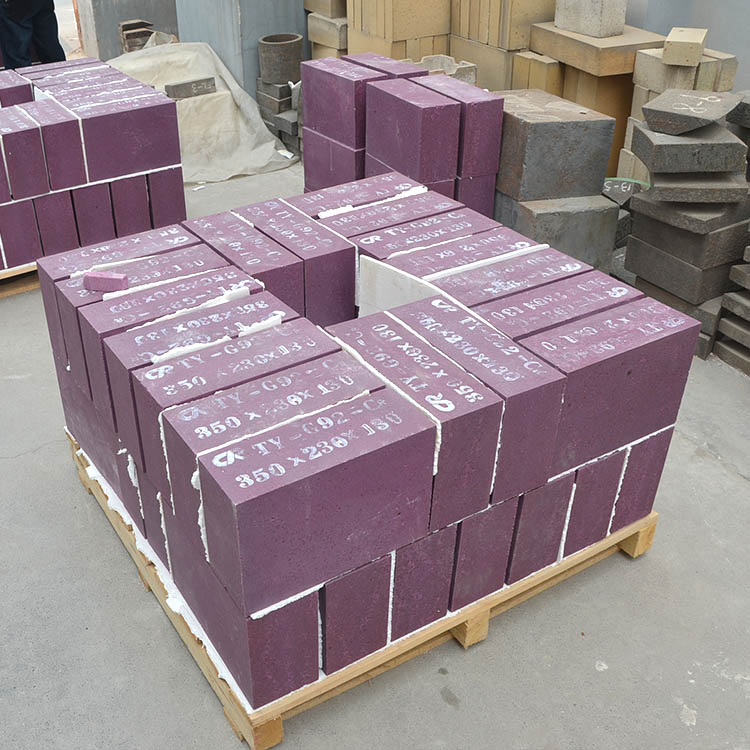
Beyond immediate energy savings, the environmental benefits of low-density siliceous insulating firebricks contribute significantly to corporate sustainability goals. By reducing fuel consumption, facilities can lower their carbon footprint while also improving their bottom line.
Typical return on investment ranges from 12 to 24 months, depending on energy costs and production volume. For a medium-sized glass manufacturing facility operating 24/7, this could mean millions in savings over the brick's service life, while simultaneously demonstrating environmental leadership.
Discover how Sunrise low-density siliceous insulating firebricks can reduce your energy costs while enhancing operational reliability.
Get Your Custom Energy-Saving Analysis NowAs industries worldwide strive for greater efficiency and sustainability, materials technology continues to play a pivotal role in achieving these goals. Low-density siliceous insulating firebricks represent not just an incremental improvement, but a fundamental shift in how we approach thermal management in high-temperature industrial processes. By investing in this advanced technology, companies position themselves at the forefront of both economic and environmental performance, ensuring competitiveness in an increasingly resource-constrained world.
 insulating firebrick efficiency
refractory mortar reduction
high-strength insulation brick
industrial kiln optimization
mullite refractory brick
refractory material selection
high-alumina insulating bricks
industrial furnace lifespan extension
thermal shock resistance
high-temperature refractory materials
high-alumina insulating bricks
refractory material selection guide
furnace lifespan extension techniques
thermal shock resistance
industrial high-temperature refractory materials
Chemical furnace lining materials
Refractory insulation brick selection
High - strength refractory clay bricks
Chemical furnace refractory materials
Furnace lining material performance comparison
refractory fireclay insulating bricks
industrial kiln insulation materials
high-temperature insulating bricks
energy-saving kiln materials
kiln thermal expansion properties
insulating firebrick efficiency
refractory mortar reduction
high-strength insulation brick
industrial kiln optimization
mullite refractory brick
refractory material selection
high-alumina insulating bricks
industrial furnace lifespan extension
thermal shock resistance
high-temperature refractory materials
high-alumina insulating bricks
refractory material selection guide
furnace lifespan extension techniques
thermal shock resistance
industrial high-temperature refractory materials
Chemical furnace lining materials
Refractory insulation brick selection
High - strength refractory clay bricks
Chemical furnace refractory materials
Furnace lining material performance comparison
refractory fireclay insulating bricks
industrial kiln insulation materials
high-temperature insulating bricks
energy-saving kiln materials
kiln thermal expansion properties




.jpg?x-oss-process=image/resize,h_800,m_lfit/format,webp)