

.png?x-oss-process=image/resize,h_100,m_lfit/format,webp)
.png?x-oss-process=image/resize,h_100,m_lfit/format,webp)
.png?x-oss-process=image/resize,h_100,m_lfit/format,webp)

"In industrial furnace operations, every 10°C reduction in external wall temperature translates to approximately 3-5% energy savings. High-purity silica insulation refractory bricks represent a strategic investment in long-term operational efficiency." — Dr. Michael Chen, Materials Science Specialist at Sunrise Refractories
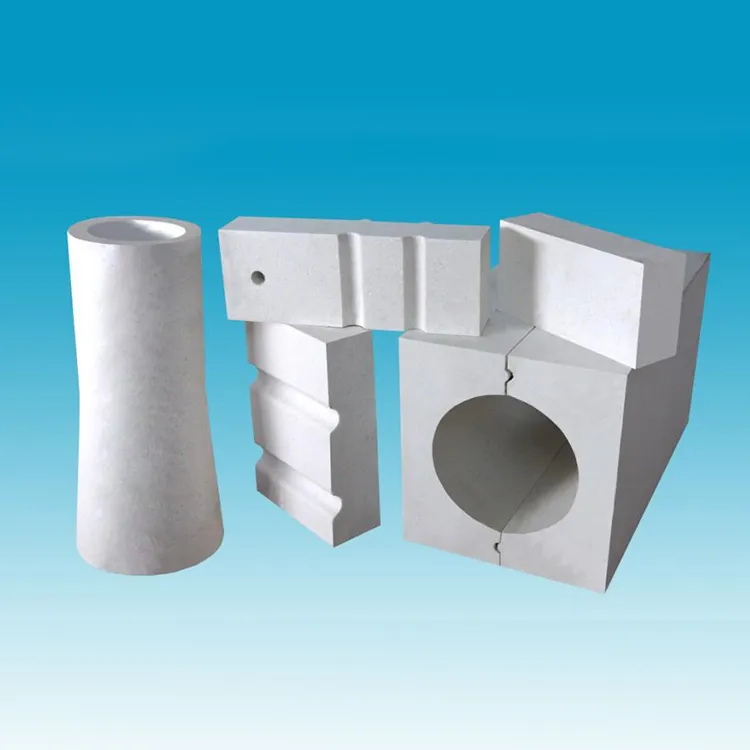
Modern industrial processes demand materials that can withstand extreme thermal conditions while optimizing energy usage. Low-density silica insulation refractory bricks, characterized by their high-purity silicon dioxide composition, have emerged as a critical component in energy-efficient furnace design. These specialized bricks, with silica content typically exceeding 91%, offer a unique combination of thermal stability and insulating properties that directly impact operational costs and equipment longevity.
The performance of Sunrise low-density silica insulation bricks stems from their exceptional purity and engineered microstructure. With SiO₂ content ranging from 91% to 95%, these bricks maintain structural integrity even at continuous operating temperatures between 1500°C and 1550°C. The carefully controlled manufacturing process creates a network of micro-pores that significantly reduce thermal conductivity while preserving mechanical strength.
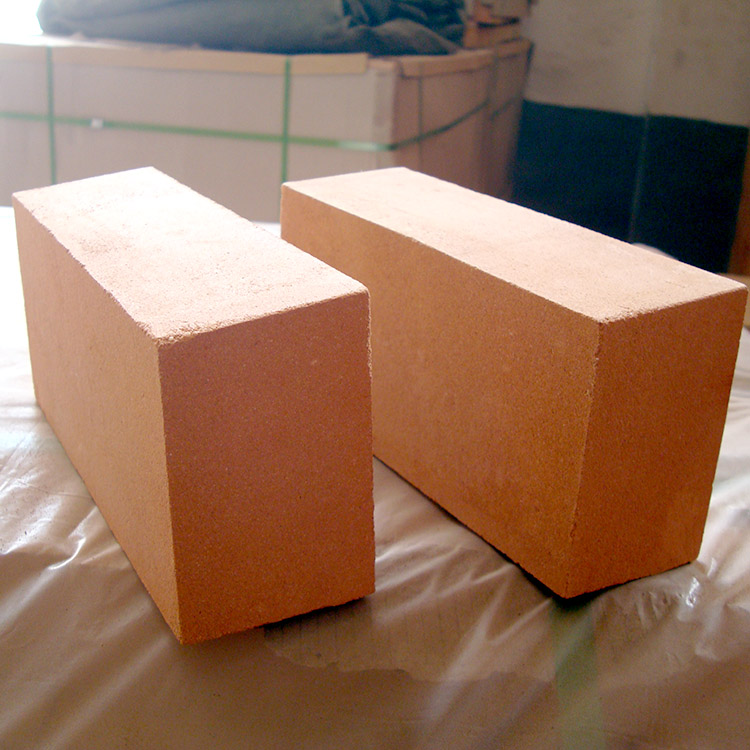
The thermal insulation efficiency of these bricks directly contributes to substantial energy savings in industrial operations. Comparative studies show that replacing conventional refractory materials with Sunrise low-density silica bricks can reduce heat loss by 30-40% in furnace applications. This translates to significant operational cost reductions, with typical payback periods ranging from 8 to 14 months depending on furnace type and operating hours.
At temperatures exceeding 1200°C, the material's low thermal conductivity becomes particularly valuable. Unlike many insulating materials that degrade or experience increased thermal transfer at elevated temperatures, silica-based insulation maintains its insulating properties across the entire operating range, ensuring consistent performance and predictable energy consumption.
Different industrial processes present unique thermal challenges that Sunrise low-density silica insulation bricks are engineered to address:
Reduce fuel consumption by 15-20% while maintaining precise temperature control critical for glass quality. The material's low thermal expansion minimizes thermal stress cracking.
Improve heat distribution uniformity by up to 25%, reducing coke formation time and improving product consistency while lowering overall energy requirements.
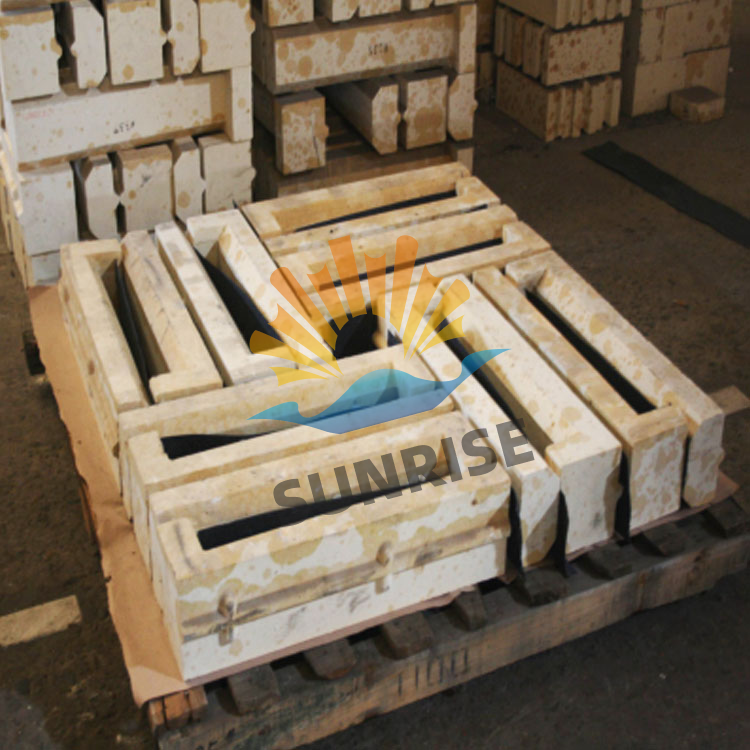
Choosing the optimal density grade is critical for balancing insulation performance with structural requirements. Sunrise offers multiple density options to match specific application needs:
| Density Range (g/cm³) | Primary Application | Key Advantage |
|---|---|---|
| 0.8-0.95 | Backup insulation layers | Maximum thermal resistance |
| 1.0-1.1 | Intermediate insulation | Balanced insulation and strength |
| 1.1-1.2 | Load-bearing insulation areas | Enhanced structural stability |
Proper installation and maintenance further maximize the performance benefits of these advanced insulation materials. Regular thermal imaging inspections can identify potential hot spots before they lead to energy losses or structural issues, while proper expansion joint design accommodates thermal movement and prevents cracking.
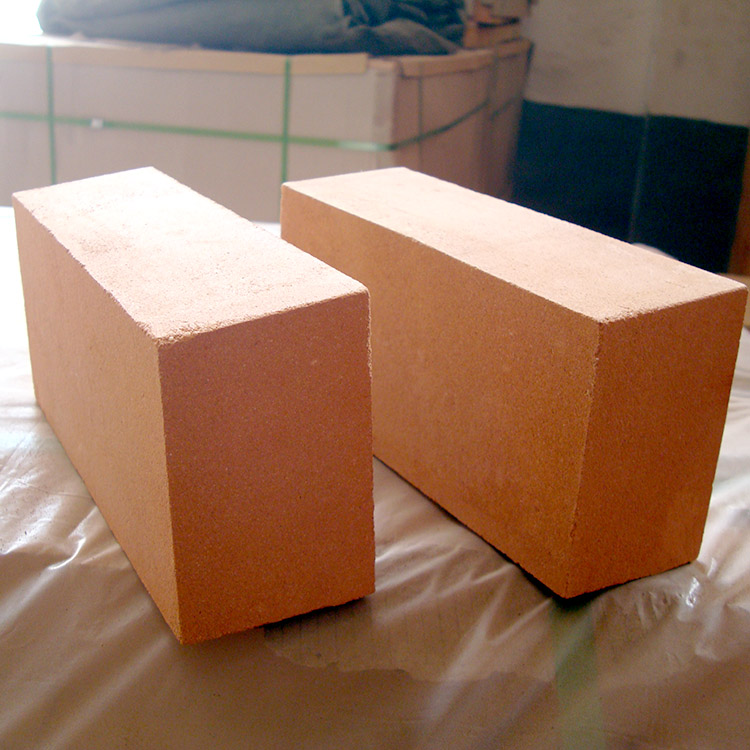
Our team of materials engineers will conduct a free thermal assessment of your current furnace system and provide a customized insulation solution designed to maximize energy savings and extend equipment lifespan.
Request Your Free Thermal AnalysisIndustrial facilities worldwide are recognizing that energy efficiency is not just an environmental consideration but a critical business imperative. By upgrading to high-performance insulation materials like Sunrise low-density silica refractory bricks, companies can achieve substantial operational cost reductions while improving process stability and product quality. The combination of material science innovation and application-specific engineering makes these bricks an essential component of modern, sustainable industrial operations.
 high-strength insulation bricks
ceramic roller kiln
refractory material application
industrial kiln construction
energy-efficient refractory brick
Tunnel kiln refractory bricks
Mullite insulation bricks
Industrial kiln masonry
Refractory mortar saving
Kiln structure stability
electric porcelain drawer kiln refractory brick installation
mullite insulating brick techniques
industrial kiln structural stability
high-temperature kiln energy saving
refractory materials construction guide
energy-saving refractory bricks
high-strength insulating bricks
industrial furnace insulation materials
petrochemical cracking furnace refractory
metallurgical blast furnace lining
high-alumina insulating bricks
refractory thermal expansion
industrial furnace maintenance
thermal shock resistance
refractory interface spalling
high-strength insulation bricks
ceramic roller kiln
refractory material application
industrial kiln construction
energy-efficient refractory brick
Tunnel kiln refractory bricks
Mullite insulation bricks
Industrial kiln masonry
Refractory mortar saving
Kiln structure stability
electric porcelain drawer kiln refractory brick installation
mullite insulating brick techniques
industrial kiln structural stability
high-temperature kiln energy saving
refractory materials construction guide
energy-saving refractory bricks
high-strength insulating bricks
industrial furnace insulation materials
petrochemical cracking furnace refractory
metallurgical blast furnace lining
high-alumina insulating bricks
refractory thermal expansion
industrial furnace maintenance
thermal shock resistance
refractory interface spalling