

.png?x-oss-process=image/resize,h_100,m_lfit/format,webp)
.png?x-oss-process=image/resize,h_100,m_lfit/format,webp)
.png?x-oss-process=image/resize,h_100,m_lfit/format,webp)

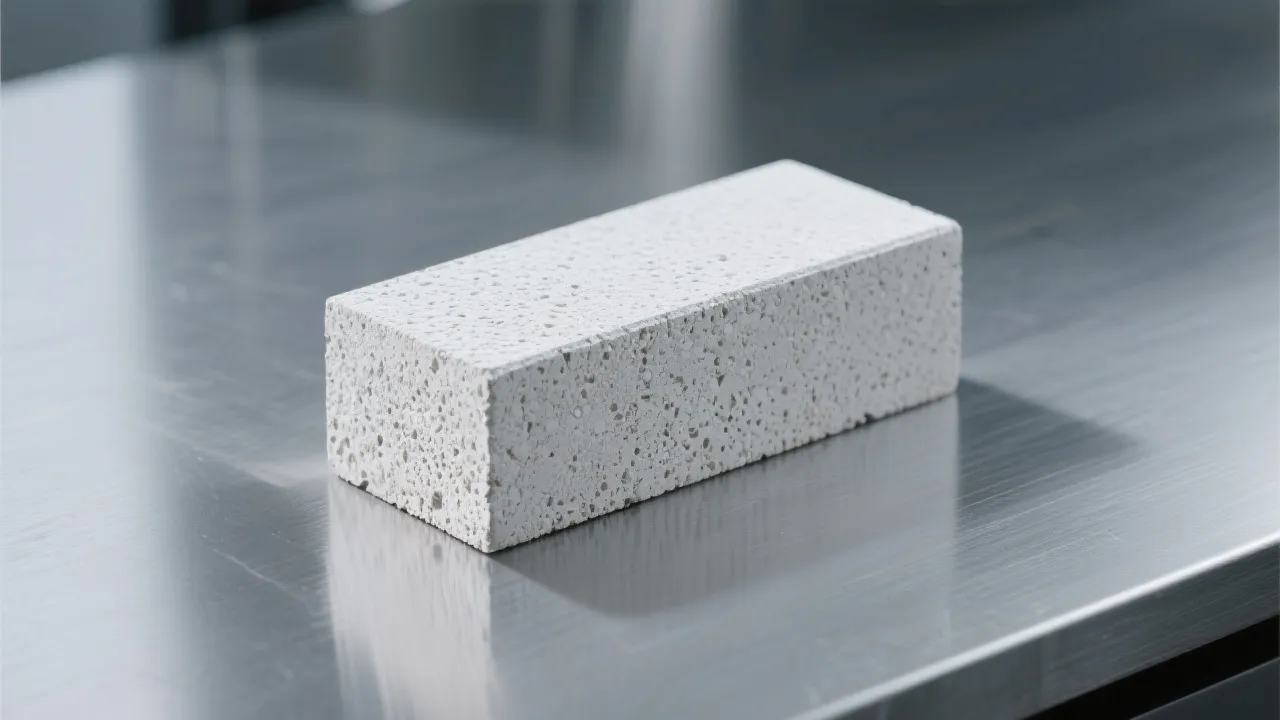
In industrial high-temperature processes, energy efficiency and material stability are critical factors that directly impact operational costs and productivity. Sunrise's low-density siliceous insulating firebricks represent a technological advancement in refractory materials, offering exceptional thermal performance with a silica content exceeding 91% and an ultra-low density of less than 1.2g/cm³, ensuring reliable performance even at temperatures between 1500–1550°C.
The performance of low-density siliceous insulating firebricks is defined by several key technical指标 that determine their suitability for high-temperature applications. The high silica content (>91%) ensures excellent thermal stability and chemical resistance, making these bricks ideal for environments where purity and heat resistance are paramount.
Volume density, measured at less than 1.2g/cm³, contributes significantly to the material's insulating properties while reducing structural load. This low density translates to reduced heat storage capacity, allowing for faster heat-up and cool-down cycles while minimizing energy loss. Thermal conductivity, typically ranging from 0.25 to 0.45 W/m·K at operating temperatures, further enhances energy efficiency by limiting heat transfer through the material.
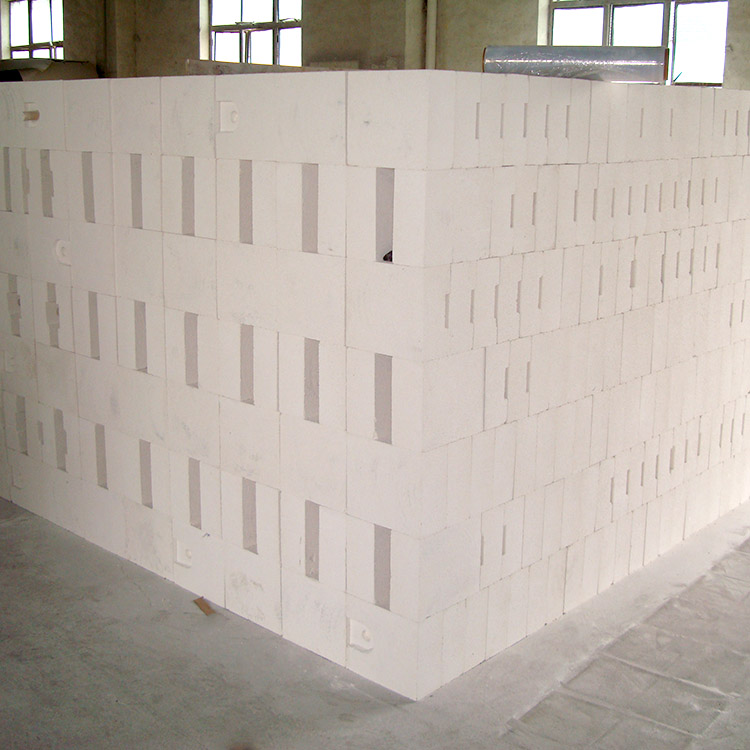
In glass manufacturing, maintaining consistent high temperatures while minimizing energy consumption is crucial. Sunrise's low-density siliceous insulating firebricks provide an effective solution for furnace linings, reducing heat loss by up to 30% compared to conventional refractory materials. This translates to significant energy savings, often resulting in payback periods of less than two years.
Steel production facilities utilizing hot blast stoves benefit from the material's excellent insulating properties and thermal shock resistance. The bricks' ability to withstand rapid temperature changes (from ambient to 1200°C and back) reduces maintenance requirements and extends stove service life by an average of 20%.
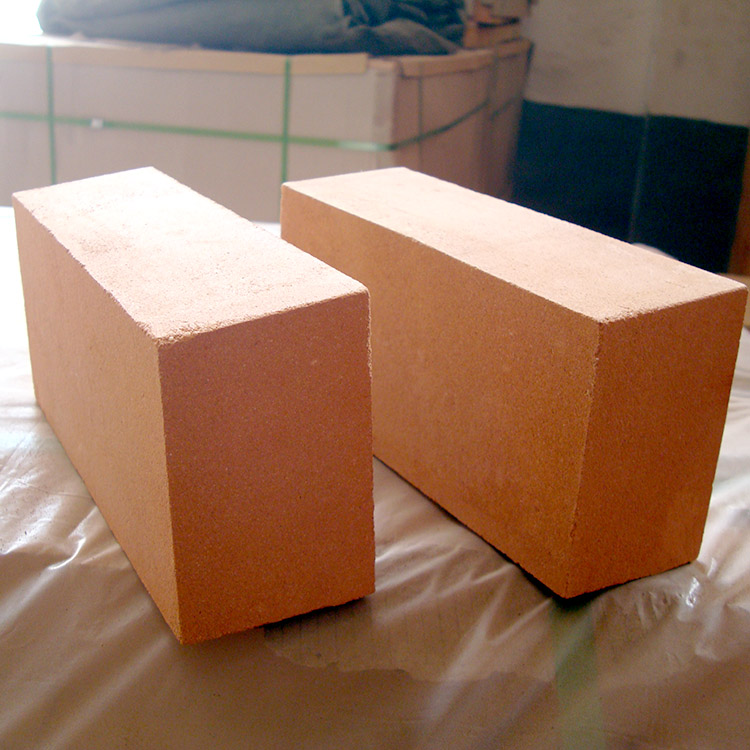
The chemical resistance of high-purity silica makes these bricks particularly suitable for coke ovens and carbon forging applications. Their low thermal conductivity helps maintain precise temperature profiles within the furnace, improving product quality while reducing energy consumption by 15-25% compared to traditional refractory solutions.
Industrial facilities implementing Sunrise's low-density siliceous insulating firebricks typically report:
Choosing the right density grade is essential for optimizing performance and cost-effectiveness. While lower density bricks offer superior insulation, higher density options provide increased structural strength for load-bearing applications:
Installation techniques also play a critical role in maximizing performance. Proper mortar selection, expansion joint placement, and curing procedures are essential to prevent cracking and ensure long-term stability. Sunrise provides comprehensive technical support to ensure optimal installation and performance.
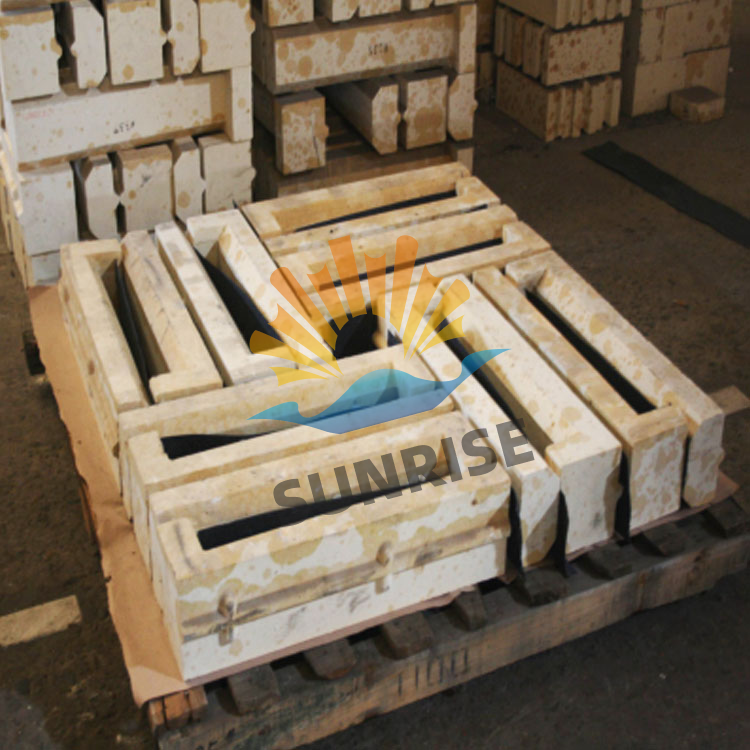
Engineers often express concerns about potential deformation under high temperatures. Sunrise's advanced manufacturing process ensures controlled thermal expansion characteristics, with linear expansion rates typically ranging from 0.5-0.7% at 1000°C, well within acceptable limits for most industrial applications.
When properly installed and maintained, these bricks typically provide service lives of 3-5 years in continuous high-temperature operations, depending on specific application conditions. Regular inspection and maintenance can further extend operational life.
Our team of refractory specialists can help you select the ideal low-density siliceous insulating firebrick solution for your specific application, providing technical specifications, installation guidance, and performance projections tailored to your operational needs.
Request Your Custom Technical AssessmentRefractory material selection directly impacts energy efficiency, maintenance costs, and operational reliability in high-temperature industrial processes. By leveraging the advanced properties of low-density siliceous insulating firebricks, facilities can achieve significant operational improvements while reducing environmental impact through lower energy consumption. The technical advantages of these specialized bricks—including high silica content, low density, and excellent thermal properties—make them a superior choice for modern industrial applications requiring both performance and efficiency.
 Mullite insulating bricks
Industrial kiln refractory bricks
Refractory material masonry
Energy - saving refractory brick application
Kiln structure optimization
low thermal conductivity refractory brick
mullite insulating brick
furnace lining stability
industrial furnace energy efficiency
thermal shock resistant refractory
petrochemical cracking furnace refractory materials
low thermal conductivity insulating bricks
industrial furnace energy saving
high-purity fused corundum
refractory brick technical advantages
high-alumina insulating bricks
refractory material selection
industrial furnace lifespan extension
thermal shock resistance
industrial furnace energy efficiency
low thermal conductivity firebrick
insulating refractory brick
industrial kiln energy saving
fused alumina refractory
high temperature shuttle kiln sintering
Mullite insulating bricks
Industrial kiln refractory bricks
Refractory material masonry
Energy - saving refractory brick application
Kiln structure optimization
low thermal conductivity refractory brick
mullite insulating brick
furnace lining stability
industrial furnace energy efficiency
thermal shock resistant refractory
petrochemical cracking furnace refractory materials
low thermal conductivity insulating bricks
industrial furnace energy saving
high-purity fused corundum
refractory brick technical advantages
high-alumina insulating bricks
refractory material selection
industrial furnace lifespan extension
thermal shock resistance
industrial furnace energy efficiency
low thermal conductivity firebrick
insulating refractory brick
industrial kiln energy saving
fused alumina refractory
high temperature shuttle kiln sintering