

.png?x-oss-process=image/resize,h_100,m_lfit/format,webp)
.png?x-oss-process=image/resize,h_100,m_lfit/format,webp)
.png?x-oss-process=image/resize,h_100,m_lfit/format,webp)

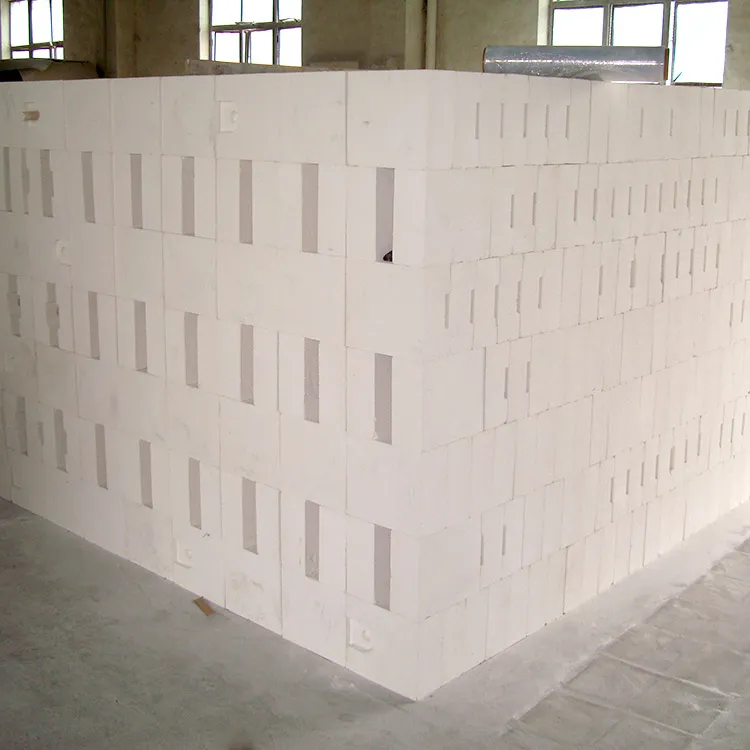
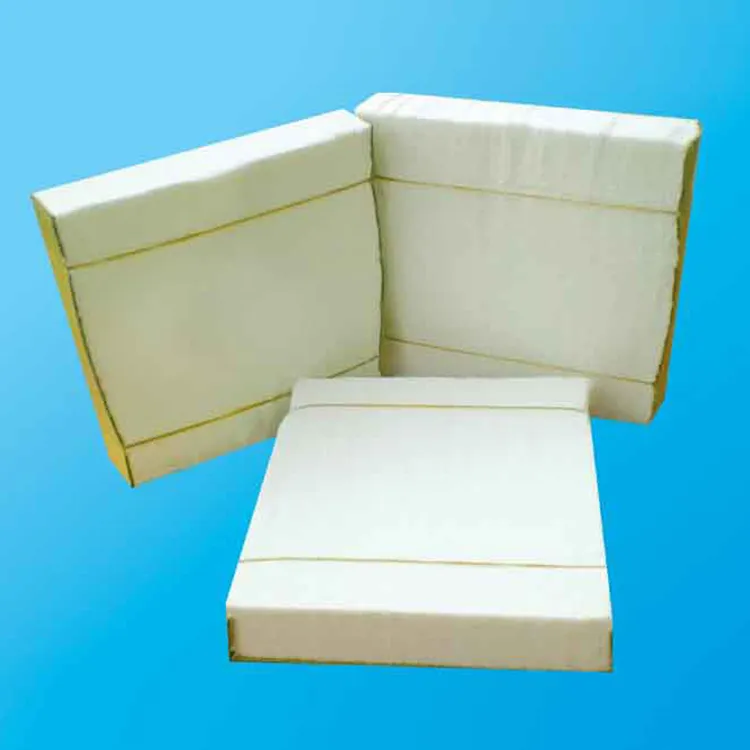
For industrial operators seeking measurable improvements in energy efficiency and operational longevity, low thermal conductivity insulating firebricks are no longer just an option—they’re a necessity. These advanced refractory materials deliver real-world performance gains across high-temperature applications like petroleum cracking furnaces and blast furnaces.
The foundation of any high-performance insulating firebrick lies in its raw material selection. High-purity fused alumina (99.5% Al₂O₃) and imported tabular alumina are the gold standard for achieving both structural integrity and low heat transfer. Compared to traditional clay-based bricks, these materials reduce furnace wall temperatures by up to 150°C during operation—directly translating into lower fuel consumption and reduced emissions.
Key Insight: A study conducted at a petrochemical plant in Saudi Arabia showed that replacing standard insulation bricks with low-conductivity variants resulted in a 12% drop in natural gas usage over six months—equivalent to $75,000 annual savings per furnace.
Advanced manufacturing techniques such as ultrafine powder addition and precision sintering in shuttle kilns ensure consistent density, minimal warping, and superior thermal shock resistance. This means fewer cracks after repeated heating cycles—a common cause of premature lining failure in metallurgical furnaces.
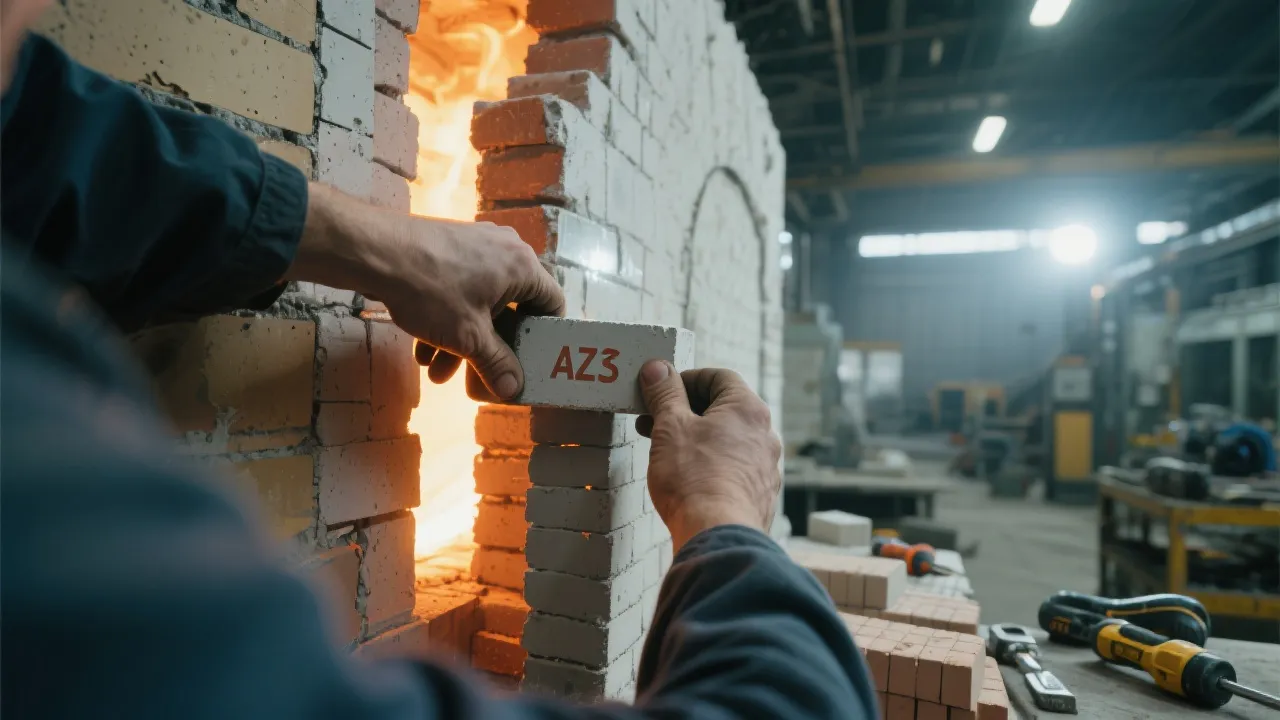
With dimensional tolerances within ±0.5mm, installation time is cut by up to 30%, and mortar usage drops significantly due to tighter joints. For large-scale projects like steelmaking blast furnaces, this translates directly into labor cost savings and faster turnaround times between maintenance periods.
In a typical oil refinery application, switching to low-conductivity insulating firebrick extended the average lining life from 18 months to 28 months—an increase of nearly 56%. In iron ore sintering plants, operators reported a 10–15% improvement in heat retention, allowing for more stable combustion control and better product consistency.
These aren’t just theoretical benefits—they’re backed by field data from clients in China, Germany, and the UAE who have adopted this technology in their production lines.
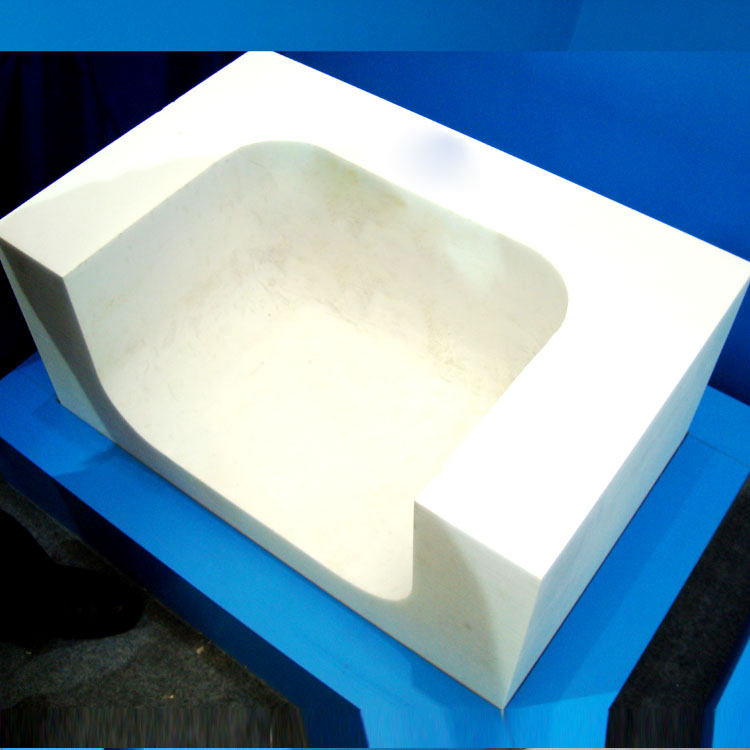
Not all insulating firebricks are created equal. Consider three key factors when selecting:
Whether you're upgrading an existing system or designing a new furnace, understanding these specifications ensures long-term ROI—not just short-term savings.
Get a free technical consultation tailored to your specific industrial process—from material selection to installation planning.
Download Our Insulating Firebrick Selection Guide low thermal conductivity insulating firebrick
industrial furnace insulation
fused alumina refractory
petroleum cracking furnace lining
blast furnace energy saving
High-alumina insulation energy-saving
Porous structure refractory materials
Industrial furnace energy conservation
Reduction of refractory brick heat capacity
ISO ASTM refractory standards
High - alumina insulation energy - saving
Porous structural refractory materials
Thermal conductivity reduction
Industrial furnace energy conservation
International standards for refractory bricks
high-alumina insulating bricks
refractory material selection
industrial furnace lifespan extension
thermal shock resistance
industrial furnace energy efficiency
Low thermal conductivity insulating refractory bricks
High-purity fused corundum
Imported tabular corundum
Industrial furnace energy saving
Refractory material application
low thermal conductivity insulating firebrick
industrial furnace insulation
fused alumina refractory
petroleum cracking furnace lining
blast furnace energy saving
High-alumina insulation energy-saving
Porous structure refractory materials
Industrial furnace energy conservation
Reduction of refractory brick heat capacity
ISO ASTM refractory standards
High - alumina insulation energy - saving
Porous structural refractory materials
Thermal conductivity reduction
Industrial furnace energy conservation
International standards for refractory bricks
high-alumina insulating bricks
refractory material selection
industrial furnace lifespan extension
thermal shock resistance
industrial furnace energy efficiency
Low thermal conductivity insulating refractory bricks
High-purity fused corundum
Imported tabular corundum
Industrial furnace energy saving
Refractory material application




.jpg?x-oss-process=image/resize,h_800,m_lfit/format,webp)