

.png?x-oss-process=image/resize,h_100,m_lfit/format,webp)
.png?x-oss-process=image/resize,h_100,m_lfit/format,webp)
.png?x-oss-process=image/resize,h_100,m_lfit/format,webp)
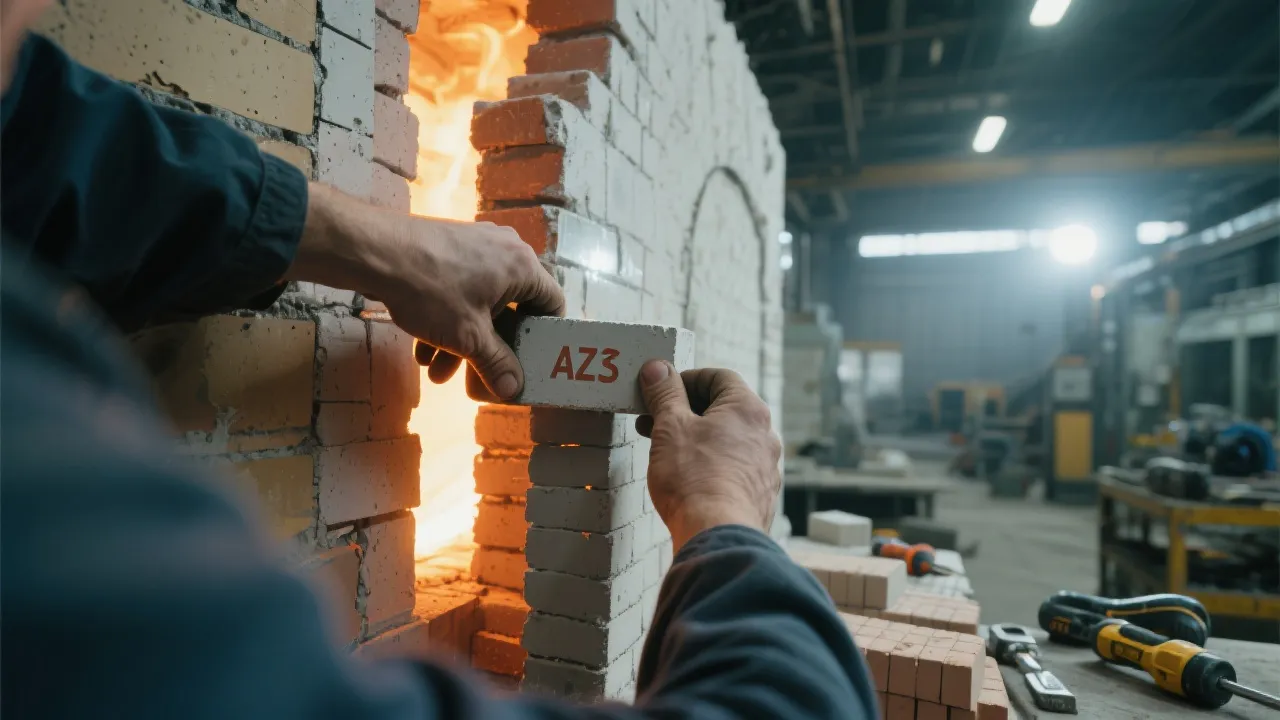
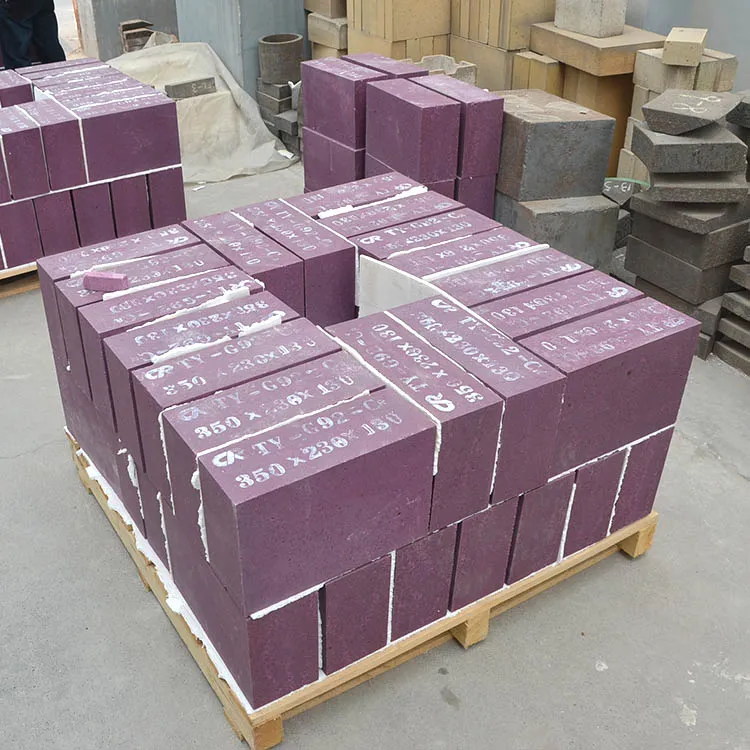
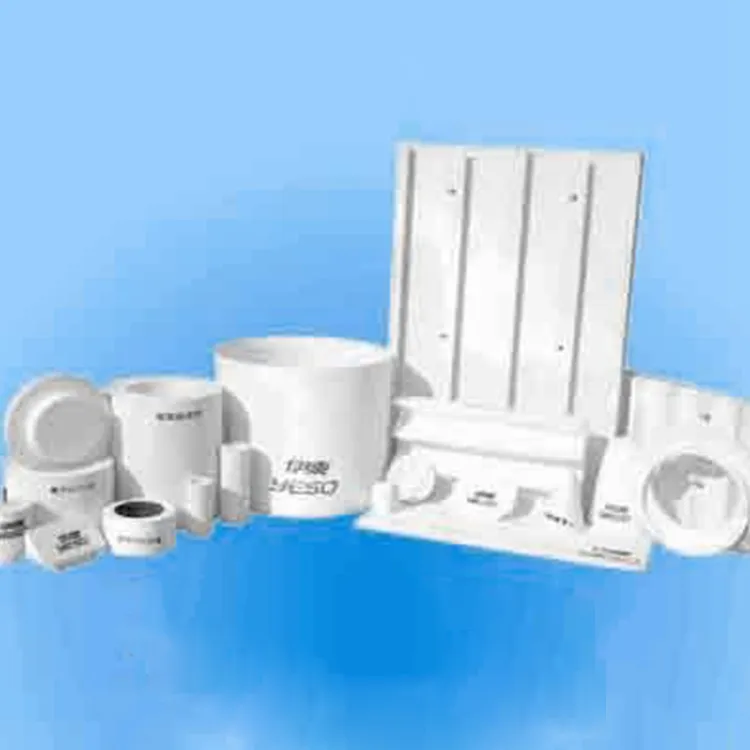
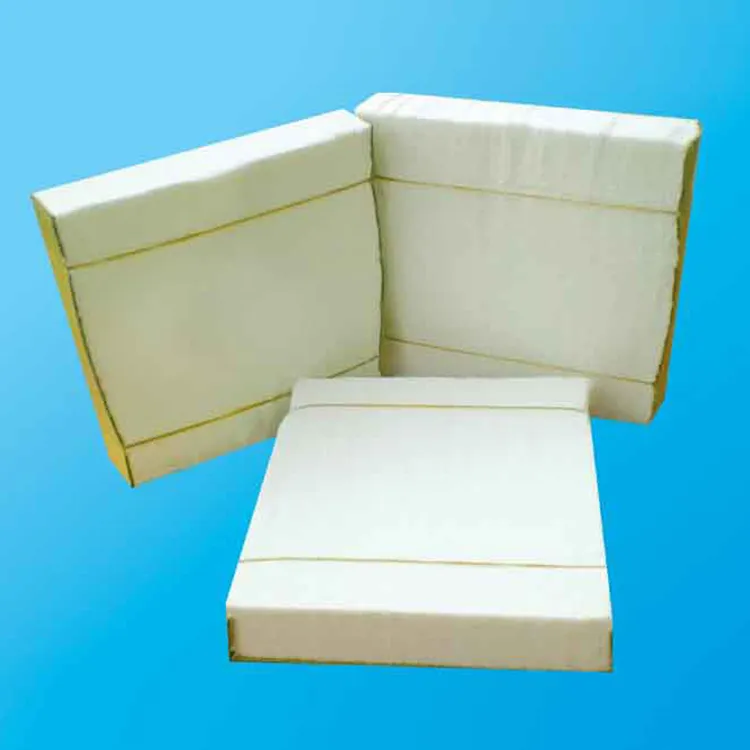
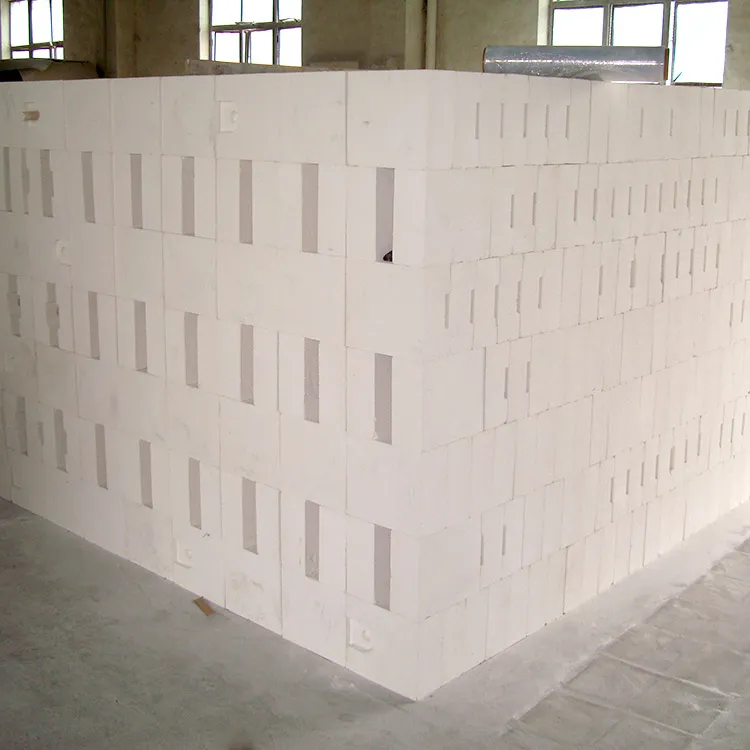
Industrial furnace operators face constant pressure to reduce energy costs while maintaining consistent performance. One of the most effective yet underutilized solutions is upgrading to low thermal conductivity insulating firebrick. This guide explains how advanced materials—engineered with high-purity fused alumina and imported tabular alumina—can significantly improve heat retention, extend lining life, and lower operational expenses across sectors like petrochemicals and steelmaking.
The secret lies in three core technologies:
These innovations result in a material that not only lasts longer but also improves overall furnace efficiency—a win-win for both production uptime and sustainability goals.
In a case study from a major refinery in Saudi Arabia, replacing traditional firebrick with low-conductivity insulation reduced average wall temperature from 650°C to 420°C. The outcome? A measurable drop in fuel consumption—up to 12–15% savings annually, equivalent to over $80,000 in a mid-sized cracking unit.
Similarly, in a blast furnace application in Germany, engineers reported a 20% increase in refractory lining lifespan—from 18 months to over 22—with no compromise on safety or throughput. Why? Because the precise brick geometry ensures minimal gaps, reducing air infiltration and thermal stress.
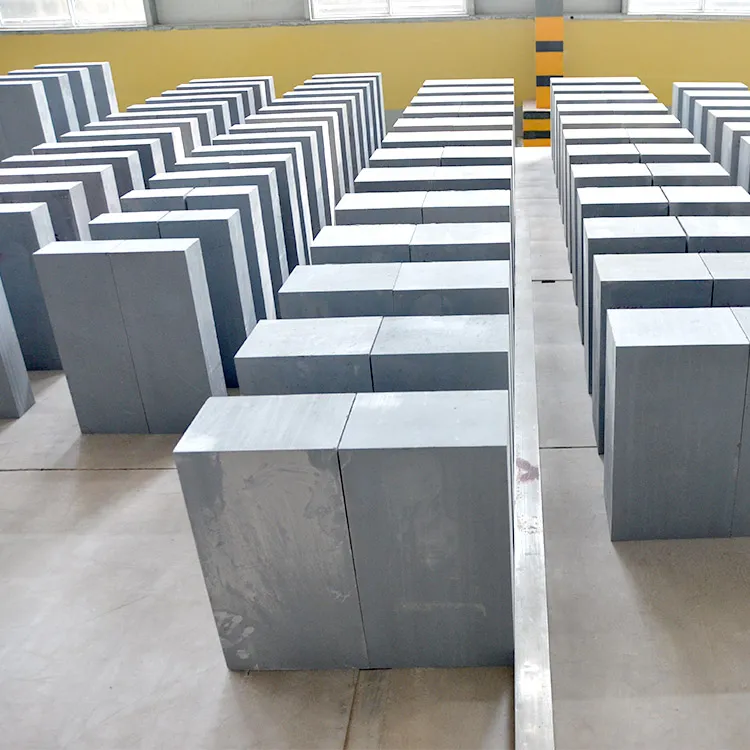
Not all refractories are created equal. When selecting insulation bricks for your furnace upgrade:
For those unsure where to begin, our technical team offers free consultation services tailored to your specific process parameters—no obligation, just actionable insights.
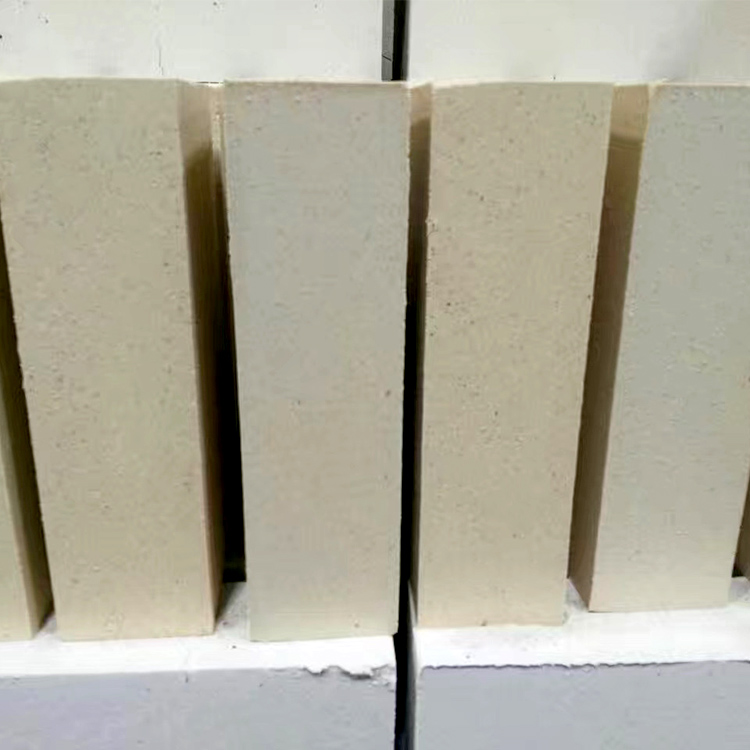
Whether you're planning a full furnace retrofit or optimizing an existing system, investing in smarter refractory solutions pays off faster than many expect—not just in dollars, but in reliability, safety, and compliance with global emissions standards.
 high-alumina insulating bricks
porous refractory materials
industrial furnace energy saving
thermal conductivity optimization
ISO ASTM refractory standards
high temperature furnace insulation
low thermal conductivity bricks
refractory brick installation
thermal shock resistant materials
energy-efficient furnace design
high alumina brick thermal performance
thermal shock resistance refractory
industrial furnace lining longevity
refractory material selection guide
mullite corundum composite structure
low thermal conductivity insulating refractory bricks
industrial furnace energy-saving
fused corundum refractory materials
thermal shock stability
energy-saving refractory materials application
Refractory material selection guide
Furnace service life extension techniques
High - alumina insulating brick application mistakes
Mullite - corundum structure
High - temperature furnace energy - saving transformation
high-alumina insulating bricks
porous refractory materials
industrial furnace energy saving
thermal conductivity optimization
ISO ASTM refractory standards
high temperature furnace insulation
low thermal conductivity bricks
refractory brick installation
thermal shock resistant materials
energy-efficient furnace design
high alumina brick thermal performance
thermal shock resistance refractory
industrial furnace lining longevity
refractory material selection guide
mullite corundum composite structure
low thermal conductivity insulating refractory bricks
industrial furnace energy-saving
fused corundum refractory materials
thermal shock stability
energy-saving refractory materials application
Refractory material selection guide
Furnace service life extension techniques
High - alumina insulating brick application mistakes
Mullite - corundum structure
High - temperature furnace energy - saving transformation