

.png?x-oss-process=image/resize,h_100,m_lfit/format,webp)
.png?x-oss-process=image/resize,h_100,m_lfit/format,webp)
.png?x-oss-process=image/resize,h_100,m_lfit/format,webp)

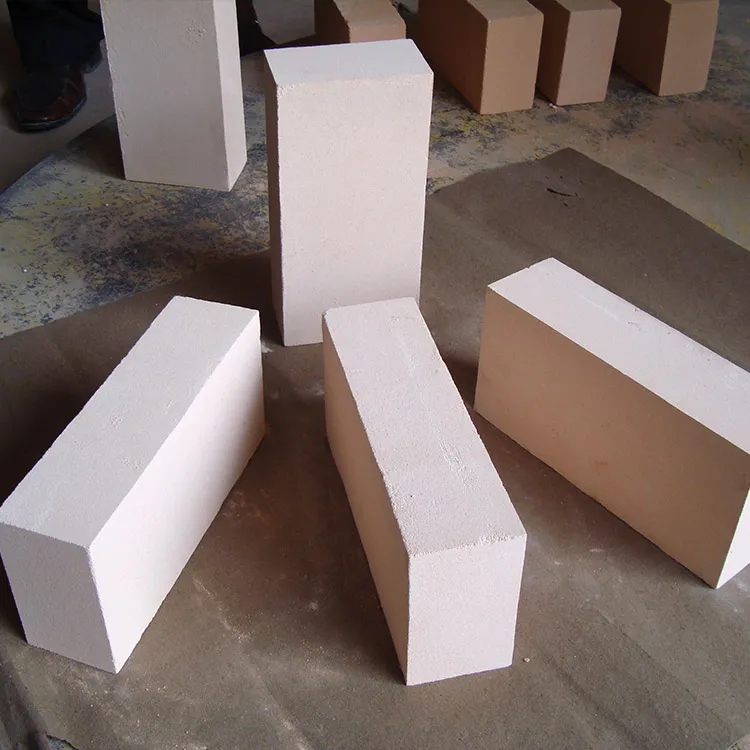
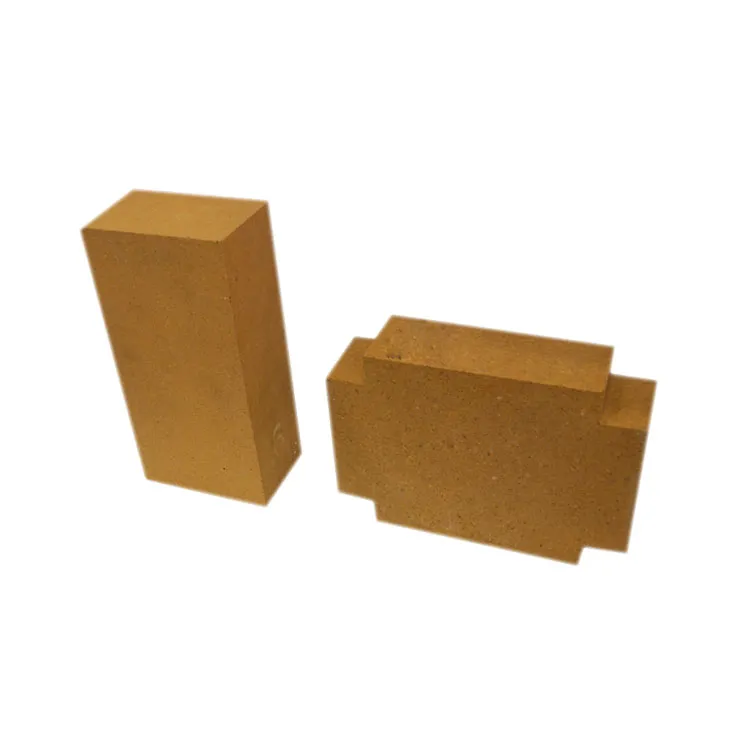
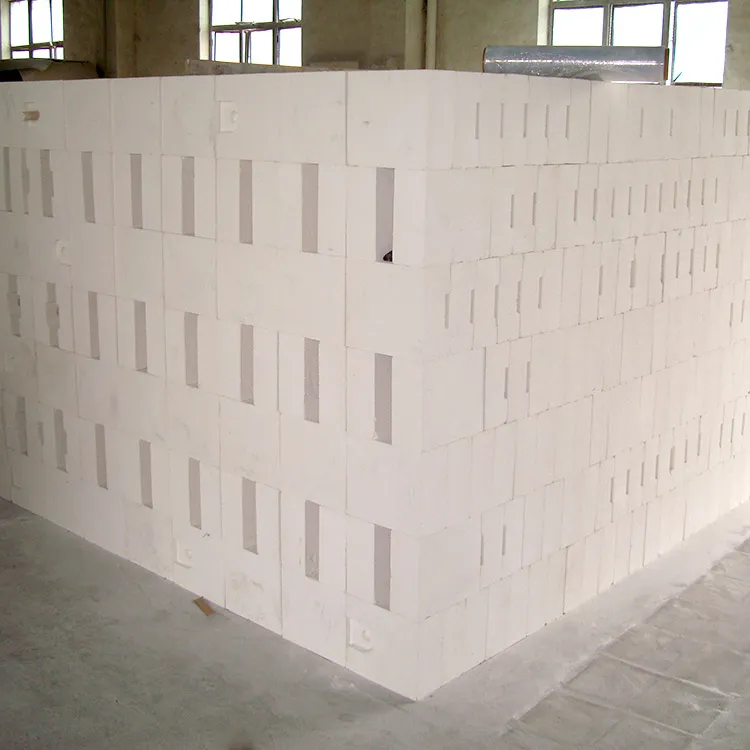
High-strength insulating refractory bricks for ceramic roller kilns are renowned for their exceptional properties. The most prominent advantage is their precise dimensions, which significantly enhance construction efficiency. In industrial kilns, these bricks can be quickly and accurately installed, saving up to 30% of the construction time compared to traditional refractory bricks. This not only shortens the project cycle but also reduces labor costs.
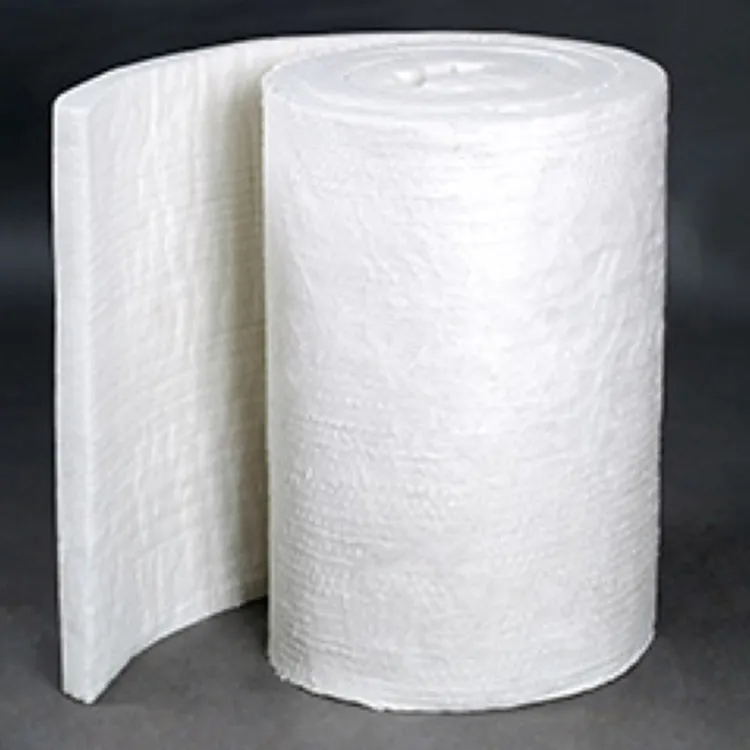
Moreover, these bricks have high strength and excellent thermal insulation performance. They can withstand high temperatures, up to 1800°C, ensuring the stable operation of the kiln. Their low thermal conductivity minimizes heat loss, thereby saving energy and reducing production costs.
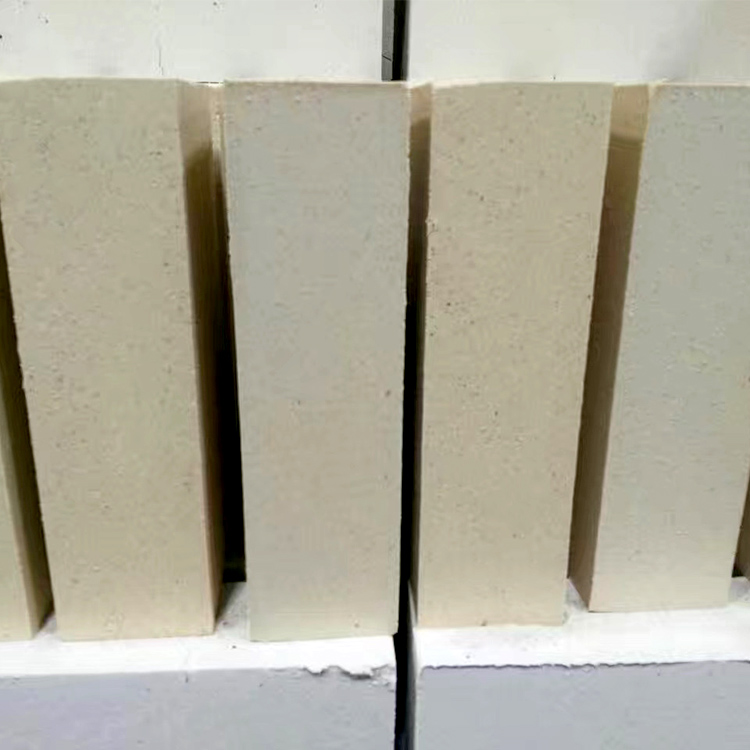
High-strength insulating refractory bricks are widely used in various industrial kilns, such as porcelain drawer kilns, tunnel kilns, and metallurgical blast furnaces. In different application scenarios, the technical requirements vary slightly.
For example, in porcelain drawer kilns, these bricks need to have good thermal shock resistance because they are frequently exposed to rapid temperature changes. In tunnel kilns, high wear resistance is required due to the long - term friction of materials. In metallurgical blast furnaces, high corrosion resistance is necessary to withstand the erosion of molten metal and slag.
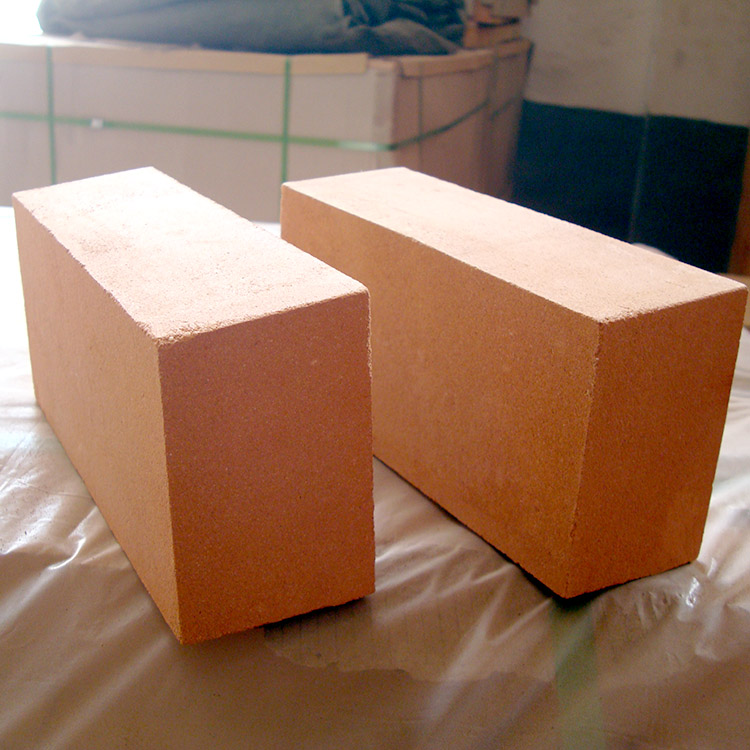
The bricklaying process of high - strength insulating refractory bricks mainly includes the following steps:
Before installation, the kiln base should be cleaned and leveled to ensure a flat surface for bricklaying. All refractory bricks should be inspected to ensure their quality and dimensions meet the requirements.
Accurate size calibration is crucial. Measure the length, width, and height of each brick, and check the alignment of the bricks during installation. Any bricks with non - compliant dimensions should be removed to ensure the overall quality of the bricklaying.
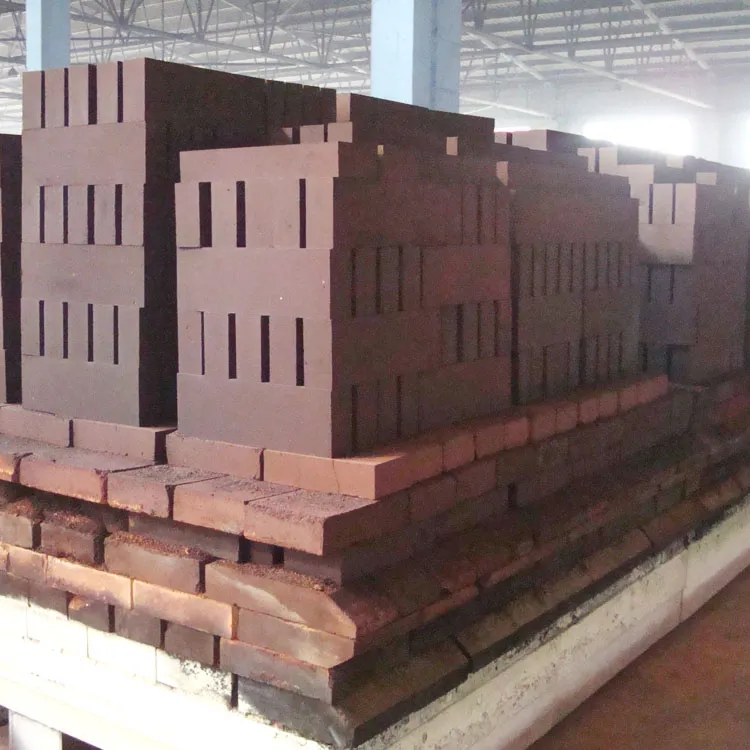
The bricklaying sequence should start from the bottom and proceed layer by layer. The vertical joints between bricks should be staggered to enhance the structural stability of the kiln.
Select appropriate mortar according to the application scenario. After bricklaying, regular maintenance is required, including checking for cracks and making timely repairs.
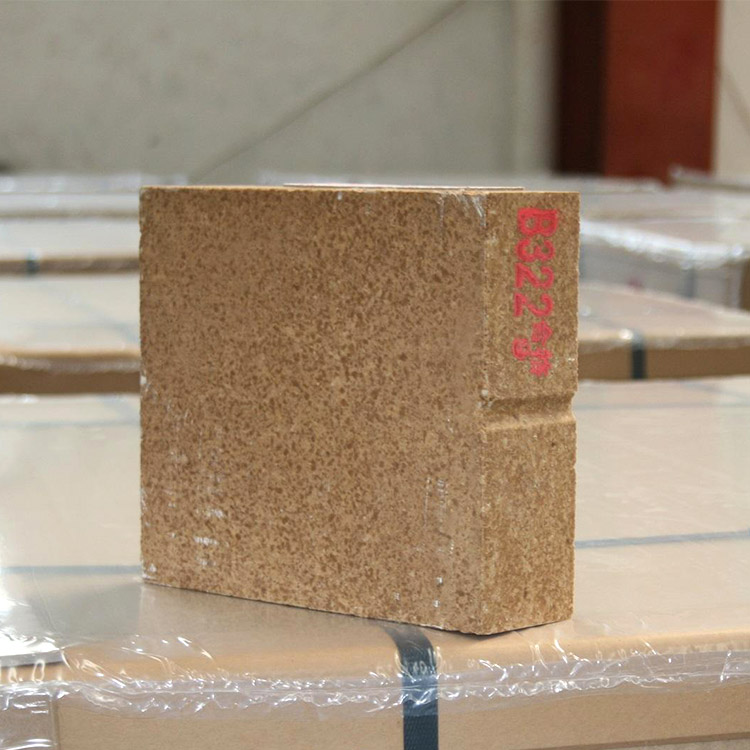
The precise dimensions of high - strength insulating refractory bricks enable fast bricklaying. Since the bricks fit together precisely, less mortar is needed, which can save up to 20% of the mortar usage. At the same time, the precise fit enhances the overall structural stability and thermal shock performance of the kiln.
Through numerous engineering cases, it has been proven that the use of high - strength insulating refractory bricks can significantly improve the efficiency of kiln construction and reduce maintenance costs. For instance, in a certain metallurgical project, after using our high - strength insulating refractory bricks, the kiln construction time was shortened by one - third, and the energy consumption was reduced by 15%.
If you want to learn more about high - strength insulating refractory bricks for ceramic roller kilns or need professional technical support, click here to explore our product page and get in touch with our technical experts!
 refractory brick cracking causes
thermal stress damage prevention
chemical furnace maintenance
refractory brick thermal shock performance
refractory material inspection
high alumina insulating brick
ISO ASTM certification
porous refractory materials
industrial furnace energy efficiency
export refractory standards
High - temperature furnace energy conservation
Insulating brick construction techniques
Refractory clay insulating bricks
Furnace lining energy - saving solutions
Furnace insulation design
Refractory material selection
High - alumina insulating bricks
Furnace service life extension
Thermal shock resistance
Industrial furnace energy conservation
Refractory material selection guide
High-alumina insulating brick performance
Furnace lifespan extension techniques
Industrial furnace high-temperature refractory materials
Thermal shock performance refractory bricks
refractory brick cracking causes
thermal stress damage prevention
chemical furnace maintenance
refractory brick thermal shock performance
refractory material inspection
high alumina insulating brick
ISO ASTM certification
porous refractory materials
industrial furnace energy efficiency
export refractory standards
High - temperature furnace energy conservation
Insulating brick construction techniques
Refractory clay insulating bricks
Furnace lining energy - saving solutions
Furnace insulation design
Refractory material selection
High - alumina insulating bricks
Furnace service life extension
Thermal shock resistance
Industrial furnace energy conservation
Refractory material selection guide
High-alumina insulating brick performance
Furnace lifespan extension techniques
Industrial furnace high-temperature refractory materials
Thermal shock performance refractory bricks