

.png?x-oss-process=image/resize,h_100,m_lfit/format,webp)
.png?x-oss-process=image/resize,h_100,m_lfit/format,webp)
.png?x-oss-process=image/resize,h_100,m_lfit/format,webp)

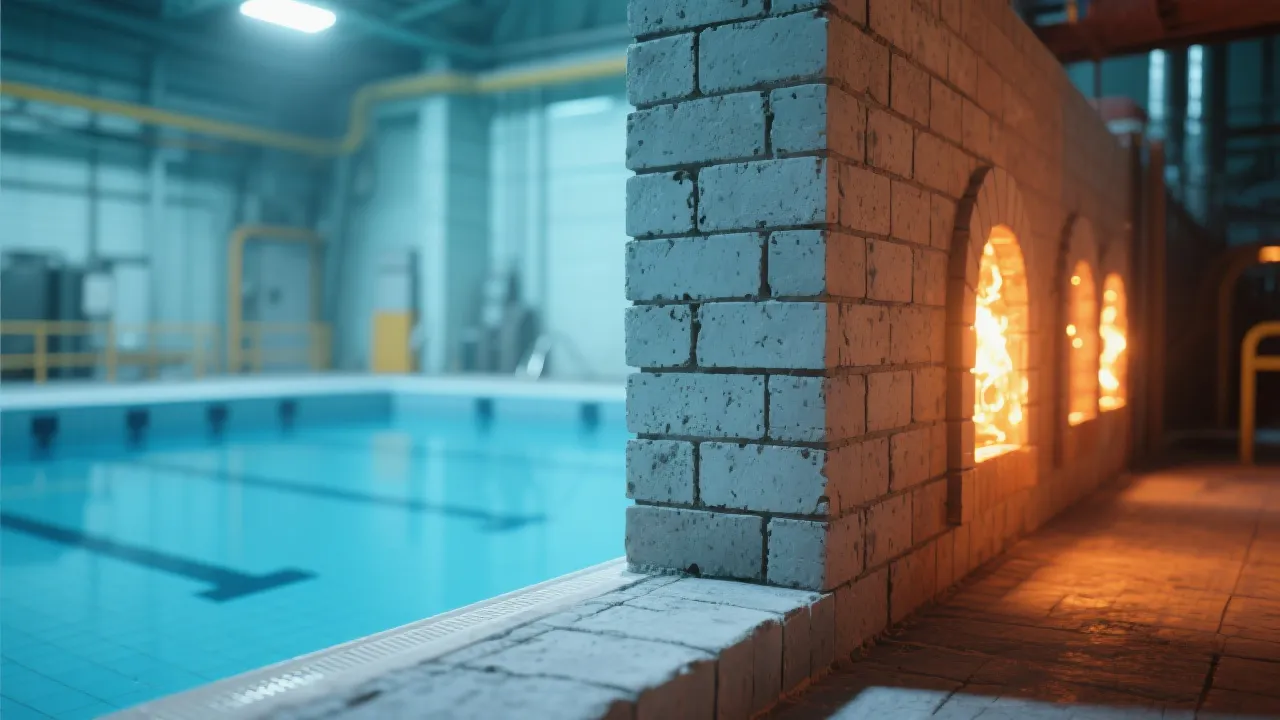
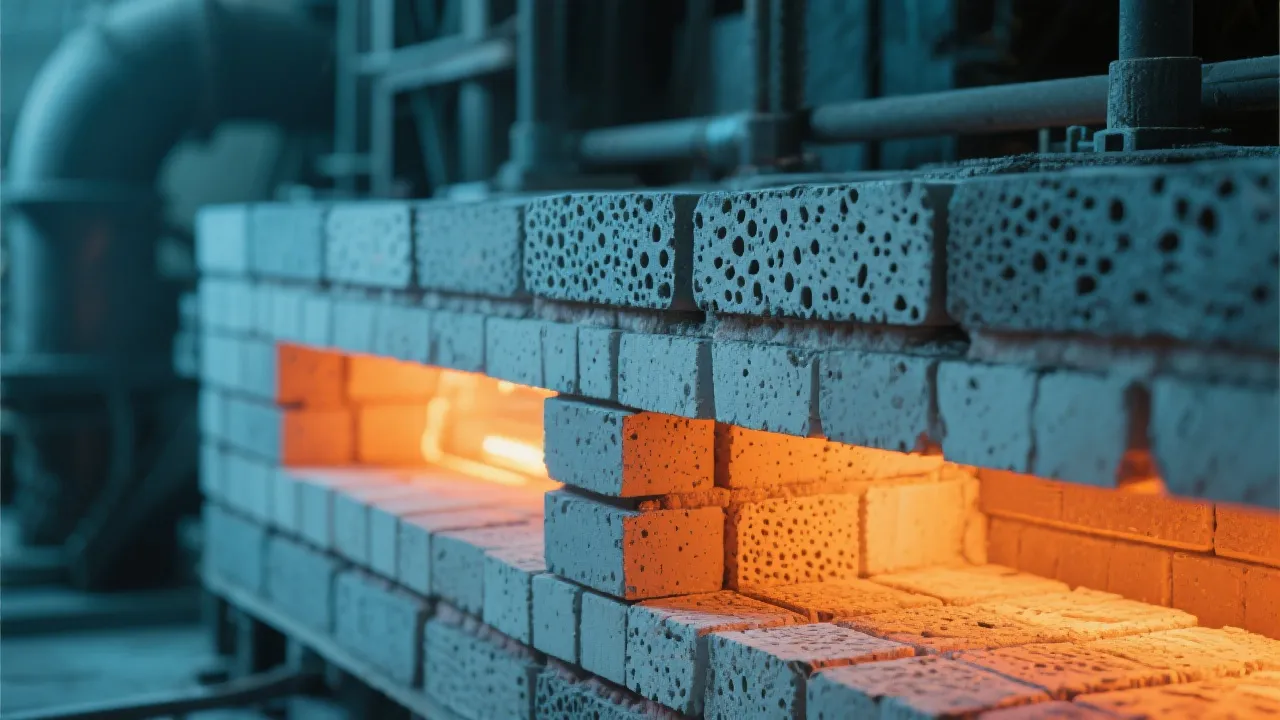
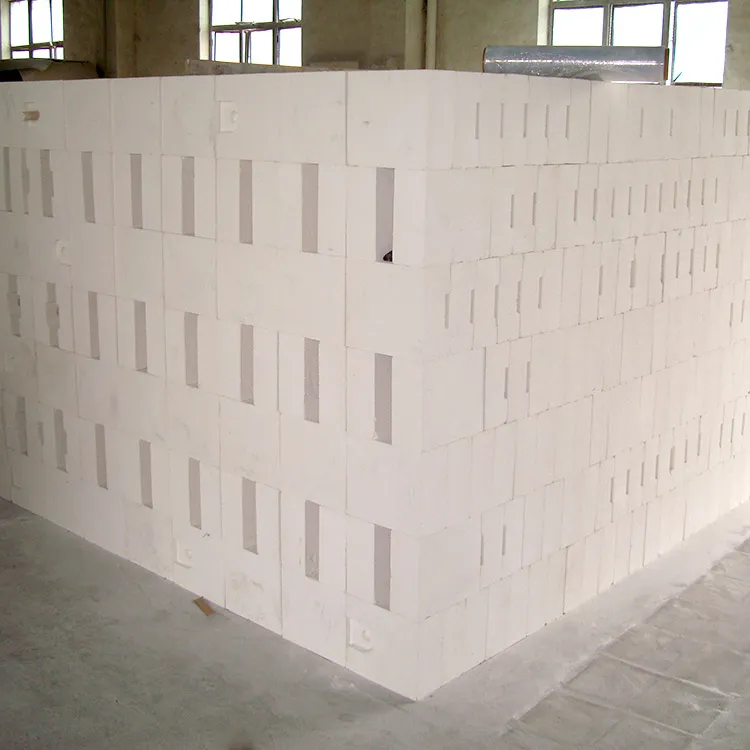
The vital role of refractory bricks in maintaining the structural integrity and thermal efficiency of industrial kilns cannot be overstated. This article explores their diverse application scenarios — spanning electric porcelain drawer kilns, tunnel kilns, and ceramic roller track kilns — providing engineering professionals with actionable insights. It focuses on how dimensionally accurate mullite insulating bricks facilitate rapid and reliable masonry, significantly enhancing construction efficiency while reducing refractory mortar usage.
Industrial kilns operate under extreme thermal and mechanical stress conditions, requiring refractory bricks that combine high thermal resistance with mechanical stability. Different kiln types impose unique demands:
Employing mullite insulating bricks optimizes energy conservation by minimizing heat loss, contributing to lower kiln energy consumption by up to 15% under ideal installation conditions.
High-strength insulating refractory bricks require meticulous attention during installation. The following workflow outlines best practices that improve efficiency and reduce costs:
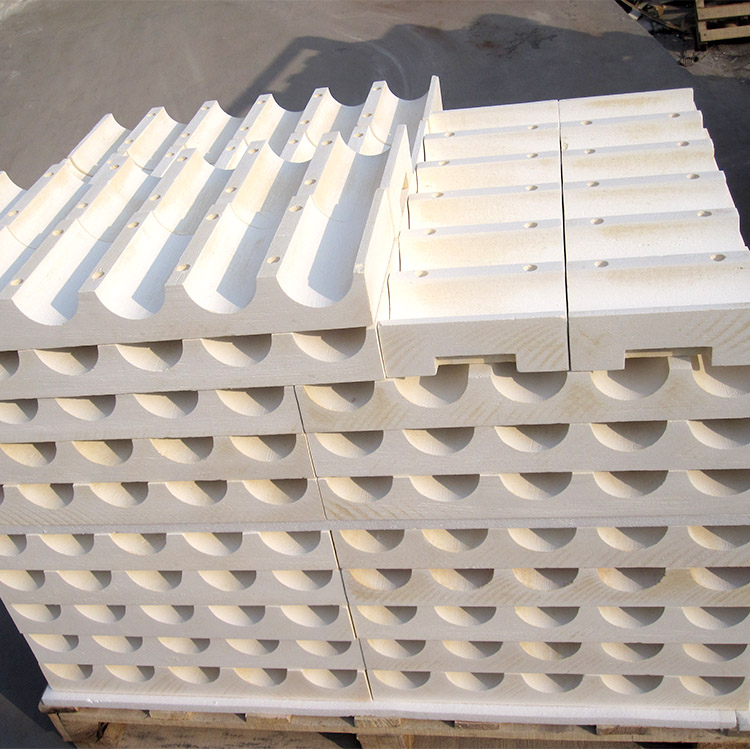
In a recent overhaul of a tunnel kiln used in advanced ceramic production, application of dimensionally consistent mullite insulating bricks coupled with an improved masonry sequence curtailed installation time by 18%, while simultaneously improving thermal retention by 10%.
Detailed inspection revealed a reduction in refractory mortar cracking and enhanced mechanical cohesion of brickwork, directly correlating to longer kiln service intervals and reduced maintenance frequency.
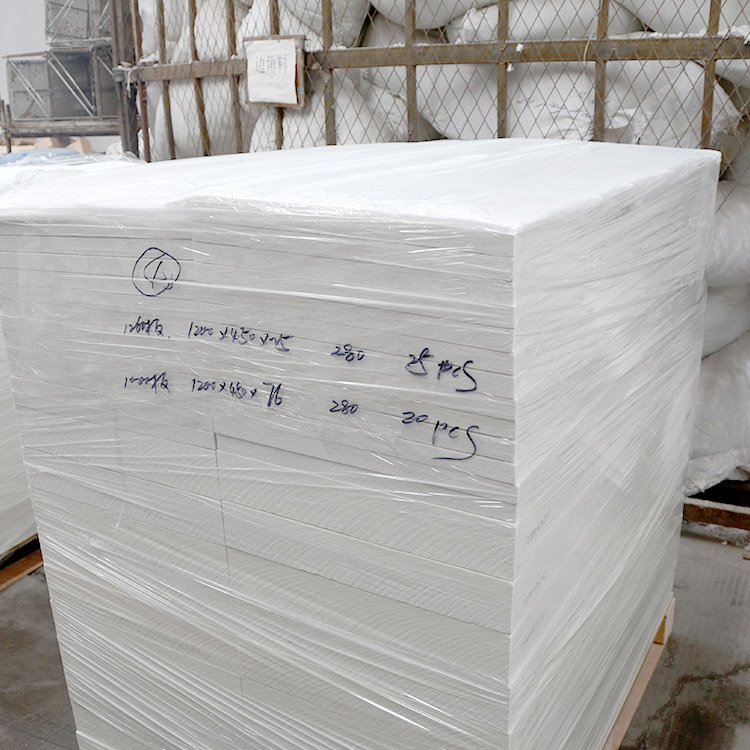
Frequent issues encountered during refractory brick installation include dimensional inconsistencies, mortar shrinkage cracks, and misaligned masonry joints causing thermal stress points. Addressing these challenges requires:
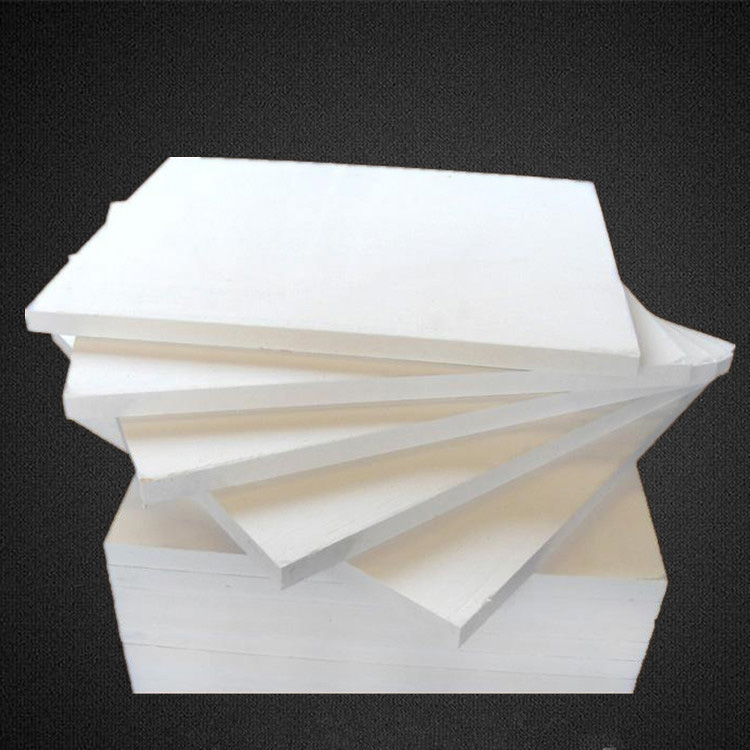
Adopting precise mullite insulating bricks and optimized construction workflows yields multifaceted benefits including:
Empower your kiln projects with reliable refractory solutions — explore our premium Mullite Insulating Bricks & Expert Technical Support today and ensure durable, energy-saving kiln operations.
 low thermal conductivity refractory brick
mullite insulating brick
furnace lining stability
industrial furnace energy efficiency
thermal shock resistant refractory
refractory insulation brick selection
chemical furnace lining materials
thermal shock resistant refractories
high alumina refractory comparison
refractory clay brick applications
High-temperature furnace energy saving
Insulation brick construction techniques
Refractory material performance
Furnace insulation design
Thermal shock-resistant materials
high-strength refractory clay insulation brick
chemical furnace lining materials
refractory brick selection
high-temperature furnace energy efficiency
thermal shock resistant refractory bricks
High-alumina insulation energy-saving
Porous structure refractory materials
Industrial furnace energy consumption reduction
Ceramic tunnel kiln energy-saving case
Insulating brick thermal conductivity
low thermal conductivity refractory brick
mullite insulating brick
furnace lining stability
industrial furnace energy efficiency
thermal shock resistant refractory
refractory insulation brick selection
chemical furnace lining materials
thermal shock resistant refractories
high alumina refractory comparison
refractory clay brick applications
High-temperature furnace energy saving
Insulation brick construction techniques
Refractory material performance
Furnace insulation design
Thermal shock-resistant materials
high-strength refractory clay insulation brick
chemical furnace lining materials
refractory brick selection
high-temperature furnace energy efficiency
thermal shock resistant refractory bricks
High-alumina insulation energy-saving
Porous structure refractory materials
Industrial furnace energy consumption reduction
Ceramic tunnel kiln energy-saving case
Insulating brick thermal conductivity