

.png?x-oss-process=image/resize,h_100,m_lfit/format,webp)
.png?x-oss-process=image/resize,h_100,m_lfit/format,webp)
.png?x-oss-process=image/resize,h_100,m_lfit/format,webp)
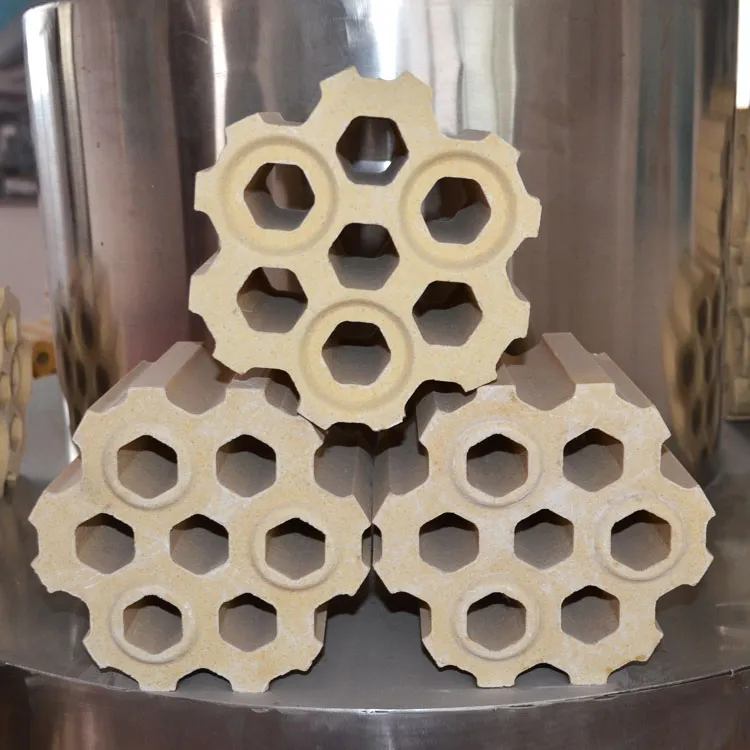
The structural stability of electric porcelain drawer kilns is a pivotal factor for operational safety and efficiency. Achieving optimal performance depends heavily on the precise installation of refractory bricks, particularly mullite insulating bricks. This article presents an in-depth analysis of mullite insulating brick application techniques tailored for electric porcelain drawer kilns, emphasizing accurate sizing benefits, mortar savings strategies, and key thermal shock and energy efficiency considerations.
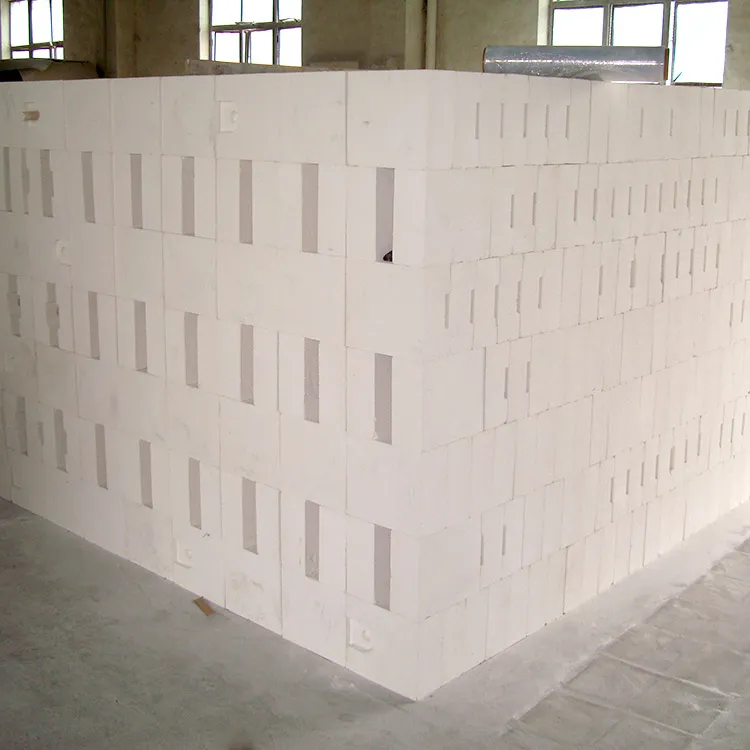
Mullite insulating bricks exhibit superior thermal stability, low thermal conductivity, and excellent resistance to thermal shocks — qualities essential for the demanding environment of electric porcelain drawer kilns. Their high dimensional accuracy (typically within ±0.5 mm) ensures minimal joint gaps, directly contributing to enhanced kiln integrity and reduced heat loss.
Effective refractory installation begins with comprehensive groundwork:
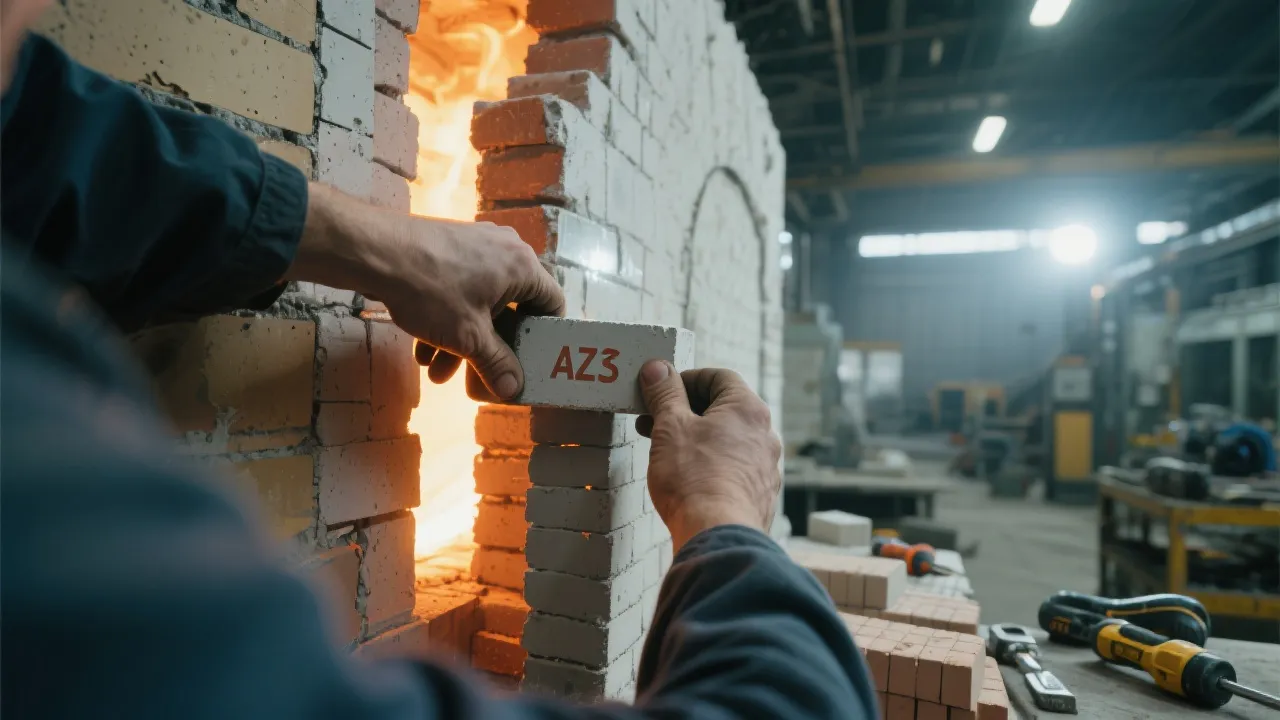
Application of a systematic bricklaying sequence substantially improves kiln stability and installation speed:
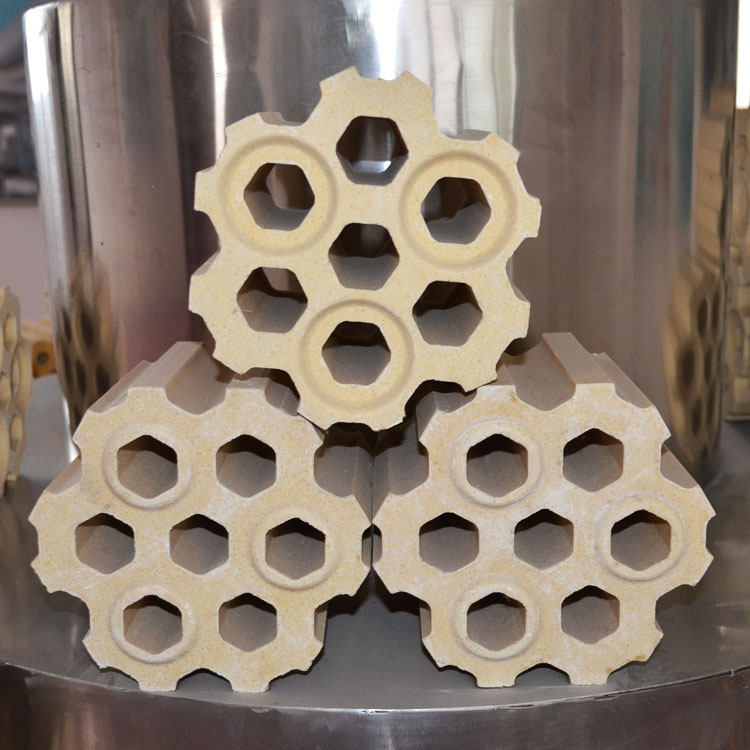
Mullite insulating bricks excel in enduring rapid temperature fluctuations typical within electric porcelain kilns, reducing crack formation and prolonging refractory life. Compared to conventional fireclay bricks, they lower thermal conductivity by approximately 30%, translating into up to 10% energy savings during kiln operation.
Despite best practices, installation can encounter challenges such as:
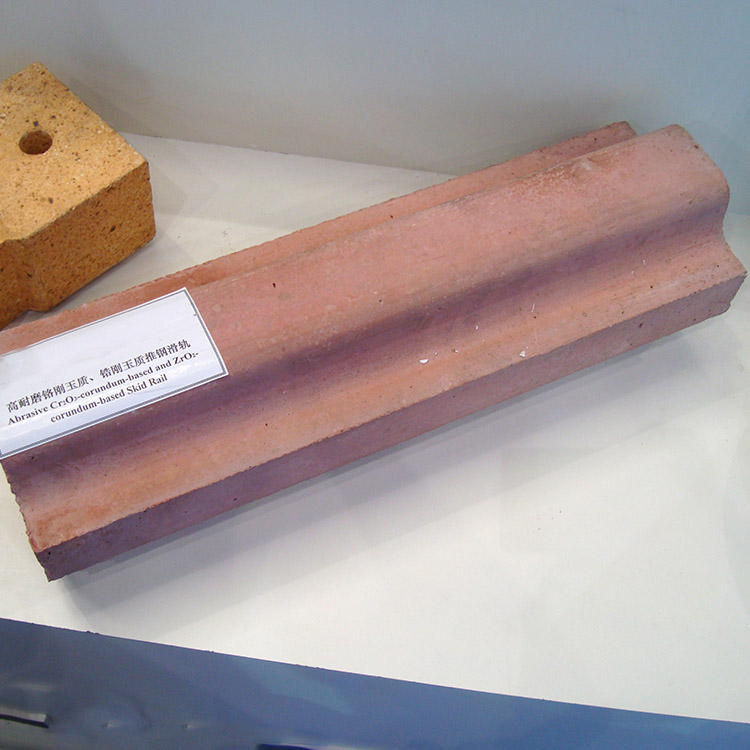
Field tests conducted on similar electric porcelain drawer kiln installations show:
| Metric | Traditional Fireclay Bricks | Mullite Insulating Bricks | Improvement |
|---|---|---|---|
| Thermal Conductivity (W/m·K) | 1.3 | 0.9 | -30% |
| Installation Time (per m³) | 12 hours | 8 hours | -33% |
| Mortar Usage (kg/m³) | 40 | 34 | -15% |
 High-alumina insulation energy-saving
Porous structure refractory materials
Industrial furnace energy conservation
Reduction of refractory brick heat capacity
ISO ASTM refractory standards
refractory fireclay insulating bricks
industrial kiln insulation materials
high-temperature insulating bricks
energy-saving kiln materials
kiln thermal expansion properties
thermal stress cracking in refractory bricks
chemical furnace maintenance solutions
refractory materials thermal shock resistance
furnace lining inspection techniques
refractory brick damage prevention
refractory material selection guide
furnace life extension techniques
high-alumina insulating brick applications
industrial furnace refractory solutions
fireclay insulating brick
industrial kiln insulation materials
high temperature thermal insulation
energy-saving refractory bricks
kiln lining solutions
High-alumina insulation energy-saving
Porous structure refractory materials
Industrial furnace energy conservation
Reduction of refractory brick heat capacity
ISO ASTM refractory standards
refractory fireclay insulating bricks
industrial kiln insulation materials
high-temperature insulating bricks
energy-saving kiln materials
kiln thermal expansion properties
thermal stress cracking in refractory bricks
chemical furnace maintenance solutions
refractory materials thermal shock resistance
furnace lining inspection techniques
refractory brick damage prevention
refractory material selection guide
furnace life extension techniques
high-alumina insulating brick applications
industrial furnace refractory solutions
fireclay insulating brick
industrial kiln insulation materials
high temperature thermal insulation
energy-saving refractory bricks
kiln lining solutions