

.png?x-oss-process=image/resize,h_100,m_lfit/format,webp)
.png?x-oss-process=image/resize,h_100,m_lfit/format,webp)
.png?x-oss-process=image/resize,h_100,m_lfit/format,webp)

This article delves deep into the laying techniques of refractory bricks for industrial kilns in electric porcelain drawer kilns. It focuses on how to achieve rapid construction, reduce mortar usage, and enhance structural stability through high - precision size design and high - quality material performance. By combining real - world application scenarios with standardized operating procedures, it provides practical technical guidance for engineers, facilitating the efficient operation and extended service life of kilns.
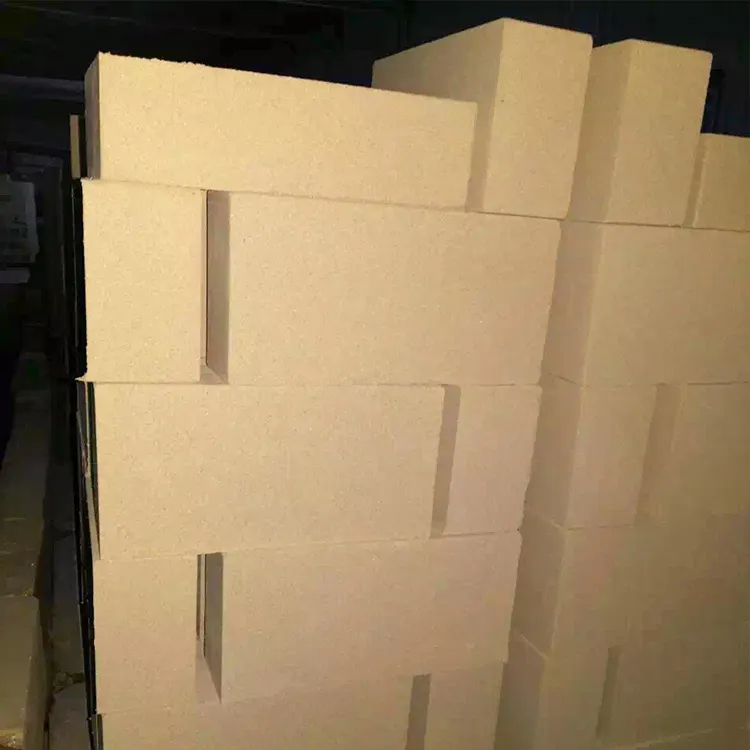
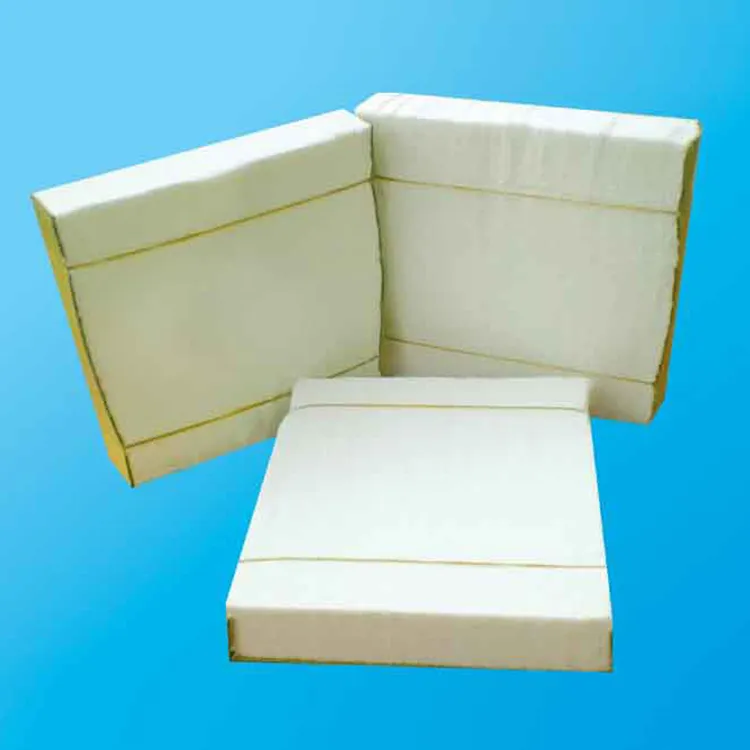
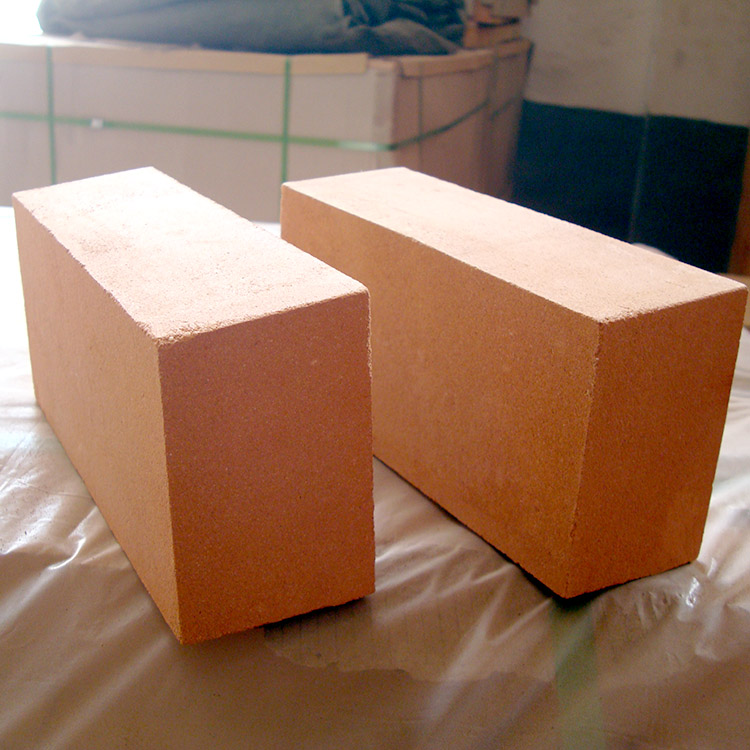
When it comes to typical industrial kilns like electric porcelain drawer kilns, the selection of refractory bricks is crucial. The choice depends on factors such as the operating temperature, chemical environment, and mechanical stress of the kiln. For example, mullite insulation bricks are often preferred due to their excellent thermal shock stability and low thermal conductivity. Before laying, several key preparation steps are necessary. First, the base surface needs to be carefully treated to ensure it is flat and clean. Any unevenness can lead to problems such as brick deformation and cracking. Second, the dimensions of the bricks should be accurately verified. Precise dimensions can significantly improve construction efficiency and save costs. Compared with traditional brick types, bricks with accurate dimensions can reduce mortar usage by up to 20%, as shown in Figure 1.
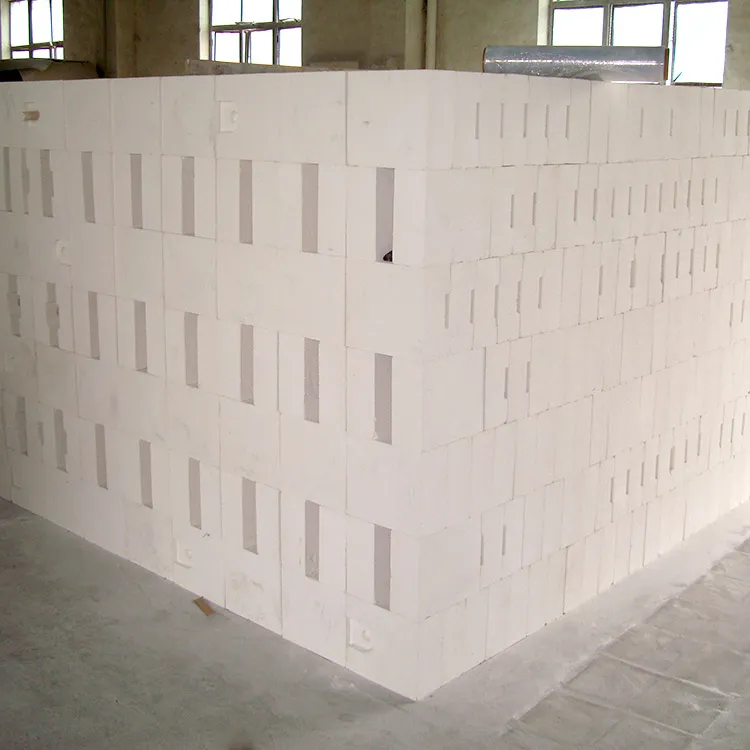
The laying of refractory bricks in electric porcelain drawer kilns should follow a segmented sequence. This approach helps in better joint control and overall structural stability. The joints between bricks need to be strictly controlled. A well - controlled joint width can not only improve the thermal insulation performance of the kiln but also prevent problems such as heat leakage. For example, a joint width within 1 - 2 mm is recommended in most cases. By following a scientific laying sequence and strict joint control, the construction time can be reduced by approximately 15% compared to non - standardized methods.
The thermal shock stability and low thermal conductivity of refractory bricks play a significant role in kiln energy - saving. High - quality refractory bricks can reduce heat loss, contributing to energy savings of up to 10% in high - temperature kilns. However, during the operation of the kiln, some common problems may occur, such as brick deformation, cracking, and hollowing. For brick deformation, it may be caused by improper temperature control during the firing process. By adjusting the firing curve and using bricks with better thermal shock resistance, this problem can be effectively solved. Cracking may be due to thermal stress, and appropriate expansion joints can be set to relieve the stress. As for hollowing, it is often related to poor base surface treatment or improper mortar application. Ensuring strict construction standards can prevent this problem.
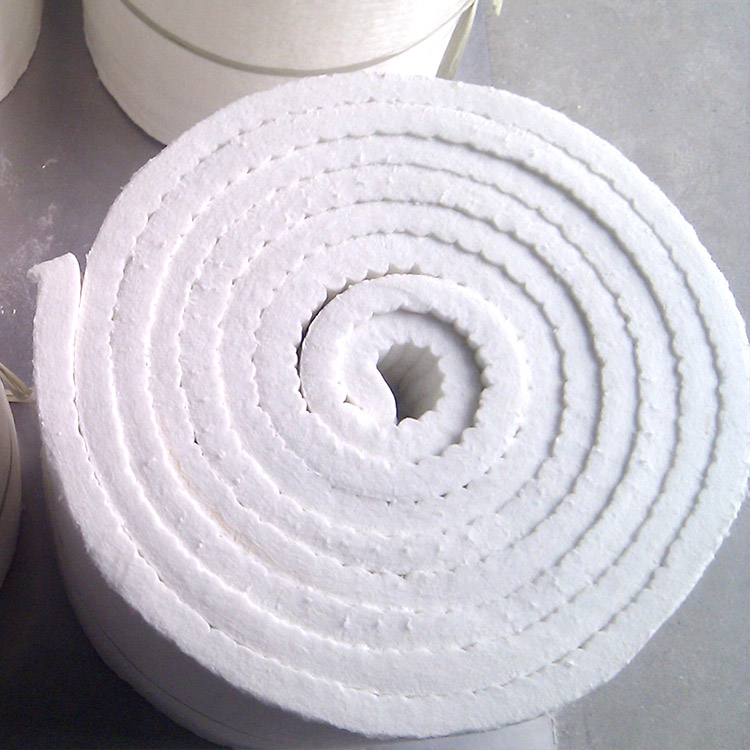
To enhance professional credibility, real - world engineering case studies and data are incorporated. For example, in a certain electric porcelain factory, after using the recommended refractory bricks and laying techniques, the service life of the kiln was extended by 30%, and the energy consumption was reduced by 8%. These data clearly demonstrate the effectiveness of the techniques. At the end of the day, if you want to learn more about the technical parameters of our products and our technical support services, don't hesitate to take action. Our team of experts is ready to provide you with customized solutions.
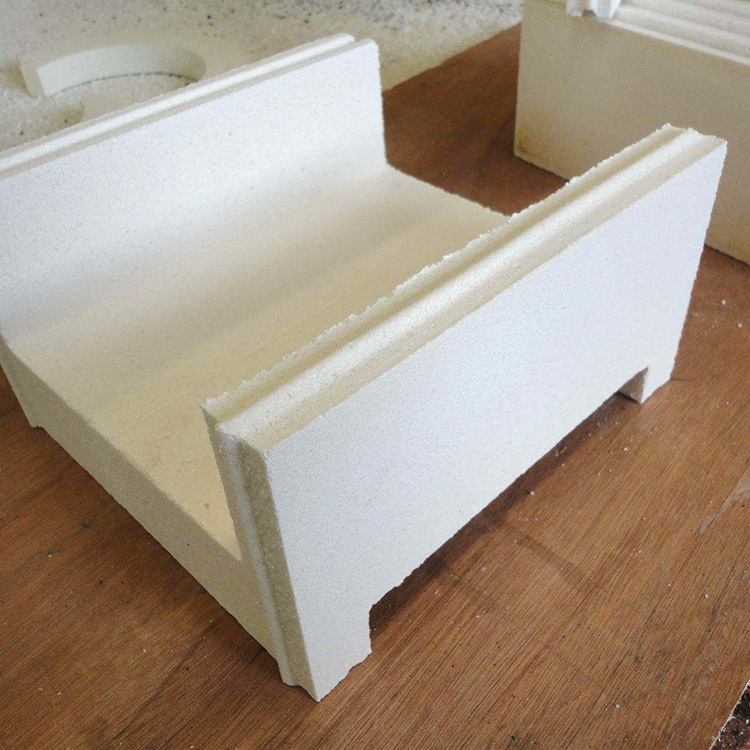
Contact our technical team to get a customized refractory brick laying solution
 thermal stress refractory brick
chemical furnace maintenance
thermal shock resistant bricks
high-strength insulating fireclay
refractory brick early damage detection
Tunnel kiln refractory bricks
Mullite insulation bricks
Industrial kiln masonry
Refractory mortar saving
Kiln structure stability
high alumina insulating brick
porous structure insulation
thermal conductivity porosity relationship
industrial furnace energy saving
fireproof material efficiency
low thermal conductivity insulating refractory bricks
industrial kiln energy-saving materials
mullite insulating bricks
refractory material selection guide
high-temperature kiln energy efficiency
high-alumina insulating bricks
refractory thermal expansion
industrial furnace maintenance
thermal shock resistance
refractory interface spalling
thermal stress refractory brick
chemical furnace maintenance
thermal shock resistant bricks
high-strength insulating fireclay
refractory brick early damage detection
Tunnel kiln refractory bricks
Mullite insulation bricks
Industrial kiln masonry
Refractory mortar saving
Kiln structure stability
high alumina insulating brick
porous structure insulation
thermal conductivity porosity relationship
industrial furnace energy saving
fireproof material efficiency
low thermal conductivity insulating refractory bricks
industrial kiln energy-saving materials
mullite insulating bricks
refractory material selection guide
high-temperature kiln energy efficiency
high-alumina insulating bricks
refractory thermal expansion
industrial furnace maintenance
thermal shock resistance
refractory interface spalling