

.png?x-oss-process=image/resize,h_100,m_lfit/format,webp)
.png?x-oss-process=image/resize,h_100,m_lfit/format,webp)
.png?x-oss-process=image/resize,h_100,m_lfit/format,webp)
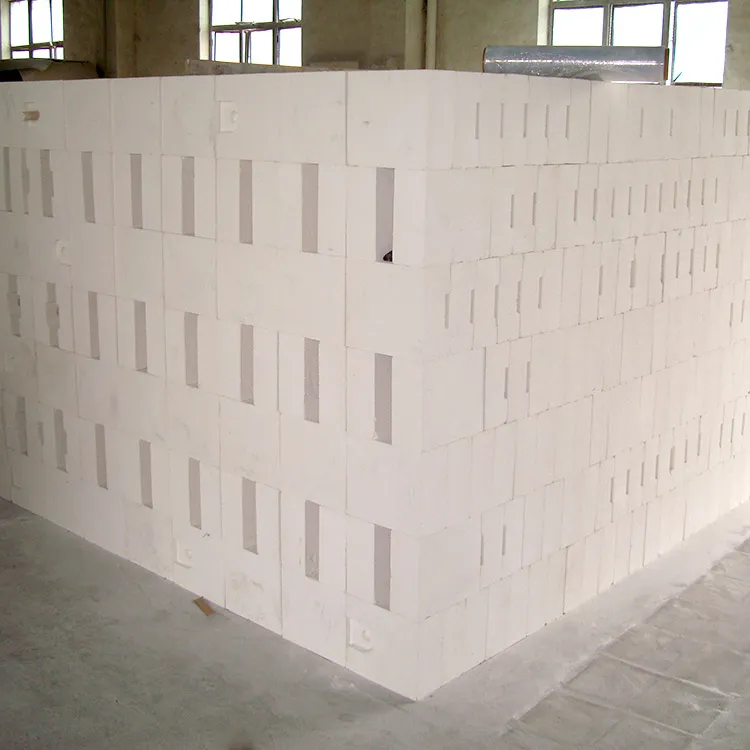
Industrial kilns play a crucial role in various industries, and the proper use and masonry of refractory bricks are essential for their efficient and safe operation. This article focuses on the application and masonry techniques of mullite insulation bricks in industrial kilns, with a particular emphasis on high - temperature kilns such as electro - porcelain drawer kilns.
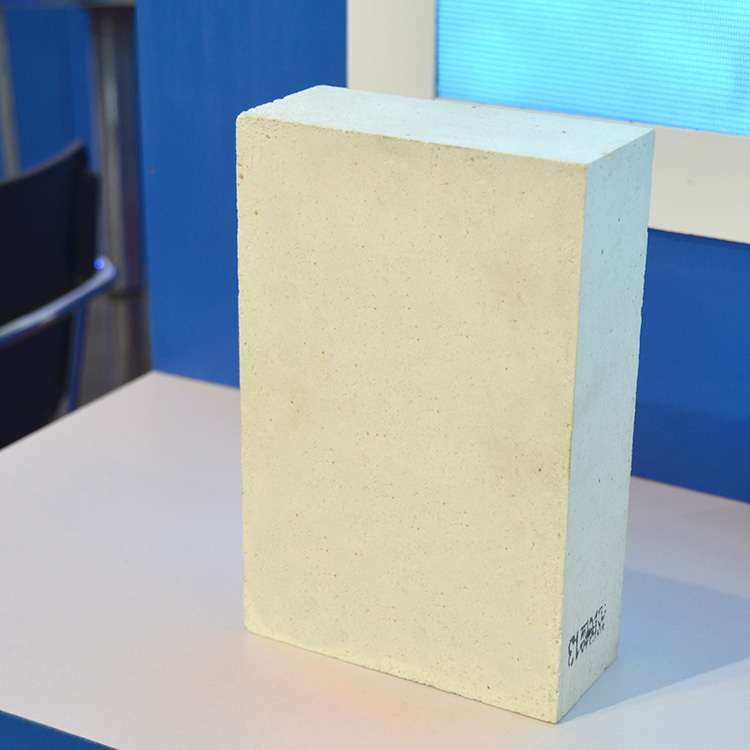
Mullite insulation bricks are known for their high strength and excellent thermal insulation properties. In high - temperature environments, they can withstand temperatures up to 1500°C, which is suitable for a variety of industrial kilns. For example, in electro - porcelain drawer kilns, the high - temperature resistance of mullite insulation bricks ensures the normal operation of the kiln. In tunnel kilns and ceramic roller kilns, these bricks can also effectively reduce heat loss. According to industry statistics, using mullite insulation bricks can reduce energy consumption by about 15% - 20% compared to traditional refractory bricks.
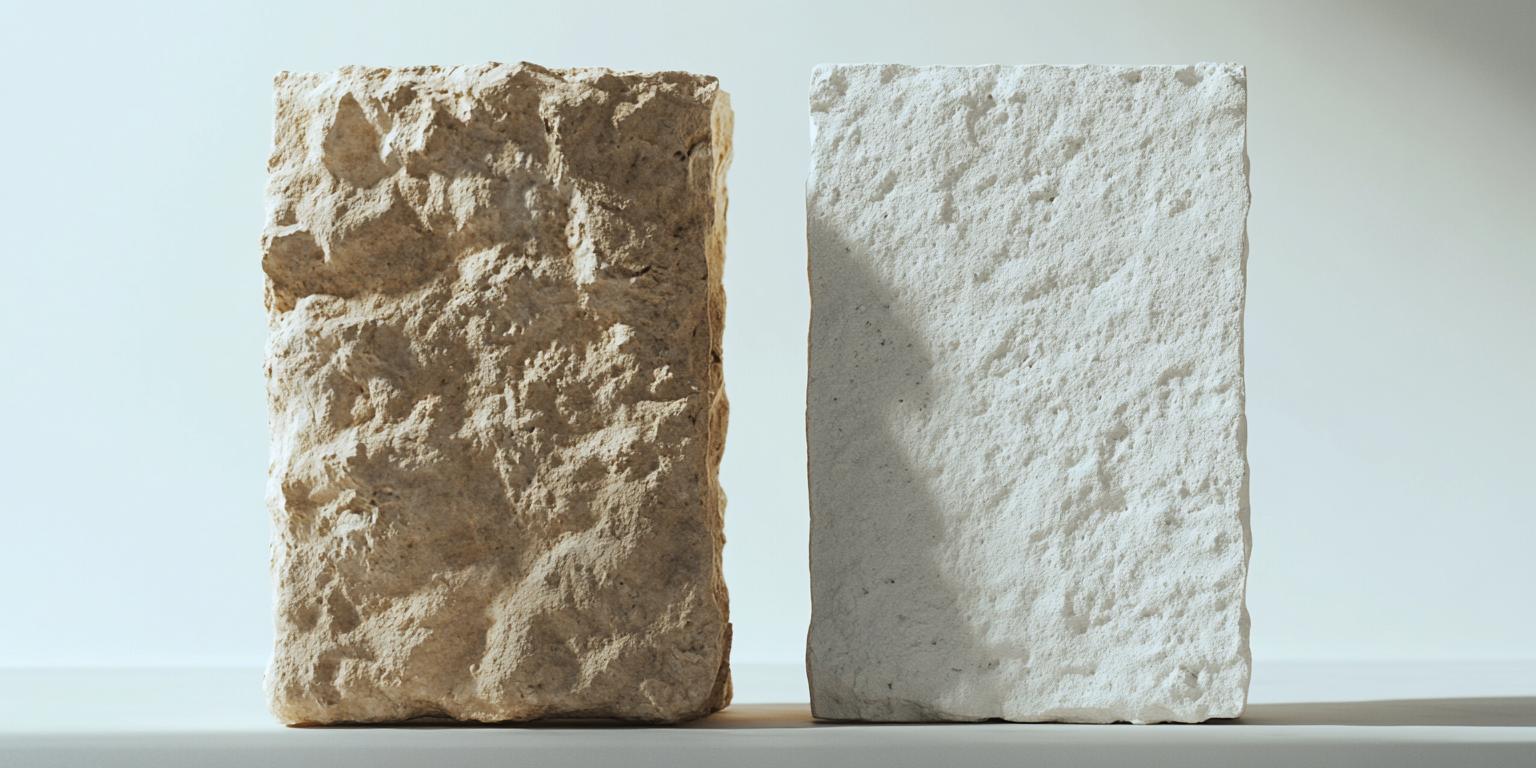
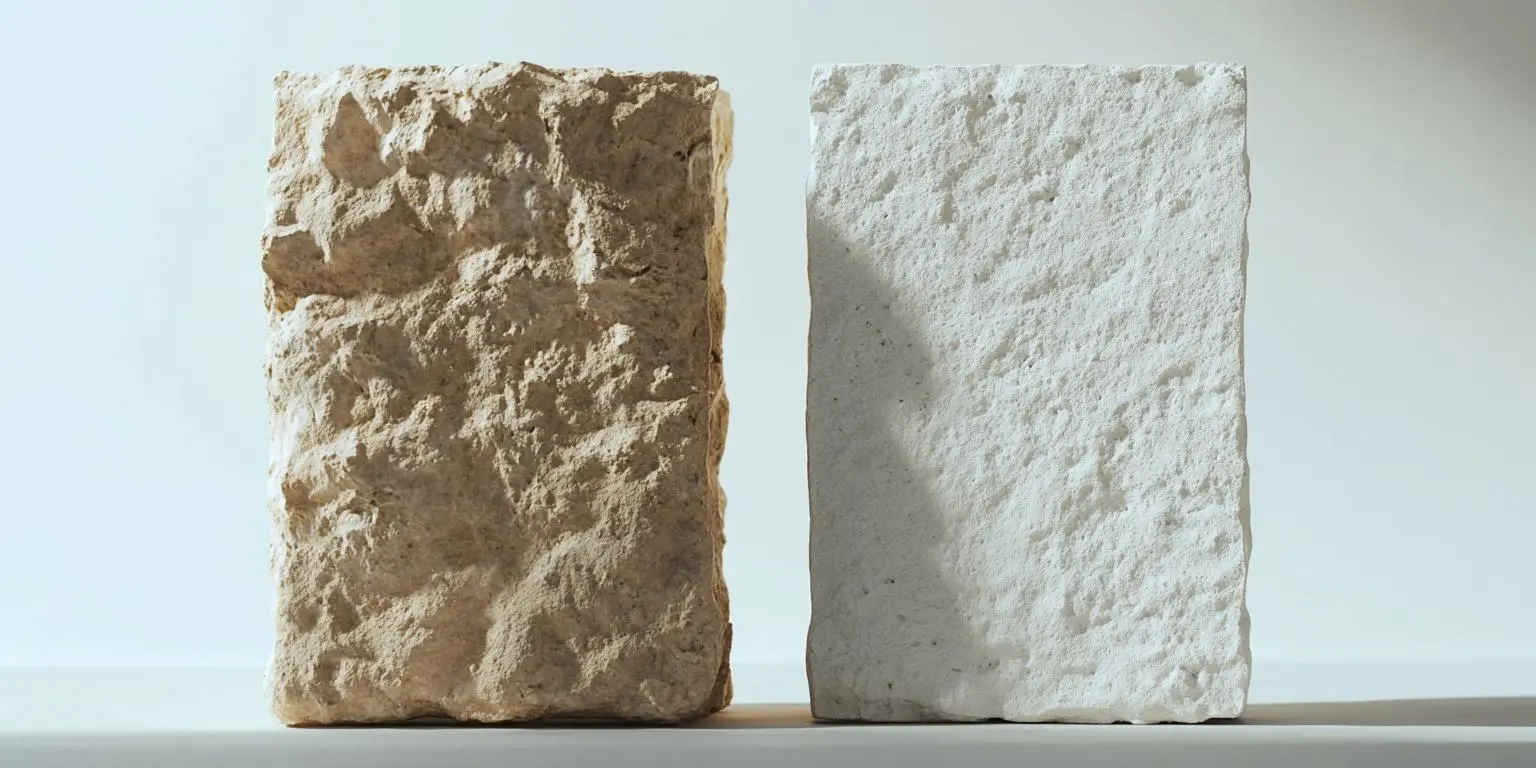
The masonry process of refractory bricks is a complex task that requires strict compliance with certain procedures. First, the base of the kiln needs to be leveled to ensure the stability of the entire structure. Then, the refractory bricks are laid one by one, and the joints between the bricks need to be filled with refractory mortar. However, there are some technical difficulties in the masonry process. For example, ensuring the uniformity of the mortar joints is crucial. If the mortar joints are too thick, it will not only waste refractory mortar but also affect the overall strength of the kiln. On the contrary, if the mortar joints are too thin, it may lead to poor sealing performance.
To address the above - mentioned problems, several optimization measures can be taken. The use of high - strength and precisely sized mullite insulation bricks can significantly improve the masonry efficiency. These bricks can be quickly laid, reducing the time required for masonry by about 30%. Moreover, their precise size helps to save refractory mortar, as less mortar is needed to fill the joints. This not only reduces costs but also enhances the structural stability of the kiln. In addition, during the masonry process, technical personnel should follow strict quality control procedures, regularly checking the flatness and verticality of the bricklaying.
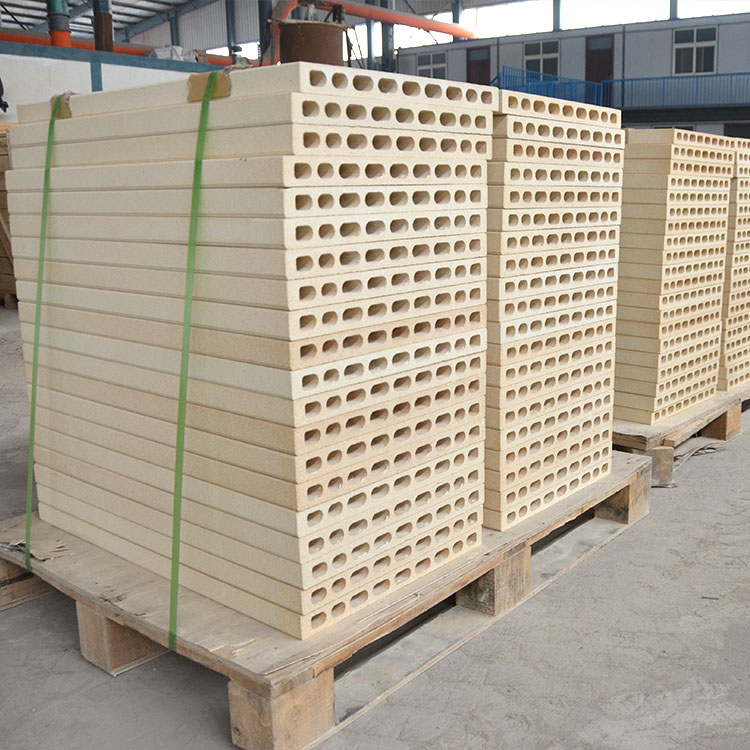
Let's take an electro - porcelain drawer kiln as an example. Before using mullite insulation bricks and the optimized masonry techniques, the kiln had problems such as high energy consumption and poor structural stability. After the transformation, the energy consumption was reduced by 18%, and the service life of the kiln was extended by about 2 - 3 years. This shows that the correct use of mullite insulation bricks and scientific masonry techniques can bring significant economic and technical benefits.
In conclusion, mastering the application and masonry techniques of industrial kiln refractory bricks is of great significance for improving the performance and service life of industrial kilns. If you want to learn more about high - quality refractory bricks and professional masonry solutions, please visit our product page and technical support service.
 thermal stress damage prevention
refractory brick cracking causes
chemical furnace maintenance
heat-resistant refractory materials
furnace lining protection
high-strength refractory insulating bricks
high-temperature furnace energy saving
thermal shock resistant insulation materials
chemical industry low-carbon solutions
furnace lining thermal insulation
High - alumina insulating bricks
Thermal shock resistant refractory materials
Intermittent industrial furnaces with high - frequency start - stop
Refractory materials for industrial furnaces
Thermal performance of high - alumina bricks
refractory brick cracking causes
thermal stress damage prevention
chemical furnace maintenance
refractory brick thermal shock resistance
refractory lining inspection
refractory fireclay insulating bricks
industrial kiln insulation materials
high-temperature insulating bricks
energy-saving kiln materials
kiln thermal expansion properties
thermal stress damage prevention
refractory brick cracking causes
chemical furnace maintenance
heat-resistant refractory materials
furnace lining protection
high-strength refractory insulating bricks
high-temperature furnace energy saving
thermal shock resistant insulation materials
chemical industry low-carbon solutions
furnace lining thermal insulation
High - alumina insulating bricks
Thermal shock resistant refractory materials
Intermittent industrial furnaces with high - frequency start - stop
Refractory materials for industrial furnaces
Thermal performance of high - alumina bricks
refractory brick cracking causes
thermal stress damage prevention
chemical furnace maintenance
refractory brick thermal shock resistance
refractory lining inspection
refractory fireclay insulating bricks
industrial kiln insulation materials
high-temperature insulating bricks
energy-saving kiln materials
kiln thermal expansion properties