

.png?x-oss-process=image/resize,h_100,m_lfit/format,webp)
.png?x-oss-process=image/resize,h_100,m_lfit/format,webp)
.png?x-oss-process=image/resize,h_100,m_lfit/format,webp)
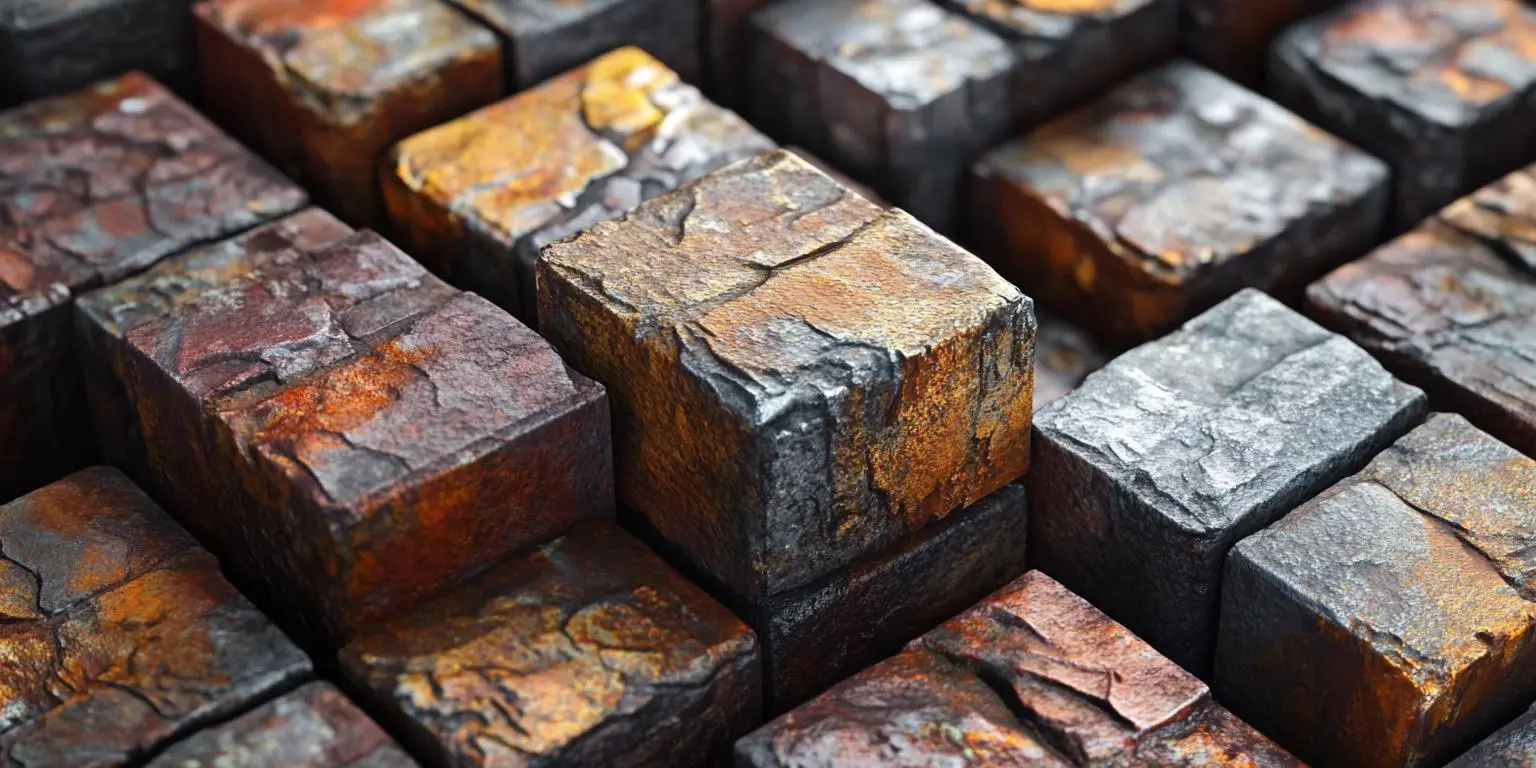
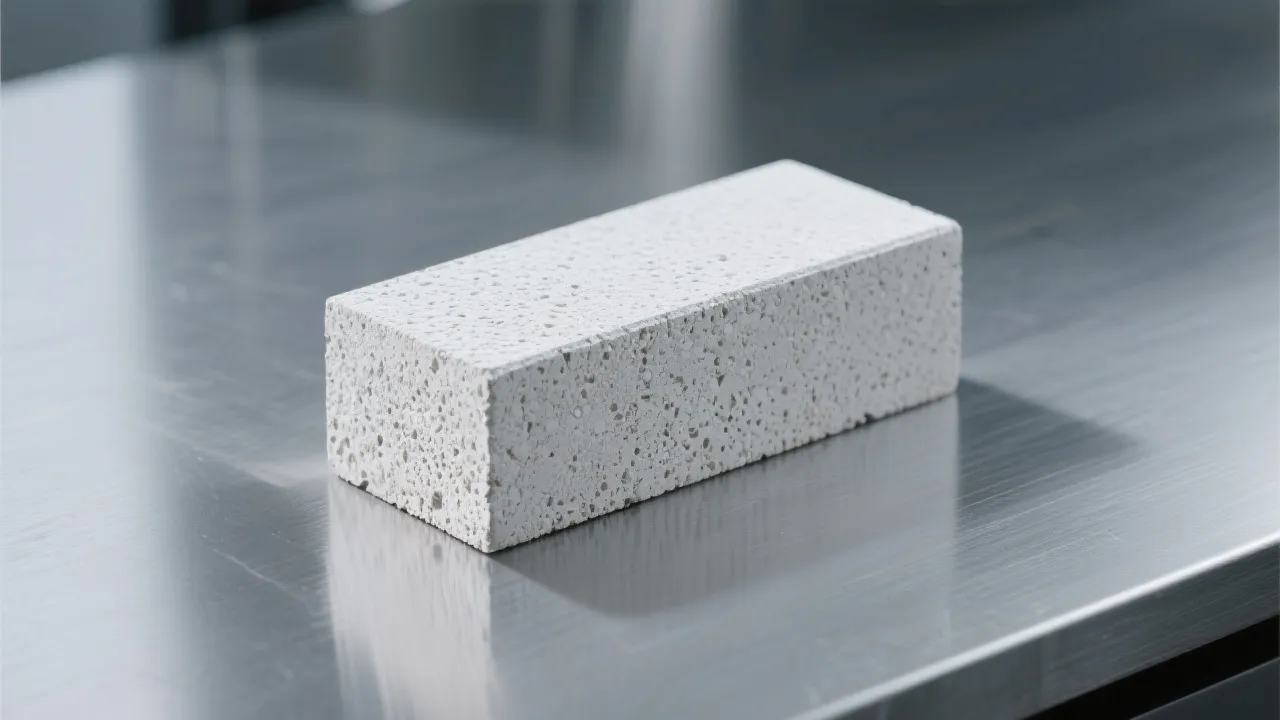
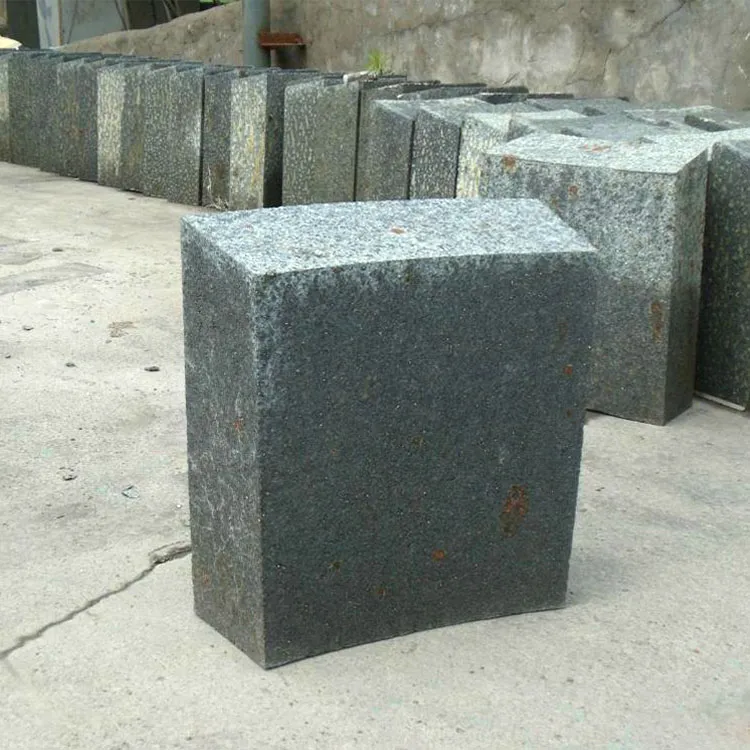
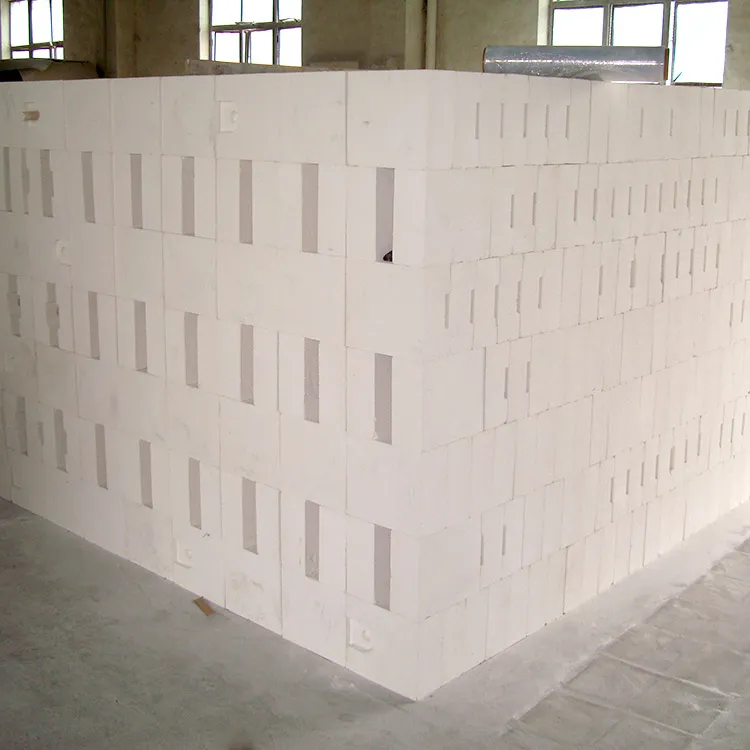
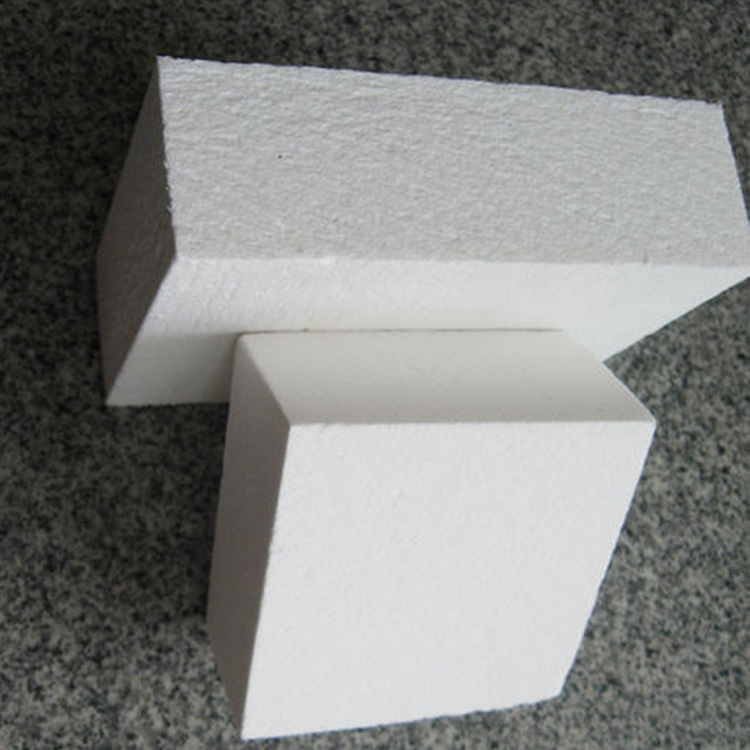
Mullite insulating bricks are a type of high - performance refractory material. With a high refractoriness, they can withstand extremely high temperatures in industrial kilns. For example, they can maintain their structural integrity at temperatures up to 1700°C. Their excellent thermal shock stability allows them to resist sudden temperature changes without cracking or breaking. Additionally, these bricks are known for their precise dimensions, with a dimensional tolerance of less than ±0.5mm, which is crucial for high - quality kiln construction.
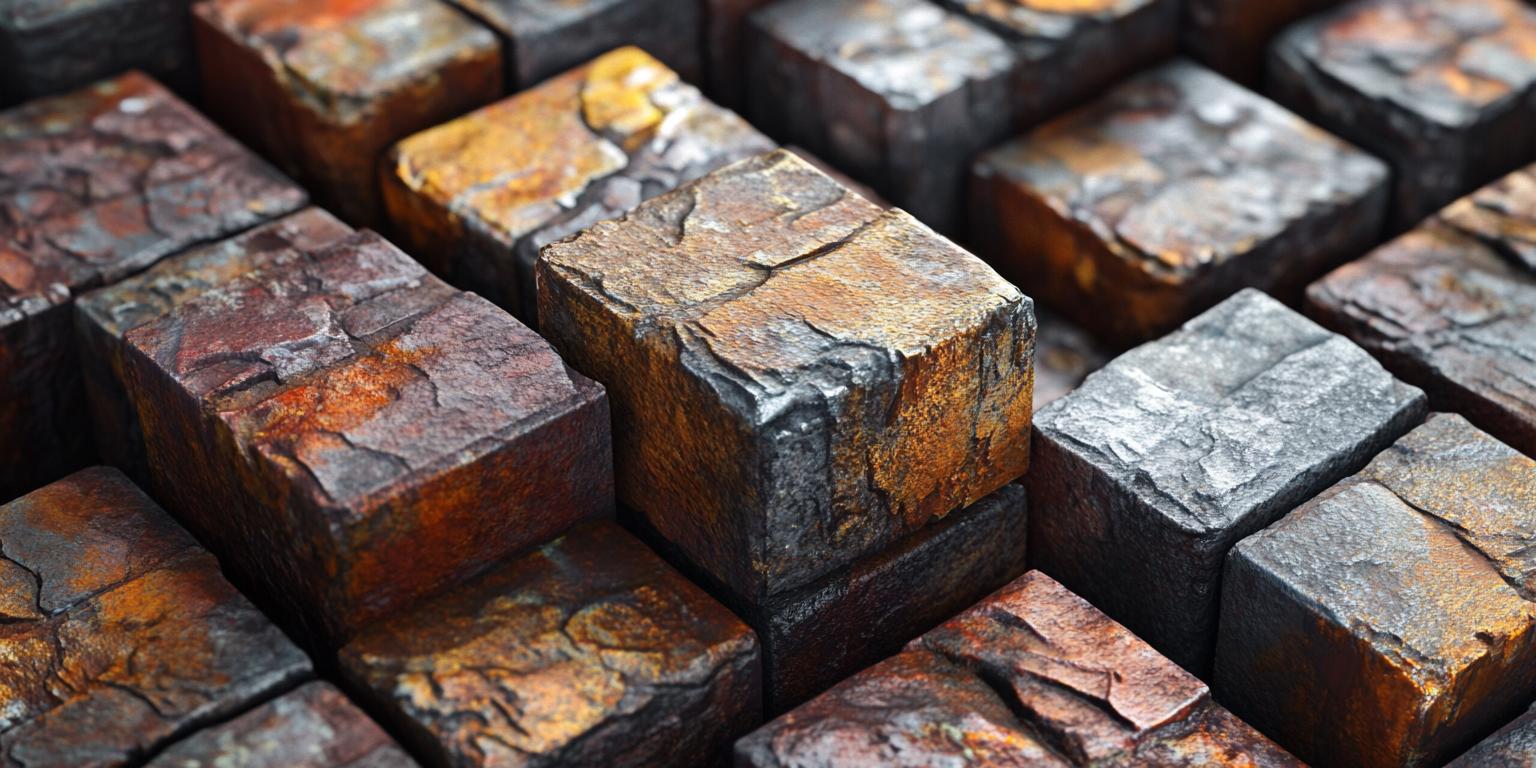
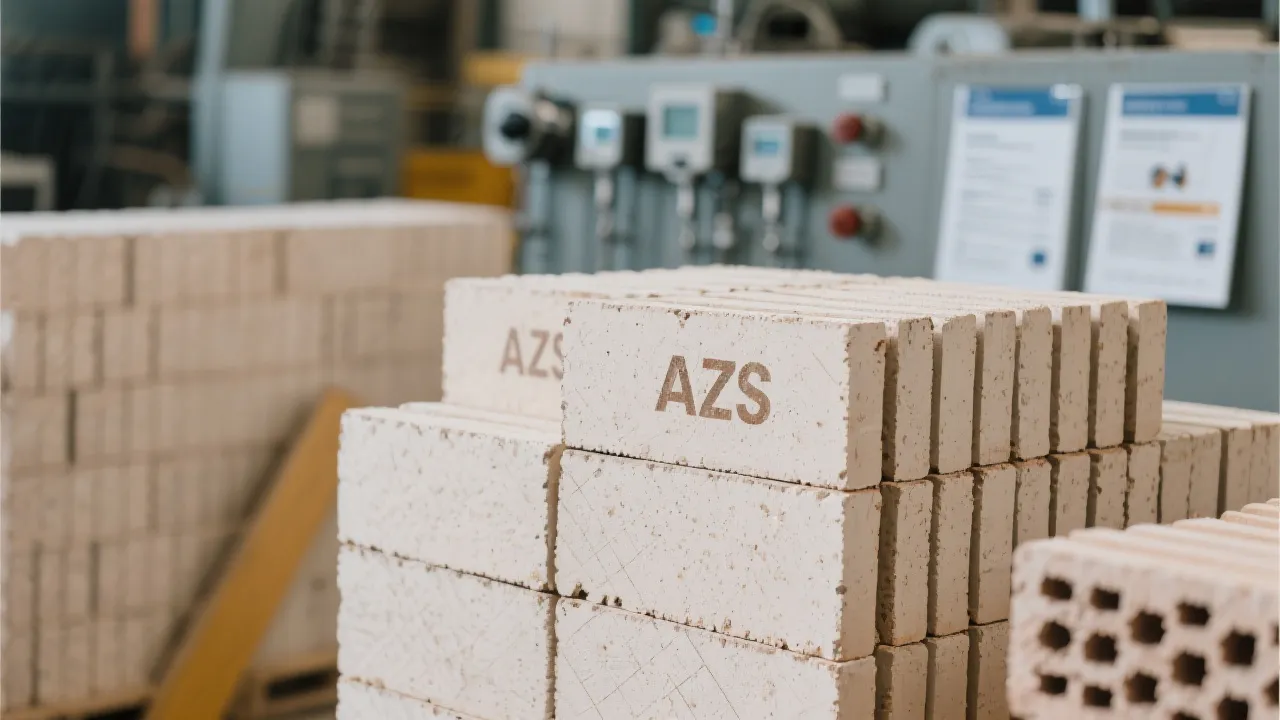
In different industrial kilns such as electric porcelain drawer kilns, tunnel kilns, and ceramic roller hearth kilns, mullite insulating bricks have specific application scenarios and performance requirements. In electric porcelain drawer kilns, the bricks need to have high heat insulation performance to reduce heat loss and save energy. In tunnel kilns, which have a continuous operation mode, the bricks should have good wear - resistance and long - term stability. And in ceramic roller hearth kilns, they need to be able to support the rapid movement of rollers without being damaged. Statistics show that using mullite insulating bricks in these kilns can reduce energy consumption by up to 20% compared to traditional refractory materials.
Before starting the bricklaying, thorough preparation is essential. This includes checking the kiln foundation for flatness and strength, and ensuring that all necessary tools and materials are available. The bricks should be carefully inspected for any damage or sub - standard dimensions.
Accurate size verification is a key step. Due to the precise dimensions of mullite insulating bricks, a simple measurement can ensure that the bricks fit perfectly together. This reduces the need for excessive grinding or adjustment during the bricklaying process.
The bricklaying sequence should follow a logical pattern. Usually, it starts from the bottom and works upwards, layer by layer. Each layer should be level and aligned to ensure the overall stability of the kiln structure. For example, in a large - scale industrial kiln, the first layer should be laid along the perimeter of the kiln to provide a stable base.
The selection of refractory mortar is crucial. A high - quality mortar with good adhesion and heat - resistance should be chosen. The amount of mortar used can be significantly reduced because of the precise dimensions of the bricks. After the bricklaying is completed, proper maintenance, such as controlled drying and curing, is necessary to ensure the long - term performance of the kiln.
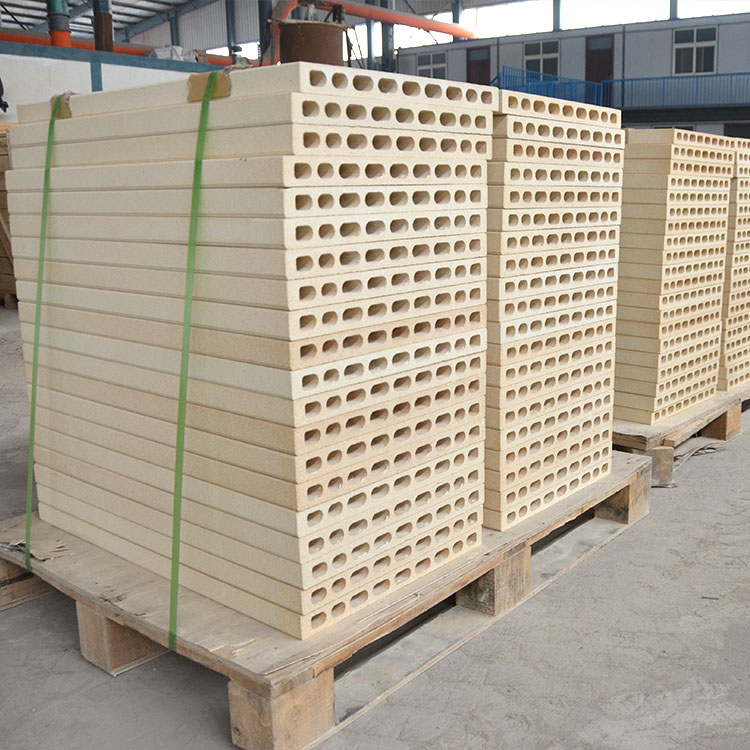
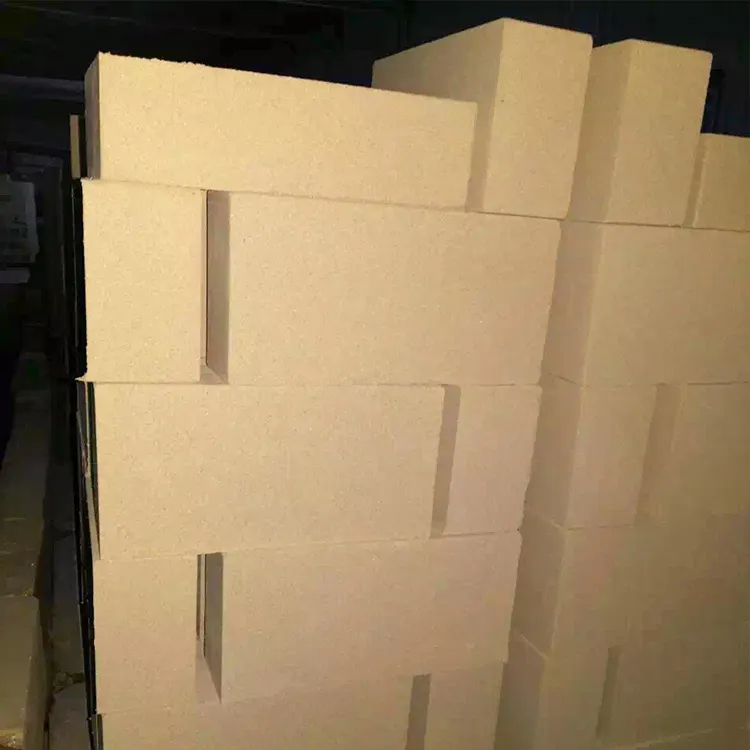
The precise dimensions of high - strength insulating refractory bricks bring multiple benefits. They enable rapid bricklaying, as workers can quickly place the bricks in position without time - consuming adjustments. Moreover, the reduced need for mortar not only saves material costs but also shortens the construction time. In a typical industrial kiln project, the use of these bricks can reduce the bricklaying time by up to 30% and save up to 15% on mortar usage.
During the bricklaying process, there are several precautions to take. For example, the bricks should be laid in a dry environment to ensure the quality of the mortar adhesion. Common problems such as uneven joints or misaligned bricks can be solved by using appropriate tools and techniques. Regular inspections during the construction process can help identify and correct these issues in a timely manner, thereby improving the construction quality and structural stability of the kiln.
Based on a large number of engineering practices, experienced technicians have summarized many useful experiences. For instance, in a certain ceramic kiln project, by using the correct bricklaying techniques of mullite insulating bricks, the kiln's service life was extended by 20%. These experiences can help other technicians quickly master advanced bricklaying processes, improve kiln construction quality, and enhance the safety and efficiency of kiln operation.
Are you looking for high - performance refractory materials and professional technical support for your industrial kiln? Click here to learn more about our mullite insulating bricks and our comprehensive technical support services!
 High - temperature furnace energy saving
Insulation brick construction techniques
Refractory clay insulation bricks
Furnace energy consumption reduction
High thermal shock resistance insulation materials
refractory material selection
furnace life extension
high alumina insulating brick
thermal shock resistance
high temperature refractories
insulating firebrick
refractory brick performance
industrial furnace energy saving
high strength耐火砖
furnace lining upgrade
refractory insulating brick selection
high temperature furnace energy efficiency
fireclay brick thermal shock resistance
hollow sphere refractory comparison
industrial furnace insulation optimization
thermal shock resistant refractory materials
high alumina refractory brick
electric arc furnace lining
annealing furnace insulation
refractory material selection criteria
High - temperature furnace energy saving
Insulation brick construction techniques
Refractory clay insulation bricks
Furnace energy consumption reduction
High thermal shock resistance insulation materials
refractory material selection
furnace life extension
high alumina insulating brick
thermal shock resistance
high temperature refractories
insulating firebrick
refractory brick performance
industrial furnace energy saving
high strength耐火砖
furnace lining upgrade
refractory insulating brick selection
high temperature furnace energy efficiency
fireclay brick thermal shock resistance
hollow sphere refractory comparison
industrial furnace insulation optimization
thermal shock resistant refractory materials
high alumina refractory brick
electric arc furnace lining
annealing furnace insulation
refractory material selection criteria