Home > News > Energy-Efficient Industrial Kiln Upgrades: How Low Thermal Conductivity Insulating Mullite Bricks Reduce Energy Consumption

Energy-Efficient Industrial Kiln Upgrades: How Low Thermal Conductivity Insulating Mullite Bricks Reduce Energy Consumption

Sunrise
2026-01-18
Technical knowledge
This article provides an in-depth analysis of low thermal conductivity mullite insulating refractory bricks in industrial kiln energy-saving retrofits. It highlights the technical advantages of using high-purity fused corundum and imported tabular corundum as primary raw materials, combined with ultrafine powder additives and high-temperature shuttle kiln precision sintering technology. These innovations result in bricks with high refractoriness, excellent thermal shock resistance, and precise dimensional accuracy. Through detailed case studies involving petroleum cracking kilns and metallurgical blast furnaces, the article demonstrates how these bricks extend furnace lining life, improve operational efficiency, and achieve significant energy savings. Written in clear, accessible language and supported by data charts and process flow diagrams, the article serves as a practical guide for industrial users aiming to optimize material selection and implement effective energy-saving modifications, thereby reducing energy costs and enhancing production efficiency.
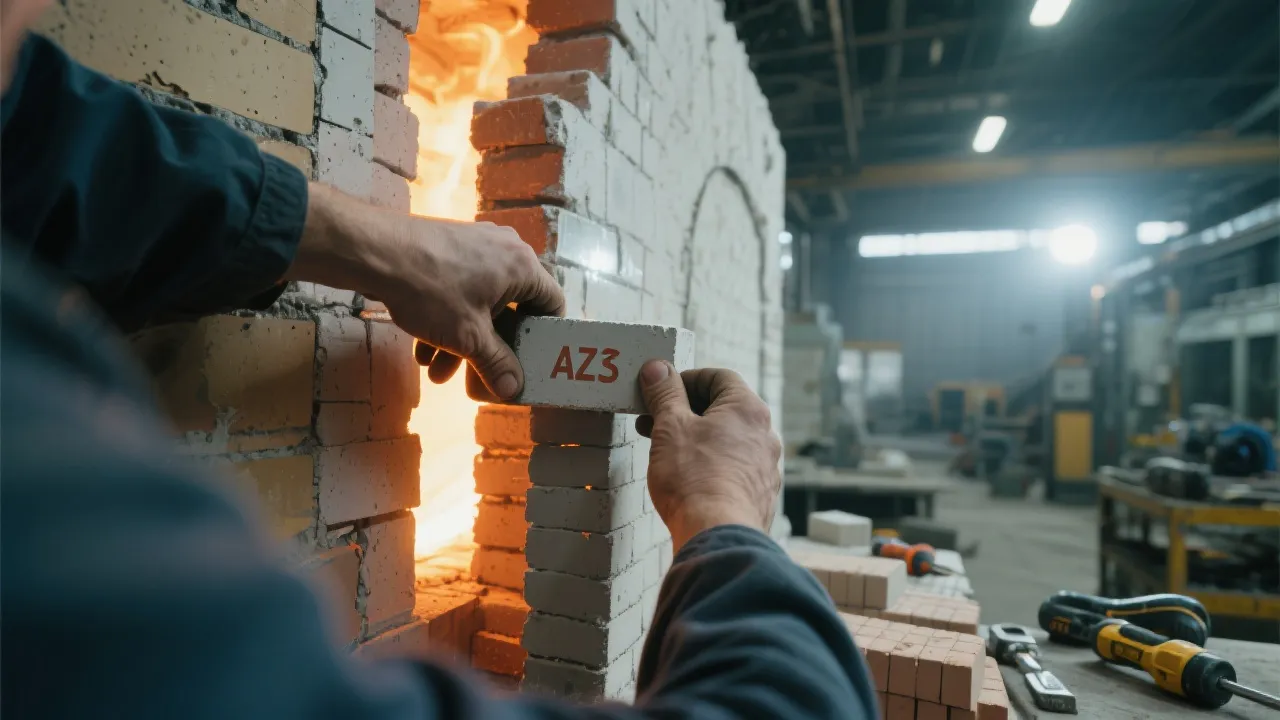
Diagram showing shuttle kiln sintering process of mullite insulating bricks

Enhancing Industrial Kiln Energy Efficiency: The Role of Low Thermal Conductivity Insulating Refractory Bricks

Industrial kilns are the backbone of numerous manufacturing sectors such as petrochemicals, metallurgy, and ceramics. Optimizing their energy consumption has become a critical priority amid increasing environmental regulations and rising fuel costs. One of the most effective solutions in industrial kiln energy-saving retrofits is the deployment of low thermal conductivity insulating refractory bricks, specifically high-purity fused corundum mullite insulation bricks. These bricks combine advanced material science and precision manufacturing to deliver superior thermal performance, mechanical resilience, and long service life.

Core Technological Advantages of Low Thermal Conductivity Mullite Insulating Bricks

At the heart of these insulating bricks lies a carefully engineered composition of high-purity fused corundum coupled with imported tabular alumina. The synergy between these raw materials delivers exceptional refractory properties including:

  • Enhanced refractoriness: The fusion of high-purity raw materials allows the bricks to withstand temperatures exceeding 1750°C without deformation.
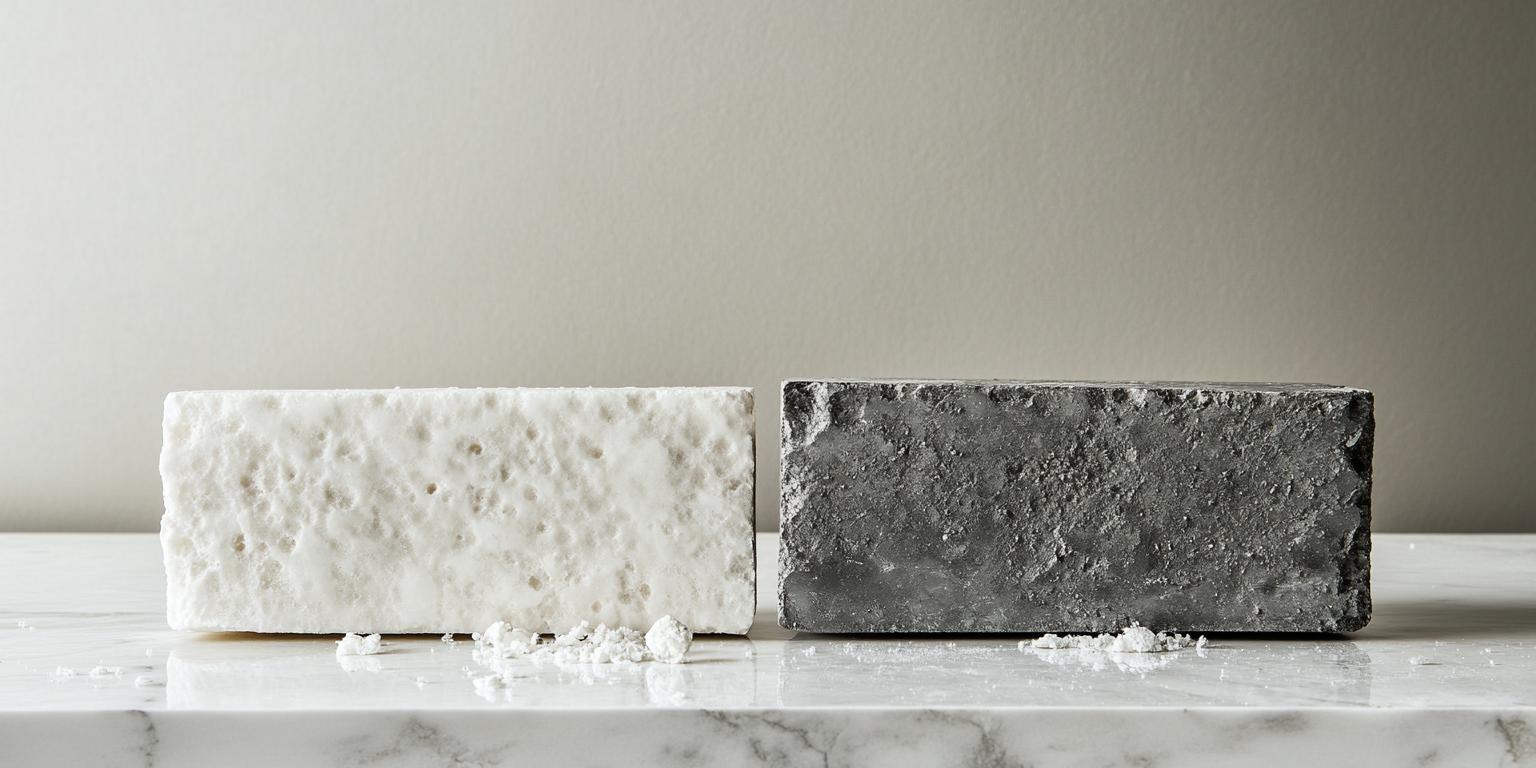
  • Ultra-low thermal conductivity: Thanks to optimized microstructure and minimized pore size distribution facilitated by ultrafine powder additives, the bricks reduce heat transfer by up to 35% compared to traditional insulating firebricks.
  • High thermal shock resistance: The incorporation of tabular alumina grains enhances thermal shock stability, which is crucial for kilns subject to rapid temperature fluctuation.
  • Dimensional precision: Produced through a high-temperature shuttle kiln sintering process, these bricks exhibit tight tolerance control within ±0.3 mm, ensuring superior installation accuracy and structural stability.

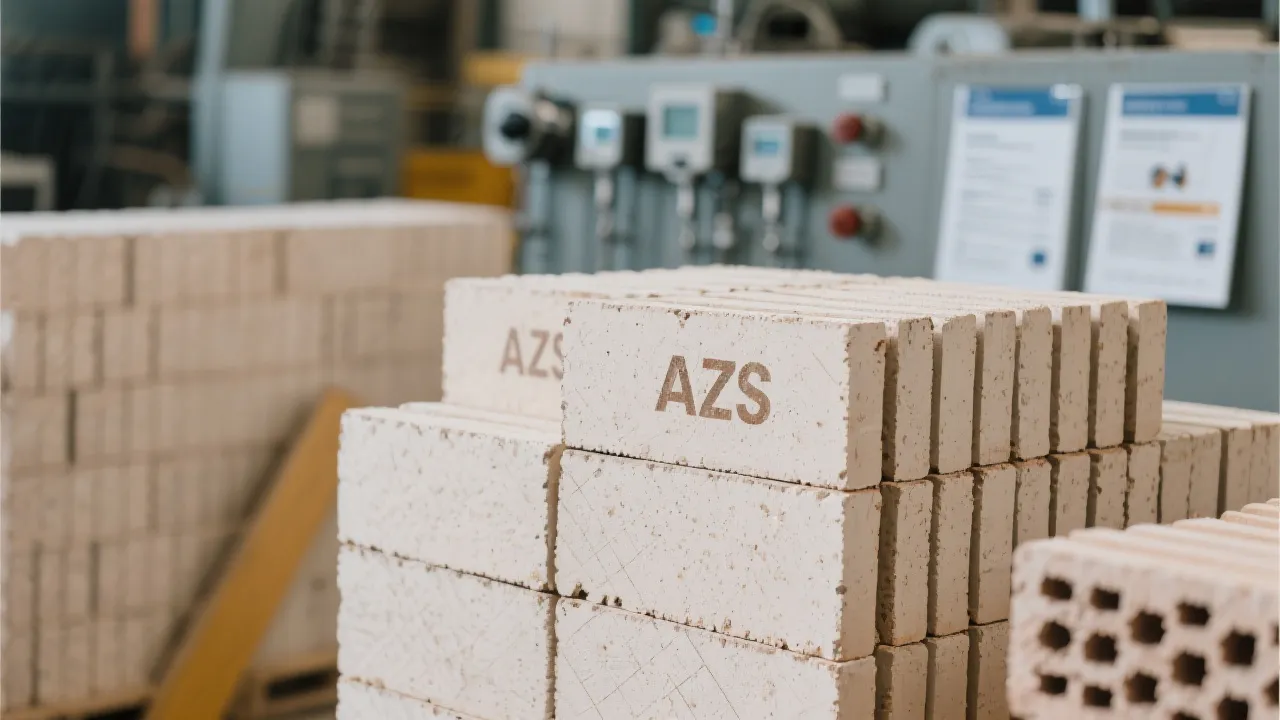
The shuttle kiln sintering technique utilized achieves uniform densification without compromising pore structure, a key factor in retaining insulation performance. This method also ensures reproducible quality critical for large-scale industrial implementation.
产品配图_1737703392518.jpg

Material Performance and Structural Benefits

Detailed lab evaluations demonstrate that these insulating bricks maintain a thermal conductivity as low as 0.25 W/m·K at 1000°C, considerably outperforming conventional firebricks which typically exceed 0.40 W/m·K at the same temperature. Their volume stability at elevated temperatures reduces cracking and deformation risks. Additionally, the precise brick dimensions lend to faster and more accurate kiln lining assemblies, minimizing downtime during refurbishments.

This combination of thermal insulation and mechanical reliability not only extends the life cycle of the refractory lining by up to 20-30% but also contributes directly to energy savings by reducing heat loss through the kiln structure.

Industrial Application Cases: Proven Energy Savings and Operational Efficiency

Several industry leaders have reported tangible benefits upon adopting high-purity mullite insulating bricks for kiln retrofitting:

  • Petroleum Cracking Furnaces: A refining company noted a 12% reduction in fuel consumption post retrofit, alongside a 25% extension in lining service intervals.
  • Metallurgical Blast Furnaces: Enhanced thermal management resulted in improved temperature uniformity, reducing material waste and increasing throughput by approximately 7%.
  • Ceramic Kilns: Operators observed improved firing consistency and a 15% decrease in energy costs over six months.
ceramic-fiber-vacuum-formed-shapes-2.jpg

Practical Guidelines for Selection and Implementation

When selecting insulating refractory bricks for an energy retrofit, consider the following:

  1. Compatibility: Match the brick’s maximum service temperature and chemical resistance to the kiln’s operational parameters.
  2. Dimensional Accuracy: Ensure bricks meet dimensional tolerances for efficient installation and minimum refractory gaps to reduce heat loss.
  3. Thermal Properties: Prioritize bricks with proven low thermal conductivity and excellent thermal shock performance.
  4. Longevity vs. Cost: Analyze life cycle cost savings; higher upfront costs can be offset by lower energy bills and replacement frequency.

Implementing retrofit projects in phases with continuous monitoring of thermal and operational data can optimize energy efficiency outcomes and reduce risk.
ceramic-fiber-vacuum-formed-shapes-4.JPG

Explore the Energy Savings Potential of Advanced Mullite Insulating Bricks

Discover how custom-engineered, low thermal conductivity insulating refractory bricks can revolutionize your industrial kiln’s energy efficiency and operational lifespan.

Contact Our Technical Support Team Now

Name *
Email *
WhatsApp *
Message*

Recommended Products

Related Reading

Industrial Kiln Energy Saving Solution: Innovation Technology and Market Advantages of High-strength Insulating Refractory Bricks

2026-01-06 | https://shmuker.oss-accelerate.aliyuncs.com/tmp/temporary/60ec5bd7f8d5a86c84ef79f2/60ec5bdcf8d5a86c84ef7a9a/20240305160636/lable.png Energy-saving refractory bricks High-strength insulating bricks Industrial kiln energy saving Mullite insulating bricks High-temperature shuttle kiln sintering

Failure Mechanisms of Refractory Materials under Thermal Shock in Industrial Furnaces: Anti-thermal Shock Design Strategies from a Microstructural Perspective

2025-11-17 | https://shmuker.oss-accelerate.aliyuncs.com/tmp/temporary/60ec5bd7f8d5a86c84ef79f2/60ec5bdcf8d5a86c84ef7a9a/20240305160636/lable.png Anti - thermal shock refractory materials High - frequency start - stop industrial furnaces High - alumina insulating bricks Thermal shock in industrial furnaces Structural stability of refractory materials

Analysis of Common Industrial Furnace Failures and Refractory Material Optimization Solutions

2025-11-07 | https://shmuker.oss-accelerate.aliyuncs.com/tmp/temporary/60ec5bd7f8d5a86c84ef79f2/60ec5bdcf8d5a86c84ef7a9a/20240305160636/lable.png refractory material selection high-alumina insulating bricks industrial furnace lifespan extension thermal shock resistance high-temperature refractory materials

Energy-saving Case Analysis of Low Thermal Conductivity Insulating Refractory Bricks in Petroleum Cracking Kilns and Metallurgical Blast Furnaces

2026-01-10 | https://shmuker.oss-accelerate.aliyuncs.com/tmp/temporary/60ec5bd7f8d5a86c84ef79f2/60ec5bdcf8d5a86c84ef7a9a/20240305160636/lable.png Low thermal conductivity insulating refractory bricks Petroleum cracking kiln energy saving Metallurgical blast furnace refractory materials Furnace lining life extension Industrial kiln energy-saving technology

Thermal Expansion Matching Techniques for Industrial Furnaces: Preventing Refractory Interface Spalling

2025-12-21 | https://shmuker.oss-accelerate.aliyuncs.com/tmp/temporary/60ec5bd7f8d5a86c84ef79f2/60ec5bdcf8d5a86c84ef7a9a/20240305160636/lable.png high-alumina insulating bricks refractory thermal expansion industrial furnace maintenance thermal shock resistance refractory interface spalling
Hot Products

Popular articles
high-strength-insulation-brick-2.jpg
营销主题配图_1752482509062.jpg
corundum-mullite-series-products-7.jpg
fireclay-insulation-brick-1.JPG
ceramic-fiber-module-6.jpg
pressed-batts-2.png
ceramic-fiber-module-4.jpg
fireclay-insulation-brick-2.JPG
营销主题配图_1752483009422.jpg
ceramic-fiber-module-6.jpg
Recommended Reading
Contact us
Contact us
https://shmuker.oss-cn-hangzhou.aliyuncs.com/tmp/temporary/60ec5bd7f8d5a86c84ef79f2/60ec5bdcf8d5a86c84ef7a9a/thumb-prev.png