

.png?x-oss-process=image/resize,h_100,m_lfit/format,webp)
.png?x-oss-process=image/resize,h_100,m_lfit/format,webp)
.png?x-oss-process=image/resize,h_100,m_lfit/format,webp)

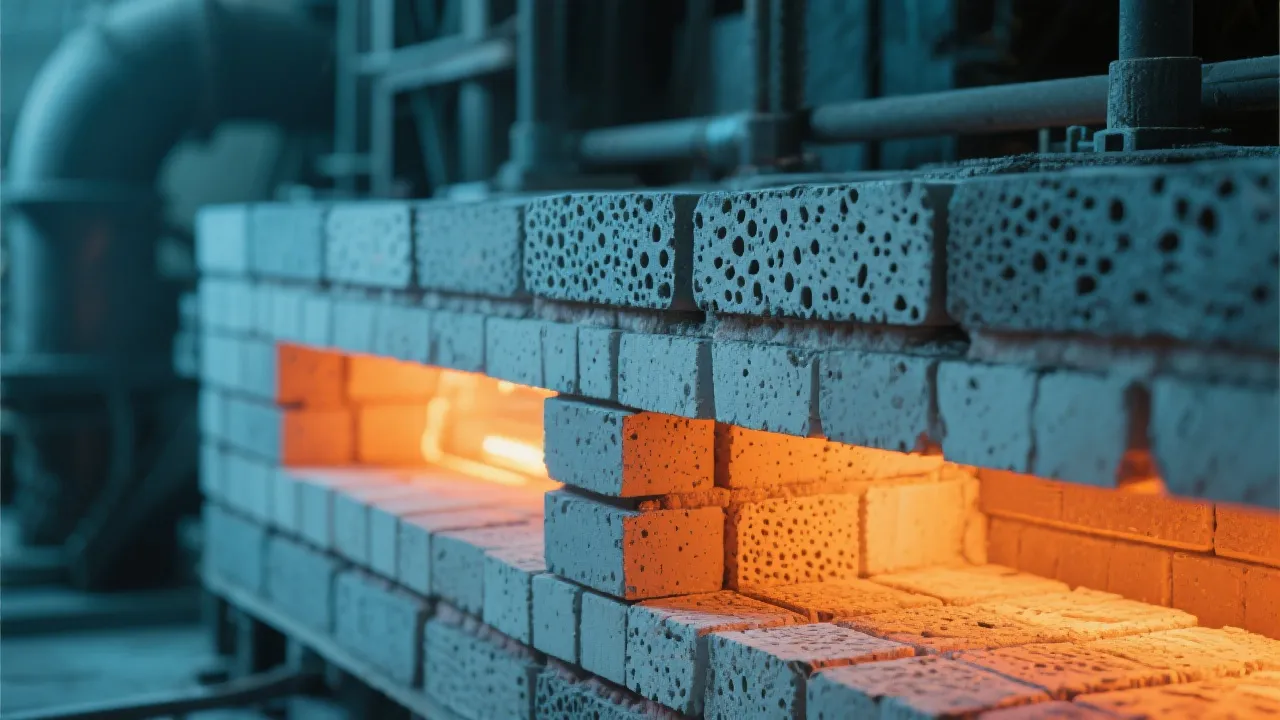
In high-temperature industrial applications such as steel manufacturing, ceramics, and petrochemicals, the reliability of refractory linings is critical. Among numerous factors, the precise matching of thermal expansion coefficients of refractory materials is a decisive factor in preventing interface delamination. This article delves into effective matching techniques for high alumina insulation bricks used in industrial furnaces, addressing key challenges like insufficient thermal shock resistance, temperature limits exceedance, and thermal expansion mismatches that lead to refractory failures.
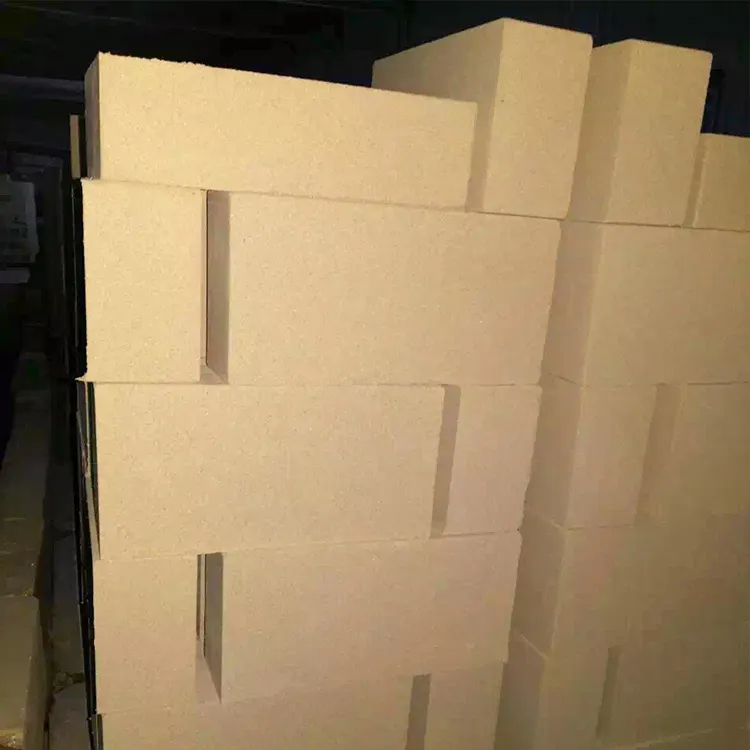
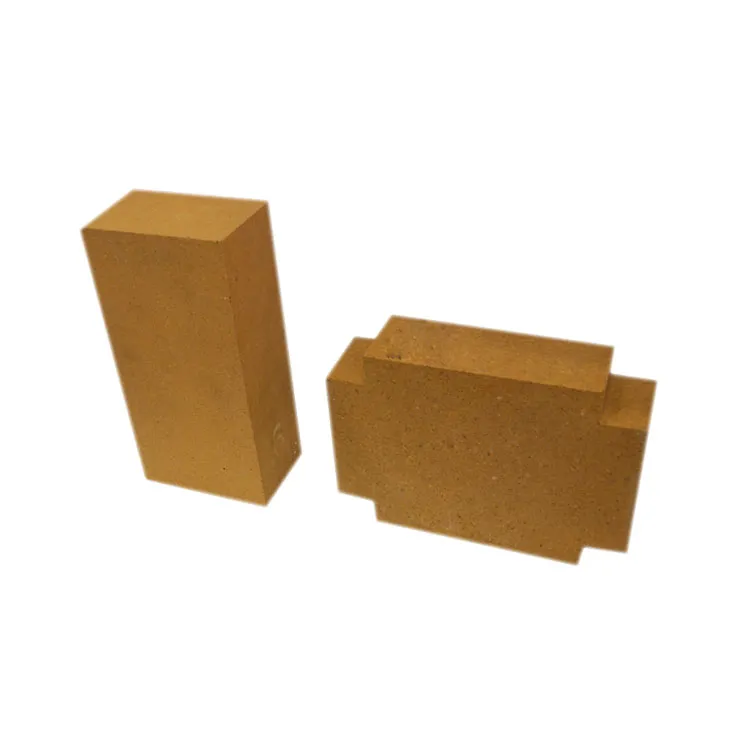
High alumina bricks, predominantly comprising mullite (3Al2O3·2SiO2) and corundum (α-Al2O3) phases, offer outstanding high-temperature stability. However, several technical obstacles must be controlled:
Implementing a rational arrangement of refractory bricks improves thermal expansion compatibility and extends furnace lifespan. For instance, a typical layout for steel industry furnaces might include:
Such gradation aligns thermal expansion rates, mitigating interface stresses effectively. Laboratory tests show that well-matched layers can reduce crack propagation by over 40%, significantly curbing premature refractory failure.
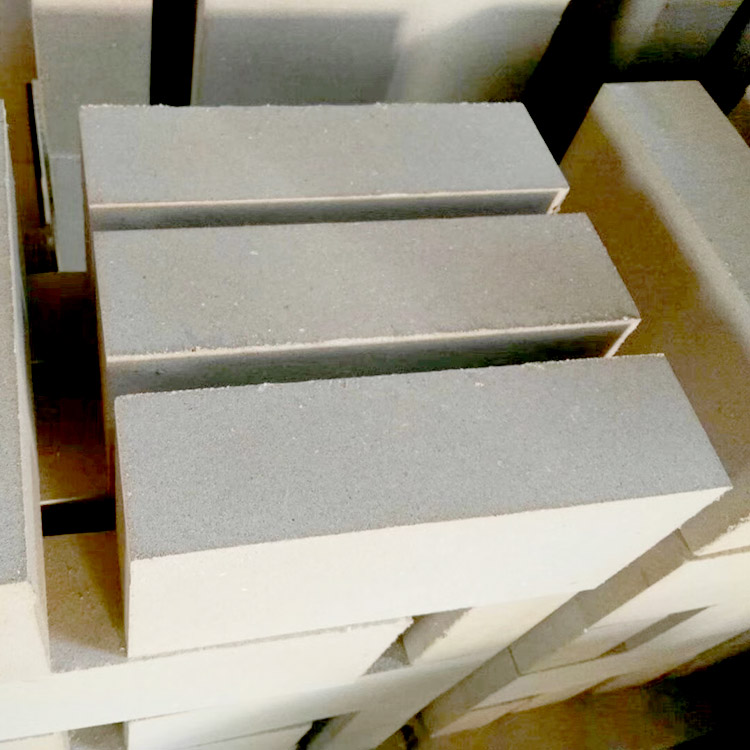
Effective on-site evaluation enables maintenance teams to detect early signs of thermal mismatch and intervene before safety risks escalate. Key indicators include:
Routine use of thermal imaging and acoustic emission monitoring enhances predictive maintenance capabilities, allowing optimization of service intervals and reducing unplanned shutdowns.
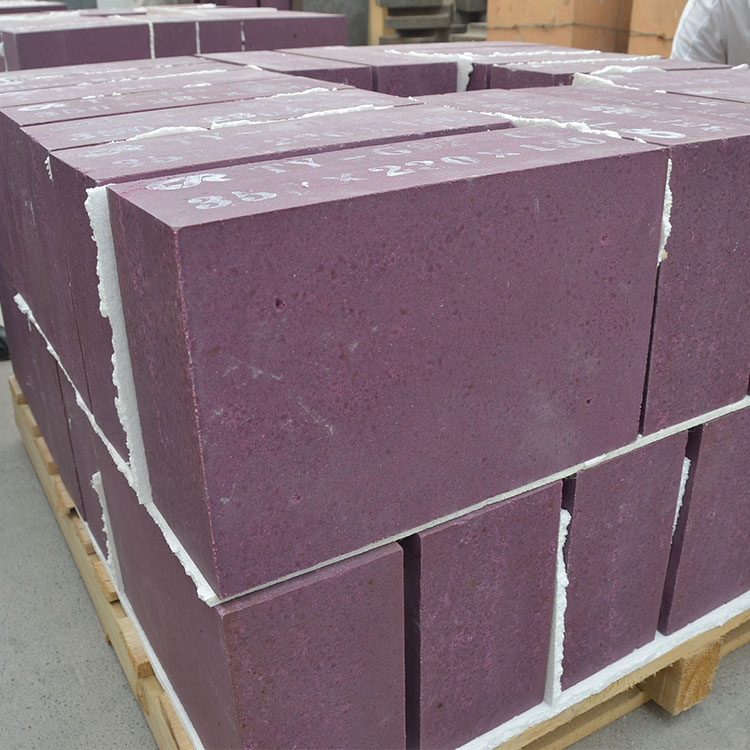
In a leading steel plant, replacing poorly matched refractory bricks with a tailored high alumina multi-layer configuration resulted in a remarkable 18% increase in furnace campaign life and a 12% improvement in fuel efficiency. This directly contributed to lower production costs and reduced downtime for maintenance.
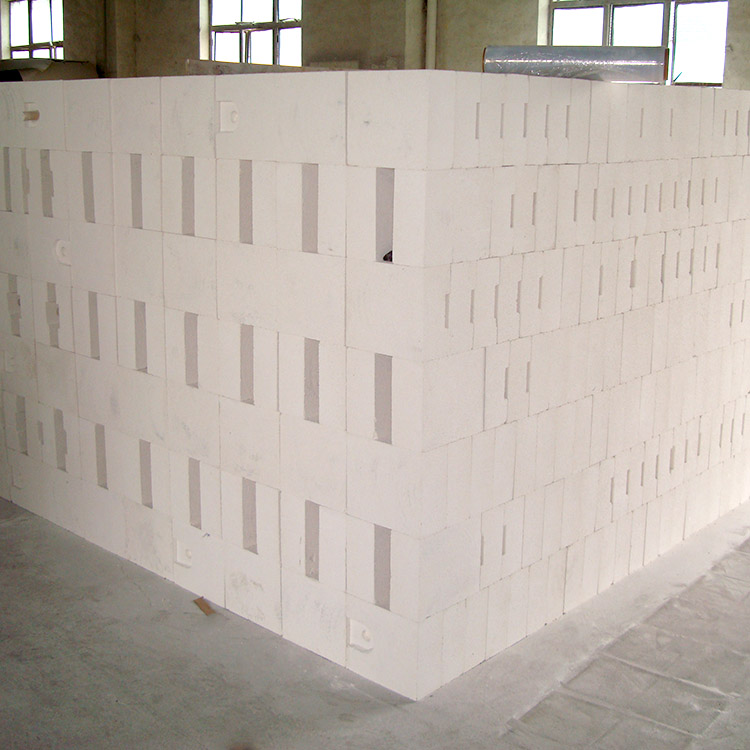
Engineering teams emphasize that selecting refractory materials certified to international standards and tested for thermal expansion compatibility is a prerequisite for achieving consistent furnace performance in high-temperature operations.
Maximizing the operational lifespan of industrial furnaces requires a strategic approach to refractory material selection and thermal expansion matching. Engineering guidelines recommend:
 Anti - thermal shock refractory materials
High - frequency start - stop industrial furnaces
High - alumina insulating bricks
Thermal shock in industrial furnaces
Structural stability of refractory materials
insulating brick installation
expansion joint design
interlayer sealing techniques
refractory brick insulation
furnace energy efficiency
High-alumina insulation energy-saving
Porous structure refractory materials
Industrial furnace energy-saving
Ceramic tunnel kiln renovation
Refractory material international standards
high alumina brick thermal performance
thermal shock resistance refractory
industrial furnace lining longevity
refractory material selection guide
mullite corundum composite structure
high alumina insulating brick
ISO certified refractory
ASTM standard insulation
industrial furnace energy efficiency
porous refractory material
Anti - thermal shock refractory materials
High - frequency start - stop industrial furnaces
High - alumina insulating bricks
Thermal shock in industrial furnaces
Structural stability of refractory materials
insulating brick installation
expansion joint design
interlayer sealing techniques
refractory brick insulation
furnace energy efficiency
High-alumina insulation energy-saving
Porous structure refractory materials
Industrial furnace energy-saving
Ceramic tunnel kiln renovation
Refractory material international standards
high alumina brick thermal performance
thermal shock resistance refractory
industrial furnace lining longevity
refractory material selection guide
mullite corundum composite structure
high alumina insulating brick
ISO certified refractory
ASTM standard insulation
industrial furnace energy efficiency
porous refractory material