

.png?x-oss-process=image/resize,h_100,m_lfit/format,webp)
.png?x-oss-process=image/resize,h_100,m_lfit/format,webp)
.png?x-oss-process=image/resize,h_100,m_lfit/format,webp)

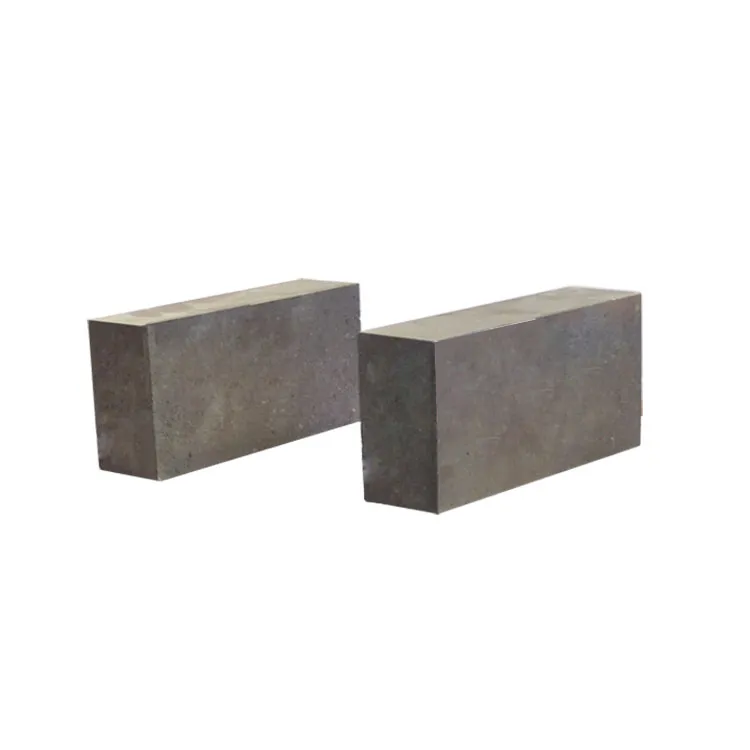
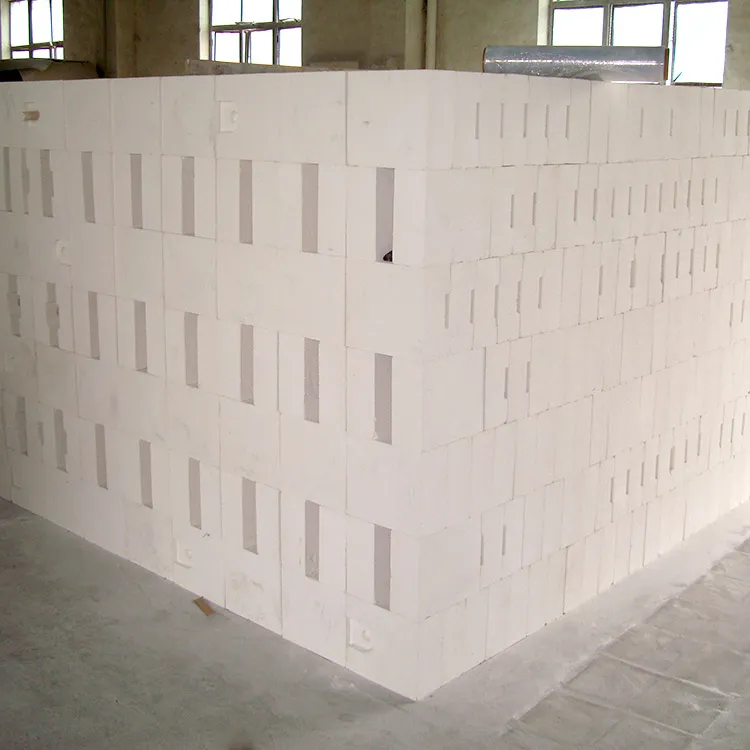
In the pursuit of energy - efficient solutions for industrial kilns, low thermal conductivity insulating refractory bricks have emerged as a game - changer. These bricks are crafted using high - purity fused corundum and imported tabular corundum. High - purity fused corundum offers excellent refractoriness, with a melting point of up to 2050°C, which is crucial for the harsh high - temperature environment in industrial kilns. Imported tabular corundum, on the other hand, provides a stable crystal structure, enhancing the overall strength of the bricks.
The addition of ultrafine powder technology is another key aspect. By adding ultrafine powders, the density of the bricks can be increased by about 5 - 10%. This not only improves the thermal insulation performance but also enhances the mechanical properties of the bricks. The high - temperature shuttle kiln precision sintering process ensures that the bricks are uniformly sintered. During this process, the temperature can reach up to 1800°C, which helps to form a dense and stable internal structure of the bricks.
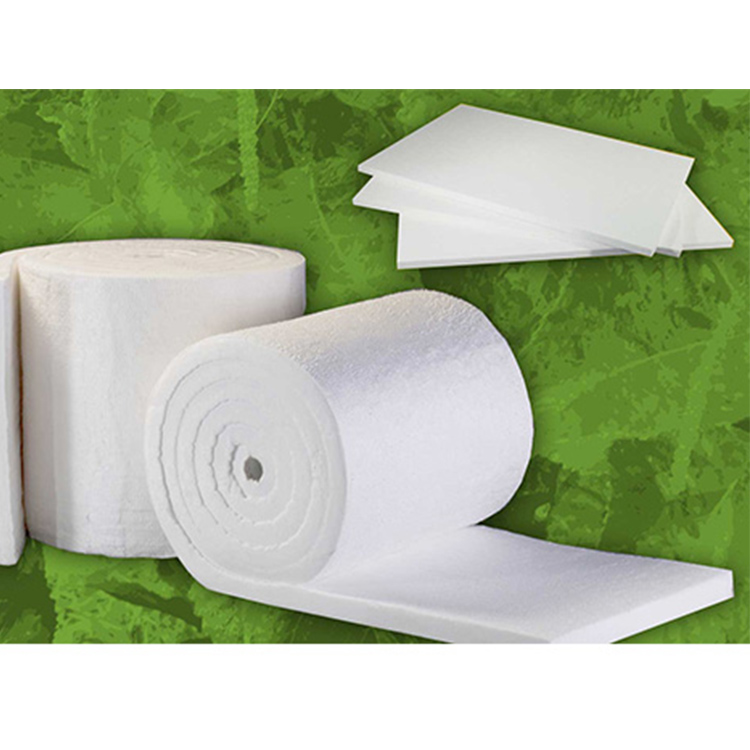
The low thermal conductivity insulating refractory bricks have a high refractoriness, which allows them to withstand extremely high temperatures without significant deformation. In industrial kilns, where temperatures can often exceed 1500°C, these bricks can maintain their structural integrity, ensuring the normal operation of the kiln.
Thermal shock resistance is a critical property for refractory materials. These bricks can withstand rapid temperature changes without cracking. For example, they can endure temperature fluctuations of up to 1000°C in a short period, which is very common in the start - up and shutdown processes of industrial kilns.
The precise dimensions of the bricks contribute to improved masonry efficiency and structural stability. With an error margin of less than ±0.5mm in size, the bricks can be laid more tightly, reducing the use of refractory mortar by about 15 - 20% and enhancing the overall stability of the furnace lining structure.
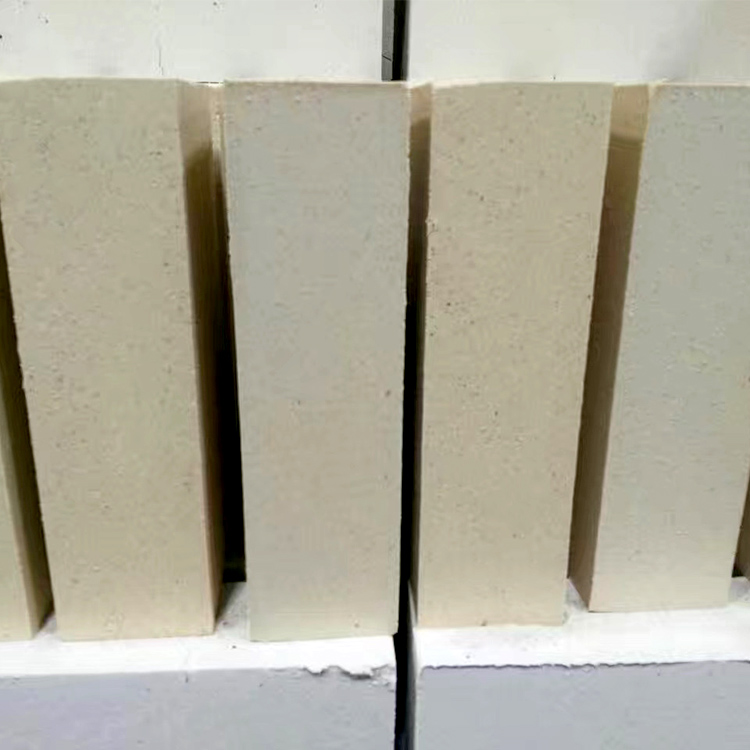
In the petroleum cracking kiln, the use of low thermal conductivity insulating refractory bricks has shown remarkable results. Before using these bricks, the average service life of the furnace lining was about 1 - 1.5 years. After the application of these bricks, the service life has been extended to 2 - 2.5 years, an increase of about 50 - 100%. At the same time, the energy consumption has been reduced by about 10 - 15% due to the excellent thermal insulation performance of the bricks.
In the metallurgical blast furnace, the situation is similar. The traditional furnace lining materials often face problems such as rapid wear and tear and high energy consumption. By using low thermal conductivity insulating refractory bricks, the furnace lining life has been extended from 1.5 - 2 years to 2.5 - 3 years, and the energy efficiency has been improved by about 12 - 18%.
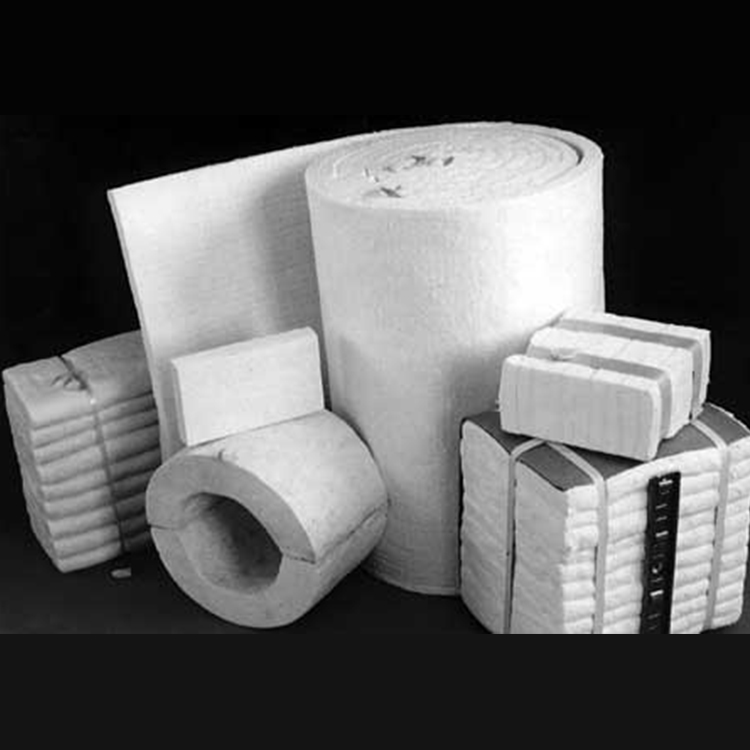
When selecting low thermal conductivity insulating refractory bricks, industrial users should consider factors such as the operating temperature, thermal shock frequency, and mechanical stress of the kiln. Different types of industrial kilns have different requirements, and choosing the right bricks can significantly improve energy efficiency and production efficiency.
If you're interested in learning more about how these low thermal conductivity insulating refractory bricks can transform your industrial kiln operations and achieve significant energy savings, click here to explore detailed product information and get in touch with our technical support team.
 high-alumina insulating bricks
porous refractory materials
industrial furnace energy saving
thermal conductivity optimization
ISO ASTM refractory standards
Thermal shock resistant refractory materials
High-frequency start-stop industrial furnaces
Thermal performance of high-alumina bricks
Refractory material selection guide
Energy-saving solutions for industrial furnaces
high-alumina insulating bricks energy saving
porosity thermal conductivity relationship
porous refractory materials
industrial furnace energy efficiency
ISO ASTM refractory standards
refractory brick cracking causes
thermal stress damage prevention
chemical furnace maintenance
high - strength refractory clay insulation bricks
thermal shock performance
thermal shock resistant refractory materials
high-frequency start-stop industrial furnaces
high-alumina brick thermal performance
industrial furnace refractory selection
mullite structure refractory bricks
high-alumina insulating bricks
porous refractory materials
industrial furnace energy saving
thermal conductivity optimization
ISO ASTM refractory standards
Thermal shock resistant refractory materials
High-frequency start-stop industrial furnaces
Thermal performance of high-alumina bricks
Refractory material selection guide
Energy-saving solutions for industrial furnaces
high-alumina insulating bricks energy saving
porosity thermal conductivity relationship
porous refractory materials
industrial furnace energy efficiency
ISO ASTM refractory standards
refractory brick cracking causes
thermal stress damage prevention
chemical furnace maintenance
high - strength refractory clay insulation bricks
thermal shock performance
thermal shock resistant refractory materials
high-frequency start-stop industrial furnaces
high-alumina brick thermal performance
industrial furnace refractory selection
mullite structure refractory bricks