

.png?x-oss-process=image/resize,h_100,m_lfit/format,webp)
.png?x-oss-process=image/resize,h_100,m_lfit/format,webp)
.png?x-oss-process=image/resize,h_100,m_lfit/format,webp)

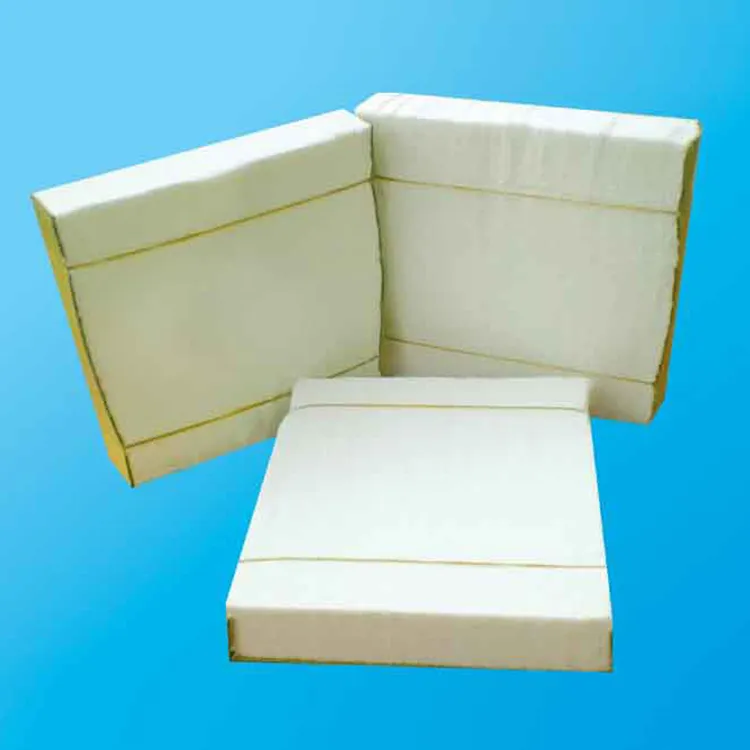
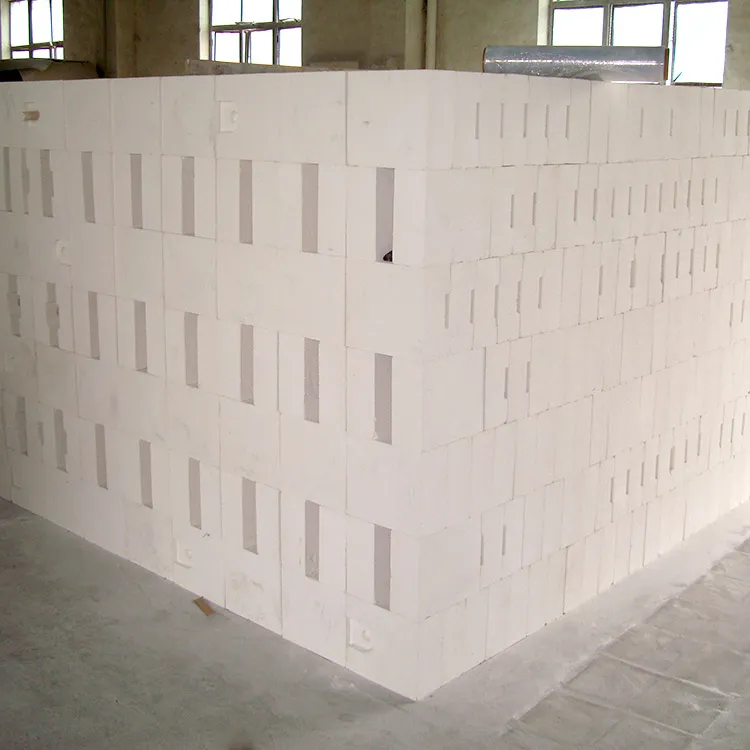
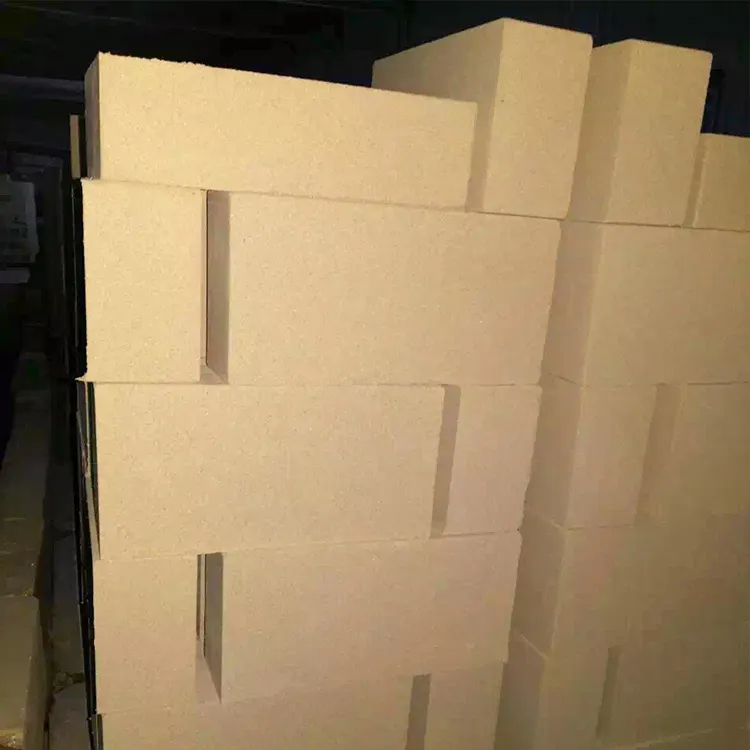
In the pursuit of cost - effective and efficient industrial furnace energy - saving transformation, low thermal conductivity insulating refractory bricks have emerged as a game - changer. Let's explore how their unique features contribute to energy conservation and structural optimization.
The choice of materials and manufacturing process of low thermal conductivity insulating refractory bricks lay the foundation for their excellent performance. These bricks are made from high - purity fused corundum and imported tabular corundum. The high - purity fused corundum provides high refractoriness, while the imported tabular corundum enhances the overall strength and stability of the bricks.
Combined with the ultra - fine powder addition technology and high - temperature shuttle kiln precision sintering process, these bricks achieve remarkable performance. The ultra - fine powder addition technology fills the internal pores of the bricks, reducing the thermal conductivity. The high - temperature shuttle kiln sintering process ensures uniform and dense structure, which is crucial for long - term use in high - temperature environments.
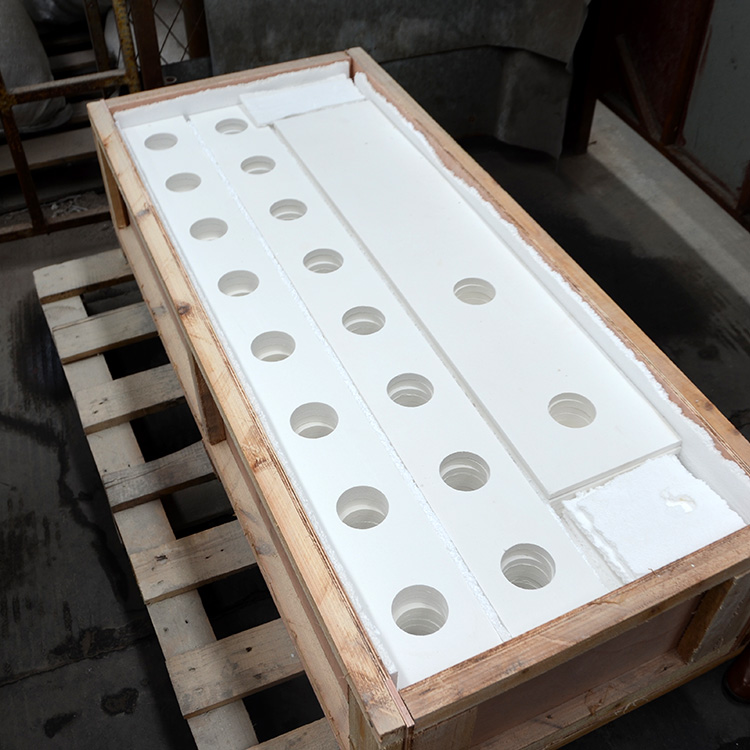
From three major performance dimensions, we can see the significant energy - saving and structural optimization effects of these bricks.
**High Refractoriness**: With a refractoriness of up to 1800°C, these bricks can withstand extremely high temperatures in industrial furnaces. This means that they can maintain their structural integrity and performance in harsh high - temperature environments, reducing the need for frequent replacement and thus saving costs.
**Excellent Thermal Shock Resistance**: These bricks can resist rapid temperature changes without cracking or spalling. In industrial processes where temperature fluctuations are common, such as the start - up and shutdown of furnaces, this property ensures the long - term stable operation of the furnace lining, and also extends the service life of the furnace. According to industry data, the thermal shock resistance of these bricks is 30% higher than that of ordinary refractory bricks.
**Precise Dimensions**: The precision of the dimensions of these bricks is within ±0.5mm. This high - precision manufacturing allows for faster masonry speed. Studies have shown that the masonry speed can be increased by 20% compared to traditional bricks. In addition, it also saves refractory mortar and ensures the structural tightness of the furnace lining.
In typical industrial applications such as petroleum cracking kilns and metallurgical blast furnaces, low thermal conductivity insulating refractory bricks have shown outstanding performance.
In petroleum cracking kilns, these bricks can reduce heat loss by 30%, which directly translates into significant energy savings. At the same time, the service life of the furnace lining can be extended by 50%, reducing maintenance and replacement costs.
In metallurgical blast furnaces, the use of these bricks can improve the thermal efficiency of the furnace by 25%, and the furnace lining can operate stably for an additional 3 - 5 years compared with the use of ordinary refractory materials.
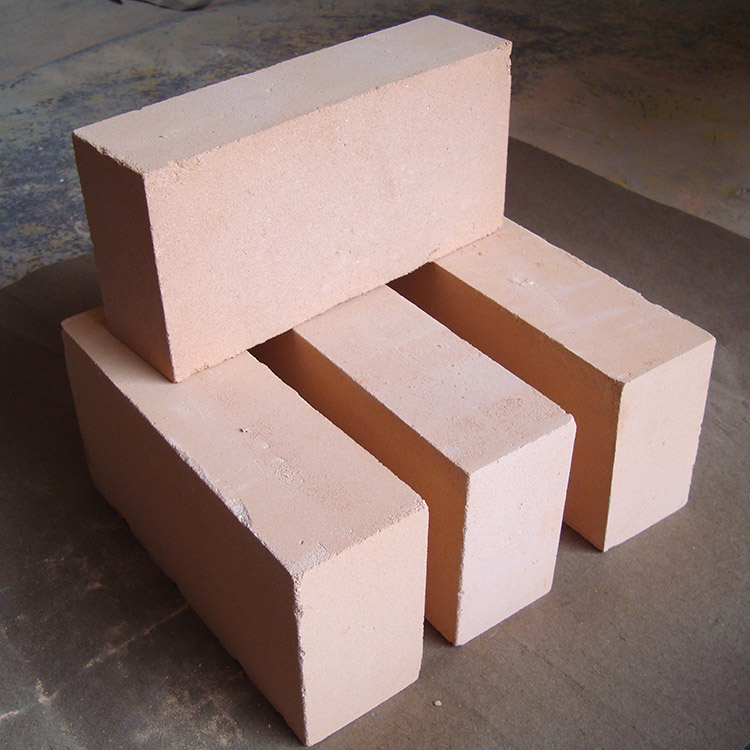
When selecting low thermal conductivity insulating refractory bricks, users should consider the specific temperature requirements, thermal shock conditions, and chemical corrosion conditions of their industrial furnaces. For high - temperature and high - thermal - shock environments, bricks with higher refractoriness and better thermal shock resistance should be selected.
In terms of operation, proper installation and maintenance are crucial. During installation, ensure that the bricks are laid flat and tightly to avoid heat leakage. Regular inspection and maintenance can also help detect and solve problems in time, ensuring the long - term stable operation of the furnace.

In conclusion, low thermal conductivity insulating refractory bricks are a reliable choice for industrial furnace energy - saving transformation. Their unique material selection, advanced manufacturing process, excellent performance, and wide range of applications make them an ideal solution for enterprises seeking to achieve green transformation and improve operational efficiency.
Click here to learn more product details and get free technical consultation.
 high alumina brick thermal performance
industrial furnace refractory selection
thermal shock resistance in refractories
high frequency furnace lining
refractory material durability
refractory brick cracking reasons
thermal stress damage prevention
chemical furnace maintenance
thermal shock-resistant refractory bricks
refractory material maintenance
low thermal conductivity insulating refractory bricks
industrial kiln energy-saving materials
mullite insulating bricks
refractory material selection guide
high-temperature kiln energy efficiency
high alumina insulating brick
ISO ASTM refractory standards
porous refractory material
industrial furnace energy efficiency
refractory brick for export
high alumina brick thermal shock resistance
industrial furnace refractory selection
mullite refractory brick
thermal conductivity refractory material
intermittent furnace lining
high alumina brick thermal performance
industrial furnace refractory selection
thermal shock resistance in refractories
high frequency furnace lining
refractory material durability
refractory brick cracking reasons
thermal stress damage prevention
chemical furnace maintenance
thermal shock-resistant refractory bricks
refractory material maintenance
low thermal conductivity insulating refractory bricks
industrial kiln energy-saving materials
mullite insulating bricks
refractory material selection guide
high-temperature kiln energy efficiency
high alumina insulating brick
ISO ASTM refractory standards
porous refractory material
industrial furnace energy efficiency
refractory brick for export
high alumina brick thermal shock resistance
industrial furnace refractory selection
mullite refractory brick
thermal conductivity refractory material
intermittent furnace lining