

.png?x-oss-process=image/resize,h_100,m_lfit/format,webp)
.png?x-oss-process=image/resize,h_100,m_lfit/format,webp)
.png?x-oss-process=image/resize,h_100,m_lfit/format,webp)
Industrial furnaces are pivotal in manufacturing sectors ranging from ceramics to metallurgy, where extreme temperatures incur substantial energy consumption. To curb operational costs and reduce carbon footprints, advancements in refractory materials are essential. This article explores the scientific principles behind high-alumina insulating bricks featuring innovative porous structures that significantly optimize thermal conductivity, driving breakthrough energy efficiency in industrial furnace applications.
High-alumina insulating bricks are primarily composed of 48% to 75% alumina (Al2O3), offering superior mechanical strength and chemical stability at elevated temperatures up to 1700°C. The key innovation lies in engineering their porous architecture: controlled porosity enhances insulation by trapping air pockets, which substantially diminishes heat transfer via conduction and convection.
| Parameter | Typical Range |
|---|---|
| Alumina Content | 48% - 75% |
| Porosity | 40% - 60% |
| Thermal Conductivity at 1000°C | 0.6 - 1.0 W/m·K |
The porous microstructure reduces the effective thermal conductivity by introducing thermal barriers where trapped air pockets obstruct heat flow. Increasing porosity generally lowers thermal conductivity exponentially until mechanical strength constraints are reached. Specifically, an increase of porosity from 40% to 55% can reduce thermal conductivity by approximately 30%-40%, improving energy retention within the furnace lining.
Moreover, reduced thermal mass resulting from higher porosity lowers the heat capacity of the bricks (typically in the range of 0.7 to 1.2 kJ/kg·K), allowing quicker thermal response times and more efficient temperature control. This dual effect directly translates into reduced fuel consumption and operational costs.
Industry demands persistent innovation to meet tightening environmental regulations and cost efficiency targets. Industrial furnaces account for nearly 30% of total manufacturing energy consumption globally. Implementing insulating bricks with optimized porous structures serves as one of the most cost-effective approaches to cutting thermal losses that traditionally hover around 20-25% in older furnace linings.
In ceramic production, for instance, furnace linings equipped with these high-alumina porous bricks have demonstrated a reduction in fuel consumption by 12%-18%, alongside extended refractory service life exceeding four years under high cycling conditions.
Our analysis consolidates data from multiple industrial sectors that adopted high-alumina insulating bricks with optimized porosity:
| Industry | Energy Savings | Operational Benefit |
|---|---|---|
| Ceramic Tunnel Kilns | 15% | Improved cycle stability and reduced downtime |
| Metallurgical Furnaces | 12% | Enhanced refractory lifespan with fewer replacements |
| Glass Melting Units | 14% | Stable temperature uniformity and lower emissions |
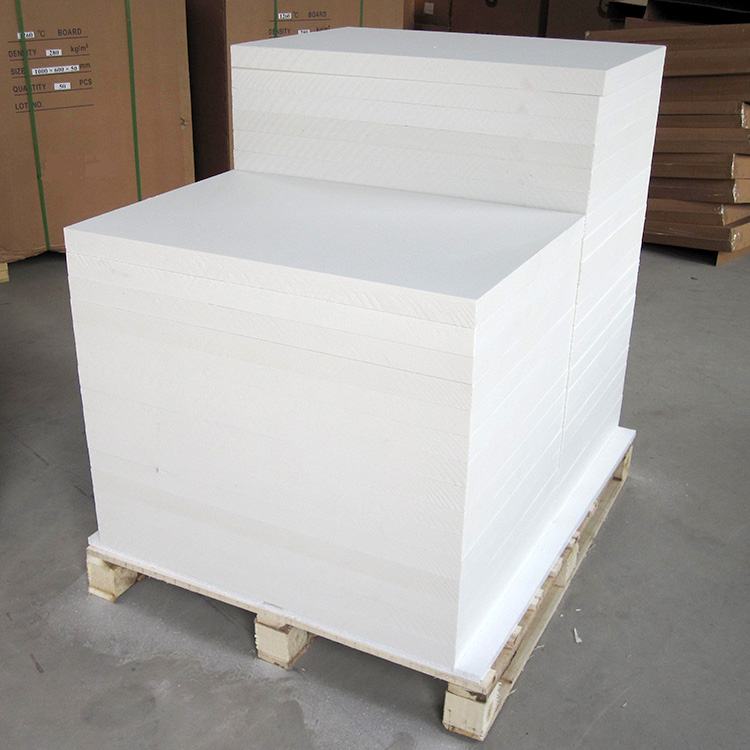
Reliability and global market acceptance hinge on strict adherence to quality benchmarks. The high-alumina insulating bricks discussed here conform with ISO 12672 and ASTM C610 standards, ensuring resistance to high-temperature thermal shock, chemical attacks, and mechanical wear. These certifications empower manufacturers and end-users with confidence in performance consistency, crucial for exporting and international project deployment.