


.png?x-oss-process=image/resize,h_100,m_lfit/format,webp)
.png?x-oss-process=image/resize,h_100,m_lfit/format,webp)
.png?x-oss-process=image/resize,h_100,m_lfit/format,webp)
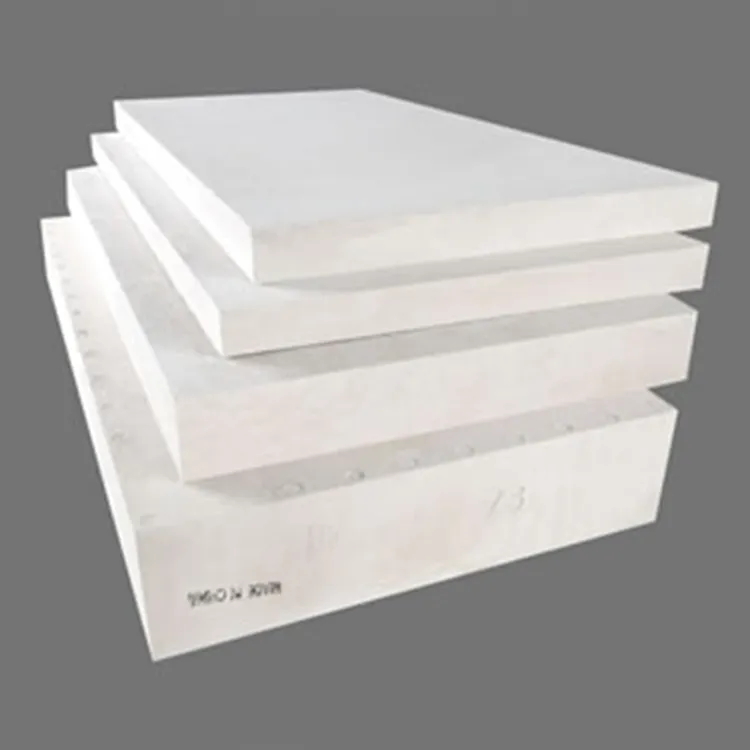
You're not alone—if your ceramic kiln or steel ladle furnace is developing cracks after repeated thermal cycling, it’s likely not about operator error. In fact, over 90% of plant engineers miss the real culprit: poor thermal shock resistance in refractory materials.
“Thermal stress from rapid heating and cooling causes microcracks that grow into macro failures—especially when using standard high-alumina bricks without optimized phase composition.” — Dr. Lin Wei, Refractory Materials Specialist at NIST
1. Ignoring Thermal Shock Resistance: Standard bricks crack under 50+ start-stop cycles because they can’t handle sudden temperature shifts. The key? High-density 莫来石 (mullite) and 刚玉 (alumina) phases that resist expansion-induced stress.
2. Misjudging Operating Temperature: Many assume "1500°C rated" means safe for continuous use—but creep deformation begins at ~1400°C. Our lab tests show a 30% faster degradation rate if you exceed 1450°C for more than 6 hours daily.
3. Mismatched Expansion Coefficients: When brick and lining don't expand uniformly, interfaces peel off—leading to gas leaks and energy loss. This happens especially in multi-layer furnaces where layer-specific properties are ignored.
Our proprietary formulation uses >70% mullite + alumina as primary crystalline phases—not just filler. This structure ensures minimal dimensional change even at 1650°C, with no visible warping after 1,000+ thermal cycles. That’s why we see up to 40% longer service life in real-world applications like glass melting tanks and sintering ovens.
👉 Quick Field Check: If you notice network-like surface cracks or flaking on your current bricks—especially near burner zones—your material may be failing due to inadequate thermal shock performance. Don’t wait until a full shutdown!
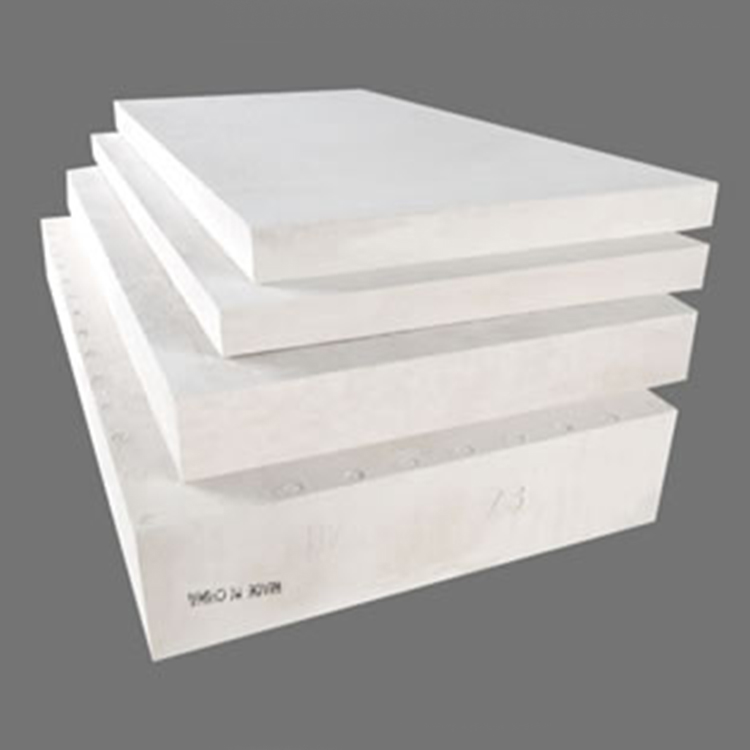
It’s time to stop treating furnace failure as an unavoidable cost of production. With smarter refractory selection—based on actual thermal behavior, not just price—you’ll reduce downtime, improve safety, and cut fuel consumption by up to 12% annually.
Ready to optimize your furnace lining strategy? We’ve helped over 150 industrial clients extend their furnace lifespan by 2–3 years using layered brick systems tailored to each zone’s thermal profile.
Discover how to match the right brick type to every layer—from hot face to insulation—for maximum durability and efficiency.
Download the Guide →