

.png?x-oss-process=image/resize,h_100,m_lfit/format,webp)
.png?x-oss-process=image/resize,h_100,m_lfit/format,webp)
.png?x-oss-process=image/resize,h_100,m_lfit/format,webp)

In the pursuit of energy - efficient industrial solutions, high - alumina insulating bricks with a porous structure have emerged as a game - changer in reducing energy consumption in industrial furnaces. This article delves into the technical details of how this unique material design can significantly cut down on energy usage in industrial settings.
The core of high - alumina insulating bricks lies in their porous structure. The microscopic design of these bricks is a marvel of material science. The pores are carefully engineered to create a physical thermal resistance mechanism. The tiny pores within the brick act as barriers to heat transfer. As heat tries to pass through the brick, it has to navigate through these pores, which significantly slows down the heat flow. This is similar to how a maze would slow down the movement of an object trying to pass through it.
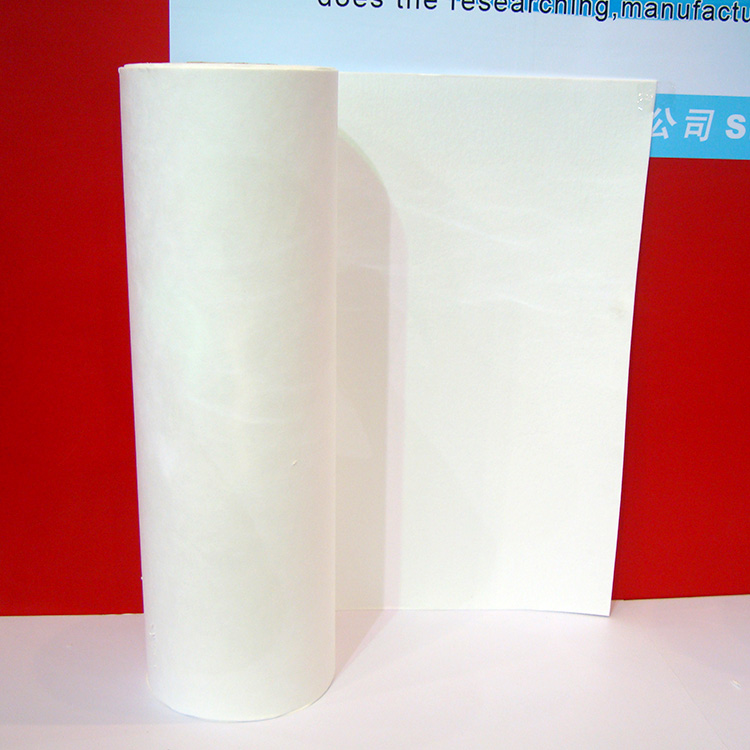
Porosity plays a crucial role in the performance of high - alumina insulating bricks. As the porosity increases, the thermal conductivity of the brick decreases. A study has shown that for every 10% increase in porosity, the thermal conductivity can drop by up to 15%. This means that heat is less likely to transfer through the brick, resulting in less heat loss from the industrial furnace. Moreover, a higher porosity also leads to a reduction in the furnace body's heat capacity. A lower heat capacity means that the furnace requires less energy to reach and maintain the desired operating temperature. In some cases, the heat capacity of a furnace lined with high - alumina insulating bricks can be reduced by 20 - 30% compared to traditional bricks.
| Porosity Increase | Thermal Conductivity Reduction | Heat Capacity Reduction |
|---|---|---|
| 10% | Up to 15% | N/A |
| N/A | N/A | 20 - 30% |
Let's take the ceramic firing tunnel kiln as an example. In a ceramic factory, after replacing traditional bricks with high - alumina insulating bricks, the energy consumption of the tunnel kiln decreased by 18%. This reduction in energy consumption led to significant cost savings for the factory. Over a year, the factory was able to save approximately $50,000 in energy costs. This shows the real - world economic benefits of using high - alumina insulating bricks.

These high - alumina insulating bricks comply with ISO and ASTM international refractory material standards. This compliance ensures that the products meet the highest quality requirements in the global market. The international standards act as a guarantee of the product's performance, durability, and safety. For export - oriented industries, using products that meet these standards can enhance their competitiveness in the international market.
Q: Can high - alumina insulating bricks maintain their mechanical strength with a high porosity?
A: Yes, through advanced manufacturing techniques, high - alumina insulating bricks can maintain sufficient mechanical strength even with a high porosity. This allows them to be used in industrial furnaces without the risk of structural failure.
Q: How long does it take to see the energy - saving effects after installation?
A: In most cases, the energy - saving effects can be observed within a few weeks of installation. However, the full economic benefits may take a few months to a year to fully materialize, depending on the operating hours of the industrial furnace.
If you are an engineering technician or a procurement decision - maker looking for energy - efficient solutions for industrial furnaces, high - alumina insulating bricks are an excellent choice. To learn more about the energy - saving principles and application values of high - alumina insulating bricks, click here to download our technical whitepaper or contact us for a detailed consultation.