

.png?x-oss-process=image/resize,h_100,m_lfit/format,webp)
.png?x-oss-process=image/resize,h_100,m_lfit/format,webp)
.png?x-oss-process=image/resize,h_100,m_lfit/format,webp)
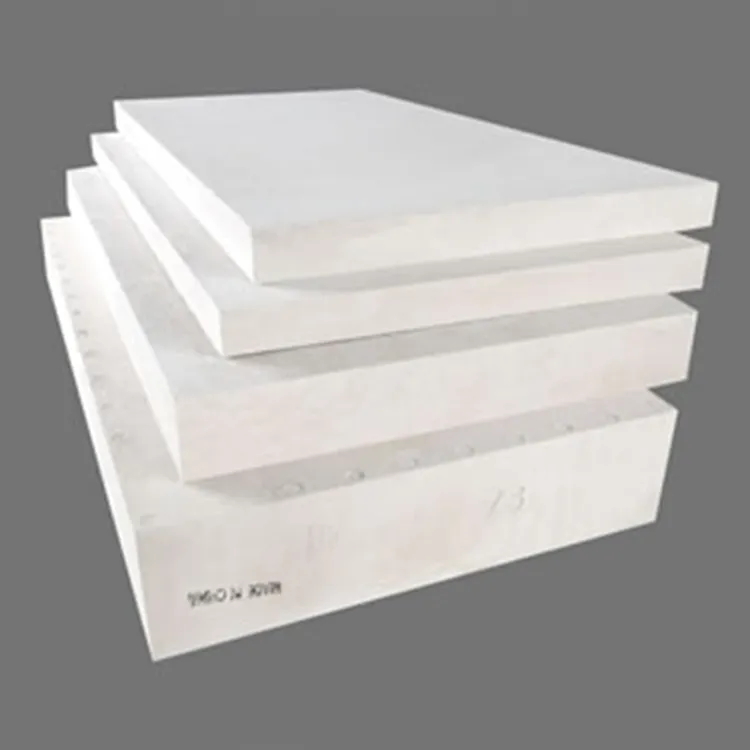
Have you ever wondered why your high - temperature furnace has a shorter lifespan than expected? It turns out that 90% of enterprises overlook some crucial mistakes in refractory material selection. In this article, we'll delve into the key points of thermal shock resistance and thermal expansion matching, which are often misunderstood.
Let's start with a real - life case. Many times, when there are problems with furnace operation, we often blame it on improper operation. However, the root cause might be the wrong selection of refractory materials. Just like a car engine needs the right oil, a furnace needs the right refractory materials to function properly.
There are three major technical blind spots that can significantly affect the lifespan of your furnace. First, insufficient thermal shock resistance can cause the furnace to crack during repeated start - stop cycles. Second, if the long - term operating temperature exceeds the material's limit, it can lead to softening and deformation. Third, a mismatch in thermal expansion can result in the detachment of the interface between different materials.
According to industry data, about 30% of furnace failures are due to thermal shock, 25% are caused by over - temperature, and 20% are related to thermal expansion mismatch.
In different industrial scenarios, such as ceramic firing kilns and steel - making converters, the configuration of refractory bricks varies. For example, in a ceramic firing kiln, where the temperature changes frequently, materials with high thermal shock resistance are needed. In a steel - making converter, which operates at extremely high temperatures for a long time, materials with high - temperature stability are crucial.
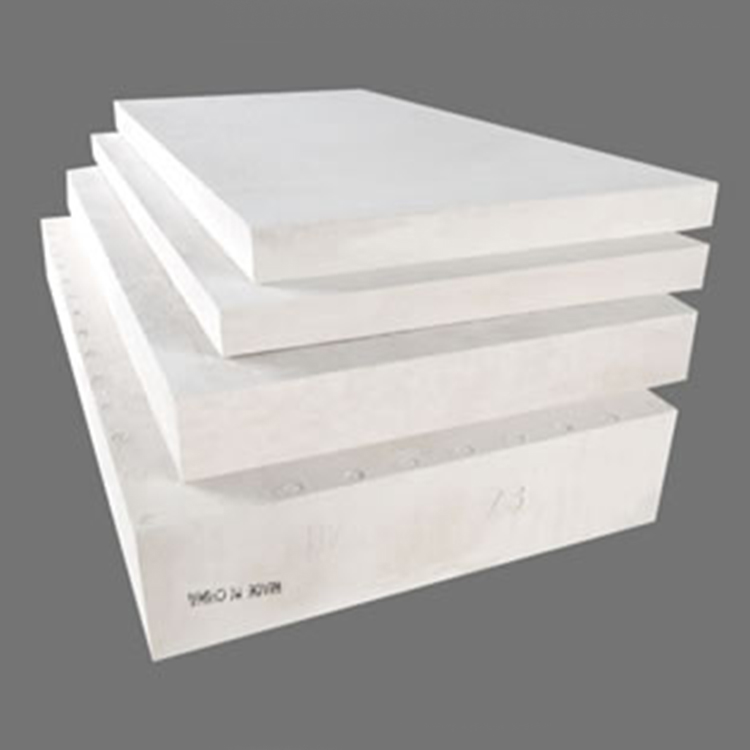
Take high - alumina insulating bricks as an example. The main crystal phases of mullite and corundum in these bricks provide excellent high - temperature stability and creep resistance. It's like having a strong shield that protects the furnace from the harsh high - temperature environment. The mullite and corundum structure can effectively prevent the bricks from deforming under high - temperature and high - pressure conditions.
You don't need to be a professional to evaluate the suitability of refractory materials. A simple way is to observe the surface of the bricks. If there are net - like cracks or peeling marks on the brick surface, it may indicate that the material is not well - matched with your furnace. This is a quick and easy way to make a preliminary assessment.
Don't let wrong material selection shorten the lifespan of your furnace! By understanding these key points, you can avoid common pitfalls, extend the furnace life, and improve energy - saving efficiency. This knowledge can also help you save a significant amount of energy costs in the long run.