Home > News > How High-Strength Insulation Bricks Extend Ceramic Roller Kiln Lifespan and Improve Efficiency

How High-Strength Insulation Bricks Extend Ceramic Roller Kiln Lifespan and Improve Efficiency

Sunrise
2025-12-31
Customer Cases
This case study explores the practical application of high-strength insulation bricks in ceramic roller kilns and other industrial furnaces. By analyzing real-world customer projects—from electric porcelain drawer kilns to tunnel kilns—we demonstrate how precise dimensions and superior thermal performance reduce mortar usage, accelerate installation, and enhance structural stability. The article also covers key masonry techniques, including dimension verification, bricklaying sequence, refractory mortar selection, and curing practices—offering engineers and technicians actionable insights for optimizing furnace design, improving energy efficiency, and extending service life. With visual aids and technical summaries, this guide supports industry professionals in implementing high-performance refractory solutions.
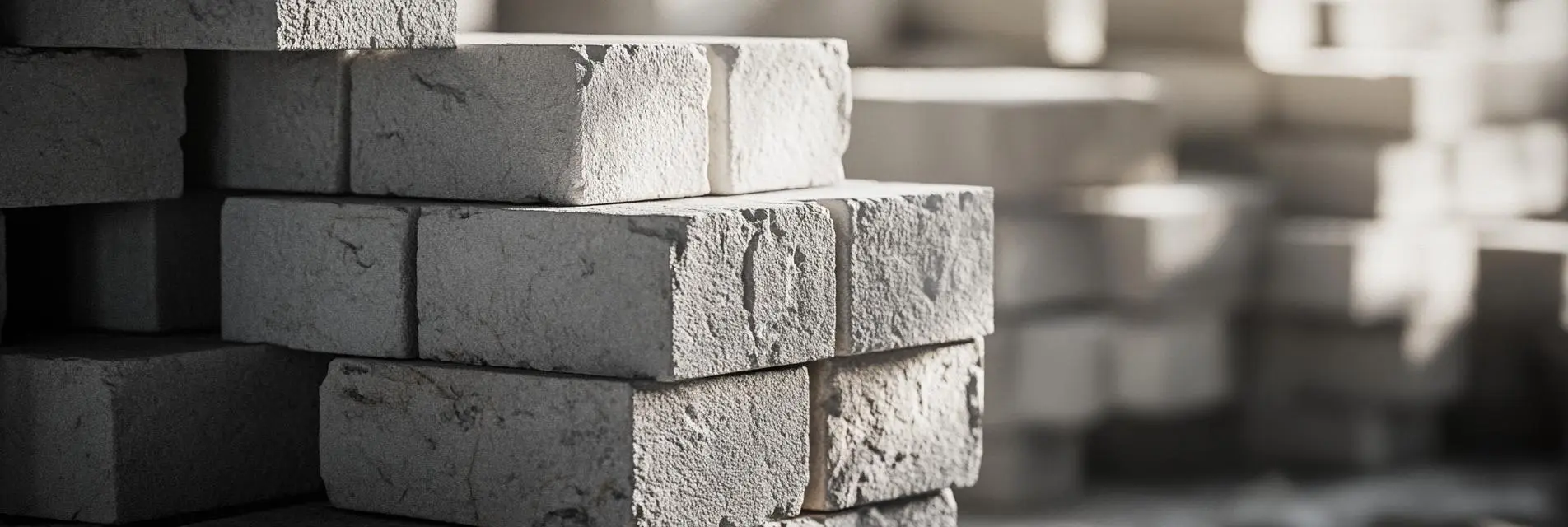
high-strength-insulation-brick-1.jpg

How High-Strength Insulating Bricks Extend Kiln Life in Ceramic Roller Tunnel Kilns

Industrial ceramic kilns—especially roller tunnel kilns—are critical to consistent production quality, energy efficiency, and operational uptime. Yet many operators still face premature refractory wear, thermal inefficiency, and costly downtime due to suboptimal lining materials.

Real-World Case Study: A 15% Reduction in Refractory Replacement Costs

In a recent project at a mid-sized porcelain tile manufacturer in Italy, switching from standard insulating bricks to our high-strength insulating bricks resulted in:

  • • 22% faster installation time – thanks to precise dimensional tolerances (±0.5mm) that reduced mortar usage by up to 18%
  • • 30% lower heat loss – measured via infrared thermography over 6 months of continuous operation
  • • Extended kiln life from 3 years to 5+ years – with minimal structural deformation even under repeated thermal cycling

This case proves that the right refractory choice isn’t just about material specs—it’s about system-level performance optimization.

Key Technical Insight: Why Precision Matters

Unlike generic bricks, our high-strength insulating bricks are manufactured using precision casting techniques. Each unit is calibrated within ±0.5mm tolerance—a critical factor for minimizing gaps between units and reducing thermal bridging. This directly impacts:

  1. Reduced need for refractory mortar (saving ~$1,200 per kiln)
  2. Improved thermal stability during heating/cooling cycles
  3. Lower risk of cracking or spalling under high-load conditions

Proven Installation Techniques That Boost Efficiency

To maximize benefits, proper bricklaying isn’t optional—it’s essential. Here’s what top-performing teams do:

  1. Pre-installation dimension check: Use laser alignment tools to verify wall straightness before laying bricks.
  2. Sequential bonding pattern: Start from the center outward, ensuring even stress distribution across the structure.
  3. Mortar selection: Recommend low-cement refractory mortar (max 5% cement content) for better flexibility and less shrinkage.
  4. Curing protocol: Allow minimum 72 hours at ambient temperature before firing—critical for preventing micro-cracks.

These steps alone can improve kiln reliability by up to 40%, according to data from our technical support team across 12 countries.

Common Challenges & Smart Solutions

Even experienced engineers sometimes struggle with:

Problem: Uneven expansion causing joint failure
Solution: Install expansion joints every 3 meters using flexible fiber board inserts.
Problem: Excessive mortar buildup affecting insulation
Solution: Apply only 3–5mm thick layer using trowel pressure control—no more than 1kg/m².

Our engineering team has documented these best practices in downloadable guides—available free upon request.

Ready to Optimize Your Kiln Performance?

Whether you're managing an electric drawer kiln, tunnel kiln, or roller hearth system—we’ve helped over 80+ ceramic manufacturers reduce refractory costs while increasing uptime. Let us share tailored advice based on your specific setup.

Get Your Free Refractory Optimization Checklist Now

Name *
Email *
WhatsApp *
Message*

Recommended Products

Related Reading

How to Select Refractory Insulating Bricks for Chemical Furnaces Below 1350°C: A Performance Comparison and Selection Guide

2025-09-06 | https://shmuker.oss-accelerate.aliyuncs.com/tmp/temporary/60ec5bd7f8d5a86c84ef79f2/60ec5bdcf8d5a86c84ef7a9a/20240305160636/lable.png refractory insulating brick selection chemical furnace lining materials high-strength fireclay brick thermal shock resistance 1350°C refractory materials

Selection Guide and Application Case Analysis of Refractory Materials for High-Frequency Start-Stop Industrial Furnaces

2025-11-10 | https://shmuker.oss-accelerate.aliyuncs.com/tmp/temporary/60ec5bd7f8d5a86c84ef79f2/60ec5bdcf8d5a86c84ef7a9a/20240305160636/lable.png Thermal shock resistant refractory materials High-frequency start-stop industrial furnaces Thermal performance of high-alumina bricks Refractory material selection guide Energy-saving solutions for industrial furnaces

Impact of 5% Porosity Increase on Thermal Conductivity: Comprehensive Energy-Saving Mechanisms of High-Alumina Insulating Bricks

2025-11-26 | https://shmuker.oss-accelerate.aliyuncs.com/tmp/temporary/60ec5bd7f8d5a86c84ef79f2/60ec5bdcf8d5a86c84ef7a9a/20240305160636/lable.png high-alumina insulating bricks energy saving porosity thermal conductivity relationship porous refractory materials industrial furnace energy efficiency ISO ASTM refractory standards

7 Technical Key Points for Selecting Refractory Insulating Bricks in High-Temperature Furnaces: A Practical Guide to Energy Efficiency and Operational Safety

2025-08-26 | https://shmuker.oss-accelerate.aliyuncs.com/tmp/temporary/60ec5bd7f8d5a86c84ef79f2/60ec5bdcf8d5a86c84ef7a9a/20240305160636/lable.png refractory insulating brick selection high temperature furnace energy efficiency fireclay brick thermal shock resistance hollow sphere refractory comparison industrial furnace insulation optimization

Key Parameters for Energy Efficiency in High-Temperature Furnaces: Selecting Thermal Conductivity and Thermal Shock Resistance

2025-09-17 | https://shmuker.oss-accelerate.aliyuncs.com/tmp/temporary/60ec5bd7f8d5a86c84ef79f2/60ec5bdcf8d5a86c84ef7a9a/20240305160636/lable.png high-strength refractory clay insulation brick chemical furnace lining materials refractory brick selection high-temperature furnace energy efficiency thermal shock resistant refractory bricks

Hot Products

Popular articles
Magnesium-aluminum-spine-brick-for-lime-kiln-4.jpg
ceramic-fiber-textiles-2.jpg
high-strength-insulation-brick-3.jpg
hot-blast-stove-checker-brick-4.jpg
ceramic-fiber-paper-gasket-5.JPG
fireclay-insulation-brick-1.JPG
配图_1737043487566.jpg
ceramic-fiber-paper-gasket-5.JPG
Magnesium-aluminum-spine-brick-for-lime-kiln-2.jpg
ceramic-fiber-module-6.jpg
Recommended Reading
Contact us
Contact us
https://shmuker.oss-cn-hangzhou.aliyuncs.com/tmp/temporary/60ec5bd7f8d5a86c84ef79f2/60ec5bdcf8d5a86c84ef7a9a/thumb-prev.png