

.png?x-oss-process=image/resize,h_100,m_lfit/format,webp)
.png?x-oss-process=image/resize,h_100,m_lfit/format,webp)
.png?x-oss-process=image/resize,h_100,m_lfit/format,webp)

In today's competitive industrial landscape, energy efficiency isn't just a buzzword—it's a critical factor that directly impacts your bottom line. Are you struggling with rising energy costs in your kiln operations? Have you noticed uneven temperature distribution affecting product quality? The solution might lie in an often-overlooked component: your refractory lining.
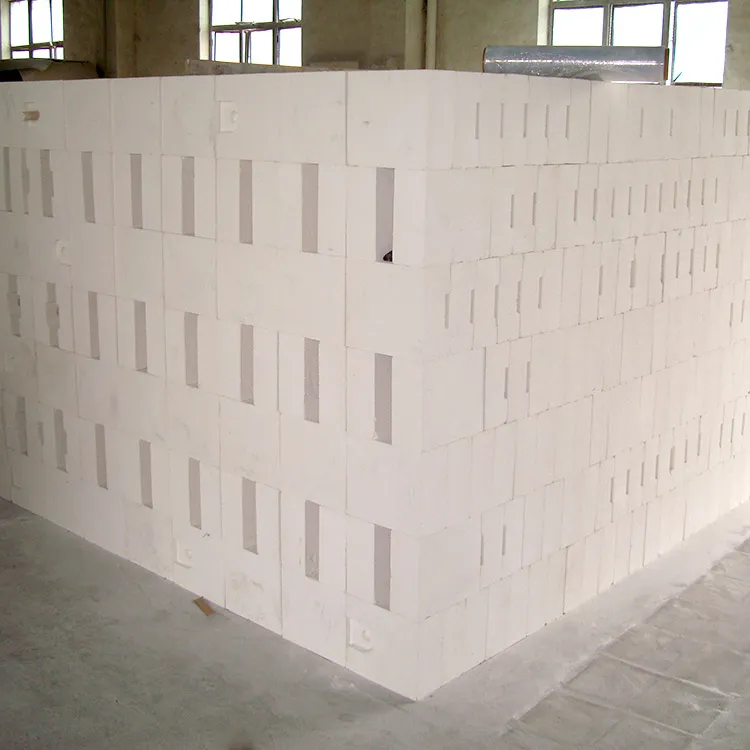
The performance of industrial kilns hinges significantly on the quality of refractory materials used. Sunrise high-strength insulating fire bricks represent a leap forward in refractory technology, combining进口板状刚玉(imported tabular alumina) with fused alumina to create a material that redefines industry standards.
Key Technical Advantages:
This unique formulation creates a material that not only withstands extreme temperatures but also provides superior insulation properties. The secret lies in the carefully controlled particle size distribution and the synergistic effect between the raw materials, resulting in a brick that offers both structural integrity and thermal efficiency.
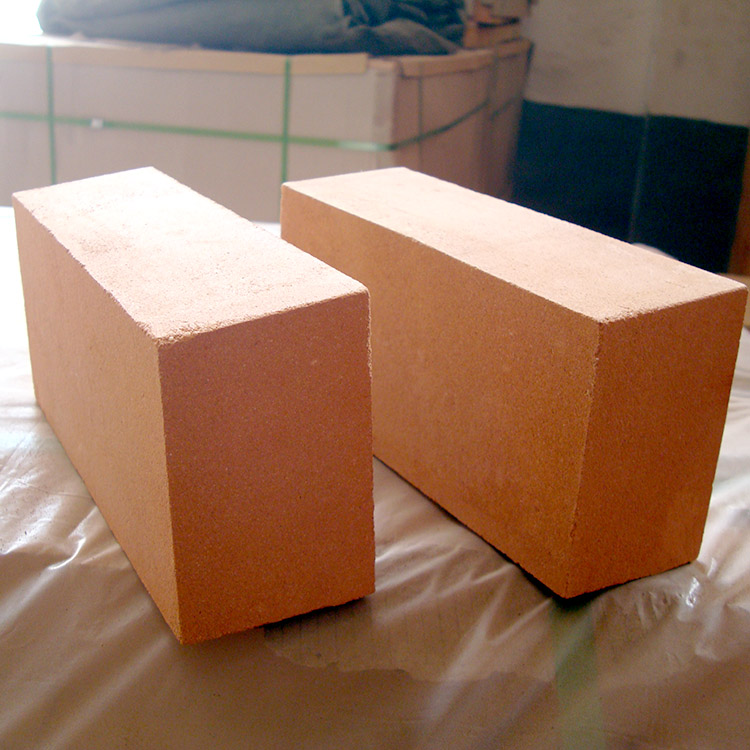
While premium raw materials form the foundation, it's the advanced manufacturing processes that truly set Sunrise insulating fire bricks apart. The integration of ultra-fine powder addition technology with high-temperature shuttle kiln sintering creates a product with exceptional density and stability.
| Manufacturing Stage | Process Innovation | Resulting Benefit |
|---|---|---|
| Raw Material Preparation | Ultra-fine powder addition (≤5μm particles) | Improved particle packing density and reduced porosity |
| Forming Process | Isostatic pressing at 150 MPa | Uniform density throughout the brick structure |
| Sintering | Precision temperature control in shuttle kilns | Consistent microstructure and predictable performance |
The result of these advanced manufacturing techniques is a refractory brick that maintains its structural integrity even under cyclic temperature changes, significantly reducing the risk of thermal shock failure—a common issue in traditional refractory materials.
While technical specifications are important, what truly matters is how these bricks translate into tangible benefits for your operations. The low thermal conductivity of Sunrise insulating fire bricks directly translates to energy savings of 20-30% compared to conventional refractory linings.
Consider this: a typical ceramic roller kiln operating 24/7 can save up to $50,000 annually in energy costs by switching to Sunrise high-strength insulating fire bricks. These savings come without compromising on performance or durability.
In a recent installation at a major ceramic manufacturer, Sunrise insulating fire bricks reduced kiln preheating time by 25% while maintaining more uniform temperature distribution. This resulted in:
Today's industrial operations face increasing pressure to reduce environmental impact while maintaining productivity. Sunrise high-strength insulating fire bricks address both concerns simultaneously. Our manufacturing process adheres to strict international environmental standards, and the products themselves contribute to sustainable operations through:
These environmental credentials have earned Sunrise products recognition in markets worldwide, from Europe to North America and Southeast Asia. International customers consistently cite the combination of performance, durability, and environmental responsibility as key factors in their purchasing decisions.
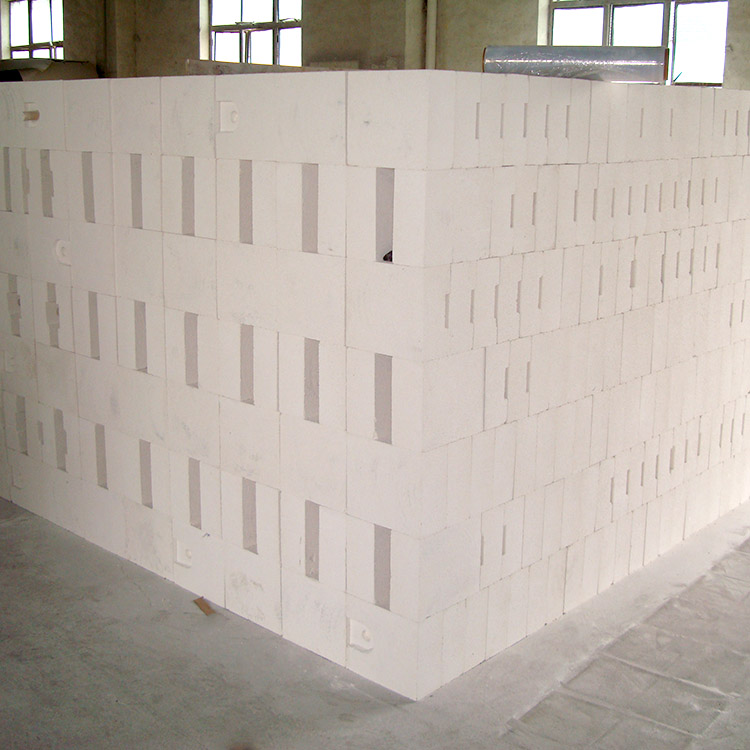
Wondering if Sunrise high-strength insulating fire bricks are the right investment for your operations? Consider these questions:
If you answered "yes" to any of these questions, it might be time to evaluate your refractory system. The typical return on investment for upgrading to Sunrise high-strength insulating fire bricks ranges from 12 to 24 months, depending on kiln type and operating conditions.
Download our comprehensive technical whitepaper and discover how Sunrise high-strength insulating fire bricks can reduce your energy costs while improving performance.
Get Your Free Technical Whitepaper NowMaking the switch to advanced refractory materials is more than just a maintenance decision—it's a strategic investment in your company's efficiency, sustainability, and competitive advantage. With Sunrise high-strength insulating fire bricks, you're not just purchasing a product; you're partnering with a provider committed to helping you achieve operational excellence in an increasingly challenging industrial landscape.
 high-strength insulation bricks
ceramic roller kiln
refractory material application
industrial kiln construction
energy-efficient refractory brick
refractory brick cracking causes
thermal stress damage prevention
chemical furnace maintenance
refractory brick thermal shock resistance
refractory lining inspection
high-temperature furnace energy efficiency
refractory clay insulation bricks
furnace lining insulation design
thermal shock resistance
insulation layer construction techniques
High - strength refractory clay insulation bricks
Chemical furnace lining materials
Refractory insulation brick selection
Thermal shock resistant refractory bricks
1350 - degree refractory materials
thermal shock resistant refractory materials
high alumina bricks thermal properties
corundum bricks comparison
intermittent industrial furnace refractory
annealing furnace refractory selection
high-strength insulation bricks
ceramic roller kiln
refractory material application
industrial kiln construction
energy-efficient refractory brick
refractory brick cracking causes
thermal stress damage prevention
chemical furnace maintenance
refractory brick thermal shock resistance
refractory lining inspection
high-temperature furnace energy efficiency
refractory clay insulation bricks
furnace lining insulation design
thermal shock resistance
insulation layer construction techniques
High - strength refractory clay insulation bricks
Chemical furnace lining materials
Refractory insulation brick selection
Thermal shock resistant refractory bricks
1350 - degree refractory materials
thermal shock resistant refractory materials
high alumina bricks thermal properties
corundum bricks comparison
intermittent industrial furnace refractory
annealing furnace refractory selection


.jpg?x-oss-process=image/resize,h_800,m_lfit/format,webp)