

.png?x-oss-process=image/resize,h_100,m_lfit/format,webp)
.png?x-oss-process=image/resize,h_100,m_lfit/format,webp)
.png?x-oss-process=image/resize,h_100,m_lfit/format,webp)

In the manufacturing of low thermal conductivity insulation refractory bricks, the selection of raw materials is crucial. High - purity fused corundum and imported tabular corundum are chosen as the main raw materials. High - purity fused corundum has a purity of over 99%, which provides excellent high - temperature resistance. Its crystal structure is stable, and it can maintain its physical and chemical properties even at extremely high temperatures. Imported tabular corundum, on the other hand, has a unique plate - like crystal structure, which endows the refractory bricks with good thermal shock resistance. According to industry research, the use of these two materials together can increase the overall performance of the refractory bricks by about 30% compared to using single - type corundum.
The addition of ultrafine powder technology is another key factor. The ultrafine powder can fill the tiny gaps between the corundum particles, making the structure of the refractory bricks more compact. This not only improves the density of the bricks but also enhances their thermal insulation performance. The high - temperature shuttle kiln precision sintering process is also essential. The temperature in the high - temperature shuttle kiln can be precisely controlled within a range of ±5°C, ensuring that the refractory bricks are sintered uniformly and have stable performance.
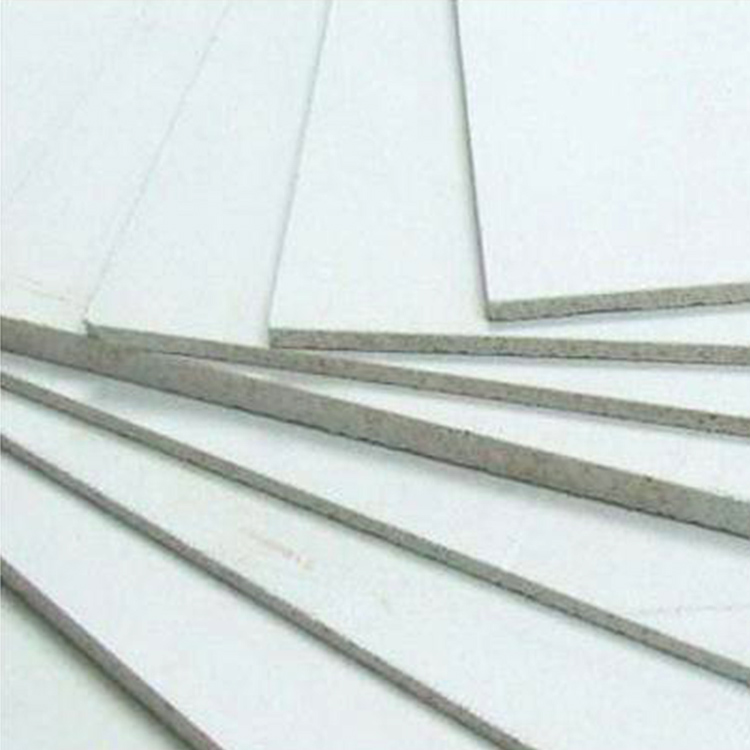
These low thermal conductivity insulation refractory bricks have a high refractoriness, with a melting point of over 2000°C. This high refractoriness allows them to be used in extremely high - temperature industrial environments, such as in the lining of industrial kilns. In contrast, ordinary refractory bricks may start to deform or melt at temperatures above 1600°C, which seriously affects their service life and performance.
Thermal shock resistance is an important performance indicator for refractory bricks. The low thermal conductivity insulation refractory bricks can withstand rapid temperature changes without cracking or spalling. They can endure at least 50 thermal shock cycles from room temperature to 1000°C, which is much higher than the industry average of about 30 cycles. This excellent thermal shock resistance ensures the long - term stability of the kiln lining.
The precise brick dimensions play a significant role in improving the masonry efficiency and structural stability. The dimensional tolerance of these bricks is controlled within ±0.5mm. This high precision allows for a tight fit during the masonry process, reducing the gaps between bricks and improving the overall structural strength of the kiln lining. According to practical experience, the use of these precisely dimensioned bricks can increase the masonry efficiency by about 20%.
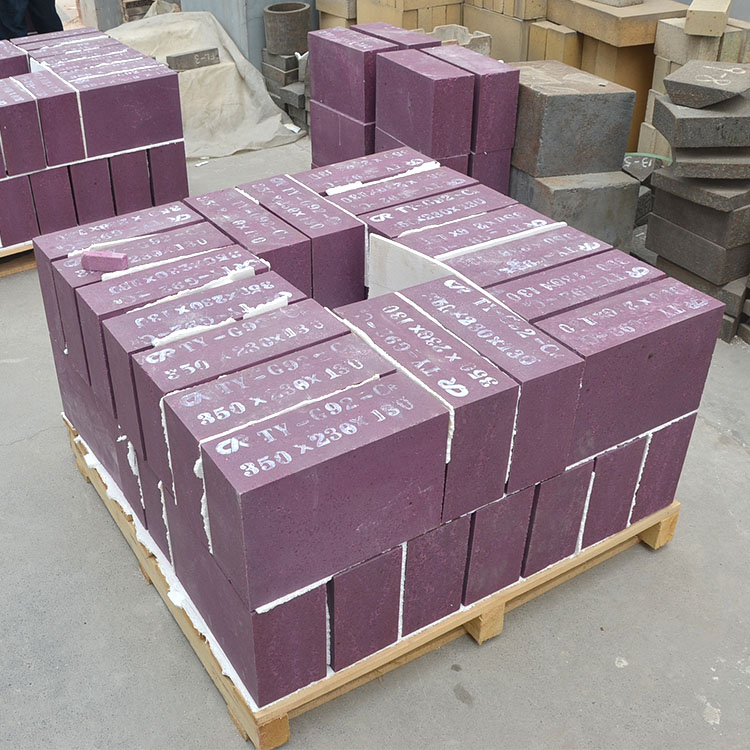
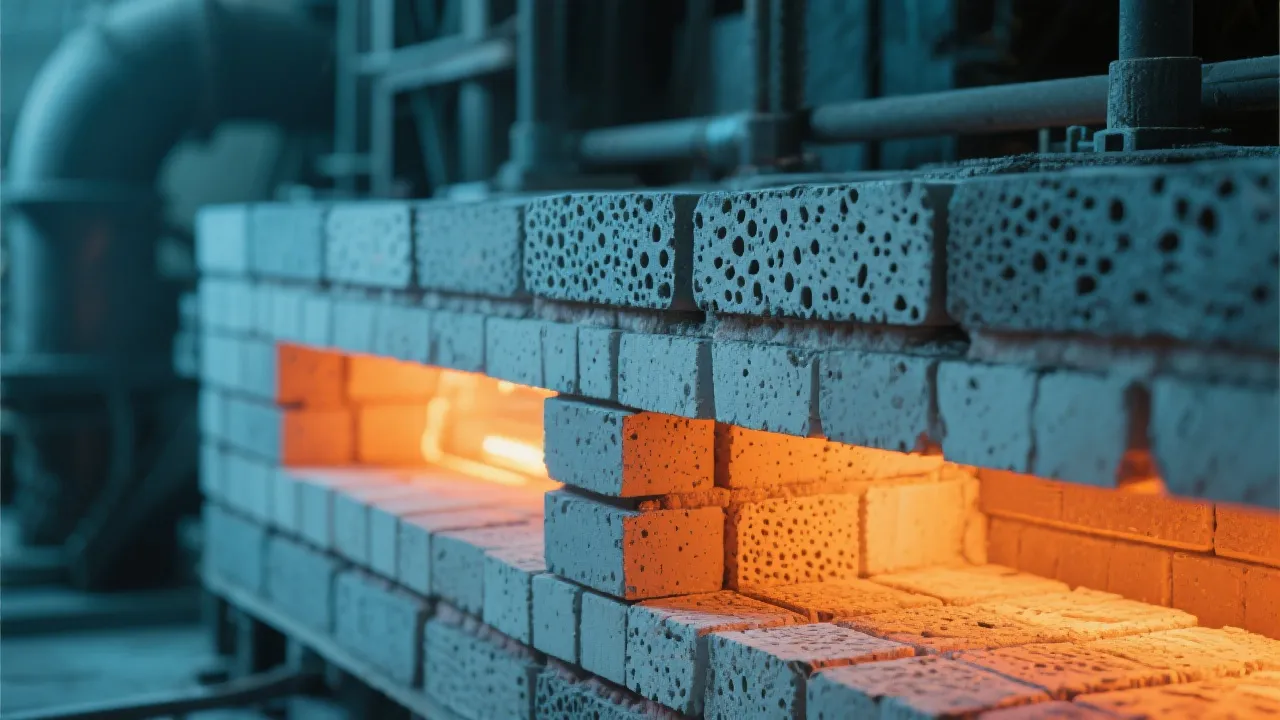
In petroleum cracking kilns, the low thermal conductivity insulation refractory bricks can effectively reduce heat loss. The thermal conductivity of these bricks is about 0.5 W/(m·K), which is significantly lower than that of traditional refractory bricks (about 1.0 W/(m·K)). This low thermal conductivity helps to maintain a high - temperature environment inside the kiln, improving the cracking efficiency. At the same time, the high refractoriness and thermal shock resistance of the bricks can extend the service life of the kiln lining from about 1 year to 2 - 3 years.
In metallurgical blast furnaces, the refractory bricks are exposed to high - temperature molten iron and slag. The low thermal conductivity insulation refractory bricks can resist the erosion of molten iron and slag due to their high - density structure. They can also improve the energy utilization efficiency of the blast furnace. By reducing heat loss, the energy consumption of the blast furnace can be reduced by about 15%, which brings significant economic benefits to the metallurgical industry.
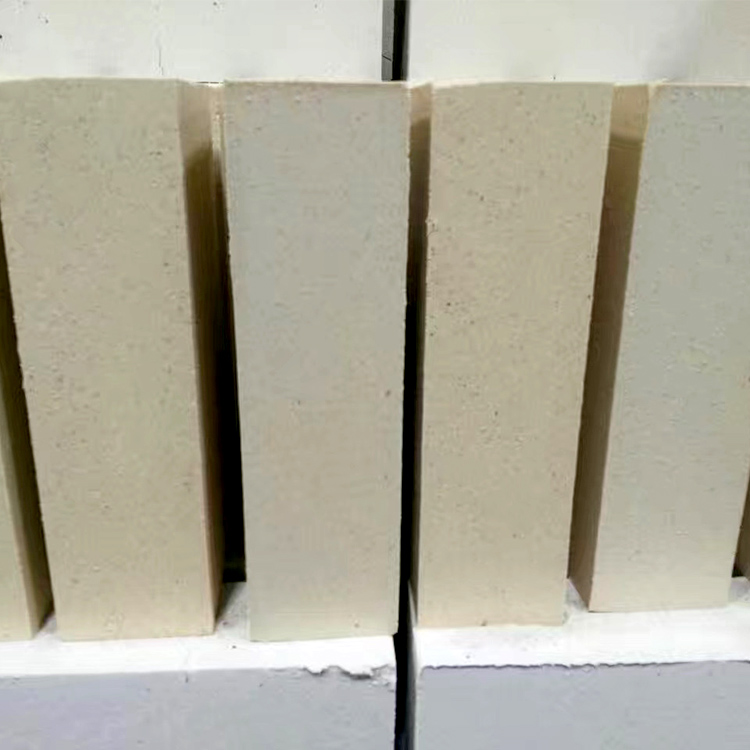
When selecting low thermal conductivity insulation refractory bricks, industrial users should consider factors such as the operating temperature, thermal shock frequency, and corrosion environment of the kiln. For high - temperature and high - thermal - shock environments, such as in steelmaking furnaces, the use of low thermal conductivity insulation refractory bricks with high refractoriness and excellent thermal shock resistance is recommended. In addition, users should also pay attention to the installation and maintenance of the refractory bricks to ensure their long - term performance.
If you are interested in learning more about our high - performance low thermal conductivity insulation refractory bricks or need technical support, please click here to contact us. Our professional team will provide you with detailed information and solutions.
 high-temperature furnace energy efficiency
refractory clay insulation bricks
furnace lining insulation design
thermal shock resistance
insulation layer construction techniques
refractory brick cracking causes
thermal stress damage prevention
chemical furnace maintenance
high - strength refractory clay insulation bricks
thermal shock performance
refractory brick cracking causes
thermal stress damage prevention
chemical furnace maintenance
thermal shock resistant refractory materials
early detection of refractory damage
low thermal conductivity refractory brick
high purity fused alumina
imported tabular alumina
industrial furnace insulation
refractory material technology
refractory material failure causes
high alumina insulating brick
thermal shock resistant refractories
steel converter lining optimization
refractory selection guide
high-temperature furnace energy efficiency
refractory clay insulation bricks
furnace lining insulation design
thermal shock resistance
insulation layer construction techniques
refractory brick cracking causes
thermal stress damage prevention
chemical furnace maintenance
high - strength refractory clay insulation bricks
thermal shock performance
refractory brick cracking causes
thermal stress damage prevention
chemical furnace maintenance
thermal shock resistant refractory materials
early detection of refractory damage
low thermal conductivity refractory brick
high purity fused alumina
imported tabular alumina
industrial furnace insulation
refractory material technology
refractory material failure causes
high alumina insulating brick
thermal shock resistant refractories
steel converter lining optimization
refractory selection guide



.jpg?x-oss-process=image/resize,h_800,m_lfit/format,webp)