

.png?x-oss-process=image/resize,h_100,m_lfit/format,webp)
.png?x-oss-process=image/resize,h_100,m_lfit/format,webp)
.png?x-oss-process=image/resize,h_100,m_lfit/format,webp)

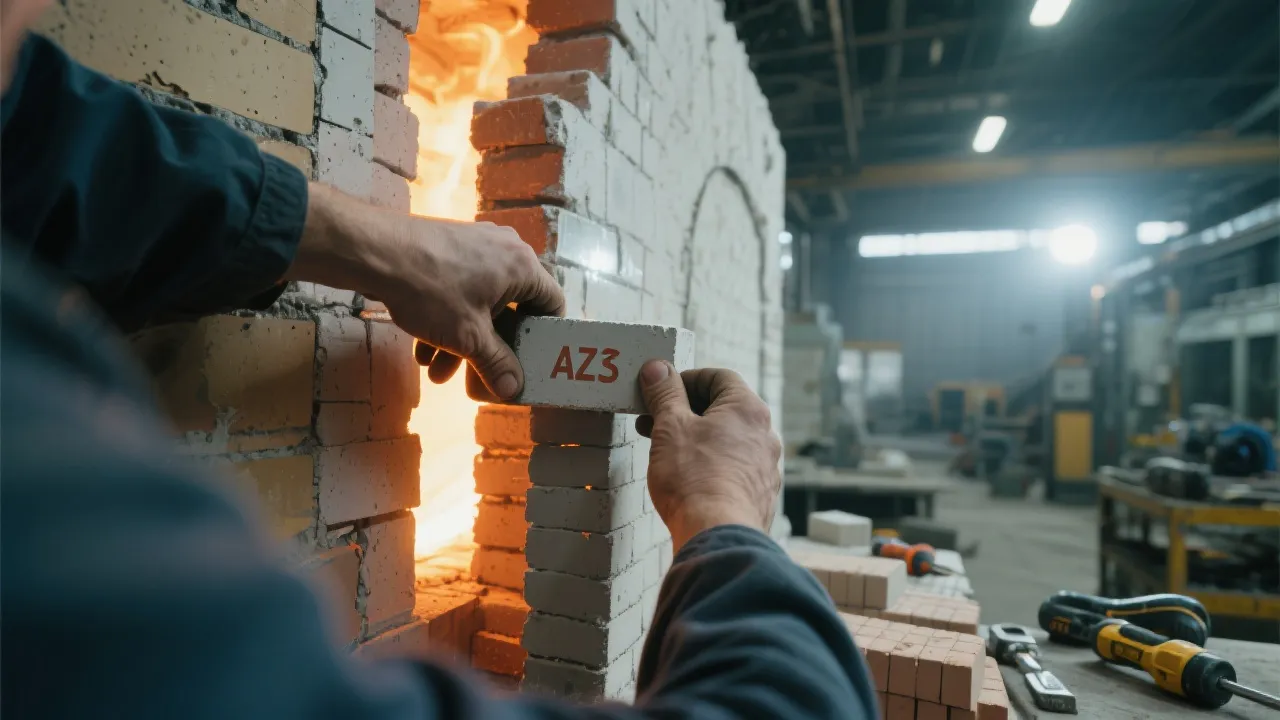
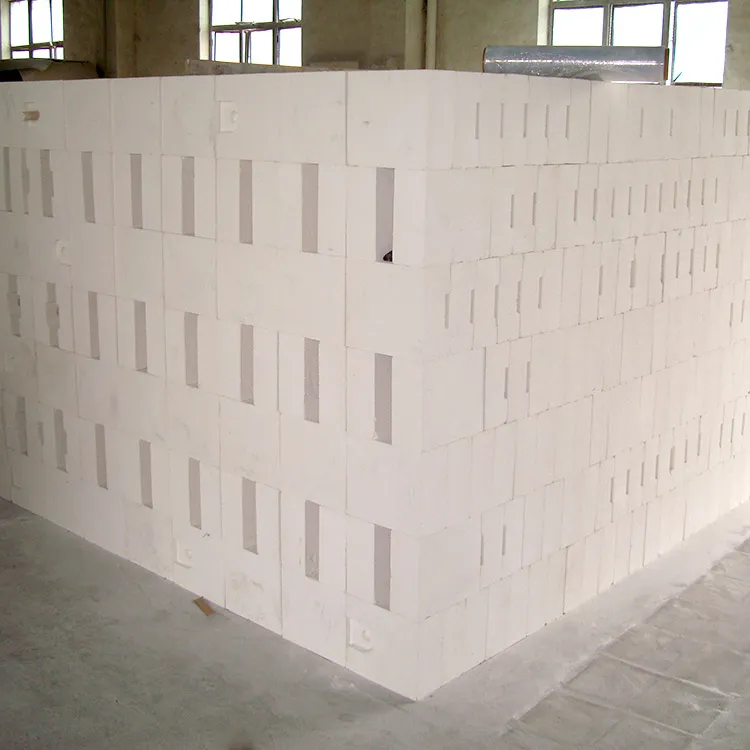
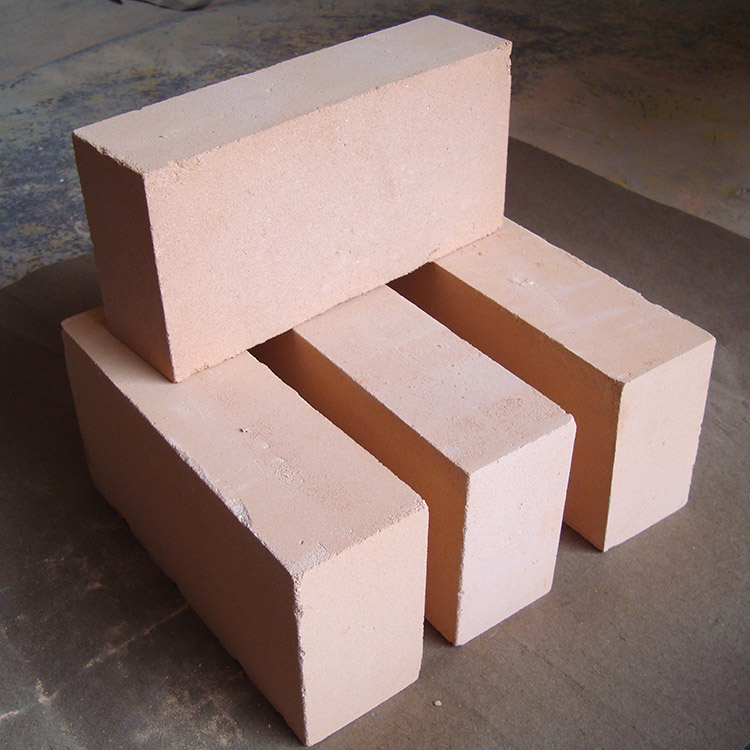
In the demanding world of metallurgy, furnace efficiency directly impacts production costs and environmental compliance. One key factor often overlooked is the insulation layer — specifically, the use of high-purity fused alumina insulating bricks in blast furnaces. Our latest case study shows a real-world improvement in both operational stability and energy savings across multiple industrial sites.
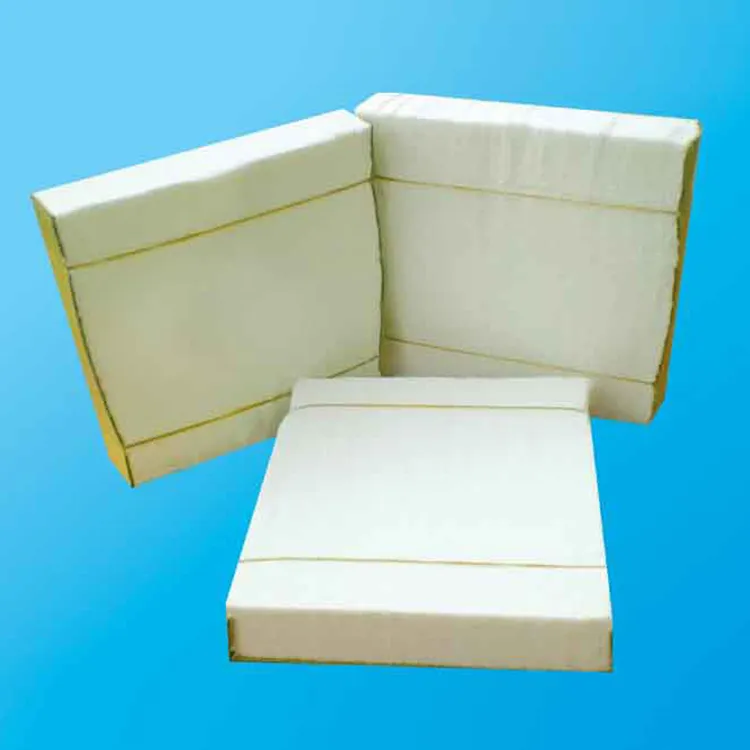
Traditional refractory linings degrade quickly under thermal cycling, leading to frequent shutdowns and increased maintenance costs. By contrast, our high-purity aluminas (≥99.5% Al₂O₃) are sourced from imported board-shaped alumina and processed through a precision shuttle kiln firing technique. This ensures consistent microstructure, minimal porosity, and exceptional resistance to thermal shock — critical for continuous operation at temperatures above 1,600°C.
Test data from a major steel plant in Southeast Asia confirms this: after replacing standard firebrick with our low-conductivity insulating brick (thermal conductivity ≤ 0.6 W/m·K at 1,000°C), furnace wall temperature dropped by up to 15%, reducing heat loss by an estimated 12%. Over one year, that translates to over 18,000 kWh saved per furnace — equivalent to ~$1,200 in electricity cost reduction per unit annually.
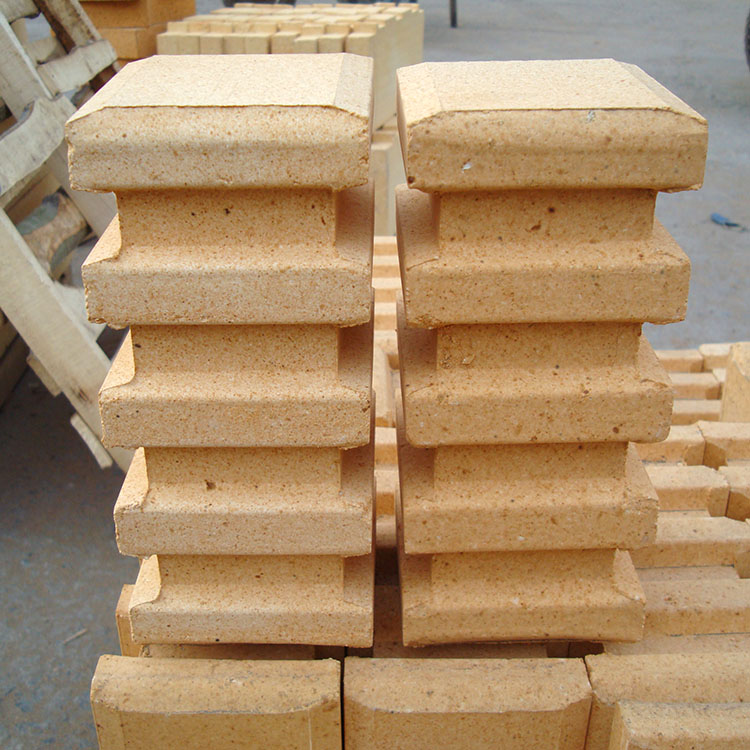
In another application at a petrochemical facility using fluidized bed cracking furnaces, we observed a 22% increase in refractory lining life — from 18 months to over 22 months — simply by switching to our engineered brick system. The improved dimensional accuracy (±0.5 mm tolerance) reduced mortar usage by 15%, speeding up installation time and minimizing structural stress points.
What makes these results sustainable? It’s not just material science — it’s design thinking. Each brick is tailored to specific operating conditions: whether it's a vertical hot zone or a horizontal flue area, our engineers match thermal profiles with mechanical strength parameters to ensure long-term performance without compromise.
For industrial buyers seeking reliable, measurable improvements in furnace uptime and energy efficiency, choosing the right insulating brick isn't optional — it's strategic. Whether you're managing a single blast furnace or scaling up a new smelting line, investing in quality materials pays dividends beyond the initial cost.
Get expert guidance on selecting the ideal insulating brick for your specific process — backed by real data, proven installations, and dedicated technical support.
Download Application Guide & Technical Brochure
 high-temperature kiln energy saving
refractory clay insulating bricks
kiln insulation construction techniques
heat loss reduction in furnaces
energy-efficient refractory materials
refractory brick cracking causes
thermal stress damage prevention
chemical furnace maintenance
high - strength refractory clay insulation bricks
thermal shock performance
High - strength refractory clay insulation bricks
Chemical furnace lining materials
Refractory insulation brick selection
Thermal shock resistant refractory bricks
1350 - degree refractory materials
High-alumina insulation energy-saving
Porous structure refractory materials
Industrial furnace energy conservation
Reduction of refractory brick heat capacity
ISO ASTM refractory standards
petrochemical cracking furnace refractory materials
low thermal conductivity insulating bricks
industrial furnace energy saving
high-purity fused corundum
refractory brick technical advantages
high-temperature kiln energy saving
refractory clay insulating bricks
kiln insulation construction techniques
heat loss reduction in furnaces
energy-efficient refractory materials
refractory brick cracking causes
thermal stress damage prevention
chemical furnace maintenance
high - strength refractory clay insulation bricks
thermal shock performance
High - strength refractory clay insulation bricks
Chemical furnace lining materials
Refractory insulation brick selection
Thermal shock resistant refractory bricks
1350 - degree refractory materials
High-alumina insulation energy-saving
Porous structure refractory materials
Industrial furnace energy conservation
Reduction of refractory brick heat capacity
ISO ASTM refractory standards
petrochemical cracking furnace refractory materials
low thermal conductivity insulating bricks
industrial furnace energy saving
high-purity fused corundum
refractory brick technical advantages