

.png?x-oss-process=image/resize,h_100,m_lfit/format,webp)
.png?x-oss-process=image/resize,h_100,m_lfit/format,webp)
.png?x-oss-process=image/resize,h_100,m_lfit/format,webp)

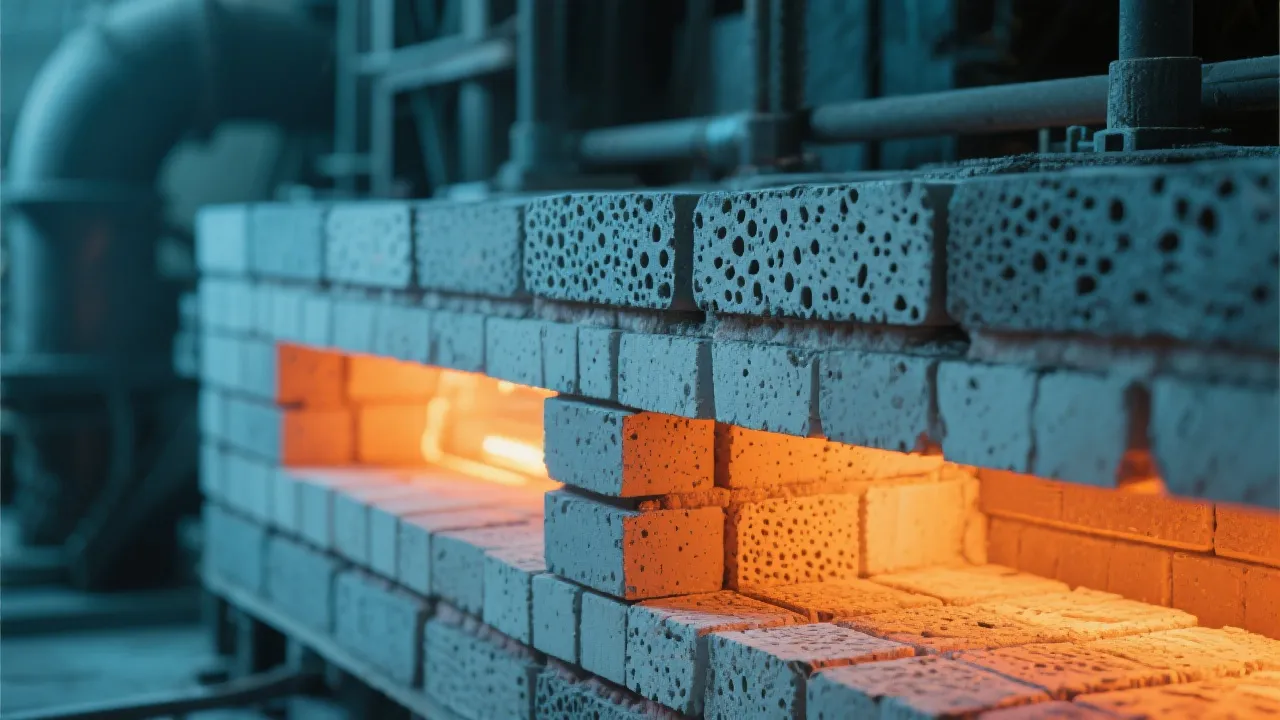
In the industrial sector, the lifespan of high-temperature furnaces often falls far short of expectations. Many enterprises mistakenly attribute this issue to operational problems, but in fact, improper selection of refractory materials is the key factor. This article takes high-alumina insulating bricks as an example to provide technical support for foreign trade export customers.
The short lifespan of high-temperature furnaces is a common pain point in the industry. When facing this problem, most enterprises first suspect their operating procedures. However, after in - depth research, it is found that the root cause lies in the improper selection of refractory materials. For example, in some steel plants, the service life of the converter lining is much lower than the design value. After analysis, it is due to the mismatch between the thermal expansion coefficient of the selected refractory material and the furnace body, which leads to cracks and peeling during the heating and cooling process.
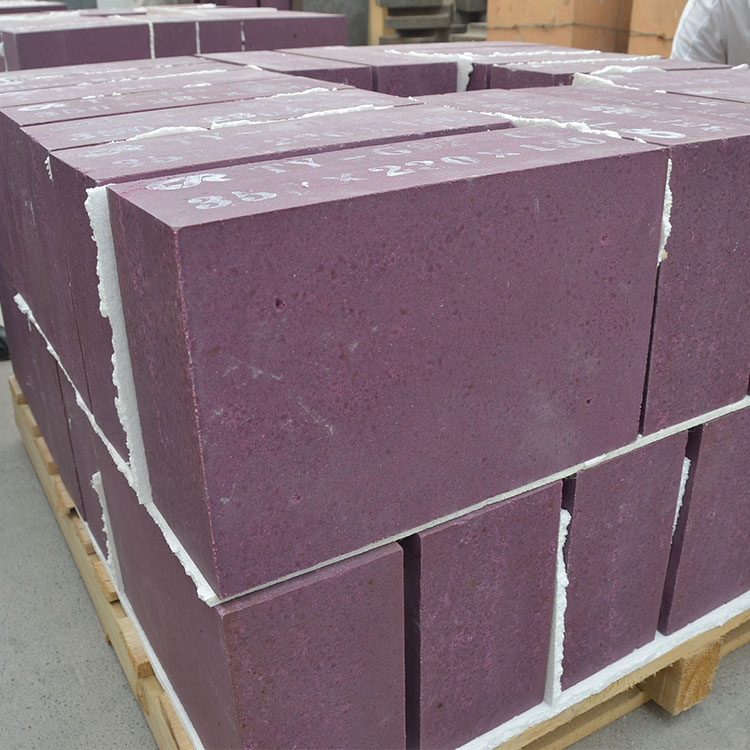
The main crystal phase structure of high - alumina insulating bricks plays a crucial role in its thermal shock resistance. The unique crystal structure can effectively absorb and disperse thermal stress during the rapid temperature change process. For instance, in a ceramic firing kiln, the temperature change is very frequent. High - alumina insulating bricks can withstand more than 500 thermal shock cycles without significant damage, while ordinary refractory bricks may only withstand about 100 cycles.
High - alumina insulating bricks have excellent long - term high - temperature resistance. They can maintain stable physical and chemical properties at temperatures up to 1600°C. In a petrochemical cracking furnace, which often operates at high temperatures for a long time, high - alumina insulating bricks can ensure the normal operation of the furnace and reduce the frequency of furnace shutdowns for maintenance.
The thermal expansion coefficient of high - alumina insulating bricks is well - matched with that of the furnace body. This can effectively prevent the occurrence of cracks and peeling caused by thermal stress differences. In a steelmaking electric arc furnace, the use of high - alumina insulating bricks with appropriate thermal expansion coefficients can improve the overall stability of the furnace lining and extend its service life by about 30%.
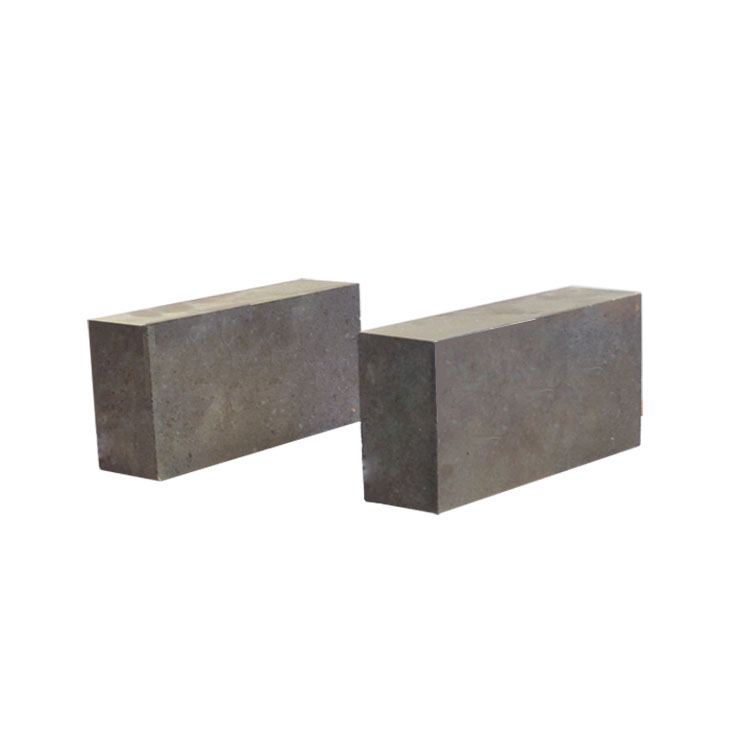
In a steel converter, the high - temperature and high - pressure environment requires refractory materials with high performance. High - alumina insulating bricks can improve the stability of the converter lining, reduce heat loss, and save about 15% of energy consumption. At the same time, it can also extend the service life of the converter, reducing production costs.
In a ceramic firing kiln, the frequent temperature changes require refractory materials with good thermal shock resistance. High - alumina insulating bricks can ensure the uniform temperature distribution in the kiln, improve the quality of ceramic products, and at the same time, due to its low thermal conductivity, it can save about 20% of energy consumption.
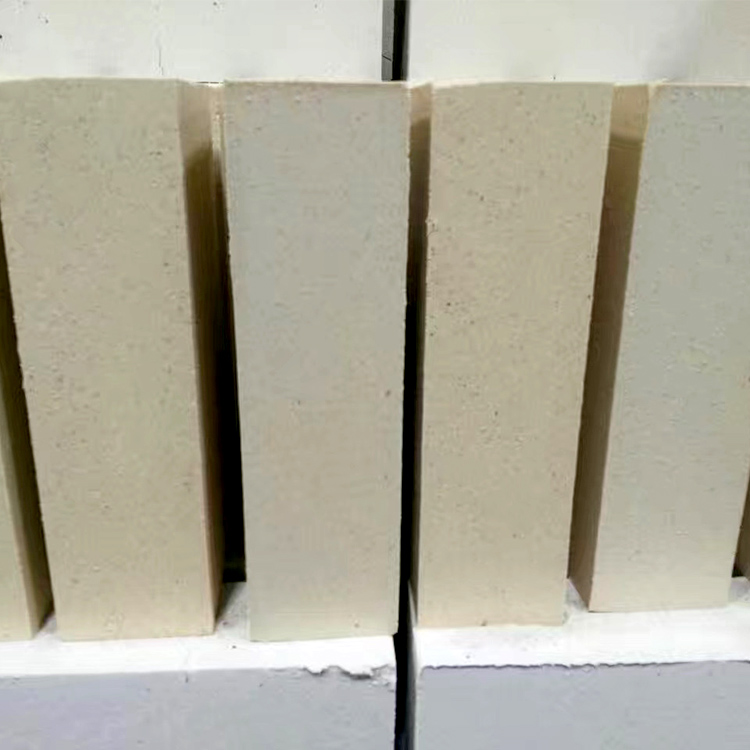
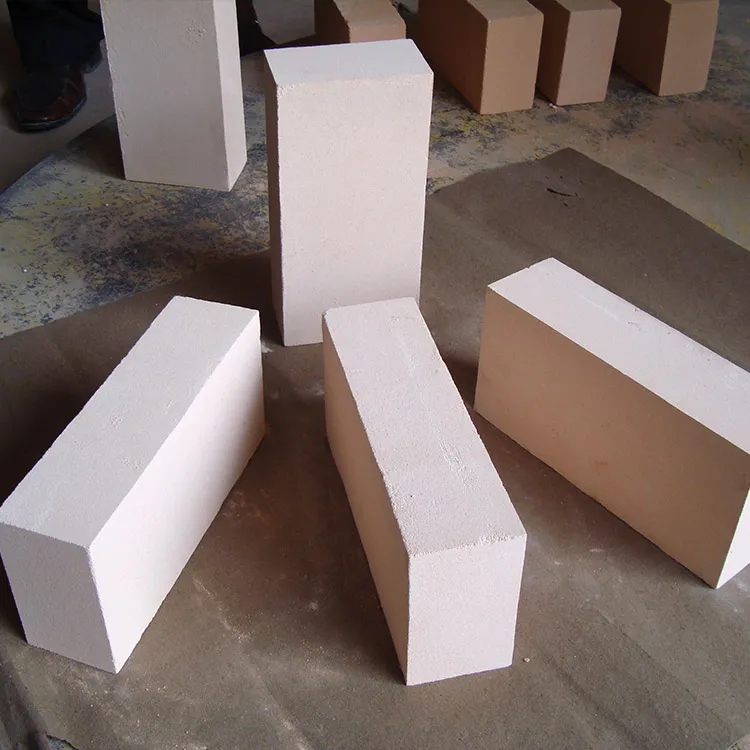
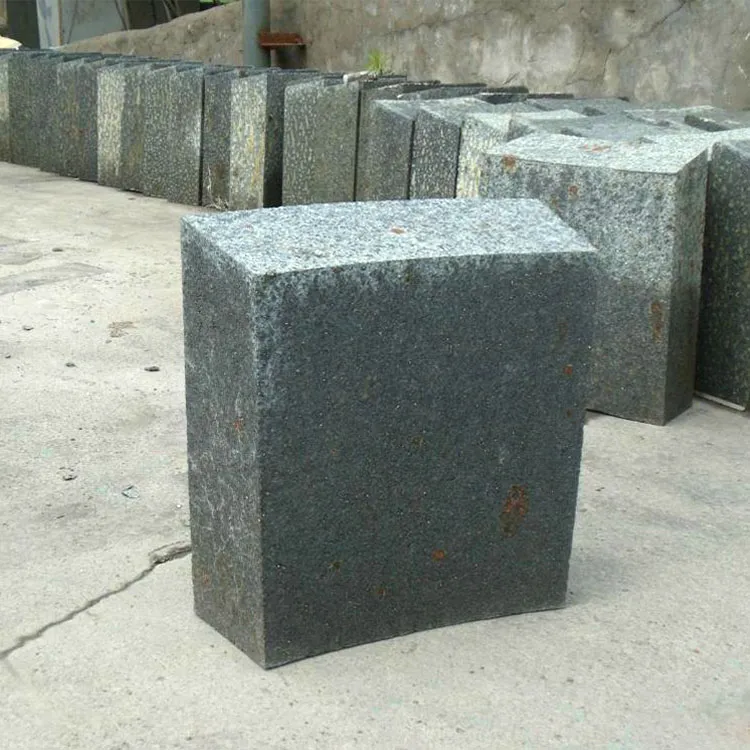
We provide a simple and intuitive brick surface state discrimination method. By observing the color, texture, and crack conditions of the brick surface, customers can initially judge the quality and performance of high - alumina insulating bricks. For example, if the brick surface has no obvious cracks and the color is uniform, it indicates that the brick has good quality.
High - alumina insulating bricks have outstanding performance in energy saving, consumption reduction, and extending the service life of the furnace body. If you are looking for high - quality refractory materials for your industrial furnace, click here to learn more about our high - alumina insulating bricks and start your journey to stable and efficient production.
 refractory brick cracking causes
thermal stress damage prevention
chemical furnace maintenance
refractory brick inspection methods
heat-resistant refractory materials
thermal stress refractory brick
chemical furnace maintenance
thermal shock resistant bricks
high-strength insulating fireclay
refractory brick early damage detection
high-strength fireclay brick
refractory insulation brick
thermal shock resistance refractory
chemical furnace lining selection
1350°C refractory brick
high-alumina insulating bricks energy saving
porosity thermal conductivity relationship
porous refractory materials
industrial furnace energy efficiency
ISO ASTM refractory standards
high-alumina insulating bricks
refractory thermal expansion
industrial furnace maintenance
thermal shock resistance
refractory interface spalling
refractory brick cracking causes
thermal stress damage prevention
chemical furnace maintenance
refractory brick inspection methods
heat-resistant refractory materials
thermal stress refractory brick
chemical furnace maintenance
thermal shock resistant bricks
high-strength insulating fireclay
refractory brick early damage detection
high-strength fireclay brick
refractory insulation brick
thermal shock resistance refractory
chemical furnace lining selection
1350°C refractory brick
high-alumina insulating bricks energy saving
porosity thermal conductivity relationship
porous refractory materials
industrial furnace energy efficiency
ISO ASTM refractory standards
high-alumina insulating bricks
refractory thermal expansion
industrial furnace maintenance
thermal shock resistance
refractory interface spalling