

.png?x-oss-process=image/resize,h_100,m_lfit/format,webp)
.png?x-oss-process=image/resize,h_100,m_lfit/format,webp)
.png?x-oss-process=image/resize,h_100,m_lfit/format,webp)

Industrial furnaces and kilns face significant challenges in achieving expected equipment lifespans. Despite common assumptions attributing premature failures to operational errors, the critical factor often lies in the refractory material selection. This comprehensive analysis focuses on high-alumina insulating bricks, revealing three widespread misconceptions that undermine furnace durability: inadequate thermal shock resistance, long-term high-temperature softening, and incompatible thermal expansion causing interface failures.
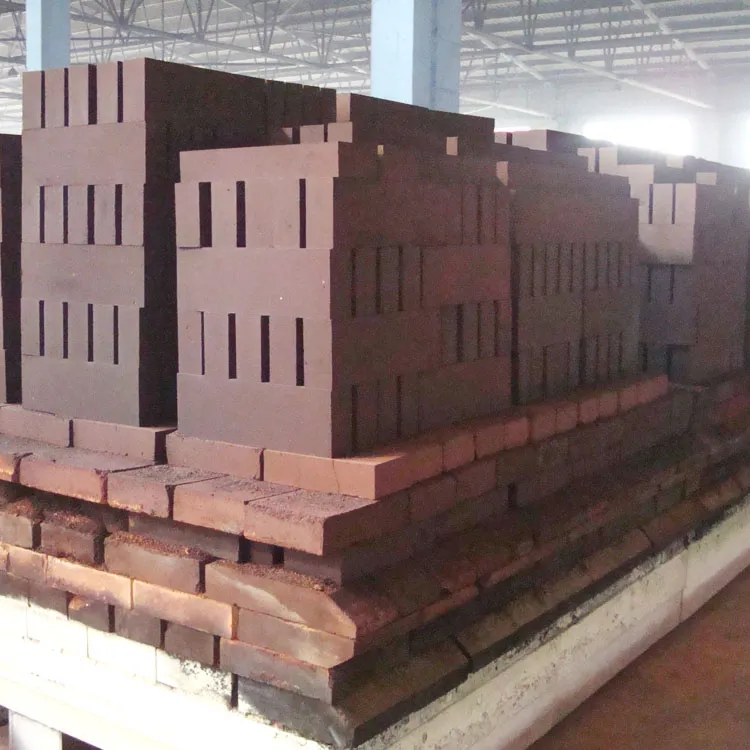
One of the most frequent causes of refractory brick failure is the ignorance of thermal shock resistance. Rapid temperature changes in industrial furnaces induce stress cracks that propagate quickly in bricks lacking a resilient crystalline framework. High-alumina insulating bricks contain predominant phases of mullite and corundum, which contribute exceptional dimensional stability and elasticity under thermal cycling. Studies indicate that refractory bricks with over 60% mullite content can withstand up to 250 thermal shock cycles before structural degradation, surpassing bricks with lower alumina content by 30%.
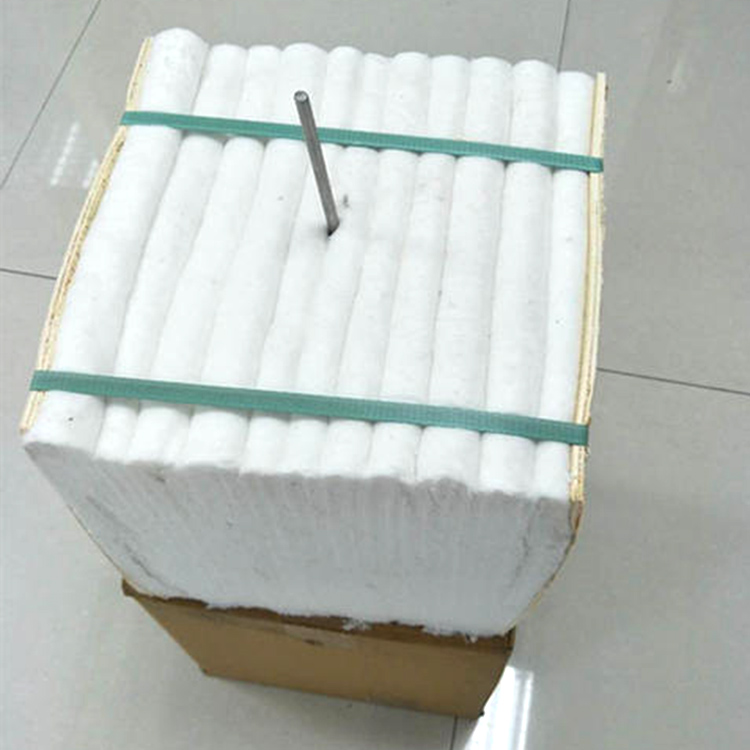
High operating temperatures in furnaces may cause the refractory material to soften or deform over time, compromising mechanical strength. Softening typically arises from improper phase composition or impurities within brick raw materials. High-alumina insulating bricks formulated with optimized mullite-corundum balance exhibit melting points above 1780°C with minimal deformation. Real-world data from ceramic firing kilns operating at 1550°C showed that bricks utilizing this optimized phase composition experienced less than 5% dimensional change after 1,000 hours, compared to 15% in conventional bricks.
A frequently overlooked factor in refractory design is the mismatch of thermal expansion coefficients between insulating bricks and adjacent materials. This mismatch induces mechanical stresses at junctions resulting in delamination and accelerated brick spalling. High-alumina insulating bricks benefit from a thermal expansion coefficient near 7.5×10⁻⁶/K, closely aligning with steel furnace shell linings and dense refractory bricks commonly used as backup. In steelmaking converters, applying multi-layer brick arrangements—starting with high-alumina insulating bricks as the hot-face lining followed by dense bricks—has demonstrated up to 20% reduction in interface failures.
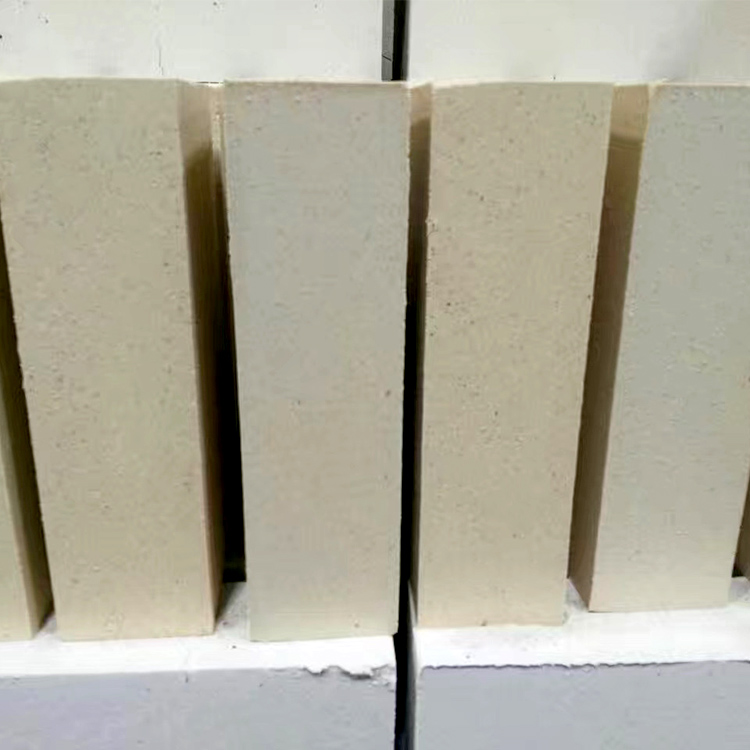
In ceramic firing kilns, the application of high-alumina insulating bricks enriched with mullite and corundum significantly improved heat retention while reducing energy consumption by 10%. Meanwhile, in steel converter furnaces, integrating a multi-layer refractory system, with high-alumina insulating bricks interfacing dense bricks, extended campaign life by over 25%, validated through over 500 operating cycles.
Detecting early signs of refractory distress can prevent costly downtime. Network-patterned cracks – fine, interconnected fissures across the brick surface – indicate initial thermal shock damage. Peeling or spalling at interfaces signals incompatible expansion or weakened adhesion. Implementing routine visual inspections utilizing these markers enables maintenance teams to prioritize repair and replacement, ensuring prolonged furnace stability and lowering operational costs.
 refractory insulating brick selection
chemical furnace lining materials
high-temperature furnace energy efficiency
refractory material performance comparison
thermal shock resistant bricks
refractory brick cracking causes
thermal shock resistance in furnaces
chemical furnace lining maintenance
hollow sphere refractory bricks
advanced clay refractory formulations
industrial kiln insulation materials
refractory clay brick thermal properties
thermal conductivity optimization
linear expansion impact
kiln energy efficiency solutions
refractory fireclay insulating bricks
industrial kiln insulation materials
high-temperature insulating bricks
energy-saving kiln materials
kiln thermal expansion properties
refractory brick cracking reasons
thermal stress damage prevention
chemical furnace maintenance
high-strength refractory clay bricks
thermal shock-resistant refractory materials
refractory insulating brick selection
chemical furnace lining materials
high-temperature furnace energy efficiency
refractory material performance comparison
thermal shock resistant bricks
refractory brick cracking causes
thermal shock resistance in furnaces
chemical furnace lining maintenance
hollow sphere refractory bricks
advanced clay refractory formulations
industrial kiln insulation materials
refractory clay brick thermal properties
thermal conductivity optimization
linear expansion impact
kiln energy efficiency solutions
refractory fireclay insulating bricks
industrial kiln insulation materials
high-temperature insulating bricks
energy-saving kiln materials
kiln thermal expansion properties
refractory brick cracking reasons
thermal stress damage prevention
chemical furnace maintenance
high-strength refractory clay bricks
thermal shock-resistant refractory materials



.jpg?x-oss-process=image/resize,h_800,m_lfit/format,webp)