

.png?x-oss-process=image/resize,h_100,m_lfit/format,webp)
.png?x-oss-process=image/resize,h_100,m_lfit/format,webp)
.png?x-oss-process=image/resize,h_100,m_lfit/format,webp)

In the field of industrial furnaces, energy conservation has always been a crucial issue for enterprises. High - alumina insulating bricks, as a new type of refractory material, are playing an increasingly important role in energy - saving transformation. This article will delve into the porous structure of high - alumina insulating bricks, its impact on energy conservation, and present real - world cases to illustrate its effectiveness.
The porous structure of high - alumina insulating bricks is the key to their excellent thermal insulation performance. From a material science perspective, the pores in these bricks act as barriers to heat transfer. According to research, the thermal conductivity of high - alumina insulating bricks with a well - designed porous structure can be reduced by up to 30% compared to traditional refractory materials. This is because the air in the pores has a relatively low thermal conductivity, which effectively slows down the heat transfer process.
Moreover, the porous structure also affects the heat capacity of the material. A lower heat capacity means that the material requires less energy to reach a certain temperature. High - alumina insulating bricks can reduce the heat capacity by about 20%, which is beneficial for rapid heating and cooling processes in industrial furnaces, further saving energy.
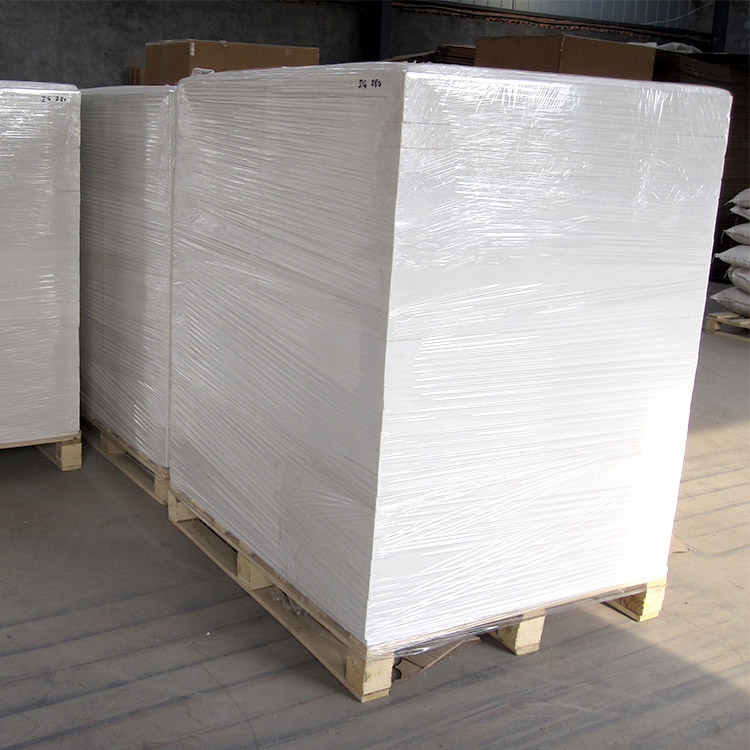
Let's take a ceramic tunnel kiln as an example. A ceramic manufacturing enterprise decided to carry out an energy - saving transformation using high - alumina insulating bricks. Before the transformation, the unit product energy consumption of the kiln was relatively high, reaching 500 kWh per ton of products. After the installation of high - alumina insulating bricks, the energy consumption data showed a significant decrease.
| Stage | Unit Product Energy Consumption (kWh/ton) | Energy - Saving Rate |
|---|---|---|
| Before Transformation | 500 | N/A |
| After Transformation | 425 | 15% |
This case clearly shows that high - alumina insulating bricks can effectively reduce the energy consumption of ceramic tunnel kilns, bringing substantial economic benefits to enterprises.
High - alumina insulating bricks that meet ISO and ASTM international standards have a greater advantage in the international market. These standards ensure the quality and performance consistency of the products. For example, products that meet ISO standards have better chemical stability and mechanical strength, which can meet the needs of different industrial applications.
In addition, international certification can enhance the trust of overseas customers. According to market research, enterprises with ISO - certified high - alumina insulating bricks can increase their export volume by about 20% compared to those without certification, which is a strong boost to the market competitiveness of enterprises.
To better engage with potential customers, an interactive Q&A module can be set up on the website. Some common questions and answers can be provided, such as:
If you want to learn more about high - alumina insulating brick energy - saving cases, please contact us to download the technical white paper.