Home > News > Why High-Alumina Insulating Bricks Outperform Ordinary Clay Bricks at High Temperatures? Full Technical & Case Analysis

Why High-Alumina Insulating Bricks Outperform Ordinary Clay Bricks at High Temperatures? Full Technical & Case Analysis

Sunrise
2025-12-18
Product related content
Many industrial furnace operators mistakenly blame short lifespans on operational errors—when in fact, refractory material selection is the real culprit. This article dives into why high-alumina insulating bricks surpass traditional clay bricks in thermal shock resistance, long-term temperature stability, and thermal expansion compatibility. Backed by microstructure comparisons, real-world applications in ceramic kilns and steel converters, and practical inspection tips (like checking surface crack patterns), this guide equips engineers and decision-makers with actionable insights to extend furnace life, reduce energy use, and boost ROI. Designed for global industry professionals, it combines technical depth with clear, visual explanations—proving why globally trusted refractories start with smart material choices. 🔍
high-strength-calcium-silicate-boards-1.jpg

Why High-Alumina Insulating Bricks Outperform Ordinary Clay Bricks at High Temperatures

Many industrial operators assume that short furnace life is due to operator error or poor maintenance — but the real culprit often lies in material selection. When it comes to high-temperature applications like ceramic kilns or steel converters, choosing the right refractory brick isn’t just a technical detail—it’s a strategic decision that impacts energy efficiency, safety, and ROI.

The Hidden Science Behind Thermal Performance

High-alumina insulating bricks (with 65–85% Al₂O₃) outperform traditional clay bricks in three critical areas:

  • Thermal Shock Resistance: While clay bricks crack after 10–15 thermal cycles, high-alumina bricks withstand over 50 cycles without visible damage—thanks to their stable mullite (3Al₂O₃·2SiO₂) crystal structure acting like a reinforced skeleton.
  • Long-Term Temperature Limit: Standard clay bricks degrade above 1350°C, whereas high-alumina variants maintain integrity up to 1600°C—ideal for continuous-process furnaces.
  • Thermal Expansion Matching: With a coefficient of ~4.5 × 10⁻⁶ /°C, these bricks match steel-lined structures better than clay bricks (~6.5 × 10⁻⁶ /°C), reducing stress-induced spalling.

Real-World Impact: Case Studies from Global Clients

A ceramics manufacturer in Italy reported a 30% increase in kiln lifespan after switching from clay to high-alumina bricks—reducing downtime by 22 days annually. Similarly, a steel plant in Saudi Arabia saw a 15% drop in fuel consumption within six months, directly tied to improved insulation performance.
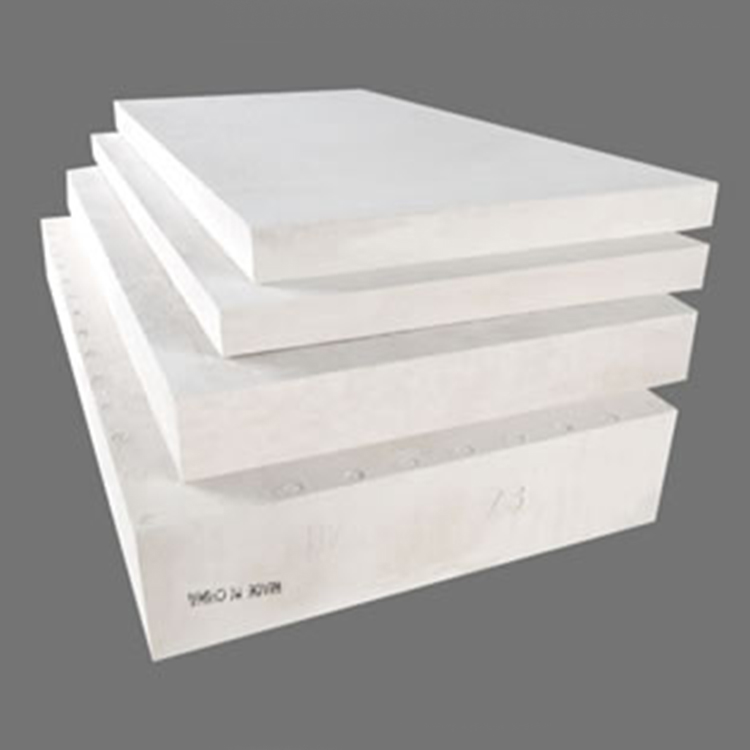
Microstructure comparison showing mullite crystals in high-alumina brick vs. random pores in clay brick

These aren’t isolated cases—they reflect what happens when you choose materials engineered for real-world conditions, not just lab tests.

Quick Diagnostic Tips for Your Team

Before calling in a consultant, check for early signs of refractory failure:

  1. Look for network-like cracks on brick surfaces—common in clay bricks exposed to repeated heating/cooling.
  2. Check for flaking or spalling near hot zones—this indicates poor thermal expansion compatibility.
  3. Compare replacement frequency across different furnace sections—you may be using the wrong brick in the wrong layer.

Pro Tip: Always layer your refractory system—use high-alumina bricks in the working face, clay bricks as backup insulation, and fireclay as buffer layers. This configuration boosts overall durability by up to 40%.

Why Global Buyers Trust Our Refractories

With over 15 years of export experience to Europe, Middle East, and Asia, our high-alumina bricks meet ASTM C115 and ISO 1971 standards—and are trusted by manufacturers who demand consistent quality, even under extreme thermal stress.

Ready to Extend Your Furnace Life? Let’s Talk Quality That Lasts.

Get a Free Technical Consultation →
Name *
Email *
WhatsApp *
Message*

Recommended Products

Related Reading

Thermal Shock Resistance of Insulating Fire Bricks in Chemical Furnaces and Their Impact on Lining Lifespan

2025-08-29 | https://shmuker.oss-accelerate.aliyuncs.com/tmp/temporary/60ec5bd7f8d5a86c84ef79f2/60ec5bdcf8d5a86c84ef7a9a/20240305160636/lable.png thermal shock resistance insulating fire bricks furnace lining lifespan refractory materials installation energy-efficient chemical furnaces

Energy-Saving Innovations in Industrial Furnaces: Optimizing Thermal Conductivity of High-Alumina Insulating Bricks through Porous Structure Design

2025-12-01 | https://shmuker.oss-accelerate.aliyuncs.com/tmp/temporary/60ec5bd7f8d5a86c84ef79f2/60ec5bdcf8d5a86c84ef7a9a/20240305160636/lable.png high-alumina insulating bricks porous refractory materials industrial furnace energy saving thermal conductivity optimization ISO ASTM refractory standards

How the Porous Structure of High-Alumina Insulating Bricks Reduces Energy Consumption in Industrial Furnaces: Technical Analysis and Energy-Saving Data Revealed

2025-12-04 | https://shmuker.oss-accelerate.aliyuncs.com/tmp/temporary/60ec5bd7f8d5a86c84ef79f2/60ec5bdcf8d5a86c84ef7a9a/20240305160636/lable.png High-alumina insulating bricks Porous structure refractory materials Industrial furnace energy saving Refractory material energy conservation High-alumina insulation energy efficiency

Preventing Refractory Brick Cracking in Chemical Furnaces: Strategies to Reduce Unplanned Downtime and Maintenance Tips

2025-10-23 | https://shmuker.oss-accelerate.aliyuncs.com/tmp/temporary/60ec5bd7f8d5a86c84ef79f2/60ec5bdcf8d5a86c84ef7a9a/20240305160636/lable.png refractory brick cracking prevention thermal stress damage control chemical furnace maintenance refractory material thermal shock resistance furnace lining protection

Short lifespan of high-temperature furnaces? Analysis of refractory material selection pitfalls overlooked by 90% of enterprises (with application guide for high-alumina insulating bricks)

2025-12-09 | https://shmuker.oss-accelerate.aliyuncs.com/tmp/temporary/60ec5bd7f8d5a86c84ef79f2/60ec5bdcf8d5a86c84ef7a9a/20240305160636/lable.png Refractory material selection guide High-alumina insulating brick application Furnace lifespan extension techniques Thermal shock-resistant refractory bricks Industrial furnace energy saving and consumption reduction

Hot Products

Popular articles
extruded-batts-5.jpg
pressed-batts-3.JPG
Direct-binding-magnesium-chromium-brick-4.jpg
ceramic-fiber-paper-gasket-3.jpg
high-alumina-insulation-brick-3.JPG
high-strength-insulation-brick-3.jpg
extruded-batts-4.JPG
Magnesium-aluminum-spine-brick-for-lime-kiln-2.jpg
silicon-nitride-bonded-silicon-carbide-bricks-3.jpg
Direct-binding-magnesium-chromium-brick-5.jpg
Recommended Reading
Contact us
Contact us
https://shmuker.oss-cn-hangzhou.aliyuncs.com/tmp/temporary/60ec5bd7f8d5a86c84ef79f2/60ec5bdcf8d5a86c84ef7a9a/thumb-prev.png