

.png?x-oss-process=image/resize,h_100,m_lfit/format,webp)
.png?x-oss-process=image/resize,h_100,m_lfit/format,webp)
.png?x-oss-process=image/resize,h_100,m_lfit/format,webp)
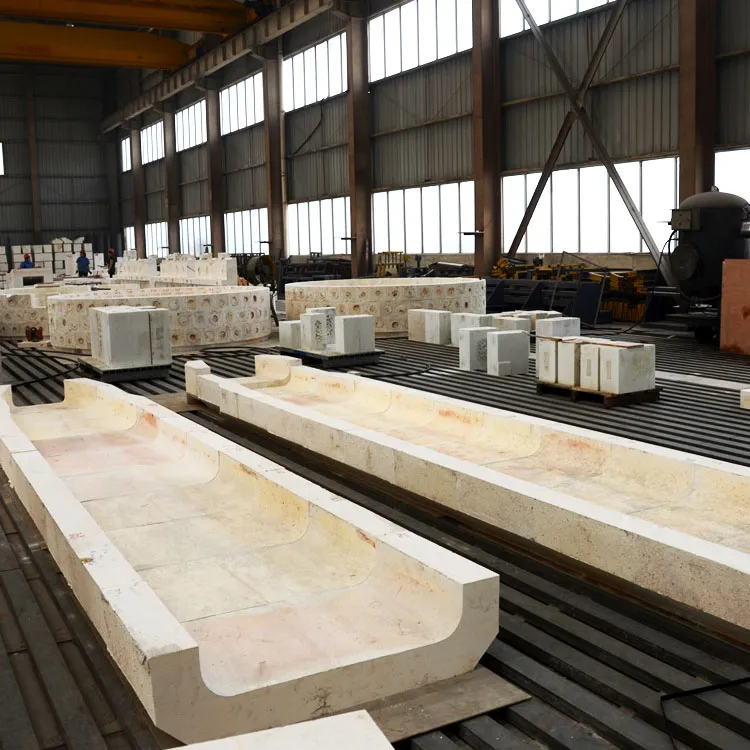
In the demanding environment of glass manufacturing, the performance of furnace components directly impacts production efficiency, product quality, and operational costs. Among these critical components, glass furnace bottom bricks face unique challenges due to their constant exposure to high temperatures, chemical erosion, and mechanical stress. Zhengzhou Sunrise Refractory, with years of specialized experience in refractory solutions for glass industry, explores the critical role of material matching in optimizing glass furnace bottom brick performance through practical case analysis.
Glass furnace bottom bricks operate in an environment characterized by:
Material mismatch in these conditions often leads to premature failure, including cracking, spalling, and excessive erosion—issues that can cause unplanned downtime and increased maintenance costs.
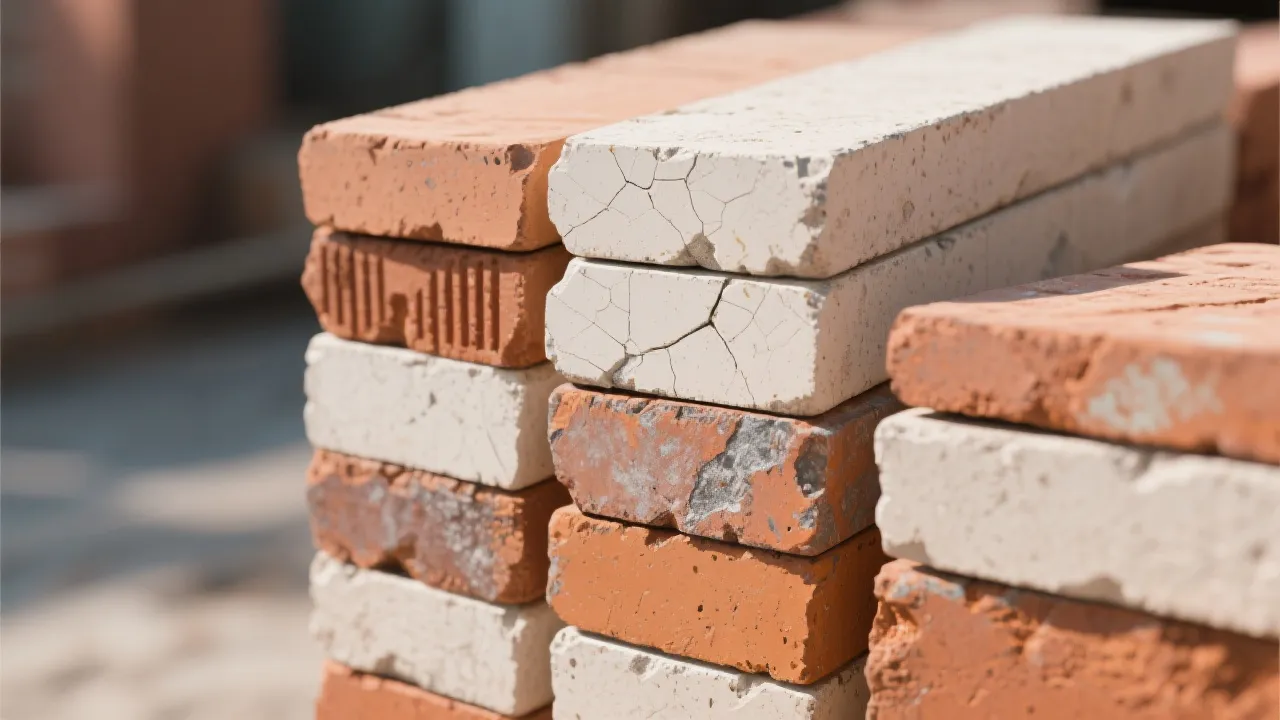
A European glass manufacturer experienced frequent cracking in their furnace bottom bricks after only 18 months of operation, significantly below the expected 36-month lifespan. Post-inspection revealed:
Zhengzhou Sunrise Refractory recommended upgrading to high-density mullite bricks with controlled porosity and tailored thermal expansion characteristics. This material adjustment extended the service life to 42 months, reducing replacement frequency by 40%.
A Southeast Asian glass producer faced severe erosion issues in their furnace bottom, particularly in areas接触 with soda-lime glass melts. The original magnesia-alumina bricks showed excessive wear due to:
After analyzing the glass composition and operating parameters, Zhengzhou Sunrise Refractory implemented a solution combining zirconia-enhanced alumina bricks with a specialized anti-erosion coating. This material system reduced erosion rates by 65% and maintained dimensional stability throughout the furnace campaign.
| Material Type | Key Properties | Optimal Application | Expected Service Life |
|---|---|---|---|
| High-Alumina Bricks | Al2O3: 70-85%, Good thermal shock resistance | General glass furnace bottoms | 24-36 months |
| Mullite Bricks | Al2O3: 60-75%, Low thermal expansion | Furnaces with rapid temperature changes | 36-48 months |
| Zirconia-Alumina Bricks | ZrO2: 15-30%, Excellent chemical resistance | Soda-lime and borosilicate glass furnaces | 48-60 months |
| AZS Bricks | ZrO2: 33-41%, Superior corrosion resistance | High-alkali glass formulations | 60-72 months |
At Zhengzhou Sunrise Refractory, we believe optimal material selection requires a comprehensive analysis of multiple factors beyond basic temperature requirements. Our systematic approach includes:
Evaluating alkali content, boron levels, and specific glass chemistry to predict interaction with refractory materials
Analyzing temperature distribution, heat-up/cool-down rates, and thermal cycling patterns throughout the furnace
Considering production schedules, maintenance cycles, and operational goals to balance performance and cost
"The most advanced refractory material isn't necessarily the best choice for every application. True expertise lies in matching the right material to specific operating conditions and glass manufacturing requirements."
— Zhengzhou Sunrise Refractory Technical Team
Proper material matching for glass furnace bottom bricks delivers measurable benefits to glass manufacturers:
As a leading provider of refractory solutions for the global glass industry, Zhengzhou Sunrise Refractory combines technical expertise with practical application knowledge to deliver material matching solutions tailored to each customer's unique requirements. Our extensive product range, including high-performance AZS bricks, mullite bricks, and zirconia-enhanced formulations, ensures we can address the most challenging glass furnace bottom applications across南欧,北欧,中美洲,东南亚, and中东 markets.
For glass manufacturers seeking to optimize furnace performance and operational stability, material matching represents a critical investment in long-term productivity and profitability.
 low density silica insulating firebrick
high temperature refractory material
thermal insulation performance
glass furnace refractory
industrial energy-saving material
1050°C calcium silicate board
high temperature insulation material
industrial thermal insulation
low thermal conductivity
kiln insulation
low thermal conductivity firebrick
insulating refractory brick
industrial kiln energy saving
fused alumina refractory
high temperature shuttle kiln sintering
low density silica insulating firebrick
high purity silica refractory
high temperature thermal insulation
industrial furnace energy saving
Sunrise refractory solutions
calcium silicate insulation board installation
fire-rated insulation board construction
high temperature insulation maintenance
calcium silicate board cutting
insulation board fixing techniques
low density silica insulating firebrick
high temperature refractory material
thermal insulation performance
glass furnace refractory
industrial energy-saving material
1050°C calcium silicate board
high temperature insulation material
industrial thermal insulation
low thermal conductivity
kiln insulation
low thermal conductivity firebrick
insulating refractory brick
industrial kiln energy saving
fused alumina refractory
high temperature shuttle kiln sintering
low density silica insulating firebrick
high purity silica refractory
high temperature thermal insulation
industrial furnace energy saving
Sunrise refractory solutions
calcium silicate insulation board installation
fire-rated insulation board construction
high temperature insulation maintenance
calcium silicate board cutting
insulation board fixing techniques