


.png?x-oss-process=image/resize,h_100,m_lfit/format,webp)
.png?x-oss-process=image/resize,h_100,m_lfit/format,webp)
.png?x-oss-process=image/resize,h_100,m_lfit/format,webp)

In the industrial sector, the longevity of industrial furnaces is a critical concern for many enterprises. Approximately 90% of companies overlook the crucial selection of refractory materials, which can significantly impact the furnace's lifespan. This article delves into the synergistic effects of the main crystalline phases, mullite and corundum, in high - alumina insulating bricks, and reveals how they address the three major pain points in industrial furnaces: poor thermal shock resistance, high - temperature softening, and interface detachment.
Many industrial furnace failures are often misattributed to improper operation. However, the root causes lie in three core failure mechanisms. Firstly, poor thermal shock resistance can lead to cracks in the refractory materials when the furnace undergoes repeated start - stop cycles. Secondly, over - temperature deformation occurs when the materials cannot withstand the high - temperature environment, resulting in a loss of structural integrity. Thirdly, expansion mismatch between different layers of refractory materials can cause interface detachment, which further weakens the furnace structure.
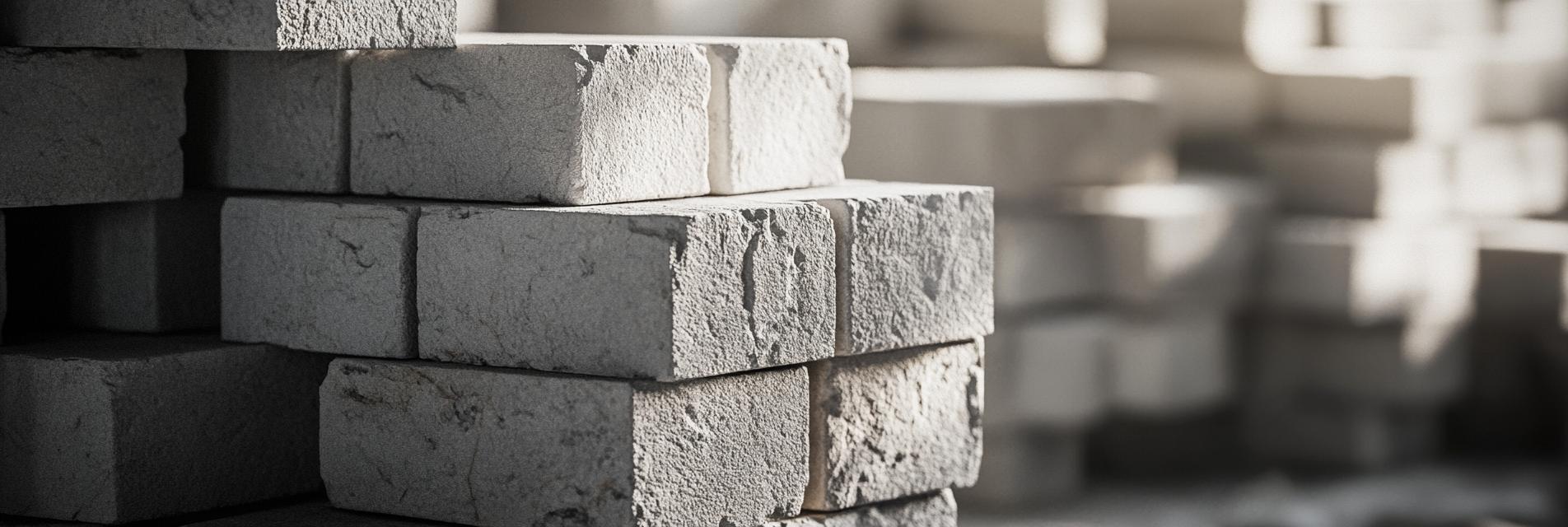
Mullite and corundum in high - alumina insulating bricks play a vital role in enhancing the furnace's performance. Mullite can be visualized as a steel - like framework that supports the structure in high - temperature environments. It provides excellent high - temperature stability and helps to improve the overall strength of the bricks. Corundum, on the other hand, contributes to the high - temperature resistance and hardness of the bricks. The combination of these two crystalline phases significantly improves the thermal shock resistance, high - temperature stability, and structural strength of the high - alumina insulating bricks.
In different industrial scenarios, such as steel - making converters and ceramic firing kilns, the configuration of brick types at different layers is crucial. In steel - making converters, the bricks need to withstand extremely high temperatures and strong chemical reactions. Therefore, high - quality high - alumina insulating bricks with excellent thermal shock resistance and chemical stability are required. In ceramic firing kilns, the bricks need to balance insulation and strength to ensure efficient heat utilization. High - alumina insulating bricks with a porous structure design offer a good balance between insulation and strength, which can effectively reduce energy consumption.
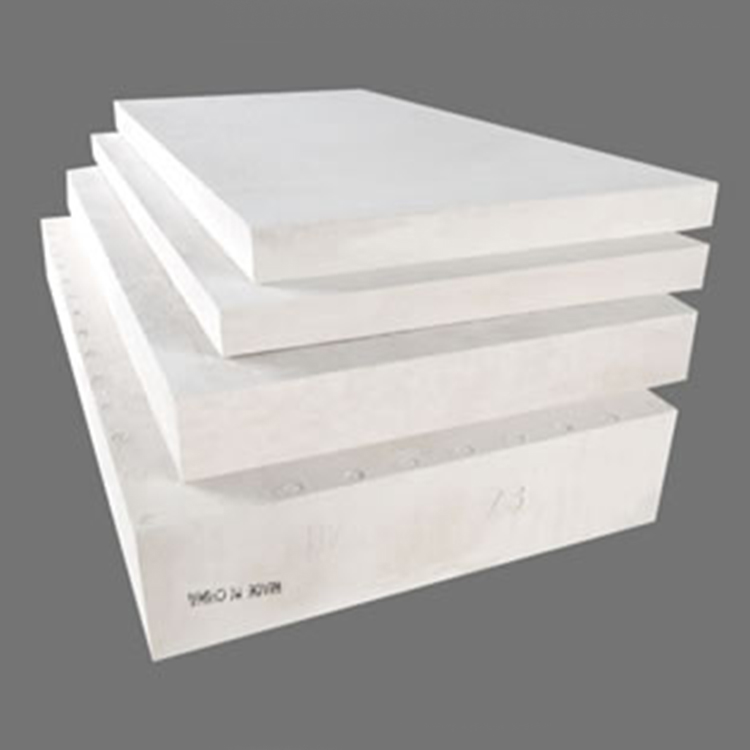
To ensure the proper selection and use of high - alumina insulating bricks, on - site detection methods are essential. One simple way is to visually inspect the bricks. Look for network - like cracks and peeling marks on the bricks. These signs can indicate whether the bricks are suitable for the current temperature curve and help to identify 'invisible losses'. By regularly checking the bricks, enterprises can take timely measures to replace or repair them, thereby extending the furnace's lifespan.
We specialize in the manufacturing of export - grade refractory materials. Our products comply with ISO/ASTM standards, and their energy - saving and consumption - reducing effects have been verified by global customers. We are committed to providing reliable solutions for industrial furnace applications, helping enterprises to improve the efficiency and longevity of their furnaces.
Discover the reliable export - grade refractory materials that can extend your industrial furnace lifespan. Click here to learn more.