

.png?x-oss-process=image/resize,h_100,m_lfit/format,webp)
.png?x-oss-process=image/resize,h_100,m_lfit/format,webp)
.png?x-oss-process=image/resize,h_100,m_lfit/format,webp)

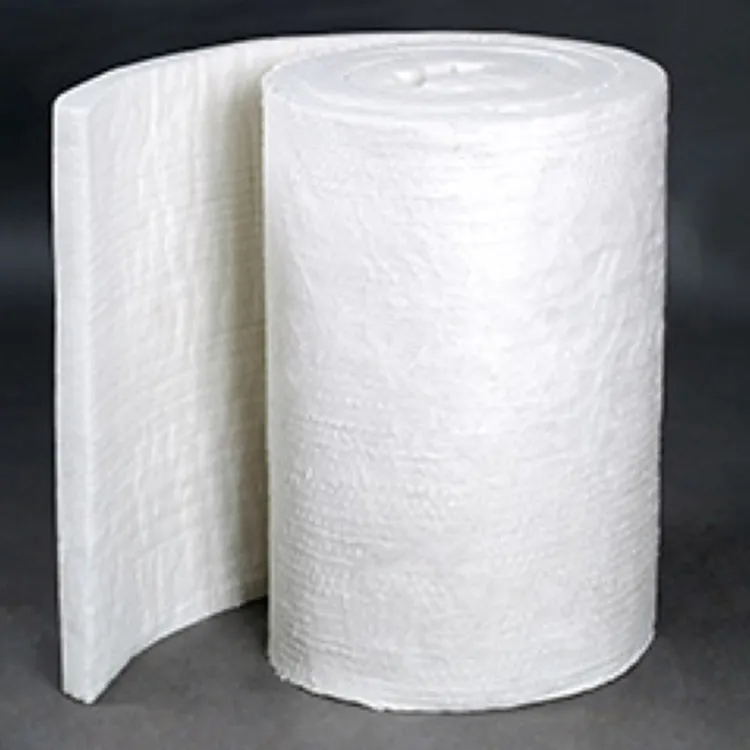
High - alumina insulating bricks feature a unique micro - porous structure. This structure is designed based on the principle of heat conduction. When heat passes through the high - alumina insulating brick, the numerous tiny pores inside the brick act as barriers to heat transfer. As shown in Figure 1 (IMAGE - URL1, Alt: Micro - porous structure of high - alumina insulating bricks), these pores disrupt the continuous path of heat flow, significantly reducing the efficiency of heat conduction.
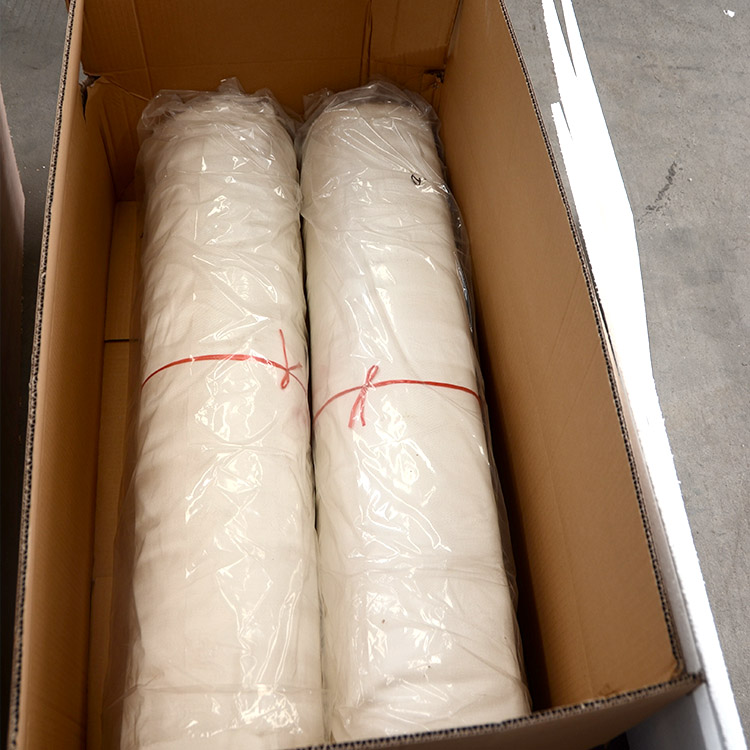
As the porosity of high - alumina insulating bricks increases, the number of pores inside the brick increases. According to the principle of heat conduction, the more pores there are, the more difficult it is for heat to be transferred through the solid part of the brick. This leads to a significant decrease in the thermal conductivity of the brick. For example, when the porosity increases from 30% to 50%, the thermal conductivity can be reduced by about 30% - 40%. At the same time, the increase in porosity also reduces the heat capacity of the brick. A lower heat capacity means that the brick requires less energy to reach a certain temperature, which is crucial for reducing the energy consumption of industrial furnaces.
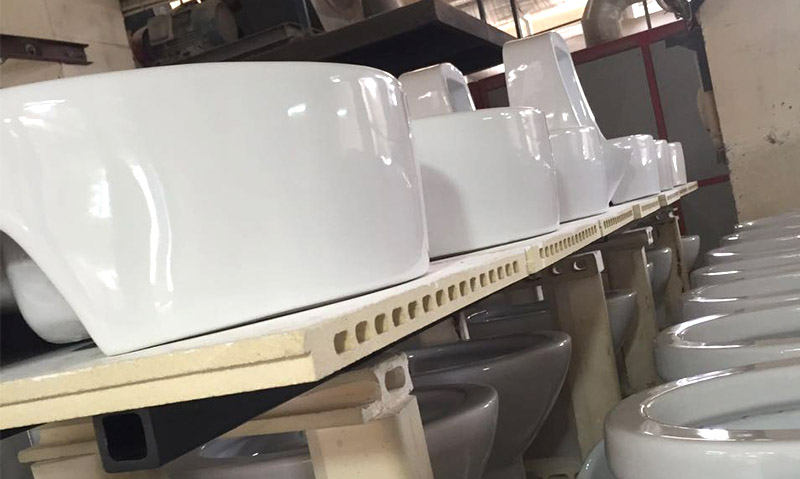
In the ceramic firing tunnel kiln industry, high - alumina insulating bricks have shown remarkable energy - saving effects. Take a medium - sized ceramic firing tunnel kiln as an example. Before using high - alumina insulating bricks, the energy consumption per production cycle was about 1500 kWh. After replacing with high - alumina insulating bricks with a high porosity, the energy consumption per production cycle was reduced to about 1000 kWh, a reduction of about 33%. This not only reduces energy costs but also shortens the pre - heating time of the kiln, improving production efficiency. The following table shows the comparison of energy consumption and economic benefits before and after using high - alumina insulating bricks:
| Indicator | Before Use | After Use |
|---|---|---|
| Energy Consumption per Cycle (kWh) | 1500 | 1000 |
| Energy Cost per Cycle ($) | 150 | 100 |
| Pre - heating Time (h) | 6 | 4 |
ISO and ASTM standards play a crucial role in regulating the quality of high - alumina insulating bricks. ISO standards, such as ISO 10051, specify the general requirements for refractory products, including chemical composition, physical properties, and testing methods. ASTM standards, like ASTM C155, focus on the classification and testing of insulating firebrick. These standards ensure that high - alumina insulating bricks meet the necessary quality and performance requirements in the international market.
The certification process for ISO and ASTM standards involves several steps. First, the manufacturer needs to submit samples of high - alumina insulating bricks for testing. The testing includes chemical analysis, physical property testing (such as thermal conductivity, porosity, and compressive strength), and compliance with relevant standard clauses. After passing the testing, the manufacturer can obtain the corresponding certification, which significantly enhances the product's international competitiveness and export compliance.
Products that meet ISO and ASTM standards have obvious advantages in export trade. Firstly, they are more likely to be recognized by international customers, as these standards are widely accepted in the global market. Secondly, compliance with international standards reduces the risk of trade barriers and disputes. For example, in some European and American markets, products without ISO or ASTM certification may face strict import restrictions. Therefore, obtaining these certifications can effectively promote the export of high - alumina insulating bricks.
Are you looking for reliable energy - saving refractory solutions for your industrial furnaces? Download our high - alumina insulating brick technical whitepaper here to learn more about our products and how they can help you save energy and improve efficiency!